
If you’re looking for an eco-friendly way to improve your garden’s soil structure, suppress weeds, and retain moisture, then cardboard mulch is definitely worth considering. Not only is it a cost-effective solution, but it’s also a great alternative to traditional mulching methods that can harm the environment.
Cardboard mulch has been gaining popularity among gardeners in recent years due to its numerous benefits. By using old corrugated cardboard sheets, you can create a natural barrier that prevents weeds from growing and retains moisture in the soil. This is especially useful for gardens with poor drainage or those prone to dry spells. In this article, we’ll delve into the world of cardboard mulch and explore how it can transform your garden’s health and appearance.
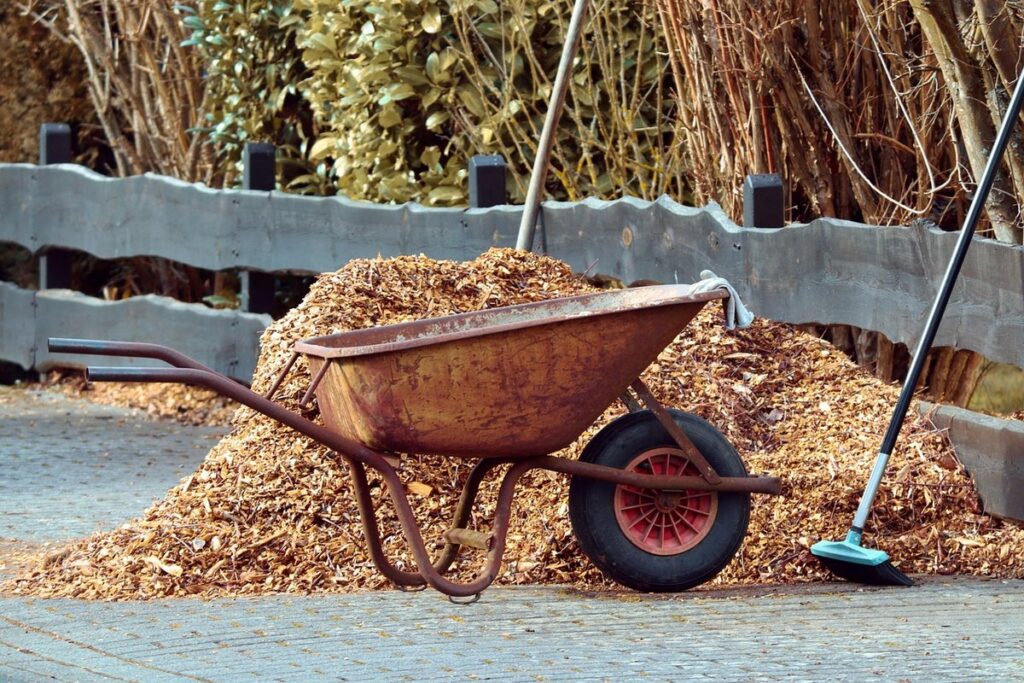
What is Cardboard Mulch?
Cardboard mulch is a surprisingly versatile and eco-friendly alternative to traditional garden mulches, made from simple cardboard materials. Let’s break down what exactly it is and how it works in your garden.
Definition and Purpose
Cardboard mulch is an eco-friendly and cost-effective gardening solution that’s gaining popularity among gardeners. So, what exactly is cardboard mulch? In simple terms, it’s a layer of shredded or whole cardboard applied to the soil surface to retain moisture, suppress weeds, and regulate soil temperature.
Unlike other types of mulch like wood chips or straw, which can be expensive and require frequent replenishment, cardboard mulch is made from discarded materials that would otherwise end up in landfills. By repurposing old boxes, cereal cartons, and paperboard packaging, you can create a sustainable mulching solution for your garden.
The primary purpose of using cardboard mulch is to create a barrier between the soil and air, reducing moisture loss and preventing weeds from germinating. It’s also an excellent medium for retaining nutrients in the soil as it breaks down slowly, releasing its carbon-rich content over time. This natural process enriches the soil structure, making it more conducive to plant growth. By incorporating cardboard mulch into your gardening routine, you can enjoy a healthier and more sustainable garden with minimal effort.
History and Origins
Cardboard mulch has its roots in sustainable gardening practices that date back to the 1990s. At that time, environmental concerns and the need for eco-friendly alternatives led gardeners to explore unconventional materials for mulching. One of these pioneers was permaculture expert and author, Bill Mollison, who advocated for using cardboard as a weed suppressant and soil conditioner.
The idea gained traction in the early 2000s, particularly among organic gardeners and those practicing biodynamics. The benefits of using cardboard mulch soon became apparent – it’s inexpensive, readily available, and reduces waste. As more gardeners began to adopt this method, online forums and blogs started sharing tips and experiences on how to effectively use cardboard in the garden.
Today, cardboard mulch has become a staple in many sustainable gardening practices. With its growing popularity, it’s now widely recognized as a viable alternative to traditional mulching materials. Its versatility makes it an attractive option for gardeners looking to reduce their environmental footprint while maintaining healthy soil and suppressing weeds.
How to Make Cardboard Mulch
To make cardboard mulch, simply shred your corrugated cardboard boxes and layer them in your garden bed to suppress weeds and retain moisture. This DIY method is easy and cost-effective.
Preparing the Cardboard
To get started with making cardboard mulch, you’ll first need to collect and prepare the right type of cardboard. Not all types of cardboard are suitable for mulching, so it’s essential to choose the right ones.
For cardboard mulch, you want to use sturdy, corrugated cardboard from boxes that have been used for shipping or packaging. These cards will break down quickly and evenly as they compost, providing your plants with a rich source of nutrients. Avoid using thin or wax-coated cardboard, as these may not decompose properly.
Once you’ve collected the right type of cardboard, it’s time to prepare it for mulching. Start by flattening the boxes and cutting them into smaller pieces, about 4-6 inches in size. This will make it easier for the cardboard to break down and spread evenly around your plants. You can also shred or tear the cardboard into smaller strips if you prefer a more rustic look.
Remember to collect clean and dry cardboard, free from any contaminants or debris that might interfere with the composting process. With the right type of cardboard prepared, you’re ready to move on to the next step: mixing it with other compost materials or using it as a standalone mulch.
Breaking Down the Cardboard
When it comes to making cardboard mulch, breaking down the cardboard into smaller pieces is an essential step. This process can be done using various methods, each with its own benefits and drawbacks.
Using a lawn mower or chipper can help break down cardboard quickly, but it’s not always feasible for everyone. If you have access to these tools, make sure to wear protective gear and follow proper safety precautions. For those without power equipment, manual methods like shredding with a leaf rake or using a paper shredder are viable alternatives.
Another method is to soak the cardboard in water, allowing it to break down naturally over time. This approach may take longer but can be a low-maintenance option for gardeners short on time. Regardless of the method chosen, make sure to shred the cardboard into manageable pieces that will allow it to decompose efficiently and evenly.
Remember to mix in some organic matter like compost or manure to enhance the mulch’s nutrient content and improve its overall effectiveness.
Mixing with Other Materials
To get the most out of your cardboard mulch, consider mixing it with other materials to create a rich and diverse soil amendment. One way to do this is by combining cardboard mulch with compost. This blend creates a nutrient-dense mix that will help improve soil structure and fertility.
You can also add leaves to your cardboard mulch for extra moisture retention and aeration benefits. Leaf mold, which results from decomposing leaves, adds valuable nutrients like nitrogen, phosphorus, and potassium. Mixing leaf mold into your cardboard mulch increases its overall fertility potential.
Another material you can mix with cardboard mulch is straw. Straw provides good insulation properties and helps retain soil moisture. When combined with cardboard mulch, it creates a durable and weed-suppressing layer that also regulates soil temperature.
When mixing materials, start by shredding the cardboard into smaller pieces to increase its surface area. Then, blend in your chosen mix-in material at a 1:1 or 2:1 ratio of mulch to additive. The exact ratio will depend on your specific needs and soil composition.
Benefits of Using Cardboard Mulch
Cardboard mulch can provide numerous benefits for your garden, from suppressing weeds to regulating soil temperature. Let’s explore some of its most valuable advantages.
Weed Suppression
When you lay down cardboard mulch around plants, it not only retains moisture and suppresses weed growth but also prevents weeds from germinating. This is because cardboard blocks light from reaching the soil, making it difficult for weeds to grow. As weeds struggle to emerge through the dense layers of cardboard, they eventually die off due to a lack of sunlight.
Cardboard mulch acts as an excellent barrier against weeds by preventing them from producing seeds and propagating new growth. This is especially effective in areas with heavy weed infestation, where weeds tend to spread rapidly. A thick layer of cardboard can suppress weeds for several months or even up to a year, depending on the climate and type of soil.
To ensure maximum effectiveness, it’s essential to lay down cardboard mulch when the soil is moist but not waterlogged. This allows the cardboard to settle evenly and prevent air pockets from forming, which can allow weeds to sprout. Additionally, consider laying down multiple layers of cardboard, allowing each layer to decompose slightly before adding more.
Moisture Retention
Cardboard mulch plays a crucial role in retaining soil moisture, making it an excellent choice for gardeners looking to conserve water. When you lay down cardboard sheets on the soil surface, they act as a barrier that prevents water from seeping into the ground too quickly. This helps to reduce evaporation and runoff, allowing the soil to absorb more water and retain it for longer periods.
As a result, plants grown in gardens with cardboard mulch tend to have better growth rates and are less prone to drought stress. The cardboard also suppresses weed growth, which can compete with your desired plants for water and nutrients. To maximize moisture retention, make sure to lay down the cardboard sheets 3-4 inches thick and cover them with a layer of organic matter like compost or straw.
Regularly watering is still essential, but you’ll find that your plants require less frequent watering due to the improved soil structure and moisture retention. By adopting cardboard mulch in your garden, you can enjoy healthier, more robust plants while reducing your water consumption.
Soil Structure Improvement
When you incorporate cardboard mulch into your garden, it can have a profound impact on the soil structure. One of the primary ways it achieves this is by adding organic matter to the soil. As cardboard breaks down, it increases the soil’s water-holding capacity and fertility, allowing plants to thrive more easily.
This process also improves drainage, which is essential for healthy plant growth. When the cardboard mulch degrades, it creates pathways through the soil that allow excess water to seep through, reducing the risk of waterlogged soil conditions. This makes it an ideal solution for areas with heavy rainfall or poor drainage.
To maximize the benefits of using cardboard mulch in this way, make sure to shred the material before applying it to the soil. This will speed up the breakdown process and allow the organic matter to penetrate deeper into the soil. By incorporating shredded cardboard mulch into your garden, you can enjoy better soil structure, improved drainage, and healthier plants over time.
How to Apply Cardboard Mulch
To apply cardboard mulch effectively, start by cutting it into manageable sheets and laying them down evenly across your garden beds. This will ensure a smooth coverage.
Application Rates
When it comes to applying cardboard mulch to your garden, understanding application rates is crucial for optimal results. The amount of cardboard mulch you need will depend on the size of your garden bed and the thickness of the layers you plan to apply.
A good rule of thumb is to aim for a layer thickness of 2-3 inches (5-7.5 cm). This will help suppress weeds, retain moisture, and regulate soil temperature. For small gardens, start with a 1/4 inch (6 mm) layer and gradually build up to the desired depth.
To calculate your coverage area, measure the length and width of your garden bed in feet. A standard sheet of cardboard is typically 28 inches x 40 inches (71 cm x 102 cm), covering about 2 square feet (0.18 square meters). For larger areas, consider cutting the cardboard into smaller sections or using a cardboard shredder to increase coverage.
Remember to overlap each layer by about half, and ensure the cardboard is pressed firmly into place to prevent it from blowing away in the wind. This will help you achieve the right balance of mulch without wasting resources.
Placement and Distribution
When applying cardboard mulch around your plants, it’s essential to distribute it evenly to ensure maximum benefits. This means spreading a 2-3 inch thick layer of shredded cardboard around the base of each plant, making sure to leave some space for air circulation and water absorption.
For vegetable gardens, adjust the depth of the mulch according to the mature size of the plants. For example, for small vegetables like lettuce or herbs, use a thinner layer (about 1-2 inches), while for larger vegetables like tomatoes or peppers, apply a thicker layer (3-4 inches).
In flower gardens, keep in mind that some flowers may require more mulch to suppress weeds and retain moisture. Delicate flowers, on the other hand, may need less mulch to prevent overcrowding. Additionally, avoid applying mulch too close to the plant stems, as this can cause rot or encourage pests.
Remember to reapply cardboard mulch periodically (about every 2-3 months) to maintain its effectiveness and ensure a healthy, thriving garden. By distributing it evenly and adjusting for different types of gardens, you’ll be able to reap the full benefits of using cardboard mulch in your garden.
Challenges and Considerations
While cardboard mulch offers many benefits, there are some challenges to consider when incorporating it into your garden. Let’s explore these potential hurdles together.
Nutrient Availability
While cardboard mulch offers numerous benefits for garden health and soil structure, it’s essential to consider potential nutrient limitations. Unlike organic matter like compost, cardboard doesn’t immediately release its nutrients into the soil as it breaks down. In fact, a significant portion of cardboard’s nutrient content is tied up in lignin, a complex compound that takes time to decompose.
This means that using cardboard mulch alone may not provide sufficient nutrients for your plants’ growth. However, this limitation can be mitigated by incorporating other nutrient-rich materials into your garden. For example, you can mix in compost or well-rotted manure alongside the cardboard mulch to replenish the soil’s nutrient reserves.
To further enhance the nutritional value of cardboard mulch, try adding a 1-inch layer of finished compost on top. As this breaks down, it will help release the nutrients from the cardboard, creating a balanced and fertile growing environment for your plants.
Decomposition Time
One of the most common concerns gardeners have when using cardboard mulch is its decomposition time. People wonder if it takes too long for the cardboard to break down and release its nutrients into the soil. The good news is that cardboard decomposes relatively quickly, especially when compared to other types of mulches.
In ideal conditions, with adequate moisture and warmth, cardboard can take anywhere from 2-6 months to fully decompose. However, this time frame can vary depending on factors such as climate, temperature, and the presence of microorganisms in the soil. To speed up the process, you can shred or tear the cardboard into smaller pieces before applying it to your garden.
This will allow for better airflow and increased exposure to moisture, which are essential for decomposition. Additionally, incorporating organic matter like compost or well-rotted manure can also help stimulate microbial activity and accelerate the breakdown of the cardboard mulch.
Conclusion and Future Directions
Now that you’ve learned how to use cardboard mulch in your garden, let’s discuss the next steps to take and how you can continue improving your gardening skills.
Recap of Benefits
By incorporating cardboard mulch into your garden routine, you’ve not only made a significant impact on its appearance but also contributed to a more sustainable and environmentally conscious approach. To recap, the benefits of using cardboard mulch are multifaceted.
One of the most notable advantages is its ability to reduce waste by repurposing discarded materials that would otherwise end up in landfills. This eco-friendly practice reduces your garden’s carbon footprint while simultaneously minimizing the need for synthetic fertilizers and chemicals.
Another key benefit lies in the cost-effectiveness of cardboard mulch. Unlike organic mulches, which can be expensive and time-consuming to maintain, cardboard mulch is free or low-cost, depending on the source. Furthermore, it doesn’t require frequent replenishment, making it a more efficient long-term solution.
In terms of practical application, consider layering cardboard sheets at least 2-3 inches thick around your plants, leaving space for air circulation and water absorption. This simple yet effective technique will not only suppress weeds but also regulate soil temperature, promoting healthy plant growth and reducing the need for additional fertilizers.
Potential for Expansion
As you’ve seen the potential benefits of using cardboard mulch in your garden, you may be wondering about its potential for expansion. One area that holds great promise is scaling up production to meet growing demand. With increasing awareness about sustainable gardening practices and environmental conservation, the need for eco-friendly mulching solutions like cardboard mulch is on the rise.
Researchers have identified several ways to increase efficiency in cardboard mulch production, including developing new machinery designs or optimizing existing manufacturing processes. This could not only reduce costs but also improve the consistency of quality. Moreover, exploring partnerships with large-scale cardboard manufacturers could help make cardboard mulch more widely available and affordable for gardeners worldwide.
Innovative applications are another area worth exploring. For instance, using cardboard mulch in combination with other natural materials like straw or wood chips could enhance its effectiveness as a weed suppressor and soil conditioner. Such research would not only provide a more comprehensive understanding of cardboard mulch’s potential but also contribute to the development of new sustainable gardening practices that benefit both gardeners and the environment.
Frequently Asked Questions
Can I use cardboard mulch for containers or hanging baskets?
Yes, you can definitely use cardboard mulch in containers and hanging baskets to retain moisture and suppress weeds. However, make sure the cardboard is shredded or torn into smaller pieces to prevent it from compacting and creating an anaerobic environment.
How long does it take for cardboard mulch to break down completely?
The decomposition time of cardboard mulch depends on factors like temperature, humidity, and soil composition. Generally, it can take anywhere from a few weeks to several months for the cardboard to break down completely, releasing its nutrients into the soil.
Can I mix cardboard mulch with other types of mulch or compost?
Yes, mixing cardboard mulch with other materials is a great way to create a unique blend that suits your garden’s specific needs. You can combine it with leaf mold, straw, or even other recycled materials to create a nutrient-rich and weed-suppressing mulch.
Will cardboard mulch attract pests or rodents?
Cardboard mulch itself won’t attract pests or rodents, but its moisture-retaining properties might make the soil more attractive to certain insects. To minimize this risk, ensure good air circulation around the mulched area and consider adding a layer of organic pest control methods like neem oil or diatomaceous earth.
Can I use cardboard mulch in areas with high foot traffic?
While cardboard mulch can handle some foot traffic, it’s not recommended for areas that receive heavy usage. The constant treading can compact the cardboard, preventing air and water from reaching the soil below, which defeats the purpose of using mulch in the first place. Consider other options like gravel or wood chips for high-traffic areas.