
Are you looking for a low-maintenance yet stunning addition to your garden? Look no further than the charming candytuft flower plant! Not only does it add a touch of elegance with its delicate white blooms, but it also offers a range of benefits that make it a valuable asset in any outdoor space. From its ornamental value to its potential medicinal uses, this versatile plant is sure to impress even the most discerning gardener. In this comprehensive guide, we’ll delve into the world of candytuft flower plants, covering essential care tips, propagation methods, and more. Whether you’re a seasoned green thumb or just starting out, we’ll explore why growing candytuft is a decision you won’t regret – and how to make the most of its beauty and benefits in your own garden.
Introduction to Candytuft Flowers
Welcome to our guide on candytuft flowers, where we’ll explore their unique charm and share tips on how to grow these lovely blooms in your garden.
What is a Candytuft Flower Plant?
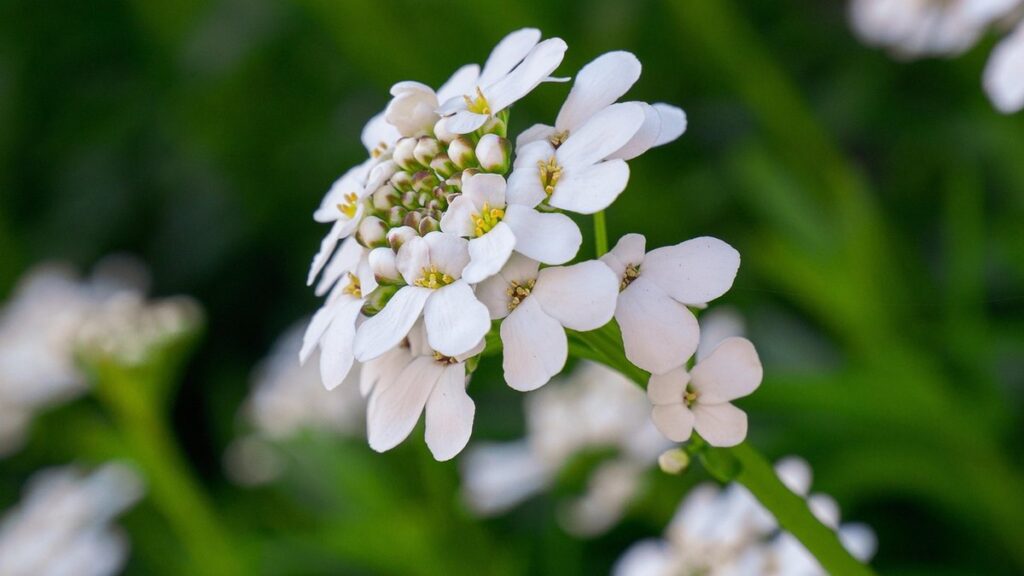
Candytuft flowers are a delightful addition to any garden or floral arrangement. Botanically known as Iberis sempervirens, these charming blooms have been a popular choice among gardeners and florists for centuries. With their delicate, white or pink petals and lush green foliage, candytuft flowers add a touch of elegance and sophistication to any setting.
One of the most significant advantages of candytuft flowers is their low-maintenance requirements. They are drought-tolerant, making them perfect for areas with limited water supply. Additionally, they can thrive in poor soil conditions, making them an excellent choice for gardens with challenging terrain. This hardy perennial flower is also deer-resistant and attracts pollinators, such as bees and butterflies, to the garden.
Candytuft flowers are commonly used in various applications, including perfumes, fragrances, and even as a garnish for salads. Their delicate petals can be used fresh or dried, making them a versatile ingredient for floral arrangements and potpourri blends. Whether you’re a seasoned gardener or just starting out, candytuft flowers are an excellent choice for adding beauty and charm to your outdoor space.
History and Origin of Candytuft Flowers
Candytuft flowers have a rich history that spans across various cultures and continents. Native to the Mediterranean region, these beautiful blooms were first cultivated by the ancient Greeks and Romans for their ornamental value and medicinal properties. In fact, the name “candytuft” is derived from the Arabic word “qandi,” which refers to sugar or sweetmeat. This association with sweetness is fitting, given the plant’s delicate white, pink, or purple flowers that resemble tiny candies.
The candytuft flower was introduced to European gardens in the 17th century and quickly gained popularity for its ease of growth and ability to thrive in poor soil conditions. In many parts of Asia, particularly in China and India, candytufts are still used as a natural remedy for various ailments, including fever and digestive issues.
Today, candytuft flowers are prized not only for their beauty but also for their low-maintenance requirements, making them an ideal choice for gardeners of all levels. With proper care, these charming blooms can add a touch of elegance to any garden or indoor space.
Growing Conditions for Candytuft Flower Plants
To grow beautiful candytuft flowers, it’s essential to understand their specific needs and preferences when it comes to temperature, sunlight, and soil conditions. Let’s dive into the details of growing conditions for these lovely plants.
Climate and Soil Requirements
Candytuft flowers thrive in well-drained soil and full sun to partial shade conditions. In terms of temperature, they prefer a mild climate with average temperatures ranging from 65°F to 75°F (18°C to 24°C). Avoid planting them in areas with extreme heat or cold, as this can cause stress to the plant.
To replicate their native Mediterranean habitat, provide your candytuft flowers with at least six hours of direct sunlight per day. However, if you live in a hotter climate, it’s best to offer some afternoon shade to prevent scorching. When choosing a location for your candytuft plants, select a spot that receives good air circulation to promote healthy growth and prevent fungal diseases.
In terms of soil conditions, candytufts prefer alkaline to neutral soils with a pH between 6.0 and 7.5. You can test the pH level of your soil using a DIY kit or by consulting with a local nursery expert. To create an ideal growing environment for your candytuft flowers, mix in some organic matter like compost or well-rotted manure to improve drainage and fertility.
By replicating the natural conditions found in their native Mediterranean habitat, you’ll be able to coax your candytuft flowers into producing vibrant blooms that attract pollinators and add a touch of charm to any garden.
Watering and Fertilization Needs
To ensure your candytuft flower plants thrive and produce those stunning white, pink, or purple blooms, proper watering and fertilization techniques are essential. Water your plants deeply once a week during the growing season, but avoid overwatering, which can lead to root rot. Instead, allow the soil to dry slightly between waterings.
When it comes to fertilizing, candytuft flower plants don’t require much. A balanced fertilizer applied in early spring and again after blooming will provide all the necessary nutrients for healthy growth. You can also use a high-phosphorus fertilizer during the blooming period to promote more abundant flowering.
Some specific requirements to keep in mind: avoid fertilizing during extreme heat, as this can cause burning of the leaves and damage to the roots. Also, candytuft flower plants prefer well-draining soil, so make sure your pot has good drainage holes if growing container-grown plants. By following these simple watering and fertilization tips, you’ll be rewarded with a vibrant display of flowers that will add beauty and charm to any garden or indoor space.
Types of Candytuft Flower Plants
You’ll love learning about the unique varieties of candytuft flower plants, each one offering its own special charm and beauty to your garden. Let’s explore the different types together!
Varieties Based on Bloom Time
One of the most exciting aspects of candytuft flower plants is their varying bloom times, which cater to different seasons and climates. If you’re looking for a burst of color in the spring, consider planting spring-blooming varieties like ‘Alba’, ‘Rosea’, or ‘Rubra’. These sweet-smelling flowers typically bloom from March to May, producing delicate white, pink, or red blooms that attract pollinators.
Summer-blooming candytuft varieties, such as ‘Aurantiaca’ and ‘Plena’, are perfect for those who want a long-lasting display of color in the warmer months. They produce an abundance of small flowers in shades of yellow, pink, and white from June to August. Fall-blooming varieties like ‘Lutea’ and ‘Viridiflora’ bring a pop of color to your garden just as winter is approaching, blooming from September to November.
When choosing a variety based on bloom time, consider your climate and the specific needs of each plant. For example, spring-blooming candytuft prefers well-draining soil and full sun, while summer-blooming varieties can tolerate partial shade and require less maintenance.
Variations in Size and Growth Habit
When it comes to candytuft flower plants, you’ll find that they come in various sizes and growth habits, making them perfect for different garden styles and uses. Compact varieties are ideal for small gardens, rock walls, or containers, where space is limited. These dwarf plants typically grow between 6-12 inches tall and wide, producing a profusion of white, pink, or purple flowers that cascade over the edges.
Taller-growing varieties, on the other hand, can reach heights of up to 3 feet, making them perfect for adding a pop of color to borders and beds. These plants are often used as hedges or screens due to their compact growth habit and ability to be pruned into topiaries.
To choose the right variety for your garden, consider the amount of space you have available and the desired impact you want to create. For example, if you’re looking for a low-maintenance option that won’t take up too much room, opt for a compact variety like ‘Compacta’ or ‘Snowtop’.
Care Tips for Candytuft Flower Plants
To ensure your candytuft flower plants thrive, follow these simple care tips to promote healthy growth and vibrant blooms throughout their season. Proper care makes all the difference!
Pruning and Deadheading
To keep your candytuft flower plants looking their best and encourage repeat blooming, regular pruning is essential. Prune them back after they finish blooming to maintain a compact shape and promote new growth. Cut off about one-third of the stems to encourage branching and prevent the plant from becoming leggy.
Deadheading spent flowers is also crucial in maintaining the health and appearance of your candytuft plants. Remove wilted or faded blooms as soon as you notice them, as this will help direct the plant’s energy towards producing new flowers rather than seed production. By doing so, you’ll encourage continuous blooming throughout the growing season.
For best results, prune and deadhead at the same time to maintain a neat appearance and stimulate growth. Use clean, sharp pruning tools to prevent spreading diseases, and make cuts just above a leaf node to promote healthy regrowth.
Pest and Disease Management
To keep your candytuft flower plants thriving and healthy, effective pest and disease management is crucial. One of the most common pests affecting these plants are aphids, which can be controlled using neem oil or insecticidal soap. These products can be applied directly to the affected areas, but it’s essential to follow the manufacturer’s instructions for safe use.
To prevent aphid infestations, ensure your candytuft flowers receive adequate sunlight and air circulation, as these pests tend to thrive in shaded conditions. Regularly inspect your plants for any signs of pests or diseases, such as yellowing leaves, black spots, or sticky substance on the leaves.
Some common diseases affecting candytuft flower plants include powdery mildew and root rot, caused by fungal infections. These can be treated with fungicides specifically designed for ornamental plants. To prevent these issues, maintain good soil drainage, water your plants carefully, and avoid overwatering.
By implementing these preventive measures and promptly treating any issues that arise, you can enjoy the beauty of your candytuft flower plants without worrying about pests or diseases affecting their growth.
Uses and Benefits of Candytuft Flower Plants
Candytuft flower plants offer a range of practical uses, from attracting pollinators to adding a decorative touch to your garden. They also provide numerous benefits for you and your family.
Ornamental Value in Gardens
When it comes to adding beauty, texture, and color to your garden, few plants can compete with the ornamental value of candytuft flowers. These dainty blooms come in a range of colors, including white, pink, and purple, making them an excellent choice for creating a visually appealing display.
To maximize their ornamental value, consider planting candytufts in groupings or mass plantings to create a stunning focal point in your garden. Their compact growth habit and low maintenance requirements make them perfect for containers, hanging baskets, or edging beds. You can also use them as a groundcover to add a lush, verdant texture to your landscape.
In addition to their aesthetic appeal, candytufts are also an excellent choice for adding a pop of color to areas with poor soil or full sun. Their ability to thrive in challenging conditions makes them a versatile and low-fuss option for gardeners of all levels. By incorporating candytuft flowers into your garden design, you can add a touch of elegance and whimsy that’s sure to delight visitors and enhance the overall beauty of your outdoor space.
Medicinal and Culinary Uses
Candytuft flower plants have been valued for centuries not only for their vibrant beauty but also for their potential medicinal and culinary uses. Research has shown that these plants possess antibacterial properties, which can be utilized to combat minor infections and promote overall health.
In traditional medicine, candytuft flowers are used to treat a range of ailments from sore throats to skin irritations. To harness the plant’s antibacterial benefits, simply steep dried or fresh flowers in hot water to create a soothing tea. This herbal infusion can be sipped on its own or used as a gargle to alleviate throat discomfort.
In addition to its medicinal properties, candytuft is also prized for its culinary uses. The plant’s fragrant leaves and flowers are often added to salads, soups, and other dishes for their unique flavor profile. To incorporate candytuft into your cooking, try using the fresh petals as a garnish or adding chopped leaves to a homemade pesto sauce. By embracing the multifaceted nature of this lovely flower, you can unlock its full potential and cultivate a deeper appreciation for its beauty and utility in your garden and kitchen.
Propagation Methods for Candytuft Flower Plants
To grow more of these lovely plants, you’ll want to learn about the various ways to propagate candytuft flowers, including division and seed starting. Let’s take a closer look!
Seeds vs. Cuttings
When it comes to propagating candytuft flower plants, you have two primary options: starting from seeds or using cuttings. Both methods have their advantages and disadvantages.
Using seeds for propagation can be a cost-effective and environmentally friendly option. Seeds are readily available at most nurseries and online retailers, and they allow for the natural selection of the strongest seedlings to grow. However, seed propagation can take anywhere from 6-12 weeks to produce mature plants, depending on factors like climate and soil quality.
On the other hand, using cuttings offers faster results, with new plants ready in as little as 2-4 weeks. Cuttings are more challenging to obtain, but they provide a genetically identical replica of the parent plant. This method is ideal for producing multiple plants with specific characteristics, such as bloom color or compact growth.
Before choosing between seeds and cuttings, consider your time commitment, desired end result, and available resources. If you’re short on time or want to try a more hands-off approach, seed starting may be the way to go.
Transplanting and Potting Mix Considerations
When transplanting candytuft seedlings or propagated plants into the garden or containers, it’s essential to consider a few key factors. First, choose a well-draining potting mix specifically designed for flowering plants like candytuft. A regular potting mix may retain too much water, leading to root rot and other issues.
When transplanting, gently remove the seedling from its container, taking care not to disturb the roots. If necessary, trim any circling or tangled roots with a sterile tool. Plant the seedling at the same depth as before, firming the soil around it to prevent settling.
For container gardening, consider using a mix specifically designed for hanging baskets or containers, which will help prevent moisture buildup and ensure good air circulation. Keep in mind that candytuft plants prefer slightly alkaline soil with a pH between 6.0 and 7.0.
By paying attention to these transplanting details, you’ll set your candytuft seedlings up for success and enjoy vibrant blooms throughout the growing season.
Conclusion: Embracing the Charm of Candytuft Flowers
In conclusion, candytuft flower plants are truly a treasure to behold. Not only do they add a touch of elegance and whimsy to your garden or indoor space, but they also require minimal maintenance and care. By embracing their unique charm, you can create a beautiful and low-fuss display that’s sure to impress friends and family alike. To fully appreciate the beauty of candytuft flowers, try planting them in containers or hanging baskets where they can trail over the edges, creating a stunning cascading effect. This will also make it easy for you to enjoy their delicate blooms up close.
By incorporating these lovely plants into your garden design, you’ll not only be adding visual interest but also attracting pollinators and beneficial insects to your space. So why not give candytuft flowers a try? They’re the perfect addition to any garden or indoor space looking for a touch of charm and character.
Frequently Asked Questions
Can I grow candytuft flowers indoors, or do they require outdoor conditions?
Candytuft flowers can thrive outdoors in well-draining soil and full sun to partial shade. However, if you want to grow them indoors, provide bright indirect light, maintain a cooler temperature between 40°F to 60°F (4°C to 15°C), and ensure good air circulation.
Are candytuft flowers toxic to pets or children?
No, candytuft flowers are generally considered non-toxic to both pets and humans. However, it’s essential to note that while the plant itself is not toxic, eating large quantities of its leaves can cause gastrointestinal upset in animals.
Can I use candytuft flowers for medicinal purposes, or are they only ornamental?
Yes, candytuft flowers have been traditionally used in herbal medicine for various purposes. They contain compounds with antibacterial and antifungal properties, which make them useful for treating minor skin irritations and wounds.
How long does it take to see blooms on a newly planted candytuft flower plant?
Typically, it can take around 3-6 months for a newly planted candytuft flower to produce its first blooms. However, this timeframe may vary depending on factors like climate, soil quality, and plant care.
Can I propagate candytuft flowers using leaf or stem cuttings, or is seed propagation the only option?
Yes, you can successfully propagate candytuft flowers using stem or leaf cuttings, as well as seeds. Cuttings are a great way to share plants with friends or expand your own collection, while seeds provide a cost-effective and reliable method for mass production.