
Are you one of those people who loves experimenting with gardening, but wants to know if they can get away with using ordinary potatoes from the grocery store? Well, you’re in luck because yes, you absolutely can plant a grocery store potato and grow your own delicious spuds at home. But before you start digging up your garden, there are some things you should know first.
In this article, we’ll cover everything you need to successfully plant and grow potatoes from those humble supermarket purchases. We’ll explore how to prepare the “seeds,” planting techniques that ensure healthy growth, and aftercare tips for harvesting a bountiful crop. By the end of this guide, you’ll be well on your way to becoming a potato-growing pro. With a little patience and practice, you can enjoy fresh, homegrown potatoes right in your own backyard – no fancy gardening tools required!
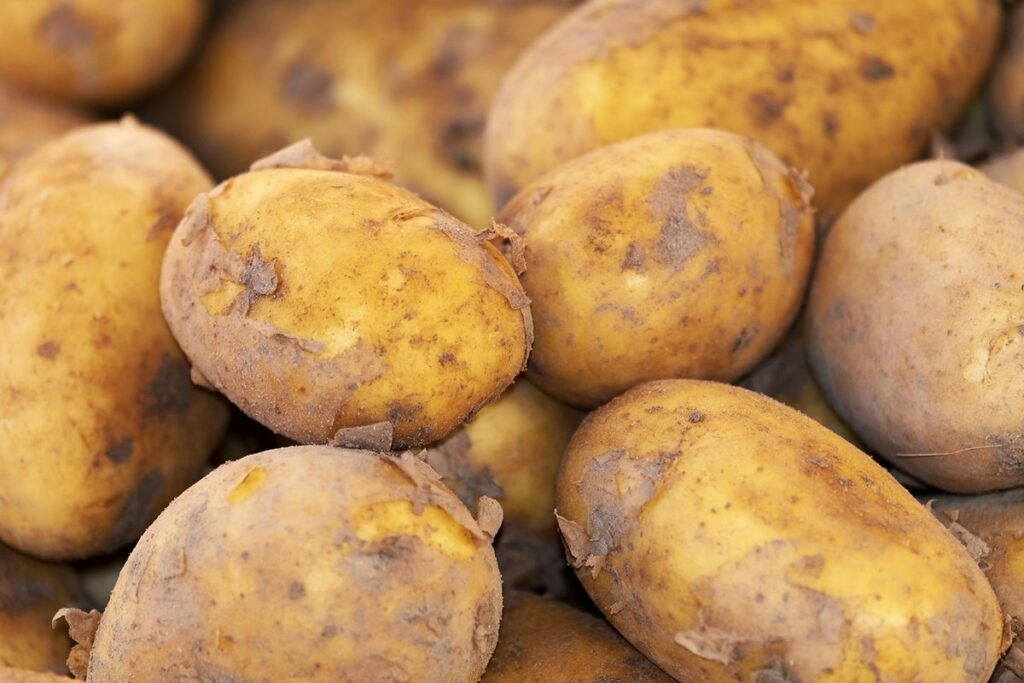
The Basics of Planting Potatoes
To start growing potatoes, you’ll want to understand the fundamentals of soil preparation and seed potato selection, which we’ll cover next. Let’s get started on the basics!
Understanding Potato Types
When browsing through the produce section of your local grocery store, you’re likely to come across a variety of potato types. While they may look similar at first glance, not all potatoes are created equal when it comes to home cultivation.
Starchy potatoes like Russet and Idaho are commonly found in most supermarkets. These high-starch varieties are great for baking, mashing, and roasting, but they’re also more prone to disease and pests when grown outdoors. Their large eyes make them vulnerable to soil-borne diseases, which can significantly impact yields.
On the other hand, waxy potatoes like Yukon Gold and Red Bliss are better suited for home cultivation. With smaller, more evenly spaced eyes, these varieties are less susceptible to disease and can thrive in a variety of conditions. They also retain their shape well when cooked, making them ideal for boiling or sautéing.
When selecting potatoes from the grocery store to plant at home, look for waxy varieties like Yukon Gold or Red Bliss. These types are more likely to yield healthy tubers with minimal care and attention.
Checking Seed Potatoes
When purchasing seed potatoes from a grocery store, it’s essential to inspect them for quality before planting. A suitable potato for growing should be around 1-2 inches in diameter and have at least one “eye” or bud. This is because the size allows for proper growth and development, while the eye will produce new stems.
Avoid buying potatoes that are too large, as they may be more prone to disease. Opt for ones with firm, smooth skin, free of bruises and blemishes. It’s also crucial to check for any signs of sprouting or green growth, which can indicate a potato is past its prime.
When selecting seed potatoes, choose ones with at least one eye per inch. This ensures the plant will have enough energy to produce multiple stems and tubers. Avoid buying potatoes that are heavily packed, as this can cause damage during handling. Instead, look for loose, well-spaced potatoes that are easy to inspect.
Preparing Grocery Store Potatoes for Planting
Before you start planting your grocery store potatoes, it’s essential to prepare them properly. This involves cleaning and chitting the tubers to ensure they’ll grow well in their new environment.
Acquiring Healthy Seeds
When acquiring healthy seeds from grocery store potatoes, it’s essential to prioritize disease-free stock. Unfortunately, many commercial potato varieties are bred for high yields and disease resistance, but they can still harbor diseases like scab, blackleg, or powdery scald. These afflictions can be transferred to your homegrown crop, reducing its chances of success.
To increase the odds of a successful harvest, you can try chitting or curing your seeds. Chitting involves placing seed potatoes with the “eyes” facing upwards in a light place at room temperature (around 60-70°F) for 2-4 weeks before planting. This allows the buds to develop and gives them a head start on growth.
Alternatively, you can cure your seeds by allowing them to sit in a cool, dark place for several days or even weeks. This process helps break dormancy and encourages root development. Some gardeners swear by soaking seed potatoes in water or a potato-specific starter solution to stimulate growth.
Keep in mind that not all grocery store potatoes are suitable for planting. Look for ones with at least one “eye” each, and avoid any with visible signs of disease or damage. By taking these precautions, you’ll be well on your way to cultivating a bountiful crop from humble beginnings.
Cleaning and Sorting Seeds
When cleaning and sorting the seeds from your grocery store potatoes, it’s essential to be thorough to ensure healthy germination. Start by gently washing the tubers with cold running water to remove any dirt or debris that may have accumulated during storage. Use a soft-bristled brush to scrub away any stubborn dirt or eyes that may be infected.
Next, sort through the seeds and remove any sprouted or diseased tubers. Sprouts can indicate that the seed is starting to decay from the inside out, while diseased tubers can spread disease to other plants in your garden. Look for signs of mold, rot, or soft spots on the surface of the tuber.
Check each seed carefully, and discard any that are damaged or show signs of decay. Make sure to handle the seeds gently to avoid bruising them, as this can create entry points for bacteria and increase the risk of disease. By properly cleaning and sorting your seeds, you’ll be giving yourself the best chance at successful germination and a healthy crop of homegrown potatoes.
Planting Potatoes from Grocery Stores
While grocery store potatoes are not ideal for planting, there are ways to successfully grow a crop from one. Here’s how to plant potatoes from your local supermarket.
Best Practices for Soil Preparation
When preparing soil for planting grocery store potatoes, it’s essential to consider the pH levels and nutrient requirements. Most potato varieties prefer a slightly acidic to neutral soil pH between 4.5 and 7.0. You can test your soil using a DIY kit or send a sample to a lab for analysis.
To create an ideal environment, aim for well-draining soil with a mix of organic matter like compost or manure. Raised beds are particularly effective for potato cultivation as they provide excellent drainage and aeration. If you don’t have raised beds, consider creating a mound about 6-8 inches high to elevate the soil.
Aim to incorporate 2-3 inches of compost into the top 6 inches of soil. You can also add a balanced fertilizer specifically formulated for potatoes to promote healthy growth. Avoid over-fertilizing, as this can lead to excessive foliage at the expense of tuber production.
Planting Techniques
When it comes to planting potatoes from grocery stores, choosing the right technique is crucial for success. You have two primary options: in-ground cultivation and container gardening. Let’s dive into each method’s advantages and disadvantages.
In-ground cultivation involves digging a trench, typically 6-8 inches deep, and placing the potato pieces (eyes facing up) about 12 inches apart. This approach provides ample space for the tubers to spread out and receive adequate sunlight. However, it requires a significant amount of land and may be impractical for small gardens or urban spaces.
On the other hand, container gardening allows you to grow potatoes in smaller areas, such as balconies or patios. You can use large containers (at least 12-14 inches deep) and plant multiple potato pieces around the edges. This method provides better control over soil quality and moisture levels, making it ideal for areas with poor soil conditions.
Both methods have their pros and cons. In-ground cultivation offers more space for the potatoes to grow but may be limited by land availability. Container gardening, while convenient, requires regular monitoring of soil temperature and moisture levels to prevent disease and pests from taking hold. Consider your specific needs and choose the method that best suits your situation.
Aftercare and Common Issues
Now that you’ve successfully planted your grocery store potato, let’s talk about what happens next: aftercare and common issues to watch out for as it grows.
Managing Light, Water, and Temperature
Now that you’ve successfully germinated and transplanted your grocery store potato, it’s essential to provide optimal growing conditions for it to thrive. One of the most critical aspects is ensuring sufficient light. Potatoes need plenty of indirect sunlight to produce a high yield, but direct sunlight can scorch the leaves. Aim for 6-8 hours of direct sunlight or supplement with grow lights. Be cautious not to overwater your potato plant, as this can lead to fungal diseases and poor growth.
Maintaining consistent moisture levels is crucial for healthy tuber formation. Water your potato plant when the top inch of soil feels dry to the touch. Aim for about 1-2 inches of water per week, either from rainfall or irrigation. Different potato varieties have distinct temperature requirements. For example, ‘Russet’ and ‘Red Bliss’ prefer daytime temperatures between 60-70°F (15-21°C), while ‘New Potatoes’ can tolerate warmer temperatures up to 75°F (24°C). Keep your soil consistently moist but not waterlogged, and ensure good air circulation to prevent fungal diseases.
Troubleshooting Common Problems
If you’ve managed to coax a few sprouts from your grocery store potato, congratulations! You’re probably eager to see it thrive. However, as the plant grows, you may encounter some common issues that can affect its health and productivity.
One of the most significant challenges faced by home gardeners is pests. These tiny critters can quickly spread diseases or destroy your crop entirely. Common pests include aphids, slugs, and wireworms. To combat these, use neem oil or insecticidal soap to repel them. You can also cover your plants with fine mesh to keep larger insects at bay.
Diseases like late blight and early blight are another concern when planting grocery store potatoes. These can be caused by fungal infections that spread rapidly in humid conditions. To prevent this, ensure good air circulation around your plants, remove any infected leaves, and treat the soil with a fungicide.
Poor yields are often due to inadequate sunlight or watering schedules. Make sure your potato plant receives at least 6 hours of direct sunlight each day. Water it regularly but avoid overwatering, which can lead to rot and other issues.
When dealing with pests or diseases, isolate affected areas and remove any infected plants to prevent the spread. Practice good hygiene by disinfecting your tools and hands after handling your potatoes. By taking these steps, you’ll be well on your way to enjoying a healthy and bountiful harvest from your grocery store potato.
Tips for Successful Harvesting
Now that you’ve successfully sprouted your grocery store potato, let’s dive into some essential tips to ensure a bountiful harvest. We’ll cover what to expect and how to optimize growing conditions for maximum yields.
Monitoring Progress and Timing
When you’re growing potatoes from grocery store spuds, it can be tricky to know when they’re ready for harvest. The key is to keep an eye on a few visual cues that indicate the tubers are mature and ready to dig up.
First, check the foliage growth pattern. Healthy potato plants should have dark green leaves with a vibrant color, not wilted or discolored ones. As the plant matures, you’ll notice the top set of leaves will begin to yellow and die back – this is a natural process that indicates the tubers are full-grown.
Tuber size is another indicator of readiness. Gently dig around the base of the plant with your fingers to check on the size of the potatoes. They should be at least 1-2 inches in diameter, but not too large as they can become green and toxic if left in the ground too long. Regularly checking on the tubers’ size will help you avoid over-maturity.
Check for these signs regularly, especially during peak harvest season (usually late summer to early fall). If you notice any of your plants are lagging behind or showing signs of disease, don’t hesitate to remove them to prevent the issue from spreading. By paying close attention to these visual cues, you’ll be able to time your harvest perfectly and enjoy a bountiful yield.
Techniques for Minimal Damage During Harvest
When it’s time to harvest your grocery store potato crop, you’ll want to use techniques that minimize damage and preserve those valuable tubers. This is especially true if the potatoes were initially planted as an experiment or on a small scale.
First, gather the necessary tools: a fork, a garden hose, and a bucket or bag for collecting the harvested potatoes. To begin, carefully dig around the plants with your fork, being mindful not to damage any of the tubers in the process. Next, gently lift the soil away from the roots, taking care not to disturb the surrounding area.
As you unearth each potato, inspect it for any signs of damage or rot. Use a garden hose to wash off excess dirt and debris, taking care not to submerge the tuber entirely. This helps prevent moisture from seeping into potential wounds. Handle the potatoes with care, as rough handling can lead to bruising and damage.
Conclusion and Final Considerations
Now that you’ve decided whether to plant a grocery store potato, let’s wrap up by discussing any final considerations to keep in mind for successful cultivation.
Recap of Key Takeaways
When it comes to planting a grocery store potato, we’ve covered several key points that will help you successfully grow your own spuds. First and foremost, not all potatoes are created equal – look for those labeled as “seed potatoes” or “for planting,” which are specifically bred for their ability to produce high yields.
We also discussed the importance of choosing the right variety for your climate and desired harvest time. Some popular options include ‘Russet,’ ‘Yukon Gold,’ and ‘Red Thumb.’ Additionally, it’s crucial to follow proper storage and handling techniques to prevent rot and disease – store them in a cool, dark place, and avoid washing until you’re ready to plant.
To ensure the best results, we recommend planting your seed potatoes 2-4 inches deep, with at least 6-8 hours of direct sunlight per day. Water thoroughly after planting and maintain consistent moisture throughout the growing season. By following these simple steps and tips, you’ll be on your way to harvesting delicious homegrown potatoes in no time.
Future Prospects and Expansion
As you’ve successfully grown your grocery store potato from sprout to harvest, you might be wondering what’s next. The possibilities are endless, and I’m excited to share some ideas for expanding your homegrown potato experience.
One of the most exciting aspects of growing potatoes at home is crop rotation. This simple yet effective technique allows you to create a diverse and thriving garden ecosystem. By rotating your potatoes with other vegetables like beans, corn, or squash, you’ll improve soil fertility, reduce pests, and increase yields. For example, if you plant your new batch of seed potatoes in a bed where tomatoes grew last season, the nutrients from the decomposing tomato plants will enrich the soil.
Sharing is caring! Consider giving some of your freshly harvested spuds to friends or family members who might appreciate the fruits of your labor. This not only spreads the joy of homegrown produce but also inspires others to try their hand at growing their own potatoes. You could even experiment with new varieties, like Yukon Golds or Purple Peruvians, and share the results with fellow gardening enthusiasts.
Frequently Asked Questions
Can I use any type of potato from the grocery store, or are some better suited for planting?
While most potatoes can be used for planting, it’s best to choose high-starch varieties like Russet and Idaho. These types tend to produce larger tubers and are less prone to disease.
How long does it take for grocery store potatoes to sprout after being planted?
It typically takes 2-3 weeks for seed potatoes from the grocery store to sprout after planting, depending on factors like temperature, light, and soil quality. Be patient and keep an eye out for those tiny green shoots!
Can I plant grocery store potatoes in containers or do they require a lot of space?
You can definitely grow potatoes in containers! Choose a container that’s at least 6-8 inches deep to accommodate the tubers as they develop. Make sure it has good drainage and use a well-draining potting mix.
How often should I water my planted grocery store potatoes, especially during hot weather?
Water your potato plants regularly, but make sure not to overwater. Aim for about 1 inch of water per week, either from rain or irrigation. Mulching around the plants can help retain moisture and suppress weeds.
Can I harvest grocery store potatoes when they’re still quite small, or do they need to reach full maturity?
While it’s tempting to harvest smaller tubers, it’s generally best to wait until they’ve reached full maturity for optimal flavor and texture. This is usually around 70-100 days after planting, depending on the variety.