
If you’re like many gardeners and food enthusiasts, you’ve probably wondered about using every part of your herb plants to get the most out of their nutritional value. While we often use thyme leaves in cooking, few people know that the delicate flowers can be eaten too – and they pack a punch when it comes to flavor and health benefits. Edible thyme flowers have been used for centuries in traditional medicine, adding not only a burst of flavor but also potent antioxidants and anti-inflammatory compounds to your dishes. In this article, we’ll delve into the world of edible thyme flowers, covering their nutritional properties, culinary uses, and medicinal applications. We’ll also explore how to safely harvest, store, and grow these tiny superfoods in your own garden for maximum health benefits.
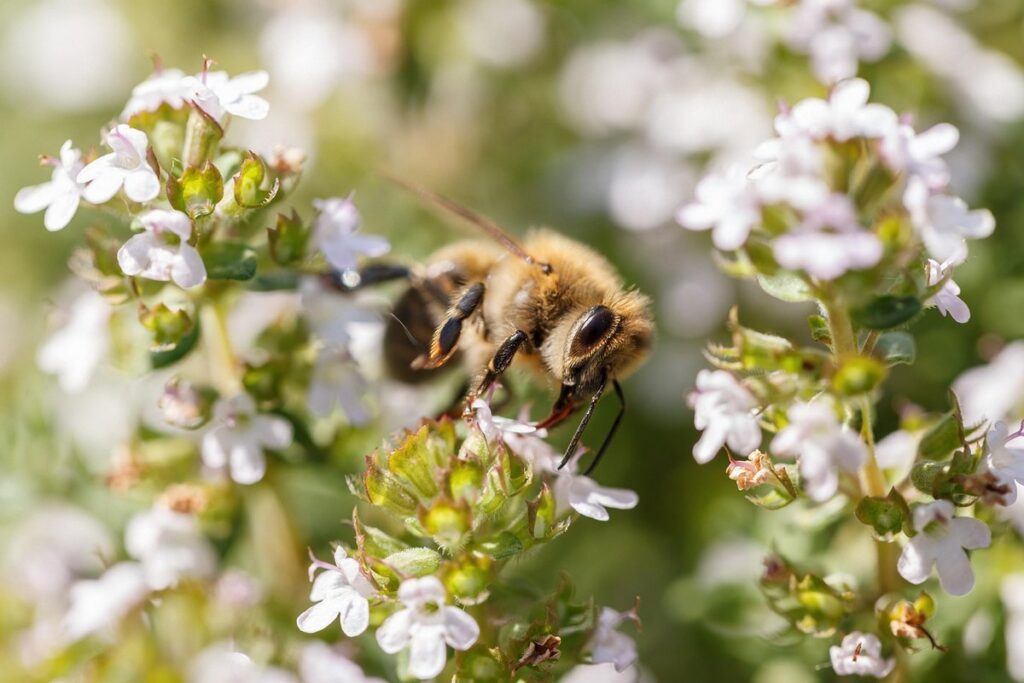
Benefits and Uses of Thyme Flowers
When it comes to cooking with thyme, most people only think of using the leaves. But did you know that the flowers are edible too?
Nutritional Value of Thyme Flowers
Thyme flowers are not only visually appealing but also packed with essential nutrients that can boost overall health. One of the key advantages of consuming thyme flowers is their high content of vitamins A and C. These water-soluble vitamins play a crucial role in maintaining healthy skin, supporting immune function, and facilitating collagen production.
In addition to vitamins A and C, thyme flowers are also rich in potassium, an electrolyte that helps regulate fluid balance and blood pressure. Iron, another vital nutrient found in thyme flowers, is essential for transporting oxygen throughout the body and supporting healthy red blood cell production.
To reap the nutritional benefits of thyme flowers, you can simply add them to salads, soups, or use as a garnish for various dishes. When using thyme flowers, be sure to harvest them at the right stage of growth – ideally when they’re still in bud form and before they bloom. This ensures that you capture the highest concentration of nutrients.
Culinary Uses of Thyme Flowers
Thyme flowers add a delicate, slightly minty flavor to various dishes and can be used in numerous ways to enhance the taste and aroma of your cooking. One simple way to incorporate thyme flowers into your meals is by adding them to salads. The light, floral flavor complements greens like spinach, kale, or arugula perfectly. Try pairing fresh thyme flowers with cherry tomatoes, mozzarella cheese, and a drizzle of balsamic glaze for a refreshing summer salad.
Thyme flowers also make an excellent garnish for soups, stews, or sauces. Simply chop the flowers finely and sprinkle them on top of your dish before serving. You can also infuse thyme flowers into oils and vinegars to create unique flavorings for cooking. To do this, simply combine fresh thyme flowers with a neutral oil like olive or grapeseed in a clean glass jar. Store the mixture in a cool, dark place for a few days, shaking the jar occasionally, until the flavors have melded together.
Some popular recipes that showcase thyme flowers’ unique flavor and aroma include lemon-thyme roasted chicken, thyme flower-infused olive oil for drizzling over vegetables or bread, and herb-infused vinegars like thyme and lemon.
Medicinal Properties of Thyme Flowers
Thyme flowers have been prized for centuries not only for their flavor and fragrance but also for their medicinal properties. Research has shown that thyme contains compounds with potent antimicrobial and anti-inflammatory effects, making it a natural remedy for various health issues.
One of the primary ways to harness these properties is through infusion or tea-making. By steeping fresh or dried thyme flowers in hot water, you can create a soothing drink that can help alleviate digestive problems, such as bloating and indigestion. Thyme’s antimicrobial properties also make it an effective treatment for respiratory issues like bronchitis and coughs.
In addition to its internal uses, thyme flowers can also be applied topically to soothe skin irritations and wounds. The antiseptic and anti-inflammatory compounds in thyme can help reduce inflammation and promote healing, making it a natural alternative to harsh chemical-based creams and ointments.
To incorporate thyme flowers into your natural remedies, simply steep 1-2 teaspoons of dried or fresh thyme in boiling water for 5-7 minutes. Strain the mixture and drink as needed, up to three times daily.
Safety Precautions and Considerations
When foraging for thyme flowers, it’s essential to be aware of potential allergens and lookalike plants that might cause confusion, so please read on for crucial safety tips.
Allergic Reactions and Intolerances
While thyme flowers are generally considered safe to eat, there are potential risks associated with consuming them, particularly for those who are allergic or intolerant to the herb. Thyme is a member of the mint family and contains essential oils that can cause adverse reactions in some individuals.
If you’re allergic or intolerant to thyme, consuming its flowers may trigger an allergic reaction, which can range from mild symptoms such as hives or itching to severe reactions like difficulty breathing or swallowing. Symptoms often manifest within minutes of consumption and may include:
• Swelling of the face, lips, tongue, or throat
• Stomach cramps
• Diarrhea
• Nausea
If you experience any of these symptoms after consuming thyme flowers, seek medical attention immediately. Treatment for an allergic reaction typically involves administering epinephrine and providing supportive care to manage symptoms.
To minimize the risk of a reaction, it’s essential to be aware of your body’s sensitivity to thyme before consuming its flowers. If you’re new to eating thyme or have a history of allergies, start with small amounts and monitor your body’s response.
Interactions with Medications and Health Conditions
When consuming thyme flowers, it’s essential to be aware of potential interactions with certain medications and health conditions. Thyme is a natural diuretic, which may not be suitable for individuals with low blood pressure or those taking medications that lower blood pressure.
For people with kidney disease, excessive consumption of thyme flowers could lead to an increase in urine production, putting extra strain on the kidneys. If you have kidney disease, it’s recommended to consult with your healthcare provider before consuming thyme flowers.
If you’re taking any medications, such as blood thinners or diabetes medications, be cautious when using thyme flowers as they may interact and affect their efficacy. For example, thymol, a compound found in thyme, has been shown to inhibit the activity of certain enzymes involved in blood clotting.
To safely consume thyme flowers while managing these conditions, start by consulting with your healthcare provider or a qualified herbalist. They can help you determine a safe dosage and recommend alternative preparations that minimize potential interactions. Additionally, be sure to monitor your body’s response and adjust your consumption accordingly.
Growing and Harvesting Thyme Flowers
Now that you have a healthy thyme plant, it’s time to learn how to cultivate its edible flowers. This section will walk you through the process of growing and harvesting thyme blooms for use in cooking.
Choosing the Right Variety of Thyme
When it comes to growing thyme flowers for consumption, you have several varieties to choose from. English thyme (Thymus vulgaris) is one of the most popular and widely available options. Its delicate pink flowers are a perfect addition to salads, soups, and herbal teas. Another variety worth considering is lemon thyme (Thymus x citriodorus), which produces white or pale yellow flowers with a hint of citrus flavor.
If you’re looking for a more low-maintenance option, creeping thyme (Thymus serpyllum) might be the way to go. This spreading thyme variety produces tiny pink flowers that are perfect for garnishing dishes or adding a burst of fresh flavor to sauces and marinades.
When selecting a variety of thyme plants, consider your climate and cooking needs. If you live in an area with cool winters, English thyme might be the best choice. On the other hand, if you have warm summers and want a fragrant herb for cooking, lemon thyme could be a better fit. Make sure to choose a variety that is well-suited to your region’s climate and soil type to ensure healthy growth and optimal flavor.
Tips for Growing and Caring for Thyme Plants
To enjoy a bountiful harvest of edible thyme flowers, it’s essential to grow and care for healthy thyme plants. Start by choosing a well-draining soil mix with a pH between 6.0 and 7.0, as thyme prefers slightly acidic to neutral conditions. Water your plants when the top inch of soil feels dry to the touch, but avoid overwatering, which can lead to root rot.
Regular pruning is also crucial for maintaining a healthy thyme plant. Pinch off flower buds as they form to encourage leaf growth and prevent the plant from diverting energy towards seed production. Remove any dead or damaged leaves to prevent the spread of disease and promote air circulation.
Watch out for common pests like spider mites, mealybugs, and aphids, which can quickly weaken your thyme plants. Use neem oil or insecticidal soap to control infestations. By providing optimal care, you’ll be rewarded with a lush, fragrant thyme plant that produces an abundance of edible flowers perfect for adding flavor to salads, soups, and other dishes. With proper attention, your thyme plants will thrive, ensuring a continuous supply of delicious flowers all season long.
Preparing and Storing Thyme Flowers
Now that you’ve harvested your thyme flowers, it’s essential to properly prepare and store them to maintain their flavor and aroma. This step-by-step guide will walk you through the process.
Cleaning and Preparation Methods
When it comes to preparing thyme flowers for consumption, cleanliness and preservation are crucial steps that cannot be overlooked. To start, gently wash the thyme flowers under cold running water to remove any dirt, debris, or pests. A soft-bristled brush can also be used to gently scrub away any stubborn impurities.
Next, dry the thyme flowers thoroughly using a clean towel or salad spinner to prevent moisture buildup, which can lead to mold and spoilage. For longer-term preservation, consider air-drying or drying with a food dehydrator on the lowest heat setting. This will help retain their delicate flavor and aroma.
Freezing is another excellent method for preserving thyme flowers. Simply blanch them in boiling water for 30 seconds, then immediately plunge them into an ice bath to stop the cooking process. Once cooled, place the thyme flowers in airtight containers or freezer bags and store them in the freezer at 0°F (-18°C) or below.
To preserve their flavor and aroma, it’s essential to handle the thyme flowers gently, as excessive heat and moisture can cause them to wilt and lose their potency. By following these simple cleaning and preparation methods, you’ll be able to enjoy your thyme flowers in a variety of dishes throughout the year.
Storage and Shelf Life Considerations
When storing thyme flowers, it’s essential to maintain their freshness and quality. If not handled properly, they can quickly lose their flavor and aroma. To keep them fresh for a longer period, store them in an airtight container, away from direct sunlight. You can also place them in the refrigerator, making sure to seal them tightly to prevent moisture buildup.
When choosing a storage method, consider the temperature. Thyme flowers should be stored at a consistent refrigerated temperature between 32°F (0°C) and 40°F (4°C). Avoid storing them near ripening fruits or vegetables as they emit ethylene gas, which can cause thyme flowers to spoil faster.
To maximize shelf life, try to use your stored thyme flowers within 5-7 days. If you notice any signs of wilting or discoloration, it’s best to discard them immediately. Proper storage and handling will ensure that your thyme flowers remain fresh and usable for cooking and garnishing purposes.
Conclusion: Exploring the World of Edible Thyme Flowers
As you’ve learned more about thyme flowers being edible, you’re probably itching to get creative and incorporate them into your cooking. Don’t be afraid to experiment with these tiny yet mighty flowers – they can add a burst of flavor to both sweet and savory dishes. Try using them as a garnish for soups, salads, or pasta dishes, or mix them into sauces and marinades for added depth.
When exploring the world of edible thyme flowers, remember that it’s all about balance. A little goes a long way, so start with small amounts and adjust to taste. And don’t forget to pair them with complementary flavors – like lemon or olive oil – to bring out their full potential. By doing so, you’ll be well on your way to becoming a thyme flower connoisseur in no time!
Frequently Asked Questions
Can I use thyme flowers fresh, or do they need to be dried first?
Yes, you can use thyme flowers fresh, but they’re more potent when dried. To dry them, simply tie the stems in small bunches and hang upside down in a warm, well-ventilated area until the flowers crumble easily. This method helps preserve their flavor and aroma.
How do I know if I’m allergic to thyme flowers?
If you experience any symptoms such as itching, swelling, or difficulty breathing after consuming or handling thyme flowers, seek medical attention immediately. Mild reactions like skin irritation may not require medical intervention, but discontinue use and monitor your body’s response.
Can I grow thyme flowers indoors year-round?
Yes, with proper care, you can grow thyme flowers indoors year-round. Choose a container that drains excess water well, use a well-draining potting mix, and provide bright indirect light (4-6 hours daily). Maintain temperatures between 65°F to 75°F (18°C to 24°C), and water sparingly.
How long do thyme flowers typically last in the fridge?
Thyme flowers can last up to one week when stored properly. Keep them in an airtight container, separate from strong-smelling foods, and maintain high humidity levels by covering with a damp paper towel or cloth. Check for spoilage before using.
Can I use thyme flowers in place of fresh thyme leaves?
Yes, you can substitute thyme flowers for fresh thyme leaves in most recipes. However, note that the flavor intensity will be stronger, and the cooking time may vary depending on the desired level of potency. Start with smaller quantities and adjust to taste.