
As a dog owner, you’re probably familiar with your furry friend sniffing out every edible thing in sight. But have you ever wondered if it’s safe for them to munch on palm tree seeds? Unfortunately, many owners don’t know that palm tree seeds can be toxic to dogs, and even small amounts can cause serious harm. From allergic reactions to digestive issues, the consequences of a curious canine snacking on palm tree seeds can be severe. If you’ve caught your dog with their jaws locked onto a palm seed or two, it’s essential to know what to do next. In this article, we’ll delve into the potential risks and consequences of dogs eating palm tree seeds, explore safe handling practices, and cover emergency treatment options, so you can keep your furry friend protected and healthy.
Understanding Palm Tree Seeds and Their Potential Harm
You might be wondering what exactly palm tree seeds are and why they could potentially harm your furry friend. Let’s take a closer look at these seeds’ properties and risks.
What Are Palm Tree Seeds?
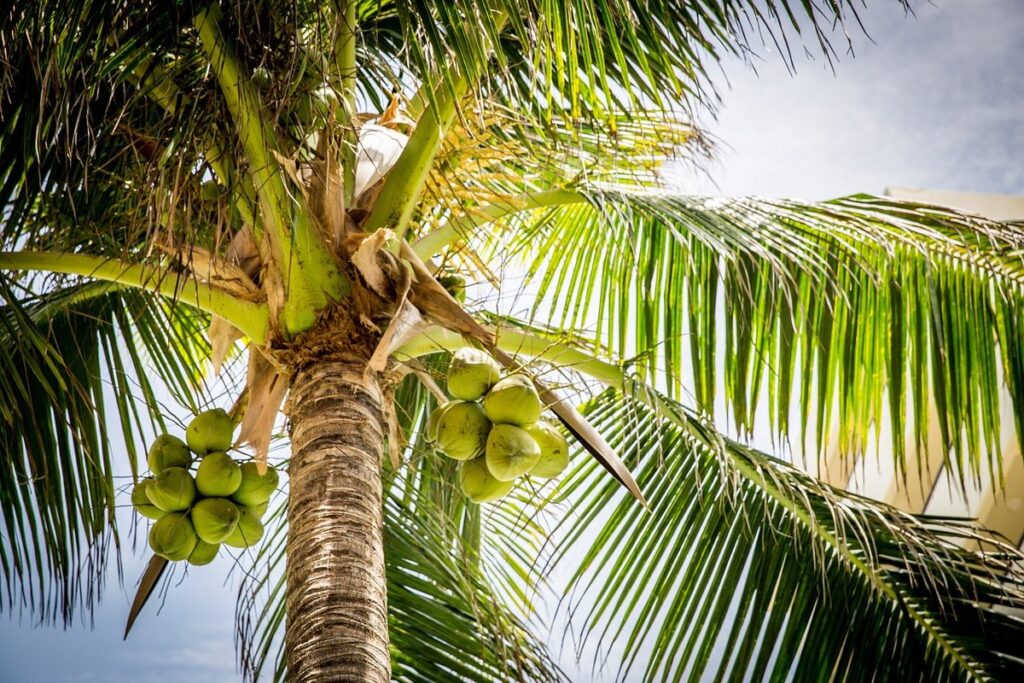
Palm tree seeds are the reproductive structures of palm trees, produced by mature palms to disperse and propagate their species. There are approximately 2,600 different species of palm trees, ranging from small undergrowth palms to large, towering species like the coconut palm.
Each species has its own unique seed characteristics, but most palm seeds share certain traits. For example, many palm seeds have a hard outer shell that protects the soft inner embryo, and they often contain a supply of stored nutrients to help support germination.
Some common types of palm tree seeds include date palm seeds, coconut palms, and palmetto seeds. Date palm seeds are relatively small, oval-shaped, and dark brown in color, while coconut palms produce larger, more elongated seeds with a distinctive “eye” at one end. Palmetto seeds, on the other hand, have a hard outer shell and a soft, white interior.
It’s worth noting that not all palm trees produce edible or palatable seeds. While some species like the coconut palm produce delicious fruit and relatively harmless seeds, others may produce seeds with toxic compounds or irritant sap. As we’ll explore later in this post, it’s essential to exercise caution when considering whether palm tree seeds are safe for your dog to eat.
Nutritional Content of Palm Tree Seeds
While discussing the safety of palm tree seeds for dogs to consume, it’s essential to understand their nutritional content and potential benefits for humans. Palm tree seeds are rich in healthy fats, proteins, and fiber, making them a nutritious snack for humans. A 100-gram serving of palm kernel seed contains approximately 660 calories, with 70% coming from fat.
The seed is an excellent source of unsaturated fatty acids, particularly oleic acid, which has been shown to have health benefits when consumed in moderation. Additionally, palm tree seeds contain essential vitamins and minerals such as vitamin E, magnesium, and potassium. In some cultures, palm kernel oil extracted from the seed is used as a cooking oil due to its high smoke point.
While these nutritional properties are beneficial for humans, it’s crucial to remember that dogs have different nutritional needs than humans. Consuming large amounts of palm tree seeds can cause digestive issues in dogs, such as diarrhea and vomiting. Always prioritize your dog’s health and consult with a veterinarian before introducing new foods or supplements into their diet.
Identifying Potential Risks for Dogs
Palm tree seeds can be hazardous to dogs if ingested in large quantities or over an extended period. One of the primary risks is the potential for digestive issues. The shells and inner workings of palm tree seeds are difficult for dogs to digest, which can lead to vomiting, diarrhea, and abdominal pain. In severe cases, a dog may experience a blockage in their intestines due to the seed’s hard outer shell.
Another concern is the presence of saponins, naturally occurring compounds found in many plant-based foods. While not usually toxic in small amounts, palm tree seeds contain higher concentrations that can cause gastrointestinal upset and potentially lead to kidney damage if consumed over time. Large breeds or older dogs are more susceptible due to their increased sensitivity to adverse effects.
If you suspect your dog has ingested palm tree seeds, monitor their behavior closely for signs of distress, such as vomiting or lethargy. If symptoms persist or worsen, consult a veterinarian immediately for guidance on the best course of action.
The Dangers of Palm Kernel Oil and Fatty Acids
While palm kernel oil can be a common ingredient in dog treats, there are some serious health risks associated with its consumption by dogs.
Research has shown that fatty acids found in palm kernel oil can lead to digestive issues and even heart problems if ingested excessively.
Toxicity and Allergic Reactions
Dogs that ingest palm kernel oil and its associated fatty acids can experience toxicity and allergic reactions. The primary culprit behind these issues is the presence of lauric acid, a medium-chain triglyceride (MCT) found abundantly in palm kernel oil. While MCTs are often touted for their health benefits, they can be problematic when ingested by dogs.
In particular, excessive consumption of lauric acid has been linked to gastrointestinal upset, including diarrhea and vomiting. If your dog eats palm tree seeds that contain high amounts of palm kernel oil, watch for signs of discomfort like lethargy or loss of appetite. In rare cases, severe toxicity can occur if the amount consumed is extremely high.
Some dog owners might be tempted to use coconut oil, which also contains lauric acid, as a safe alternative. However, coconut oil’s fatty acid composition and processing methods make it distinct from palm kernel oil. It’s crucial to consult with your veterinarian before administering any new supplement or food item to your dog, especially if you suspect exposure to palm tree seeds.
Risks Associated with Palm Kernel Oil Consumption
If you’ve been wondering whether palm kernel oil is safe for your furry friend to consume, it’s essential to understand the potential risks associated with its consumption. While palm kernel seeds themselves might not be toxic to dogs, the oil extracted from them can pose significant health threats.
Consuming palm kernel oil has been linked to various digestive issues in dogs, including vomiting, diarrhea, and abdominal pain. This is primarily due to the high levels of saturated fats present in the oil, which can cause gastrointestinal upset when ingested. In severe cases, long-term consumption may lead to pancreatitis, a painful condition that requires immediate veterinary attention.
Moreover, palm kernel oil has been found to be toxic to dogs’ livers, potentially causing liver damage and even failure if consumed excessively. This is especially concerning for breeds prone to liver issues or those with pre-existing conditions. As a responsible dog owner, it’s crucial to avoid exposing your pet to palm kernel oil at all costs. If you suspect your dog has ingested palm kernel oil, monitor their behavior closely and consult a veterinarian if symptoms persist or worsen over time.
Palm Tree Seed Composition and Its Impact on Dogs
So, what exactly is inside those palm tree seeds that might affect your furry friend? We’re diving into the seed’s composition to understand its potential impact on canine health.
Phytic Acid Content and Its Effects
Palm tree seeds contain a significant amount of phytic acid, a naturally occurring compound that can have both positive and negative effects on canine digestive health. As a dog owner, it’s essential to understand the role of phytic acid in palm tree seed composition and its potential impact on your furry friend.
Phytic acid acts as an antinutrient, binding to minerals like zinc, iron, and calcium, making them less available for absorption by the body. This can lead to mineral deficiencies if consumed excessively. However, phytic acid also has beneficial properties, such as inhibiting the growth of certain bacteria in the gut.
If you do decide to share palm tree seeds with your dog, it’s crucial to introduce them in small amounts and monitor their digestive response closely. Some dogs may experience gastrointestinal upset, while others might not react at all. A general rule of thumb is to limit phytate-rich foods like palm tree seeds to no more than 10% of your dog’s daily calorie intake.
To minimize potential adverse effects, consider the following tips:
* Start with small amounts (about 1-2 seeds per 10 pounds of body weight) and gradually increase the serving size as needed.
* Balance phytate-rich foods with a diet rich in animal-derived ingredients to offset mineral deficiencies.
* Keep an eye on your dog’s stool quality, and adjust their palm tree seed consumption accordingly.
Oxalic Acid and Other Compounds of Concern
Palm tree seeds contain not only oils and proteins but also other compounds that can be problematic for dogs if ingested. One of these compounds is oxalic acid, a naturally occurring substance found in many plant-based foods. While it’s present in small amounts in palm tree seeds, large consumption can lead to kidney damage or even failure. Other compounds present include phytic acid and palmitic acid, which can cause gastrointestinal issues like diarrhea and vomiting.
If your dog has eaten palm tree seeds, monitor their behavior closely for signs of distress such as vomiting, diarrhea, or lethargy. If you notice any unusual symptoms, seek veterinary attention immediately. In the future, it’s best to err on the side of caution and keep palm tree seeds out of reach. When enjoying a palm tree-based meal or snack, dispose of the shells responsibly.
Palm Tree Seed Safety Guidelines for Pet Owners
If you suspect your dog has ingested palm tree seeds, it’s essential to understand the risks and follow our safety guidelines to ensure a swift recovery. We’ll walk you through what to do next.
Safe Handling and Storage Practices
When handling and storing palm tree seeds, it’s essential to exercise caution to avoid accidental ingestion by your furry friend. Always wash your hands thoroughly with soap and water before and after handling the seeds to prevent any potential toxins from being transferred to your dog’s mouth or paws.
To store palm tree seeds safely, choose a container that is specifically designed for seed storage and has a secure lid to prevent spills or escape. You can also repurpose an airtight glass jar or a plastic container with a tight-fitting lid. Place the container in a high cabinet or on a shelf that’s out of your dog’s reach.
Some examples of safe locations for storing palm tree seeds include:
• On top of a kitchen cabinet
• In a pantry or cupboard
• Under the bed
Avoid storing palm tree seeds near areas where your dog spends most of its time, such as the living room or dining area. By following these simple storage guidelines and keeping the seeds out of reach, you can significantly reduce the risk of accidental ingestion by your pet.
Signs of Toxicity or Poisoning
If you suspect that your dog has ingested palm tree seeds, it’s essential to recognize the signs of toxicity or poisoning. Keep a close eye on your furry friend for these warning signals:
* Vomiting: If your dog is experiencing nausea and vomiting after eating palm tree seeds, it could be a sign of toxicity.
* Diarrhea: Loose stools or watery diarrhea can occur due to the seed’s high oil content.
* Abdominal pain: Dogs may exhibit abdominal tenderness, whimpering, or restlessness if they’re uncomfortable.
Be aware that some dogs might not show immediate symptoms. If you notice any of these signs within 24-48 hours after ingestion, contact your veterinarian immediately. In severe cases, palm tree seed consumption can lead to more serious health issues like pancreatitis, kidney damage, or even respiratory failure.
Monitor your dog’s behavior closely and watch for unusual changes in appetite, lethargy, or difficulty breathing. If you’re unsure about the severity of the situation, err on the side of caution and consult with your vet for professional guidance.
Palm Tree Seed-Related Emergencies and Treatment Options
If your dog has ingested palm tree seeds, it’s essential to know what emergency signs to look for and understand the treatment options available. We’ll walk you through both scenarios here.
What to Do in Case of an Emergency
If you suspect that your dog has ingested palm tree seeds, it’s essential to act quickly and follow these steps. First, remain calm and try to determine the amount of seeds consumed and the time frame in which they were eaten. Keep an eye on your dog for any signs of poisoning, such as vomiting, diarrhea, or lethargy.
If you notice any adverse symptoms, contact your veterinarian or a pet poison hotline immediately. The ASPCA’s 24/7 Animal Poison Control Center can be reached at (888) 426-4435 in the US. If it’s after hours, reach out to your local emergency vet services for guidance.
In the meantime, try to induce vomiting by offering a small amount of hydrogen peroxide (3% solution), but only under veterinary advice. Do not attempt to give your dog any other substances or medications without consulting with a veterinarian first. Keep in mind that prompt action and professional advice can make all the difference in treating palm tree seed-related emergencies effectively.
Veterinary Intervention and Treatment
If your dog has ingested palm tree seeds and is showing symptoms of poisoning, it’s essential to seek immediate veterinary attention. The goal of treatment will be to manage the dog’s symptoms and provide supportive care until the seeds pass through their system.
Your veterinarian may recommend inducing vomiting, but this should only be done under professional guidance as it can cause more harm than good if not done correctly. Activated charcoal may also be administered to help absorb any remaining toxins in the digestive tract.
In severe cases, hospitalization and fluid therapy may be necessary to stabilize your dog’s blood pressure and ensure they’re receiving enough oxygen. The veterinarian will closely monitor your dog’s vital signs and watch for any signs of cardiac arrest or respiratory failure.
It’s crucial to follow veterinary guidance carefully and maintain a close relationship with them throughout the treatment process. Your vet may also recommend monitoring your dog’s stool output to track the passage of seeds through their system, ensuring they’re not causing further complications.
Frequently Asked Questions
Can palm tree seeds be a one-time mistake or is it always serious?
Yes, even a small amount of palm seed consumption can cause harm to dogs. However, the severity of symptoms often depends on the amount and type of seed eaten. If your dog has ingested a few seeds, monitor their behavior closely for any signs of toxicity or allergic reactions.
How do I safely store and handle palm tree seeds in my home?
To prevent accidental ingestion, keep palm tree seeds out of reach of pets by storing them in sealed containers or hanging baskets in a secure location. Regularly inspect your storage areas to ensure no seeds have fallen into accessible spaces.
What should I do if I suspect my dog has ingested palm seed oil?
If you suspect your dog has consumed palm kernel oil, which is often used in cooking and skincare products, monitor their behavior closely for signs of toxicity or allergic reactions. If symptoms persist or worsen, consult a veterinarian immediately for proper evaluation and treatment.
How can I identify potential risks associated with palm tree seeds in my home?
Inspect your home’s storage areas, gardens, and outdoor spaces to ensure no palm trees or seeds are within reach of your pets. Regularly check your dog’s favorite spots for signs of seed-eating behavior, such as seed fragments or shell remains.
What should I do if my veterinarian recommends further testing after a suspected palm tree seed exposure?
Follow your veterinarian’s instructions and recommendations for further testing or treatment. Some cases may require blood work, urinalysis, or other diagnostic tests to determine the extent of exposure. Be sure to ask questions and seek clarification on any concerns you may have.