
If you’re like many backyard chicken keepers, you’ve probably wondered if your feathered friends can enjoy a sweet treat like mulberries. While chickens are omnivores and their diet should include a variety of fruits, vegetables, and grains, it’s essential to know the benefits and potential risks of feeding mulberries specifically. As it turns out, these juicy berries offer some surprising nutritional value for chickens, including vitamins A and C, potassium, and fiber. However, there are also some safety guidelines to consider when introducing mulberries into your flock’s diet. In this article, we’ll explore the ins and outs of feeding mulberries to your chickens, covering topics like moderation, responsible feeding practices, and expert recommendations for a balanced and healthy diet.
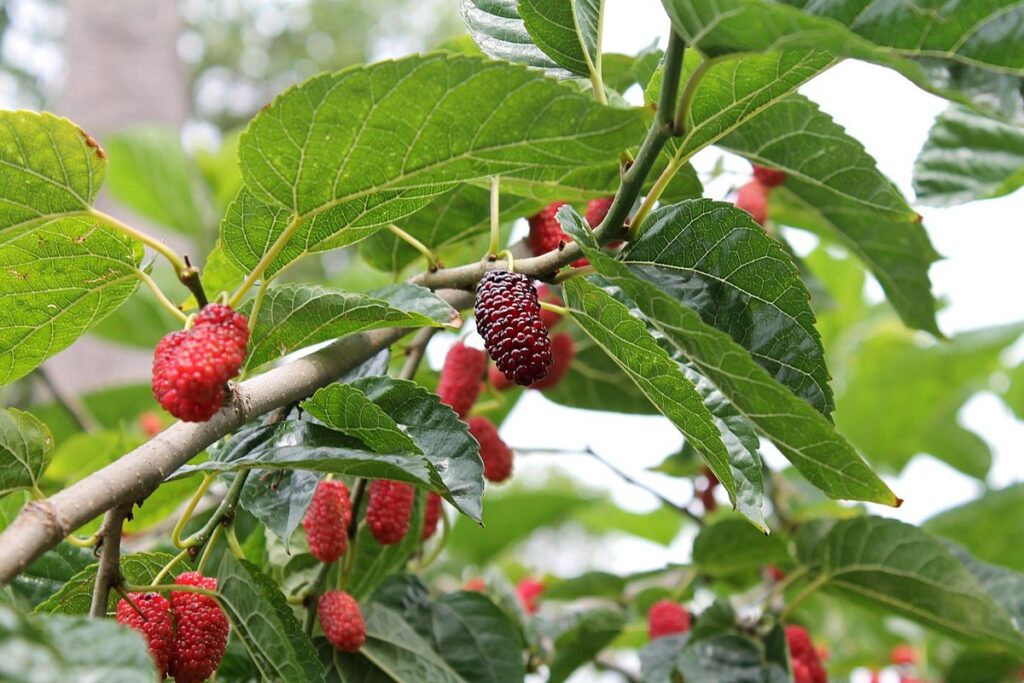
Benefits and Risks of Feeding Mulberries to Chickens
When feeding mulberries to your flock, it’s essential to weigh the benefits against potential risks to ensure a healthy and happy coop. Let’s dive into the good and the not-so-good about this sweet treat for chickens.
Nutritional Value of Mulberries for Chickens
Mulberries are a nutritional powerhouse for chickens, providing an array of essential vitamins and minerals that can significantly impact their overall health. These berries are packed with antioxidants, which help protect the birds from oxidative stress and cell damage caused by free radicals. This is particularly beneficial for chickens as they age, reducing the risk of chronic diseases such as cancer and heart conditions.
One of the key nutrients found in mulberries is vitamin C, an essential component of a chicken’s immune system. Vitamin C plays a crucial role in maintaining healthy feathers, promoting weight gain, and preventing scurvy. Mulberries are also rich in potassium, an electrolyte that helps regulate fluid balance within the body. This can be particularly beneficial for chickens that experience heat stress during hot summer months.
Feeding mulberries to your flock can be as simple as adding them to their existing diet. A general rule of thumb is to provide 1-2% of their daily caloric intake in fresh fruits and vegetables, which would translate to about 1/4 cup of mulberries per chicken per day. As with any new food introduction, it’s essential to monitor your birds’ response and adjust accordingly to ensure they are benefiting from this nutrient-rich treat without any adverse effects.
Potential Health Risks of Feeding Mulberries
While mulberries are a nutritious and tasty treat for chickens, it’s essential to be aware of some potential health risks associated with feeding them. One concern is that mulberries can cause digestive issues if fed excessively. The high fiber content and sugar levels in mulberries can lead to loose droppings, gas, and even diarrhea in some cases.
Some chickens may also experience allergic reactions or intolerance to mulberries, which can manifest as skin irritation, itching, or respiratory problems. To minimize these risks, it’s crucial to introduce mulberries gradually into your flock’s diet, starting with small amounts (about 1-2 berries per chicken) and monitoring their behavior and droppings.
Moderation is key when feeding mulberries to chickens. As a general rule of thumb, limit the amount of treats like mulberries to no more than 10% of their daily caloric intake. This will help prevent overfeeding and associated health issues.
Identifying Edible and Toxic Mulberry Varieties
To ensure your flock enjoys mulberries safely, it’s crucial to know which varieties are edible and which can be toxic to chickens. Let’s take a closer look at how to identify safe mulberry options.
Recognizing Safe Mulberry Species for Chickens
When it comes to introducing mulberries into your flock’s diet, it’s essential to recognize safe species that are suitable for consumption. Not all mulberry varieties are created equal, and some can be toxic to chickens. To ensure you’re providing a healthy snack, look for the following characteristics in a safe mulberry species:
* Berries should be medium-sized, around 1-2 cm in diameter. Avoid large berries as they may contain higher amounts of toxins.
* The color of the berry is also crucial. Opt for varieties with deep purple or dark red berries, as these tend to be sweeter and less toxic than white or pale-colored berries.
* Mulberry fragrance can be a giveaway to their toxicity level. Safe mulberries typically have a sweet, slightly earthy aroma, while toxic ones often smell sour or unpleasantly strong.
When foraging with your flock, take note of the tree’s overall health and surroundings. Healthy trees growing in rich soil tend to produce more nutritious berries.
Warning Signs of Toxic Mulberries
When it comes to foraging for mulberries with your chickens, it’s essential to be aware of the warning signs that indicate a berry is toxic. Not all mulberry varieties are safe for your flock to eat, and some can cause serious health issues if ingested.
One way to identify potentially toxic mulberries is by their shape and color. Mulberries that are more elongated or irregularly shaped, with deep purple or almost black skin, may be a sign of toxicity. These berries often have a sweet, slightly bitter taste, which can be misleading as many people assume they’re safe.
If you suspect your chickens have eaten toxic mulberries, monitor them closely for signs of illness. Potential risks include diarrhea, vomiting, and lethargy. In severe cases, eating toxic mulberries can cause kidney damage or even lead to death. To avoid this, it’s crucial to familiarize yourself with the different types of mulberry trees and bushes in your area and learn which ones are safe for your chickens to eat.
If you’re unsure whether a particular mulberry is edible, err on the side of caution and keep your chickens away from it.
Preparing and Serving Mulberries to Chickens
To safely feed mulberries to your flock, you’ll need to learn how to properly prepare them for consumption. We’ll walk through that process in detail below.
Harvesting and Cleaning Mulberries
When harvesting mulberries for your chickens, it’s essential to do so at the right time. Typically, mulberry trees produce fruit throughout the spring and summer months, but the best time to harvest is usually late morning to early afternoon when the berries are ripe and falling off the tree easily. This ensures you’re picking the sweetest and most nutritious berries for your flock.
To clean the harvested mulberries, gently rinse them with cool water to remove any dirt or debris. Then, use a soft-bristled brush to remove any remaining stems or leaves. You can also soak the berries in cold water for about 30 minutes to loosen any stubborn dirt or impurities.
When cleaning and preparing mulberries, it’s crucial to avoid washing them excessively as this can cause the berries to become mushy and lose their nutritional value. Also, make sure to check each berry carefully for any signs of mold or rot before serving them to your chickens. This simple process will help keep your flock healthy and happy, and ensure they get the most out of these delicious and nutritious treats.
Feeding Methods and Frequency
When it comes to feeding mulberries to your flock, you have several options. One of the most obvious is to offer them fresh, right from the tree. Simply pluck a few ripe mulberries and place them in their coop or run. This is a great way to provide variety and excitement for your chickens.
However, there are other ways to make sure they’re getting enough mulberry goodness year-round. You can also store fresh mulberries in an airtight container or freezer bag and thaw as needed. This method is especially useful if you have a large quantity of mulberries or want to provide a nutritious treat during the winter months.
When it comes to incorporating mulberries into their regular feed, there are a few things to consider. A general rule of thumb is to limit their intake to 1-2 cups per week, depending on the size and breed of your flock. You can mix in dried or frozen mulberries with their commercial feed, or add them as a treat to their mealtime routine.
As for how often you should offer mulberries, a good starting point is 2-3 times per week. This allows your chickens to enjoy the benefits without overdoing it and potentially causing digestive issues.
Interactions with Medications and Health Conditions
When it comes to feeding mulberries to your flock, understanding their potential impact on medications and health conditions is crucial for keeping your chickens safe. We’ll explore some essential considerations here.
Chicken Health Conditions Affected by Mulberry Consumption
If you’re considering adding mulberries to your chickens’ diet, it’s essential to be aware of potential interactions with certain health conditions. Some chicken owners have reported that their birds experience gastrointestinal issues when consuming large quantities of mulberries.
This is because the anthocyanins present in mulberries can be difficult for some chickens to digest. As a result, they may experience diarrhea, vomiting, or even develop kidney disease over time. For example, one study found that chickens fed a diet high in mulberry extract developed significant kidney damage.
If your flock is prone to gastrointestinal issues or kidney disease, it’s crucial to introduce mulberries gradually and monitor their health closely. Start by mixing a small amount of mulberry into their regular feed to gauge their reaction. You can also try offering fresh mulberries as an occasional treat in moderation. However, if you notice any adverse effects, such as watery droppings or lethargy, discontinue mulberry consumption immediately and consult with a veterinarian for guidance.
Impact on Medication Absorption
When considering the potential effects of mulberry consumption on medication absorption in chickens, it’s essential to understand that this interaction can be complex. Mulberries are a nutrient-rich food source for poultry, but they can also impact the way certain medications are absorbed by the body.
Some antibiotics, such as amoxicillin and tetracycline, may bind to the calcium or iron present in mulberries, potentially reducing their effectiveness. This is particularly concerning if your flock requires medication for infections or diseases. To minimize this risk, it’s crucial to separate feeding times between medicated feed and fresh fruits like mulberries.
On the other hand, some vitamins such as vitamin C are water-soluble and generally considered safe for consumption in conjunction with mulberries. However, excessive intake of vitamin C can lead to kidney damage or other adverse effects. Monitor your flock’s overall health and adjust their diet accordingly to avoid any potential interactions.
In conclusion, while mulberries offer numerous benefits to chickens, it’s vital to be aware of the potential risks associated with medication absorption. Always consult a veterinarian for personalized advice on incorporating fresh fruits into your flock’s diet, especially when medicated feed is involved.
Conclusion and Recommendations
Now that we’ve explored whether chickens can safely enjoy mulberries, it’s time to summarize our findings and share some recommendations for your feathered friends. Let’s review what you should know about feeding them mulberries!
Summary of Key Points
In conclusion to our discussion on feeding mulberries to chickens, here are the key takeaways that you should remember:
When it comes to introducing mulberries into your flock’s diet, moderation is key. Mulberries can be a nutritious and tasty treat for your chickens, providing essential vitamins A and C, potassium, and fiber. However, excessive consumption can lead to an imbalance in their digestive system.
As we discussed earlier, mulberries are high in sugar content, which means that they should be fed in limited amounts to prevent insulin resistance and other health issues. It’s also crucial to introduce mulberries gradually into your chickens’ diet to avoid any digestive upset.
To safely feed mulberries to your flock, follow these guidelines: only provide them as an occasional treat, limit the amount to 1-2 berries per chicken per day, and ensure that your chickens have access to fresh water at all times. By following these simple steps, you can enjoy sharing this nutritious fruit with your feathered friends while maintaining their overall health and well-being.
Final Tips for Responsible Mulberry Feeding
When feeding mulberries to your chickens, remember that moderation is key. Even though they’re nutritious and delicious, overconsumption can lead to an imbalance of electrolytes, causing leg weakness, and even paralysis. To avoid this, introduce mulberries gradually, starting with a small amount (about 1-2 berries per chicken) and monitor their behavior.
Also, consider your flock’s individual needs. For example, chickens that are molting or have health issues might require a more balanced diet to compensate for the lack of essential nutrients in mulberries. On the other hand, those that are laying eggs at an optimal rate can benefit from the antioxidant properties found in mulberries.
To make responsible feeding decisions, keep track of your flock’s eating habits and adjust their diet accordingly. Make sure they always have access to fresh water and a balanced layer feed or starter feed as the primary source of nutrition. This way, you’ll be able to enjoy watching your chickens relish in the sweetness of mulberries while ensuring their overall health remains top-notch.
Frequently Asked Questions
Can I feed mulberries to my chickens if they have a history of respiratory issues?
When feeding mulberries to your flock, especially those with pre-existing health conditions, it’s crucial to monitor their behavior and watch for any signs of distress. While mulberries are generally safe, excessive consumption or individual sensitivities might exacerbate respiratory issues. Start by introducing small amounts and observe your chickens closely.
How do I know if the mulberries on my tree are edible for my chickens?
When harvesting mulberries for your flock, it’s essential to identify non-toxic varieties. Focus on white or red mulberry species (Morus alba or Morus rubra), as these are considered safe for chickens. Avoid black mulberries (Morus nigra), which may contain toxic compounds.
Can I feed mulberries to my chickens daily, or is it recommended to limit the frequency?
While mulberries offer nutritional benefits, overfeeding can lead to an imbalanced diet. Limit feeding mulberries as a treat, ideally 1-2 times a week, and ensure your flock’s regular diet remains nutrient-rich.
How should I store mulberries after harvesting to keep them fresh for my chickens?
To maintain the freshness and quality of mulberries, store them in an airtight container, such as a glass jar or plastic bag. Keep the berries refrigerated at a temperature below 40°F (4°C) to prolong their shelf life.
Can I feed mulberries to baby chicks, or are they more suitable for adult chickens?
Baby chicks require a balanced starter diet that includes nutrients essential for growth and development. Mulberries can be introduced as an occasional treat once your chicks have reached about six weeks old and their digestive system is more mature.