
Feeding your backyard flock a variety of fruits can be a fun and rewarding experience for both you and your chickens. But have you ever wondered if mango is safe for them to eat? Not only does it sound like a tasty treat, but it also boasts impressive nutritional benefits that could boost their overall health. However, there’s a catch – with great rewards comes great responsibility. As with any new food introduction, it’s essential to understand the potential risks of allergy and disease.
In this article, we’ll delve into the world of mango feeding for chickens, exploring its safety, nutritional value, and what you can do to minimize any adverse effects. We’ll also discuss how to introduce mango into your flock’s diet safely, including guidelines on portion sizes and preparation methods. Whether you’re a seasoned chicken keeper or just starting out, by the end of this article, you’ll be equipped with all the knowledge you need to confidently feed mango to your feathered friends.
Benefits of Fruits in Chicken Diet
Adding fruits like mango to your chicken’s diet can have numerous benefits for their health and wellbeing, from boosting energy levels to supporting immune function.
Why Fruits are Essential for Chickens
When it comes to providing your chickens with a balanced and nutritious diet, fruits play a crucial role. Not only do they add variety and flavor to their meals, but they also offer a wealth of essential nutrients that can help promote overall health and well-being.
One of the most significant benefits of fruits in a chicken’s diet is their high water content. Fresh fruits are made up of approximately 80-90% water, making them an ideal way to keep your chickens hydrated, especially during hot summer months or when they’re engaging in physical activities like foraging or egg-laying.
Fruits are also rich in vitamins and minerals that are essential for maintaining a healthy flock. For example, berries are packed with vitamin C, which is vital for immune function, while citrus fruits like oranges and lemons are high in vitamin A, an antioxidant that helps protect against cell damage.
Incorporating fruits into your chicken’s diet is simple – just be sure to introduce them gradually to prevent digestive upset. Start by offering a small amount of fresh fruit, such as chopped apples or sliced bananas, mixed with their regular feed.
Types of Fruits Suitable for Chickens
Chickens are natural foragers and love to peck at fresh fruits. Not all fruits are created equal, however, and it’s essential to provide your flock with the right options to ensure their health and well-being. Berries are an excellent choice, as they’re packed with antioxidants, vitamins, and minerals. Strawberries, blueberries, raspberries, and blackberries are all safe for chickens to eat.
Apples are another great option, but be sure to remove seeds and cores, as they contain a compound called amygdalin, which can release cyanide when ingested. A few slices of apple per day will provide your flock with fiber, vitamins, and a hint of sweetness.
Bananas are also a treat for chickens, but offer them in moderation due to their high sugar content. Cut up a banana into bite-sized pieces or mash it up for a tasty addition to their meal. Some other fruits you can try feeding your chickens include melons, grapes (cut up to prevent choking), and citrus fruits like oranges and lemons.
Can Chickens Eat Mango Specifically?
Now that we’ve covered the basics, let’s dive into whether mango is a safe and healthy treat for your feathered friends to enjoy. We’ll examine if mango is beneficial or even toxic to chickens.
Nutritional Value of Mango for Chickens
Mango is an excellent addition to a chicken’s diet, providing numerous nutritional benefits that can enhance their overall health and well-being. One of the key advantages of feeding mango to chickens is its high content of vitamin A, which plays a crucial role in maintaining healthy vision, immune function, and skin integrity.
In fact, mango contains approximately 50% more vitamin A than oranges, making it an excellent source for this essential nutrient. Additionally, mango is also rich in vitamin C, another vital component that helps to boost the chicken’s immune system and protect against diseases. Potassium is yet another essential nutrient found abundantly in mango, contributing significantly to maintaining healthy muscle function and nerve transmission.
Including mango in your chicken’s diet can be as simple as adding a few slices or chunks to their feed on a regular basis. A good rule of thumb is to offer about 1-2% of the total feed as fresh fruits, like mango. This will provide your chickens with an adequate amount of nutrients without overloading them.
It’s also worth noting that you can prepare mango in various ways to make it more appealing and nutritious for your chickens. For example, you can mix diced mango with their regular feed or create a fruity treat by blending ripe mango with yogurt or oatmeal.
Precautions When Feeding Mango to Chickens
When it comes to feeding mango to chickens, there are some potential risks to be aware of. As we’ve discussed earlier, mango is a nutritious and delicious treat for chickens, but its high sugar content can be problematic if not managed properly.
Mango contains fructose, a simple sugar that can contribute to digestive issues in chickens. A sudden or excessive intake of mango can lead to an imbalance of gut bacteria, causing diarrhea, vomiting, or even lethargy. To avoid this, introduce mango slowly and in moderation as part of a balanced diet.
Another concern is the potential for allergy or intolerance. Just like humans, some chickens may develop sensitivity to certain ingredients in mango, such as latex proteins or other allergens. Monitor your flock closely after introducing mango into their diet, watching out for signs of discomfort, skin issues, or respiratory problems.
To keep things safe and enjoyable, follow these guidelines: start with small amounts (about 1-2% of the daily feed), introduce new fruits gradually, and be mindful of any adverse reactions. By taking these precautions, you can enjoy sharing mango treats with your feathered friends while maintaining their overall health and well-being.
Tips for Feeding Mango to Chickens Safely
When introducing mango to your flock, it’s essential to follow some guidelines to ensure their safety and health. Next, we’ll cover specific tips for feeding mango to your chickens safely.
Amount and Frequency Guidelines
When feeding mango to chickens, it’s essential to follow some guidelines on the amount and frequency to avoid overfeeding. A general rule of thumb is to offer 1-2% of their daily feed intake as treats, which translates to about 1-2 tablespoons per pound of body weight for a standard layer breed.
For example, if you have a flock of 20 hens weighing around 4 pounds each, you can give them about 8 ounces (or 16 tablespoons) of mango per day. However, this amount can vary depending on the age and size of your birds.
Chicks under six weeks old should not be given any mango at all due to their sensitive digestive systems. For young pullets, start with small amounts (about 1/4 teaspoon per pound of body weight) and gradually increase as they mature.
It’s also crucial to consider the breed of your chickens. Some breeds, like Silkies or Bantams, are more prone to obesity, so monitor their intake closely. Additionally, if you have hens that are laying eggs frequently, you may need to adjust their mango allowance to prevent overfeeding and potential eggshell quality issues.
Preparing Mango for Chicken Consumption
When preparing mango for your chickens to eat, it’s essential to ensure that the fruit is safe and healthy for them. First, wash the mango thoroughly with clean water to remove any dirt, bacteria, or pesticides that may be present on its surface. This step is crucial to prevent any potential health issues in your flock.
Next, peel the mango, as the skin can be difficult for chickens to digest. You can use a vegetable peeler or simply slice off both ends of the fruit and score it lengthwise, then peel off the skin in large pieces.
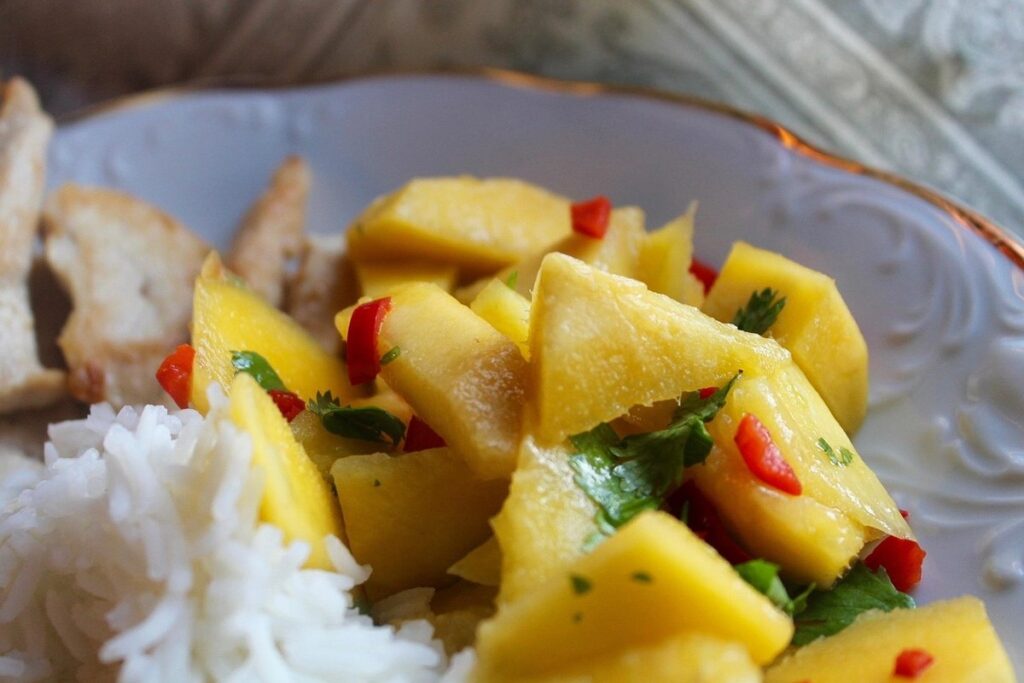
Once peeled, chop the mango into manageable pieces that are easy for your chickens to eat. Cut the flesh into small cubes or slices, depending on their age and size. Younger chickens may prefer smaller pieces, while older hens can handle larger chunks.
Remember to also remove any seeds, as they can be a choking hazard for your birds.
Health Benefits of Mango in Chicken Diet
If you’re considering adding mango to your chicken’s diet, you’ll want to know how it can benefit their health. We’ll explore the potential advantages of feeding mango to your flock.
Vitamin A Content and its Importance
Mango is an excellent treat for chickens, but it’s not just its sweet taste and juicy texture that make it a great addition to their diet. One of the key reasons why mango is so beneficial for chickens is due to its rich content of vitamin A.
Vitamin A plays a crucial role in maintaining healthy vision in chickens. It helps to prevent issues such as night blindness, which can cause problems with egg-laying and overall health. In fact, studies have shown that hens fed diets supplemented with vitamin A produce more eggs and have improved fertility rates compared to those without the supplement.
In addition to its benefits for vision, vitamin A also supports immune function in chickens. This is especially important during times of stress or illness when their bodies need all the help they can get. By providing your flock with a steady supply of vitamin A through mango, you’ll be helping them stay healthy and resilient.
As an added bonus, vitamin A also plays a role in maintaining skin health in chickens, helping to prevent issues such as dryness and flakiness. So next time you’re preparing a treat for your feathered friends, consider adding some sliced mango to the mix – it’s a delicious way to give them a nutrient boost!
Reduced Risk of Disease with Regular Mango Consumption
Regular consumption of mangoes has been linked to several potential health benefits for chickens. One notable advantage is its potential to reduce the risk of respiratory infections. Mangoes contain a high amount of vitamin C and other antioxidants that can help boost the immune system, making it easier for birds to fight off pathogens. By incorporating mango into their diet on a regular basis, you may notice a decrease in instances of respiratory issues.
In addition to reducing disease risk, regular mango consumption is also associated with improved overall well-being in chickens. The high water content and easily digestible fiber in mango can help maintain proper digestive health. This can lead to more efficient nutrient absorption, a vital aspect of maintaining optimal health in birds.
Potential Risks and Allergies Associated with Mango Consumption
When feeding your flock mango, it’s essential to be aware of potential risks, such as allergic reactions or digestive issues that can arise from consumption. Let’s explore these concerns together!
Common Symptoms of Mango Allergy in Chickens
If you notice that your chicken is experiencing symptoms after consuming mango, it could be a sign of an allergy. One common symptom of a mango allergy in chickens is skin irritation. You may observe redness, inflammation, or even open sores on your bird’s skin.
Another symptom to look out for is diarrhea. This can range from mild loose stools to severe watery diarrhea that may lead to dehydration if left untreated. If you notice any changes in your chicken’s stool or overall behavior, it’s essential to investigate the cause and adjust their diet accordingly.
Lethargy is another sign of a mango allergy in chickens. They might appear sluggish, reluctant to move around, or even show signs of depression. Monitor your bird’s behavior closely, as lethargy can be an indicator of more severe health issues.
If you suspect that your chicken has a mango allergy, it’s crucial to discontinue feeding them the fruit and consult with a veterinarian for proper guidance on managing their diet. Keep in mind that allergies can manifest differently across breeds and individual birds, so being vigilant is key to maintaining your flock’s health.
How to Identify and Manage an Allergic Reaction
If you’re considering adding mango to your chicken’s diet, it’s essential to be aware of potential allergic reactions. While rare, some chickens may develop an allergy to mango, which can manifest as skin irritation, respiratory issues, or even anaphylaxis in severe cases.
To identify an allergic reaction, monitor your flock for signs such as excessive scratching, redness around the eyes, and difficulty breathing. If you notice any of these symptoms after introducing mango into their diet, consult with a veterinarian immediately. In some instances, chickens may exhibit behavioral changes like lethargy or loss of appetite due to discomfort.
If an allergic reaction is confirmed, manage it by removing mango from your chicken’s diet and providing an alternative fruit or treat. Consider incorporating allergy-friendly fruits like berries, apples, or pears into their meals instead. Always introduce new foods gradually to prevent overwhelming your flock’s digestive system. Regular veterinary check-ups will help you detect potential allergies early on, ensuring the health and well-being of your feathered friends.
Conclusion and Final Recommendations
Now that you’ve learned all about feeding mango to your feathered friends, let’s summarize what we’ve discussed and provide some final advice for a happy flock.
Recap of Key Takeaways
In conclusion, it’s been exciting to explore the possibility of adding mango to your chickens’ diet. To recap, we’ve covered essential points that will help you introduce this nutritious fruit safely and responsibly.
One key takeaway is that mango can be a valuable addition to your chicken’s diet when done correctly. Rich in vitamins A and C, potassium, and fiber, mango can provide several health benefits for your flock. However, it’s crucial to remember that moderation is key – overconsumption of mango or other fruits can lead to digestive issues.
We also discussed the importance of proper ripeness and preparation before offering mango to your chickens. Make sure to choose ripe but firm mangoes, wash them thoroughly, and remove any seeds or pits to avoid choking hazards.
Incorporating a variety of fruits like mango into their diet can help maintain healthy gut bacteria and support immune function in your flock. By following these guidelines and introducing fruits responsibly, you’ll be able to provide your chickens with essential nutrients while minimizing potential risks.
Final Tips for Incorporating Mango into Your Chicken’s Diet
When incorporating mango into your chicken’s diet, remember that moderation is key. Start by offering small amounts, about 1-2 teaspoons per pound of body weight, to gauge their tolerance and reaction. Some chickens may not like the taste or texture, so don’t force it.
To make mango a more appealing option for your flock, try mixing it with other fruits or vegetables they enjoy. This will help them develop a taste for the sweetness and flavor of mango without overwhelming them. You can also puree ripe mango and add it to their feed or water to make it easier for them to digest.
Be mindful of the ripeness level when giving mango to your chickens. Green, unripe mango is not safe for consumption as it contains high levels of urushiol, a compound that can cause skin irritation in humans and potentially harm birds. Stick to ripe, yellow mango for a safe and healthy treat.
Frequently Asked Questions
What if I notice my chicken has a mango allergy, but it’s mild? Can I still feed them mango occasionally?
Yes, if your chicken has a mild mango allergy, you can try reintroducing small amounts of mango under close observation. However, be cautious and monitor their behavior and health closely for signs of an allergic reaction.
How do I store leftover mango to keep it fresh for my chickens?
To keep leftover mango fresh, store it in an airtight container in the refrigerator at a temperature below 40°F (4°C). You can also freeze chopped or pureed mango for future use. Always wash and dry the fruit before storing.
Can I feed my chickens mango leaves as well as the fruit itself?
Yes, chicken-safe mango leaves can be fed to your flock, but ensure they’re fresh and free of any pests or diseases. Introduce them in small amounts to prevent digestive upset. Mango leaves are rich in fiber and other nutrients that can complement their diet.
What if I notice a sudden drop in my chickens’ egg production after introducing mango into their diet?
A sudden drop in egg production could be due to various reasons, including the introduction of new foods like mango. Monitor your flock’s overall health, adjust portion sizes or frequency, and consult with a veterinarian for personalized advice.
Can I give mango juice to my chickens instead of feeding them whole fruit or leaves?
No, it’s not recommended to feed mango juice to your chickens. It lacks essential fiber and nutrients found in the whole fruit and can lead to digestive issues. Focus on offering fresh, chopped, or pureed mango for optimal nutrition and health benefits.