
If you’re considering adding some extra protein to your flock’s diet, you may have come across chickpeas as a popular option. But can chickens eat chickpeas safely? Before you start dishing out these tasty legumes to your feathered friends, it’s essential to weigh the benefits and risks. Chickpeas are a rich source of nutrients, including protein, fiber, and minerals like potassium and iron – making them an attractive addition to a chicken’s diet. However, there’s also the possibility of digestive issues if fed in excess or without proper preparation. In this article, we’ll explore the nutritional value of chickpeas for chickens, potential health risks, and provide guidance on safe levels of consumption. By the end of it, you’ll have a better understanding of whether chickpeas are a good fit for your flock’s meals.
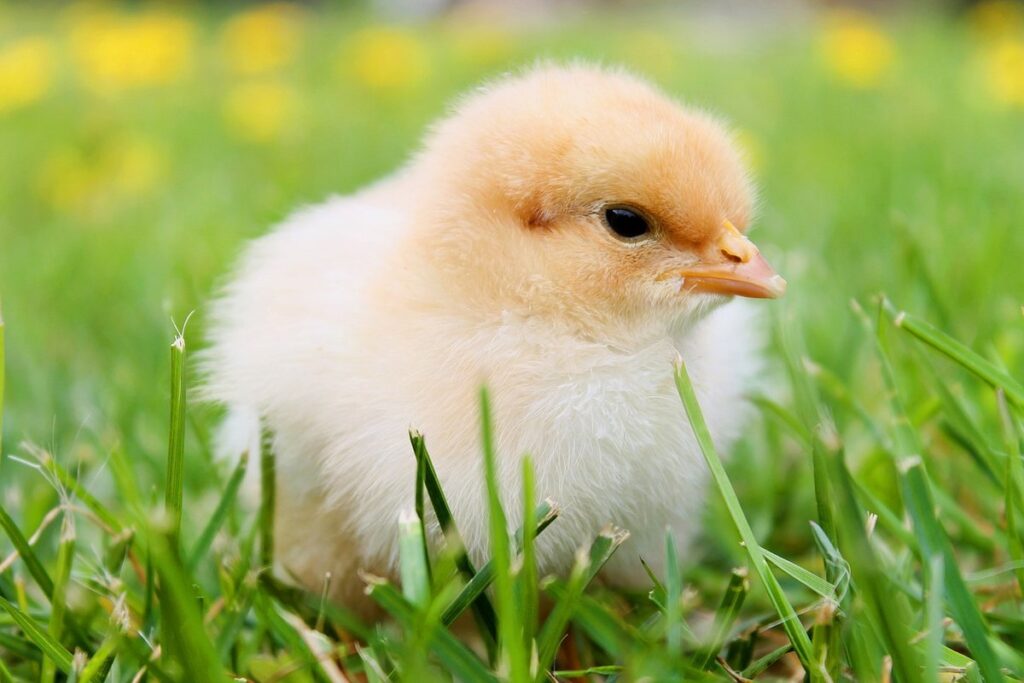
Benefits and Risks of Feeding Chickpeas to Chickens
Feeding chickpeas to your flock can have both positive effects on their health and potential drawbacks that you should be aware of. Let’s explore the benefits and risks together.
Nutritional Value of Chickpeas for Chickens
Chickpeas are an excellent addition to a chicken’s diet due to their impressive nutritional profile. Not only do they provide a good source of protein, but they’re also rich in fiber, which is essential for maintaining healthy digestion and supporting the growth of beneficial gut bacteria.
One cup of cooked chickpeas contains about 15 grams of protein, making them an ideal supplement to a chicken’s regular feed. This amount of protein can help support muscle development, particularly in young chickens or those that are under stress due to illness or environmental factors.
In addition to their high protein content, chickpeas are also rich in vitamins and minerals such as folate, iron, magnesium, and zinc. These nutrients play a crucial role in maintaining overall health, supporting immune function, and regulating blood sugar levels.
To incorporate chickpeas into your chicken’s diet, simply add them to their feed or mix them with other grains like oats or barley. A good starting point is to offer 1-2 tablespoons of cooked chickpeas per pound of food per day.
Potential Health Risks Associated with Chickpea Consumption
While chickpeas are a nutritious and healthy addition to a chicken’s diet, there are potential health risks associated with their consumption if not managed properly. One of the main concerns is digestive issues. Chickpeas contain complex sugars that can be difficult for chickens to digest, leading to symptoms like diarrhea, gas, and bloating. This can be especially problematic in chicks or young pullets whose digestive systems are still developing.
Another potential issue is allergies or sensitivities. Some chickens may develop an intolerance to chickpeas, which can manifest as skin problems, respiratory issues, or even organ damage. It’s essential to monitor your flock for any adverse reactions and introduce chickpeas gradually into their diet.
To minimize the risk of nutrient imbalances, it’s crucial to balance chickpea consumption with a balanced layer feed. Chickpeas are high in protein and fiber but low in certain nutrients like calcium and phosphorus. Make sure to provide supplements or other nutrient-rich foods to maintain optimal health. Start by offering small amounts (about 1-2% of their daily diet) and adjust as needed based on your flock’s response.
Can Chickens Digest Chickpeas?
When it comes to adding chickpeas to your flock’s diet, one crucial question is whether chickens can even digest these tasty legumes. Let’s explore their ability to break down chickpeas.
Chickens’ Ability to Break Down Protein in Legumes
Chickens have an impressive ability to break down protein from legume sources like chickpeas. This is due to a unique enzyme called beta-glucosidase, which helps release the protein’s building blocks for absorption. When fed chickpeas, chickens’ small intestines will extract these amino acids and use them as energy or store them in their bodies.
However, not all legumes are created equal when it comes to digestibility. Chickpeas contain a compound called raffinose, which can be difficult for some chickens to break down. This may lead to gas production and discomfort in the bird. On the other hand, soybeans have been shown to be more easily digested due to their higher concentration of protein-digesting enzymes.
As a chicken owner, it’s essential to introduce legumes gradually into your flock’s diet to avoid digestive issues. A 20% inclusion rate of chickpeas is generally recommended to prevent overexposure and ensure optimal digestion. You can start by mixing small amounts with their regular feed, observing their response, and adjusting as needed.
Impact of Cooking on Chickpea Digestibility for Chickens
When cooking chickpeas for your chickens, you may wonder if it affects their digestibility. Research suggests that cooking and sprouting can indeed impact the way chickens process chickpeas.
Cooking chickpeas has been shown to increase their starch availability, making them easier to digest for chickens. This is because heat breaks down some of the complex carbohydrates in chickpeas, turning them into simpler sugars. For example, a study found that cooking chickpeas resulted in a 10% increase in starch extraction by chickens. However, overcooking can lead to a loss of essential nutrients and fiber.
Sprouting chickpeas, on the other hand, activates enzymes that break down some of their complex compounds, making them more accessible to chicken digestive systems. This process can increase the bioavailability of proteins, vitamins, and minerals in chickpeas. To sprout chickpeas, simply soak them in water for 24 hours, then transfer them to a warm, humid environment (around 70-80°F) for 2-3 days.
Feeding Chickpeas as a Supplement: Dosage and Guidelines
When it comes to incorporating chickpeas into your flock’s diet, knowing the right dosage is crucial for their health. We’ll walk you through safe guidelines for supplementing chickpeas into their regular meals.
Safe Levels of Chickpea Consumption in Chicken Diets
When it comes to incorporating chickpeas into your chicken’s diet, it’s essential to consider their individual needs and limitations. Chickpeas are a nutritious and protein-rich addition, but overconsumption can lead to digestive issues and other health problems.
As a general rule, start by introducing small amounts of chickpeas (about 1-2% of their daily feed) and gradually increase the amount as needed. For young chicks, a maximum of 5% of their diet should consist of chickpeas. For adult chickens, this can be increased to 10%. However, these numbers are merely guidelines, and you should adjust based on your flock’s specific needs.
For example, if you’re raising laying hens, they may require more protein-rich foods like chickpeas to support egg production. On the other hand, if you have chickens with sensitive stomachs or allergies, it’s best to start with even smaller amounts (0.5-1%) and monitor their response closely.
Remember that every chicken is unique, so keep a close eye on your flock’s behavior, egg production, and overall health when introducing chickpeas into their diet.
Tips for Introducing Chickpeas into Your Flock’s Diet
When introducing chickpeas as a supplement to your flock’s diet, it’s essential to do so gradually to prevent digestive upset. Start by mixing a small amount of cooked chickpeas into their regular feed, about 1-2 tablespoons per bird per day. Observe your chickens’ behavior and stool quality closely for the next few days.
If you notice any signs of discomfort, such as diarrhea or vomiting, reduce the amount or discontinue use altogether. Conversely, if they seem to be thriving on the chickpeas, you can gradually increase the serving size over time. Remember to provide fresh water at all times, especially when introducing new foods.
To further minimize potential risks, consider starting with a small group of birds and monitor their response before expanding to the entire flock. Also, ensure that the chickpeas are cooked thoroughly to avoid any potential health issues associated with raw or undercooked beans. By following these guidelines, you can safely incorporate chickpeas into your chickens’ diet and reap their nutritional benefits.
Can Chickens Eat Cooked or Sprouted Chickpeas?
Now that we’ve covered raw chickpeas, let’s dive into the world of cooked and sprouted chickpeas – can your flock safely enjoy them too?
Cooking or Soaking: Does it Matter for Chickens?
When it comes to feeding cooked or sprouted chickpeas to chickens, some backyard flock owners might wonder if cooking or soaking these legumes makes a difference in their digestibility. The answer lies in the nutrient availability and absorption for our feathered friends.
Raw chickpeas contain anti-nutrients like phytic acid, which can inhibit mineral absorption and make it challenging for chickens to digest them. Cooking or sprouting chickpeas can break down some of these anti-nutrients, making their nutrients more accessible to chickens. However, overcooking can lead to a loss of valuable vitamins and minerals.
In general, lightly cooked or sprouted chickpeas are the best option for feeding your flock. Soaking raw chickpeas overnight and then cooking them until tender is an easy way to increase nutrient availability. For example, you could soak 1 cup of chickpeas in water for about 8 hours before rinsing and cooking them with some vegetables or herbs for added flavor and nutrition.
When incorporating cooked or sprouted chickpeas into your flock’s diet, start with small amounts (about 10% of their daily feed) to ensure they can tolerate the new food. Monitoring your chickens’ behavior and droppings will help you determine if they’re digesting these legumes well.
Safety Precautions When Feeding Cooked or Sprouted Chickpeas
When feeding cooked or sprouted chickpeas to your flock, it’s essential to exercise caution and consider potential allergies or sensitivities. Chickens, like humans, can develop intolerances to certain foods, including legumes like chickpeas. Allergic reactions can manifest as respiratory issues, skin irritation, or even anaphylaxis in severe cases.
Before introducing cooked or sprouted chickpeas into your flock’s diet, monitor their behavior and health closely. Watch for signs of discomfort, such as lethargy, diarrhea, or vomiting. If you notice any adverse reactions, remove the chickpeas immediately and consult with a veterinarian.
To minimize risks, start by offering small amounts (about 1-2% of their daily diet) to see how your flock reacts. You can also consider mixing cooked or sprouted chickpeas with other foods to dilute potential allergens. Keep in mind that individual chickens may have unique sensitivities, so it’s crucial to observe and adjust accordingly.
If you’re unsure about introducing chickpeas or notice any adverse reactions, err on the side of caution and stick to their regular diet. Prioritizing your flock’s health and well-being is essential when exploring new food options.
Comparing Chickpeas with Other Protein Sources in Chicken Feed
Let’s compare chickpeas to other popular protein sources commonly used in chicken feed, such as soybeans and peas, to determine their nutritional value. This comparison will help you make informed decisions for your flock.
Comparison of Nutritional Value between Chickpeas and Traditional Proteins
When it comes to comparing chickpeas with traditional protein sources like soybeans and corn, their nutritional profiles reveal some interesting differences. Chickpeas are a nutrient-dense legume that’s rich in protein (about 15 grams per cup), fiber, vitamins, and minerals. In comparison, soybeans pack around 29 grams of protein per cup, but have lower levels of certain B vitamins.
Corn, on the other hand, is relatively low in protein (around 3 grams per cup) and high in carbohydrates. However, it’s also a good source of fiber and various B vitamins. When fed to chickens, these differences can impact their overall health and well-being. For instance, feeding chickens soybeans as the primary protein source may lead to an imbalanced diet if not supplemented with other nutrients.
To make a fair comparison, consider that chickpeas have a higher phosphorus content than both soybeans and corn. This is important for chickens, as excessive phosphorus can cause kidney damage over time. If you do choose to feed your flock soybeans or corn, ensure they’re balanced with other nutrient-rich ingredients to avoid any potential health issues.
Considerations for Using Chickpeas as a Replacement or Supplement
When considering using chickpeas as a replacement or supplement to traditional protein sources in chicken feed, there are several scenarios where this may be beneficial or necessary. For instance, if you’re looking for an alternative to expensive commercial pellets, chickpeas can be a cost-effective option.
In regions where food waste and scraps are abundant, using chickpeas can help reduce waste and make the most of available resources. Chickpea production is also environmentally friendly, requiring less land, water, and pesticides compared to traditional livestock feed sources like soybeans or corn.
If you’re raising chickens for a specific breed or purpose, such as laying hens or meat birds, using chickpeas can provide them with essential nutrients that promote healthy growth and development. However, it’s crucial to ensure that the chickpeas are properly processed, stored, and incorporated into the feed mix to avoid digestive issues.
To successfully integrate chickpeas into your flock’s diet, start by incorporating a small amount (about 10% of their total protein intake) and monitor their health and performance. Gradually increase the proportion as needed, making sure to balance the nutrient profile with other ingredients in their feed.
Common Questions and Misconceptions about Feeding Chickpeas to Chickens
One of the most common concerns we get asked is whether chickpeas are safe for chickens to eat, so let’s clear up some misconceptions. We’ll tackle the most frequently asked questions about feeding chickpeas to your flock.
Debunking Myths and Misinformation about Chickpea Consumption
When it comes to feeding chickpeas to chickens, there are several common misconceptions that need to be addressed. One of the biggest myths is that chickpeas are toxic to chickens. This likely originated from the fact that some birds can experience digestive issues if they eat too many beans in one sitting. However, moderate consumption of chickpeas is perfectly safe for chickens.
Another myth is that chickpeas are low in nutritional value and should be avoided as a treat. While it’s true that chickpeas don’t provide a complete protein source on their own, they do contain essential amino acids like lysine and arginine. When fed in moderation, chickpeas can actually provide a boost to your chicken’s overall nutrition.
It’s also worth noting that some people believe that chickpeas are difficult for chickens to digest due to their high fiber content. However, research has shown that most chickens have no problem breaking down the complex carbohydrates found in chickpeas.
Q&A Section: Frequently Asked Questions about Chickpeas in Chicken Feed
If you’re considering adding chickpeas to your chicken’s diet, you likely have some questions about this new food source. Let’s tackle some of the most frequently asked questions regarding chickpeas as a supplement for your flock.
Can chickpeas cause bloating or gas in my chickens? Chickpeas are high in fiber and protein, which can sometimes lead to digestive issues if fed in excess. To minimize the risk, introduce them gradually into their diet and monitor your birds’ behavior closely. A general rule of thumb is to limit chickpea consumption to no more than 10% of their daily feed.
Will adding chickpeas affect my chickens’ egg production or quality? Some studies suggest that chickpeas can enhance egg yolk color and increase omega-3 fatty acid content in eggs. However, this outcome may not be consistent for all flocks. To ensure optimal results, maintain a balanced diet with an adequate calcium intake.
Can I substitute chickpeas entirely for other grains in my chickens’ feed? It’s recommended to treat chickpeas as an occasional supplement rather than a replacement for their standard grains. Chickpeas offer valuable nutrients, but they shouldn’t make up the bulk of your birds’ daily diet.
Frequently Asked Questions
What are the signs of chickpea intolerance or allergy in chickens?
Chickens that exhibit symptoms such as diarrhea, lethargy, or labored breathing after consuming chickpeas may be experiencing an intolerance or allergy. Monitor your flock’s behavior and adjust their diet accordingly.
How do I store chickpeas to maintain their nutritional value for my chickens?
To preserve the nutrients in chickpeas, it’s essential to store them properly. Keep cooked chickpeas in airtight containers in the refrigerator and use within 3-5 days. Freeze dried or sprouted chickpeas can be stored for longer periods.
Can I feed raw or uncooked chickpeas to my chickens?
No, feeding raw or uncooked chickpeas is not recommended due to potential digestive issues and nutritional imbalance. Always cook or sprout chickpeas before offering them to your flock.
What are some common myths about feeding chickpeas to chickens that I should be aware of?
Some common misconceptions include the idea that chickpeas can replace traditional protein sources entirely, which is not true. It’s essential to strike a balance and follow guidelines for safe levels of consumption.
How do I introduce chickpeas as a supplement to my flock’s diet without causing digestive upset?
To avoid digestive issues, start by introducing small amounts (about 1/4 cup per bird) into their regular feed, gradually increasing the portion size over time. Monitor your flock’s response and adjust accordingly.