
Chickens and avocados are a match made in heaven, but is it safe to feed them to your feathered friends? As a chicken owner, you’re probably eager to know if avocados can be a nutritious addition to their diet. Not only do avocados offer a rich source of nutrients, including healthy fats and vitamins, but they also have potential health benefits for chickens.
However, like with any new food, it’s essential to understand the safety and nutritional value of avocados before adding them to your chicken’s menu. In this article, we’ll delve into the world of avocado-eating chickens, exploring both the benefits and drawbacks of feeding them to your flock. We’ll cover how to feed avocados safely, what parts are safe for consumption, and whether they can have any adverse effects on your chickens’ health. Let’s get cracking and discover the truth about avocados for chickens!
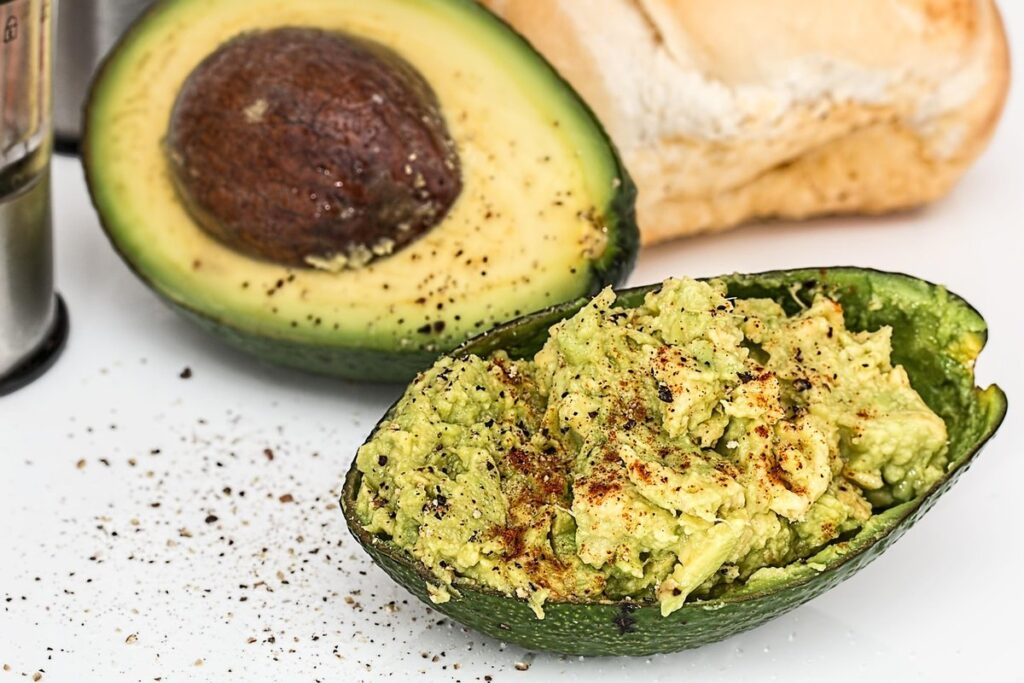
What’s in an Avocado and Its Nutritional Value
Avocados are a nutrient-rich superfood, packed with healthy fats, vitamins, and minerals that may be beneficial for our human health, but what about for chickens? Let’s dive into their nutritional breakdown.
Macrophotrients: Carbohydrates, Fats, and Proteins
When we break down an avocado’s composition, it’s clear that they’re predominantly made up of macro-nutrients – carbohydrates, fats, and proteins. Let’s take a closer look at each of these components.
Avocados are relatively low in carbohydrates, providing about 3-4 grams per serving (yes, you read that right!). This is because most of their sugars come from fiber-rich compounds like pectin. However, for chickens, this means avocados can be a decent source of carbs when fed in moderation.
Now, let’s talk about the star of the show: fats! Avocados are approximately 70-80% fat by volume, with the majority consisting of heart-healthy monounsaturated and polyunsaturated fatty acids. This makes them an excellent addition to your flock’s diet – but remember, too much of a good thing can be detrimental. Limit their intake to about 10% of their total daily calorie consumption.
Protein-wise, avocados offer roughly 3-4 grams per serving, which isn’t particularly high compared to other nutrient-dense foods. Nonetheless, for chickens, the combination of healthy fats and carbs in avocados can provide a well-rounded boost when fed responsibly.
Micronutrients: Vitamins and Minerals
Avocados are not only a tasty addition to human salads and sandwiches but also provide essential micronutrients for chickens. Among the various vitamins present in avocados, Vitamin A plays a crucial role in maintaining healthy vision, immune function, and skin integrity in birds. The recommended daily intake of Vitamin A varies by species and age, but it’s generally around 1-2 mg/kg of body weight.
Vitamin D is also present in small amounts in avocados, particularly when they’re exposed to sunlight during ripening. While its primary role is not as well-studied in chickens, research suggests that Vitamin D supplementation can improve bone health and immune function. A serving size of avocado contains about 1-2% of the daily recommended intake for humans, which may be a negligible amount for chickens.
Iron, an essential mineral found in avocados, plays a vital role in transporting oxygen throughout the body in birds. The iron content is particularly high in ripe avocados, but its bioavailability can be affected by factors such as pH levels and the presence of phytates. Potassium, another key mineral, helps maintain proper hydration levels and supports muscle function in chickens.
It’s worth noting that magnesium present in avocado peels has been shown to improve eggshell quality and reduce stress levels in hens.
Avocado Safety for Chickens: Concerns and Controversies
Some backyard chicken keepers have raised concerns that avocados can be toxic to their feathered friends, sparking a heated debate about this popular ingredient. We’ll delve into these worries and explore the facts.
Toxic Compounds: Persin and Its Effects
Avocado pits, leaves, and bark contain a toxic compound called persin, which can be fatal to chickens if ingested. Research has shown that persin is particularly concentrated in the avocado’s pit, but it’s also present in smaller amounts in the leaves and bark.
If your chicken eats even a small amount of avocado pit or leaf, it could lead to serious health issues. The symptoms may include vomiting, diarrhea, and abdominal pain. In severe cases, eating large quantities of persin can cause respiratory failure, and ultimately, death.
It’s essential for backyard chicken owners to be aware of the dangers of persin. If you’re looking to add avocado to your chicken’s diet, only feed them the flesh – carefully remove any pits, leaves, or bark before doing so. Also, ensure that your chickens have access to plenty of fresh water and a balanced diet to minimize potential health risks.
To put this into perspective, a 2015 study found that as little as 0.2 grams of persin per kilogram of body weight can be fatal to chickens. That’s equivalent to about one-eighth of an avocado pit for a standard-sized chicken.
Allergenic Potential and Intolerance Risks
When it comes to feeding avocados to chickens, one crucial concern is their allergenic potential and intolerance risks. While avocados can be a nutritious treat for humans, the same may not apply to our feathered friends.
Some chicken owners have reported that their birds exhibit signs of intolerance or allergic reactions after consuming avocado. Common symptoms include digestive issues such as diarrhea, vomiting, and lethargy. In severe cases, an allergic reaction can lead to more serious consequences, including respiratory distress and even organ failure.
If you suspect your chicken is experiencing an adverse reaction to avocados, it’s essential to monitor their behavior closely and seek veterinary attention if symptoms persist or worsen. To minimize risks, start with small amounts of avocado in their diet and gradually increase the serving size while observing for any adverse reactions. It’s also crucial to note that some breeds are more prone to food sensitivities than others, so it’s vital to research your chicken’s specific breed characteristics before introducing avocados into their meal plan.
It’s always better to err on the side of caution and prioritize your flock’s health by carefully considering any new additions to their diet.
Avocado as a Supplement: Benefits and Drawbacks for Chickens
If you’re considering adding avocado to your chicken’s diet, it’s essential to weigh the benefits against potential drawbacks before making a decision about supplements. Let’s explore both sides of this debate together.
Nutrient-Dense Feed Alternative
Adding avocado to your chicken’s feed can provide essential nutrients that may lead to improved egg production and overall health. Avocados are rich in healthy fats, vitamins, and minerals like potassium, vitamin E, and magnesium.
To incorporate avocado into their diet, you can mash it up and mix it with their regular feed or use it as a treat. Start with small amounts (about 1-2 tablespoons per pound of feed) to avoid digestive issues. Some chicken owners have reported significant increases in egg production after adding avocados to their flock’s feed.
Avocado also contains alpha-linolenic acid, an omega-3 fatty acid that can help reduce inflammation and improve the health of your chickens’ feathers and beaks. To make the most of this nutrient-dense food, choose ripe but firm avocados for feeding. If you’re concerned about spoilage or mess, consider freezing the mashed avocado to extend its shelf life.
Incorporating avocado into your chicken’s feed can be a simple way to enhance their diet and potentially reap benefits like increased egg production and improved overall health.
Over-Reliance on Avocado: Potential Consequences
While avocados can be a nutritious addition to your chicken’s diet, relying too heavily on them as a supplement can have some concerning consequences. For one, over-reliance on avocados may lead to an imbalance of essential nutrients in your flock’s diet. Avocados are high in healthy fats, but low in protein and certain vitamins and minerals.
As a result, if avocados make up too large a portion of their diet, your chickens may develop nutrient deficiencies over time. For example, they may not get enough calcium to support strong bone growth or adequate vitamin B12 to keep their nervous systems functioning properly. Additionally, the high fat content in avocados can put pressure on your chicken’s digestive system.
To avoid these issues, it’s essential to balance avocado supplementation with a varied and well-rounded diet. This might involve rotating different fruits and vegetables into their feed to ensure they’re getting all the nutrients they need. You should also consider consulting with a veterinarian or poultry expert to determine the best approach for your flock’s specific needs and health status.
Avocado-Safe Feeding Practices for Chickens
When feeding your chickens avocado, it’s essential to follow safe practices to avoid any health risks. This section will walk you through the do’s and don’ts of incorporating avocados into their diet.
Ripe vs. Unripe Avocados: Importance of Ripeness
When it comes to feeding avocados to your chickens, ripeness is crucial. If you give them unripe or green avocado, it can be toxic and even cause health issues. The persin present in unripe avocados is a fatty acid that can cause vomiting and diarrhea in birds.
On the other hand, ripe avocados are a nutritious treat for your chickens. They provide essential vitamins, minerals, and healthy fats that support their overall well-being. To determine if an avocado is ripe, gently squeeze it. If it yields to pressure but still feels slightly firm, it’s ready to eat. A ripe avocado will also have a slight give when you twist the stem.
When selecting avocados for your flock, make sure to choose ripe ones only. You can speed up the ripening process by placing them in a paper bag with an apple or banana, as these fruits release ethylene gas that helps ripen the avocado. Always check the ripeness before feeding it to your chickens to ensure their safety and well-being.
Preparing Avocado for Chicken Consumption
When preparing avocado for your chickens, it’s essential to do so safely to avoid any potential health risks. The first step is to choose a ripe but firm avocado, as overripe avocados can cause digestive issues in chickens.
To prepare the avocado, you can either mash or chop it into small pieces, depending on your chicken’s preference and age. If you’re using ripe avocados, a general rule of thumb is to start with small amounts (about 1-2 tablespoons per pound of feed) and gradually increase as needed. Cooking the avocado can help bring out its nutritional benefits and make it more palatable for your flock.
Some safe ways to cook avocado include baking or roasting, but avoid high-heat methods like frying. For example, you can slice an avocado in half, remove the pit, and bake at 350°F (175°C) for about 10-15 minutes or until softened. Once cooked, let it cool before serving it to your chickens.
Remember to always supervise your chickens when introducing new foods, including cooked avocados, to ensure they digest it properly and without any adverse reactions.
Avocado in Layer and Broiler Diets: Practical Applications
As we continue exploring the possibilities of adding avocado to your chickens’ diet, let’s dive into some practical applications for layer and broiler flocks.
Enhancing Egg Yolk Color and Quality
When layer hens are fed avocado, the nutrient-rich fruit can significantly enhance egg yolk color and quality. Avocado is an excellent source of carotenoids, particularly lutein and zeaxanthin, which are essential pigments responsible for the yellow-orange hue of egg yolks. These antioxidants not only contribute to a richer, more vibrant yolk color but also provide numerous health benefits.
Including avocado in layer diets can also improve overall egg quality by boosting the levels of other important nutrients like vitamin E and potassium. Avocado’s high fat content supports the development of healthy eggs with a stronger shell structure. In a study conducted on laying hens fed avocado, researchers observed a significant increase in egg yolk color intensity, measured using the CIE Lab* system.
To incorporate avocado into your layer flock’s diet, start by adding small amounts (about 1-2% of their total feed intake) to their daily ration. Gradually increase the amount over time to ensure a smooth transition and optimal results. By doing so, you can expect to see a noticeable improvement in egg yolk color and overall quality within a few weeks.
Growth Promoters for Broilers
When it comes to broilers, the focus is often on maximizing growth and weight gain while minimizing stress levels. Research has shown that incorporating avocado into their feed can have a positive impact on these areas. Avocado contains nutrients such as vitamin E, potassium, and healthy fats that can enhance nutrient absorption, leading to improved weight gain.
Studies have demonstrated that broilers fed with avocado-based diets exhibit faster growth rates compared to those without it. In one study, broilers fed with 5% avocado in their feed gained an average of 10% more weight than their counterparts. Additionally, the inclusion of avocado has been shown to reduce stress levels in broilers.
To incorporate avocado into your broiler’s diet, consider adding it as a supplement or mixing it into their feed at a rate of 2-5%. Start with a small percentage and gradually increase as needed to avoid digestive upset.
Conclusion and Final Considerations
Now that we’ve explored whether chickens can safely enjoy avocado, let’s wrap up our discussion with a summary of key takeaways. We’ll also offer some final food for thought on this nutritious topic.
Recap: Can Chickens Eat Avocado?
So, let’s recap the key takeaways from our exploration of whether chickens can eat avocados. In summary, avocados are a nutrient-rich treat that can be safely incorporated into your flock’s diet in moderation. We discussed how to properly prepare and serve avocados to your birds, including removing the pit, skin, and any brown or rotten flesh.
One important thing to remember is that while avocados are a great source of healthy fats and fiber for chickens, they should not make up more than 10% of their daily diet. A balanced diet consisting of high-quality layer feed or pellets, supplemented with fruits and vegetables like avocados, will provide your flock with the necessary nutrients for optimal health.
To put this into practice, you can offer your chickens a few slices of avocado as an occasional treat or add it to their regular meals in small amounts. For example, you could mix diced avocado into their layer feed or use it as a topping for their favorite mealworms. By incorporating avocados into their diet in moderation, you can provide your flock with a delicious and nutritious addition to their usual fare.
Final Words of Caution and Future Research Directions
As you’ve learned more about can chickens eat avocado and incorporate it into their diet responsibly, remember that moderation is key. While avocados can be a nutritious addition to your flock’s meals, overfeeding them with this rich food can lead to health issues down the line. Make sure to balance their avocado intake with other nutrient-dense foods.
In terms of future research directions, one area worth exploring is the impact of different avocado varieties on chicken health and digestion. Currently, most studies have focused on a single variety, Hass avocados, but other types like Fuerte or Bacon may exhibit varying levels of nutrients and potential allergens.
As the demand for sustainable, humanely-raised poultry products grows, it’s crucial to understand how alternative ingredients – like avocado – can be safely incorporated into commercial chicken feed. This knowledge will not only benefit your backyard flock but also contribute to a more environmentally-friendly food system.
Frequently Asked Questions
Can I feed avocado to chickens with existing health issues, such as respiratory problems or allergies?
Yes, it’s essential to consult with a veterinarian before introducing avocados into the diet of chickens with pre-existing conditions. They can provide personalized advice on potential risks and benefits. Avocado consumption may exacerbate underlying health issues, so careful monitoring is crucial.
How often should I feed avocado to my chickens, and what’s the ideal serving size?
Avocado should not be a main staple in your flock’s diet; instead, consider it an occasional treat or supplement. Aim for 1-2 tablespoons per bird, depending on their age, breed, and nutritional needs. Excessive avocado consumption can lead to nutrient imbalances.
Can I give avocado to chickens with varying ages and stages of development, such as from chicks to layers?
Yes, avocados can be a nutritious addition to the diet of chickens at different life stages. However, it’s crucial to consider their specific nutritional needs. For example, young chickens (chicks) may require more protein-rich foods, while laying hens might benefit from the healthy fats and vitamins in avocado.
How do I store and prepare avocado for my flock, especially when not consumed immediately?
Avocados should be stored in a cool, dry place or refrigerated to prevent spoilage. Before feeding, mash or chop the avocado into manageable pieces to minimize choking hazards. Also, ensure your chickens have access to fresh water and a balanced diet to maintain their overall health.
Can I feed avocado to chickens that are already receiving a nutrient-dense commercial feed?
Yes, but in moderation. Avocado can complement existing diets by providing additional essential nutrients. However, it’s still crucial to monitor your flock’s nutritional needs and adjust the serving size accordingly to avoid over-reliance on avocados and potential imbalances in their diet.