
Apple trees are one of the most popular fruit-bearing options for home gardeners, but many people are unaware that they require careful planning to ensure a bountiful harvest. Can apple trees cross-pollinate? The answer is yes, but it’s not as simple as planting two trees side by side. To maximize your crop and enjoy delicious apples every year, you need to choose compatible varieties that complement each other in terms of pollination. This means selecting apple tree species that bloom at the same time or are within a short period of each other, known as cross-pollinators. In this article, we’ll delve into the world of apple tree cross-pollination and explore factors affecting pollination, compatible varieties, and expert techniques for successful pollination, helping you achieve a thriving orchard.
Understanding Apple Tree Pollination Basics
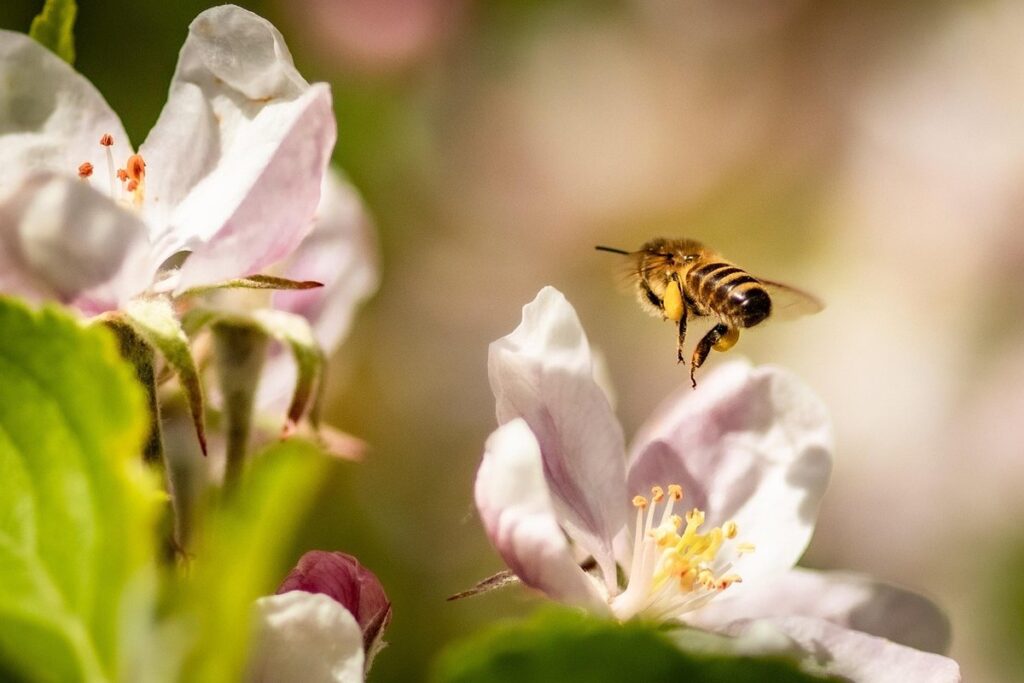
To determine if your apple trees can cross pollinate, let’s start by understanding the basics of how they reproduce naturally. This process involves two key elements: flowers and bees.
Types of Apple Trees: Incompatible and Compatible Varieties
When selecting apple tree varieties for cross-pollination, it’s essential to understand the difference between compatible and incompatible types. Compatible varieties can interbreed and produce fruit, while incompatible ones cannot.
Incompatible varieties are often from different species or have significant genetic differences. For example, Red Delicious and Granny Smith apples are both popular but belong to different species (Malus domestica) and are therefore not cross-compatible. Other examples of incompatible pairs include McIntosh and Golden Delicious, as well as Braeburn and Fuji.
On the other hand, compatible varieties can be from the same or closely related species. Some examples of compatible apple tree pairs include:
• Red Delicious and Gala
• Granny Smith and Honeycrisp
• Golden Delicious and Jonagold
When choosing compatible varieties for cross-pollination, consider factors like climate, soil type, and desired fruit characteristics. Keep in mind that even with compatible varieties, pollination success depends on other factors like tree health, proximity to each other, and adequate pollinator activity.
Importance of Cross-Pollination for Apple Trees
When it comes to growing apples, cross-pollination plays a vital role in ensuring that your tree produces a bountiful harvest. Without cross-pollination, apple trees can still produce some fruit, but the yield will be significantly lower, and the fruit may not develop properly.
There are several reasons why cross-pollination is crucial for apple trees. Firstly, it enhances fertility. When an apple tree receives pollen from another tree, it increases the chances of successful fertilization, leading to a higher number of fruit set. In fact, studies have shown that cross-pollination can increase fruit set by up to 50% compared to self-pollination.
Another key factor is fruit set. Apple trees are able to produce more fruit when they receive pollen from another tree because it allows them to share resources and energy between the two plants. This means that your apple tree will be healthier, stronger, and more productive if it has a cross-pollinator nearby. To encourage cross-pollination in your orchard, plant multiple trees of different varieties within 20-50 feet of each other.
Factors Affecting Cross-Pollination in Apple Trees
When it comes to successfully cross-pollinating your apple tree, several factors come into play that can either help or hinder the process. Let’s explore what affects this delicate dance of pollen and flowers.
Distance Between Apple Trees: Impact on Pollination
When it comes to cross-pollination in apple trees, the distance between compatible varieties plays a crucial role. A general rule of thumb is that for efficient pollination, Apple trees should be spaced between 15 and 20 feet apart. However, this can vary depending on factors like tree size, wind direction, and the presence of bees.
Research has shown that when apple trees are too far apart, they may not receive sufficient pollen from other trees, leading to reduced fruit set. In contrast, planting them too close together (less than 10 feet) can lead to overcrowding, making it difficult for pollinators to move freely between trees.
To optimize cross-pollination in an orchard layout, consider the following:
* Plant multiple varieties of apple trees that are compatible for pollination, ideally with a mix of early-blooming and mid-blooming trees.
* Space trees at least 15-20 feet apart, but no more than 30 feet to encourage air circulation and promote healthy growth.
* Incorporate windbreaks or shelterbelts to protect trees from harsh winds and maintain a stable microclimate.
By following these guidelines, you can create an orchard layout that fosters efficient cross-pollination between your apple trees.
Environmental Conditions Influencing Pollination Success
Weather conditions play a significant role in determining the success of cross-pollination in apple trees. Temperature and humidity levels can greatly impact the activity of pollinators like bees, butterflies, and other insects that facilitate this process.
On a warm day with temperatures between 60°F to 80°F (15°C to 27°C), pollinators are more active and efficient at transferring pollen from one tree to another. In contrast, cold or extremely hot weather can slow down their activity, reducing the chances of successful cross-pollination.
Humidity levels also have an impact. A moderate level of humidity (around 50-60%) is ideal for cross-pollination as it allows pollinators to move freely and easily transfer pollen between trees. However, if the air is too dry or too humid, it can hinder their ability to fly and function effectively.
In addition to temperature and humidity, other environmental factors like wind direction and speed can also influence cross-pollination. For instance, a gentle breeze can help pollinators navigate more efficiently between trees, but strong winds can disrupt this process.
Identifying Apple Trees That Require Cross-Pollination
To ensure your apple trees produce fruit, it’s essential to identify which varieties require cross-pollination and need a compatible partner tree nearby. Let’s explore how to determine this for your orchard.
Common Apple Varieties Requiring Cross-Pollination
Some of the most popular apple tree varieties that require cross-pollination to produce fruit are Red Delicious, Golden Delicious, and McIntosh. These varieties need the help of another apple tree with a different pollinizer variety to set fruit. For example, if you have a Red Delicious tree, it will benefit from having a nearby Granny Smith or Fuji tree, which has a different pollen profile.
Another variety that requires cross-pollination is the Honeycrisp. While some nurseries may claim that they are self-fertile, in reality, they still need another tree with a compatible pollinizer to produce fruit consistently. If you’re growing Honeycrisp trees, make sure to plant at least two trees of different varieties within 20-50 feet of each other.
Keep in mind that even if your apple tree variety is considered self-fertile, it may still benefit from having another nearby tree for cross-pollination. This can lead to more fruit production and a healthier tree overall. By planting multiple varieties together, you’ll not only increase the chances of getting fruit but also create a more diverse and resilient orchard ecosystem.
Factors to Consider When Choosing Companion Trees
When choosing companion apple trees for cross-pollination, it’s essential to consider several factors. Maturity dates are a critical aspect, as apple trees typically need to be within 10-15 days of each other in terms of ripening time. This ensures that the bees can transfer pollen between the two trees during their respective blooming periods.
Growth habits are also crucial, as compact or dwarf varieties may not provide sufficient cross-pollination due to their limited branch spread. Semi-dwarf and standard varieties tend to work better for companion planting.
Another factor to consider is disease resistance, particularly if you’re planning to plant multiple apple trees in a small area. Some popular disease-resistant varieties include ‘Red Delicious’, ‘Gala’, and ‘Granny Smith’. Research the specific needs of your climate and region when selecting these trees, as some may require more maintenance or pruning.
It’s also worth noting that some apple tree varieties are self-fertile but will still benefit from cross-pollination. Be sure to check the specific requirements for the variety you’re planting to ensure optimal results.
Techniques for Ensuring Successful Cross-Pollination
To successfully cross-pollinate your apple trees, it’s essential to understand the intricacies of pollinator behavior and how to attract the right helpers. Let’s explore some effective techniques for facilitating successful cross-pollination.
Planting Multiple Apple Tree Varieties Together
Planting multiple apple tree varieties together is an excellent way to ensure successful cross-pollination. This technique allows for a diverse range of genetics to be brought together, resulting in healthier and more productive trees.
When choosing which varieties to plant together, it’s essential to select those that have different bloom times. For instance, if you’re planting a Red Delicious tree, pair it with an Early Gold or Golden Delicious variety, as they tend to bloom earlier than other apple trees. This staggered blooming schedule increases the chances of successful cross-pollination.
Some other key factors to consider when planting multiple varieties together include:
* Space requirements: Ensure that there is enough room between each tree for proper growth and air circulation.
* Sunlight exposure: Apple trees require full sun, so choose a location with plenty of direct sunlight throughout the day.
* Soil quality: Different apple tree varieties have varying soil preferences, so consider this when selecting your varieties.
By following these guidelines, you can create an environment that promotes healthy cross-pollination and bountiful harvests.
Creating a Pollinator-Friendly Orchard Environment
To create an orchard environment that supports pollinators and ensures successful cross-pollination of apple trees, it’s essential to consider both pest management and habitat creation. For instance, you can begin by eliminating the use of pesticides and herbicides, which not only harm pollinators but also contaminate soil and water. Instead, adopt integrated pest management (IPM) techniques that incorporate physical barriers, hand-picking, or introducing beneficial insects to control pests.
To create a welcoming habitat for pollinators, plant diverse flowers that provide nectar and pollen throughout the growing season. Apple trees benefit from having plants like lavender, coneflower, and black-eyed Susan nearby, as these attract bees, butterflies, and other pollinators. Additionally, leave some areas of your orchard untended to create a mix of grasses, shrubs, and wildflowers that provide shelter and food for native insects.
Some specific tips include:
* Plant apple trees with diverse bloom times to ensure a constant nectar flow
* Avoid pruning too much foliage from the understory plants, as this can reduce their ability to attract pollinators
* Create water sources like shallow dishes or birdbaths to provide hydration for pollinators during hot summer months
Troubleshooting Common Issues with Apple Tree Cross-Pollination
We’ve covered the basics of apple tree cross-pollination, but what happens when things don’t go as planned? Let’s tackle some common issues you might encounter.
Identifying Causes of Poor Fruit Set or Yield
If you’re experiencing poor fruit set or yield on your apple tree, there are several potential causes to consider. One common issue is inadequate cross-pollination, but other factors can also play a role. For instance, temperature fluctuations during flowering can negatively impact pollination and fruit development.
Low temperatures below 10°C (50°F) can damage reproductive parts of the flowers, making it difficult for proper pollination to occur. Similarly, exposure to extreme heat or drying winds can stress the tree, leading to reduced fertility. Pests like aphids, mites, and codling moths can also infest blossoms and harm developing fruit.
Nutrient deficiencies, particularly in nitrogen, phosphorus, or potassium, can impair fruit growth and set. Soil pH imbalances, poor drainage, or waterlogged soil conditions can further stress the tree. To troubleshoot these issues, inspect your tree regularly during flowering for signs of pests, monitor temperature fluctuations, and adjust irrigation schedules accordingly.
Keep in mind that some apple varieties are more sensitive to these factors than others. If you suspect cross-pollination is not the issue, consult with a local nursery or gardening expert to determine the best course of action for your specific tree and climate conditions.
Strategies for Addressing Pollination Problems
If you’re experiencing pollination problems with your apple trees, there are several strategies you can try to address the issue. One potential solution is to plant multiple varieties of apple trees that bloom at different times. This technique, known as cross-pollination, allows for a longer period of blooming and increases the chances of successful pollination.
Another approach is to introduce additional pollinators, such as bees or butterflies, into your orchard. You can create a bee-friendly environment by planting flowers that provide nectar and pollen, like lavender or coneflowers. This will attract beneficial insects and improve overall pollination efficiency.
If you’ve already tried these methods and are still experiencing issues, consider consulting with a local nursery or arborist for expert advice. They can assess the specific needs of your orchard and recommend tailored solutions to ensure successful cross-pollination.
Best Practices for Apple Tree Care and Maintenance
To grow healthy and productive apple trees, proper care and maintenance are essential. This includes tasks such as pruning, fertilizing, and pest management to ensure optimal cross-pollination success.
Regular Pruning and Training of Apple Trees
Regular pruning and training of apple trees is essential for optimal growth and fruit production. When growing multiple varieties together to facilitate cross-pollination, it’s crucial to ensure each tree receives sufficient sunlight and air circulation. Prune your trees annually to maintain a balanced structure and encourage new growth.
Pruning also helps control the size of your trees, preventing them from becoming too dense or overcrowding nearby plants. This is especially important for dwarf or semi-dwarf varieties that require more maintenance than standard trees.
To promote healthy cross-pollination, make sure to train your apple tree branches in a way that allows bees and other pollinators easy access to the flowers. Consider using a central leader training system, where the main trunk grows upright and is supported by shorter lateral branches.
Timing is everything when pruning apple trees – wait until late winter or early spring, before new growth begins. This ensures you’re cutting away dead or diseased wood without removing any vital buds that will develop into fruit later in the season.
Tips for Monitoring Pollinator Health and Activity
When it comes to maintaining a healthy apple tree orchard, monitoring pollinator health and activity is crucial. As we discussed earlier, cross-pollination between apple trees relies on the presence of beneficial insects like bees and butterflies. To ensure your trees receive the necessary pollination services, follow these tips:
Regularly inspect your orchard for signs of pest infestations or diseases that might harm pollinators. For instance, check for aphids, which can be a major threat to honeybees’ colonies. Similarly, fungal infections like powdery mildew and scab can affect apple trees’ growth and reduce fruit quality.
Maintain a diverse array of plants in your orchard, including flowers that are rich in nectar and pollen. This will create a welcoming environment for pollinators and provide them with the necessary resources to thrive. Consider incorporating native wildflowers or herbaceous perennials into your landscape design.
Create a bee hotel or insect habitat by providing nesting sites for solitary bees and other beneficial insects. A simple wooden block with pre-drilled holes can become a haven for these tiny creatures, ensuring their population remains healthy throughout the growing season.
Frequently Asked Questions
How can I ensure the right distance between my apple trees for optimal pollination?
To maximize cross-pollination, plant compatible apple tree varieties within a short distance of each other (about 20-25 feet). However, this distance may vary depending on factors like tree size and wind direction. Be sure to check specific recommendations for your tree variety.
Can I still have a successful orchard with only one type of apple tree?
No, having multiple compatible varieties is essential for cross-pollination and a bountiful harvest. Planting only one type of apple tree will likely result in reduced fruit set or no fruit at all. Consider planting two or more trees to ensure successful pollination.
How do I know which apple trees require cross-pollination?
Most apple tree varieties require cross-pollination, but some are self-fertile and can produce fruit without another tree. Research your specific variety or consult with a gardening expert to determine if it requires a companion tree for pollination.
What’s the best way to identify potential problems with pollination in my orchard?
Regularly inspect your trees during blooming season, looking for signs of poor pollination like small or misshapen fruit. Monitor pollinator activity and adjust your planting strategy as needed to ensure successful cross-pollination.
Can I plant multiple apple tree varieties together that aren’t fully compatible but still bloom at the same time?
While it’s not ideal, you can try combining partially compatible trees, but keep in mind the results may vary. Incompatible trees might reduce pollination effectiveness or produce less fruit than expected. Focus on selecting highly compatible varieties for optimal results.
How do environmental conditions like weather and temperature affect apple tree cross-pollination?
Weather factors like frost, wind, and extreme temperatures can impact pollination success. Be prepared to provide protection for your trees during adverse conditions, such as covering them with row covers or using irrigation to maintain humidity.