
Are you tired of letting your beautiful Calathea plant get too big for its boots? Propagation through division is an excellent way to share your favorite houseplant with friends and family, while also giving it a new lease on life. But before you start dividing, make sure you’re prepared – this process requires some TLC. In this article, we’ll take you through the step-by-step process of Calathea propagation division, from preparation to after-care tips. We’ll cover how to separate your plant’s roots, pot up the new divisions, and ensure they thrive in their new homes. Whether you’re a seasoned green thumb or just starting out, this guide will have you propagating like a pro in no time!
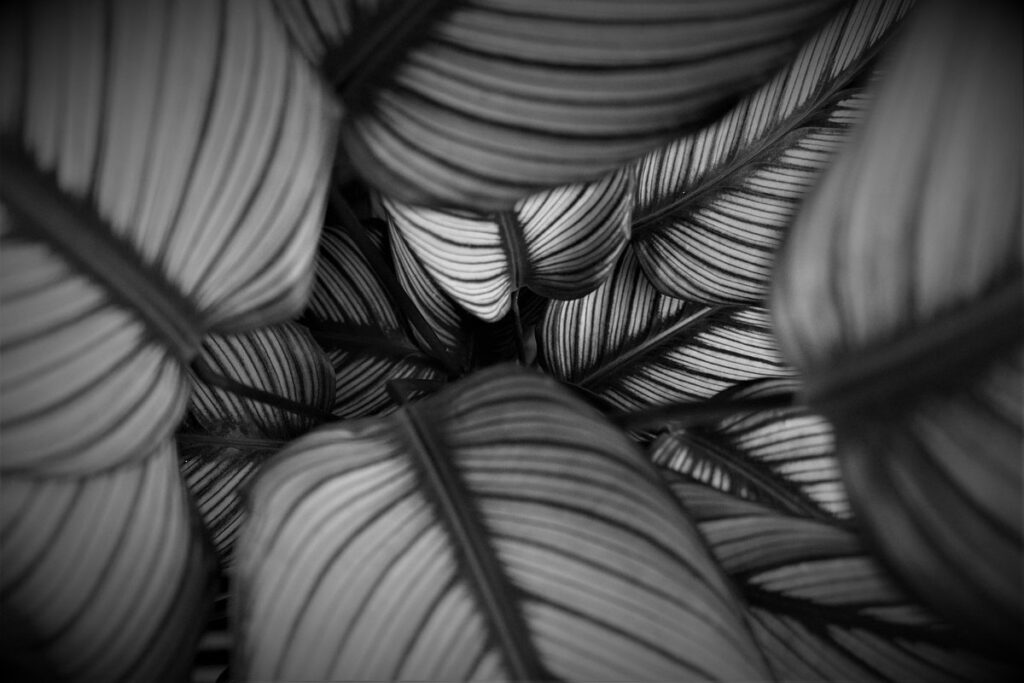
Understanding Calathea Division
When dividing a mature calathea, you’ll want to carefully examine its root system and growth pattern to determine the best time for division. This will help you achieve healthy new plants.
When to Divide Your Calathea
When it comes to dividing your Calathea plant, timing is everything. The ideal times for division are usually during the spring and summer months when the plant is actively growing. This allows you to propagate new plants with a healthy root system.
However, division can also be necessary at other times if your plant has become pot-bound or has outgrown its container. If you notice that your Calathea’s leaves are becoming crowded or its roots are circling within the pot, it may be time for a split.
Keep in mind that younger plants (less than two years old) are best left undivided as they are still developing their root systems. Larger plants with a strong root system can benefit from division to promote healthy growth and prevent overwatering.
Preparing for Division
Before you start dividing your Calathea, it’s essential to prepare it for the process. This involves giving your plant a good watering session to make the soil moist but not waterlogged. Make sure to check the top 1-2 inches of soil moisture by sticking your finger in; if it feels dry, give it a good soaking.
Fertilization is also crucial before division. Feed your Calathea with a balanced fertilizer (diluted to half the recommended strength) to promote healthy growth and development. You can apply this once a month for about 2-3 months leading up to division. This will give your plant an energy boost, making it easier to separate the offsets.
When it comes to tools, you’ll need a sterile knife or pruning tool to prevent any potential bacterial infections. Prepare by washing the tool with soap and water, then sterilizing it with rubbing alcohol. Have a clean surface ready for dividing, and make sure your workspace is well-ventilated to avoid inhaling any debris.
By taking these steps, you’ll ensure that your Calathea is healthy and ready for division.
Step-by-Step Division Process
Now that you understand the basics of division, let’s dive into a step-by-step process to safely separate your Calathea plant and promote healthy growth. This detailed guide will walk you through each crucial step.
Section 1: Preparation and Removal of Leaves
When preparing to divide your Calathea, it’s essential to carefully remove the leaves from the mother plant without damaging it. This step may seem straightforward, but it plays a crucial role in ensuring the success of your division. You see, when you separate the rhizome (the thick, underground stem) from the roots and new growth, the plant is left vulnerable.
Leaves that are still attached to the mother plant can cause damage during division or even become tangled with the new divisions, hindering their ability to absorb moisture and nutrients. By removing excess leaves, you create a clean slate for your Calathea to focus its energy on healing and establishing itself in its new environment. Gently twist or cut off any extraneous leaves, taking care not to damage the delicate rhizome. The fewer leaves present, the better the chances of successful propagation through division.
Remember, this step is often overlooked but it’s a critical one for achieving healthy divisions that will thrive.
Section 2: Separating Roots
Separating roots is a crucial step in Calathea division. To do this effectively, start by examining the plant’s rhizome carefully. Identify the nodes – these are the areas where new shoots emerge from the mother plant. Gently grasp each node with your fingers or a pair of tweezers and begin to pry apart the roots.
As you separate the roots, be cautious not to damage any delicate tissue. Use a gentle, rocking motion to loosen the roots without tearing them. This may take some patience, especially if the plant has been together for an extended period.
A good rule of thumb is to aim for one node per division. This will help ensure each new plant gets its own root system and increases the chances of successful propagation. With a bit of practice, you’ll become more comfortable separating roots, allowing you to confidently divide even the most established Calathea plants.
When handling delicate tissue, it’s essential to be gentle. Use your fingers or tweezers to carefully cradle the roots as they separate. This will help prevent damage and promote healthy growth in your newly divided plant.
Section 3: Transferring Divided Sections to Soil
Now that you have divided your Calathea into individual sections, it’s time to transfer them into fresh soil. This is a crucial step to ensure the health and success of your newly divided plants. Begin by gently placing the divided section into its new pot, making sure not to damage any roots or disturb surrounding plants.
Use a well-draining potting mix specifically designed for tropical plants like Calathea. Fill the pot about 2/3 full with fresh soil, leaving enough space for watering without waterlogging. Place the divided section in the pot, and then add more soil around it, gently firming it down to secure the roots.
Avoid compacting the soil too much, as this can cause root damage or prevent proper drainage. Water your newly potted Calathea well after transplanting, making sure not to overwater. Keep an eye on the plant’s condition in the first few weeks after division, and adjust its care accordingly. With proper handling and care, your divided Calathea will quickly establish itself in its new home and thrive.
When potting multiple sections at once, work from left to right or top to bottom to prevent soil disturbance between plants. This helps minimize shock and stress on the newly divided roots.
After Division Care for New Plants
Now that you’ve successfully divided your Calathea, it’s time to focus on providing the right care for its new roots to establish a healthy foundation. Learn how to create an ideal environment for growth.
Watering Newly Divided Calatheas
When it comes to watering newly divided Calathea plants, it’s essential to get it right. This delicate phase can be critical in determining the plant’s ability to thrive and adapt to its new environment. The frequency of watering will depend on a few factors such as humidity, temperature, and light exposure.
A good rule of thumb is to water your newly divided Calathea once a week during the first month after division. However, this can vary depending on how dry or humid your surroundings are. For instance, if you live in an extremely dry climate, you might need to water more frequently – every 4-5 days. On the other hand, if your home is relatively humid, you may only need to water every 10-12 days.
As a general guideline, make sure not to overwater or underwater your Calathea. Watering should be done in moderation, allowing the soil to dry slightly between each watering session. This will encourage healthy root development and prevent root rot – a common issue that can occur when plants are newly divided.
Providing Proper Lighting and Temperature
When it comes to providing the right conditions for newly divided Calathea plants, lighting and temperature play a crucial role in promoting healthy growth. Inadequate light can lead to weak and spindly stems, while excessive heat can cause leaves to become scorched or wilted.
To ensure your newly divided Calatheas thrive, place them in a spot with bright, indirect light but not direct sunlight, which can be too intense for their delicate leaves. East- or west-facing windows are ideal locations, as they provide gentle illumination without the risk of burning.
Temperature-wise, keep your newly divided plants away from heating vents and radiators, as sudden temperature fluctuations can shock them. Aim for daytime temperatures between 65°F to 75°F (18°C to 24°C), with a slight drop in temperature at night. This allows for healthy growth and prevents stress on the plant.
By providing the right lighting and temperature conditions, you’ll be giving your newly divided Calatheas the best chance to establish themselves and start producing new leaves and roots.
Fertilizing New Growth
When fertilizing new divisions, it’s essential to strike the right balance between nourishing them and avoiding over-fertilization. Calatheas are heavy feeders, but they require careful attention during the initial stages after division.
Start by using a balanced, water-soluble fertilizer (20-20-20) at half the recommended strength. This will provide your new divisions with essential nutrients without overwhelming their delicate roots. You can begin fertilizing once the plant has been potted in its final container and has established itself for about 1-2 weeks.
For example, you can use a gentle fertilizer like Miracle-Gro’s Shake ‘n Feed All Purpose Plant Food. Follow the instructions on the label, but remember to dilute it according to your new division’s specific needs. As your calathea grows and becomes more mature (around 6-8 weeks after division), you can switch to a more concentrated fertilizer (25-5-15 or 30-10-10) applied at full strength.
Some key things to remember: always water your divisions before fertilizing, and avoid applying fertilizer during the hottest part of the day when it can burn your plant’s leaves. By following these guidelines, you’ll be providing your new calathea division with the best possible chance to thrive and grow strong roots.
Common Challenges During Division
When dividing a mature Calathea, you’ll likely encounter some obstacles that can make the process tricky, but don’t worry, we’ve got you covered. We’ll walk you through the most common challenges and provide tips to overcome them.
Overwatering or Underwatering
One of the most common challenges you may encounter during division is determining the right amount of water for your newly separated Calathea roots. Overwatering and underwatering can be detrimental to your plant’s health, so it’s essential to get this step right.
Overwatering occurs when the soil remains consistently moist, causing root rot and potentially killing your plant. To avoid overwatering, ensure the pot has sufficient drainage holes and avoid watering too frequently. A good rule of thumb is to water only when the top 1-2 inches of soil feel dry to the touch. Be cautious not to get any water on the leaves or crown of the plant to prevent rot.
On the other hand, underwatering occurs when the plant doesn’t receive enough moisture, causing it to wilt and potentially leading to nutrient deficiencies. To avoid underwatering, check the moisture levels in the soil by sticking your finger into the pot about an inch deep. If the soil feels dry, water the plant thoroughly until you see water coming out of the drainage holes.
Monitor your plant closely after division, and adjust its watering schedule as needed based on environmental conditions such as temperature, humidity, and light exposure. This will help you develop a more precise understanding of your Calathea’s specific needs and prevent overwatering or underwatering issues from arising.
Disease or Pest Issues Post-Division
When dividing a Calathea, it’s essential to be aware of potential disease and pest issues that can arise post-division. Calatheas are prone to certain problems due to their sensitive nature and high humidity requirements.
Some common diseases that can affect Calatheas after division include root rot, leaf spot, and crown rot. Root rot occurs when the roots sit in waterlogged soil, while leaf spot is caused by fungal infections that spread through moisture. Crown rot happens when the plant’s crown (where the leaves meet the stem) becomes infected.
To prevent these issues, ensure your potting mix is well-draining and avoid overwatering. Regularly inspect your plants for signs of infection, such as yellowing leaves or black spots. Use a fungicide specifically designed for houseplants if you notice any problems. Keep an eye out for pests like spider mites, mealybugs, and scale, which can also spread disease.
To maintain healthy Calatheas post-division, make sure to provide good air circulation around your plants, use clean tools when handling them, and repot as needed to prevent waterlogged soil.
Conclusion: Successful Division and Future Growth
You’ve made it through the process of dividing your Calathea plants, now let’s talk about what to do next and how to ensure a thriving future for these beautiful plants.
Recap of Key Points
To recap, let’s go through the key points from our comprehensive guide to Calathea propagation through division. When preparing for division, it’s essential to choose a healthy mother plant with multiple growth nodes and to remove the plant from its pot when the roots have filled the container.
During the division process itself, you’ll want to separate the rhizomes carefully, making sure each section has at least one growth node to ensure the new plant will grow well. This can be a bit tricky, but practice makes perfect, so don’t worry if it takes some trial and error to get the hang of it.
After division, your newly separated plants will need some TLC to establish themselves in their new pots. Make sure they’re potted up in fresh soil and given enough water, but not too much – Calatheas prefer moist but not soggy conditions. You may also want to fertilize your new plants with a balanced fertilizer at half the recommended strength.
As we’ve discussed earlier, some common challenges when dividing Calathea include over-handling of the roots, which can cause shock and potentially lead to root rot or death. To avoid this, gently separate the rhizomes, taking care not to damage any of the roots. Another challenge is under-watering after division – remember that these plants prefer consistent moisture levels.
Some practical tips for success include keeping an eye on your plant’s growth patterns before dividing and being prepared to act when the time comes. Keep a close eye on your newly divided plants, checking their soil regularly to ensure they’re not drying out or becoming too waterlogged. With patience and practice, you should be able to successfully propagate new Calathea plants through division – happy propagating!
Frequently Asked Questions
How do I know if my Calathea is truly pot-bound?
A pot-bound plant will have a root system that’s circling the inside of the pot, indicating it needs more space to grow. Gently remove your plant from its container and examine the roots – if they’re tangled or wrapped around each other, it’s time for division.
Can I divide my Calathea during any season, or are there specific timing requirements?
Yes, while spring and summer months are ideal for division due to active growth, you can still divide your Calathea in fall or early winter if necessary. However, keep an eye on your plant’s condition and adjust accordingly – dividing at the right time ensures healthy new plants.
How often should I water newly divided Calatheas?
Newly divided Calatheas require more frequent watering due to their smaller root systems. Water them when the top inch of soil feels dry to the touch, but avoid overwatering, which can lead to root rot and other issues.
What’s the best way to handle leaves that are damaged or discolored after division?
Remove any severely damaged or discolored leaves from your newly divided Calatheas to prevent further stress and promote healthy growth. This will also encourage new leaf development and help your plant thrive in its new environment.
How can I minimize the risk of disease or pest issues post-division?
Yes, preventing overwatering is key to minimizing disease risks. Ensure proper soil moisture levels and maintain good air circulation around your plants. Regularly inspect your Calatheas for signs of pests like spider mites, mealybugs, or scale, and treat promptly if necessary.