
Calamansi, the tiny citrus fruit that packs a big punch. If you’re not familiar with this Southeast Asian superstar, get ready to fall in love! Calamansi has been a staple in Filipino cuisine for centuries, and its popularity is spreading like wildfire around the world. But calamansi is more than just a trendy ingredient – it’s also a treasure trove of health benefits and versatile uses in cooking. From its zesty juice to its fragrant zest, calamansi adds a burst of flavor to everything from salads to cocktails. In this article, we’ll take you on a journey through the fascinating world of calamansi, exploring its roots, modern applications, and the numerous ways it can boost your health and culinary creations. Get ready to discover why calamansi is fast becoming a favorite among foodies and wellness enthusiasts alike!
What is Calamansi?
If you’re new to calamansi, let’s start from scratch: what exactly is this citrusy fruit that’s a staple in many Filipino kitchens. In this section, we’ll explore its origins and characteristics.
Botanical Background
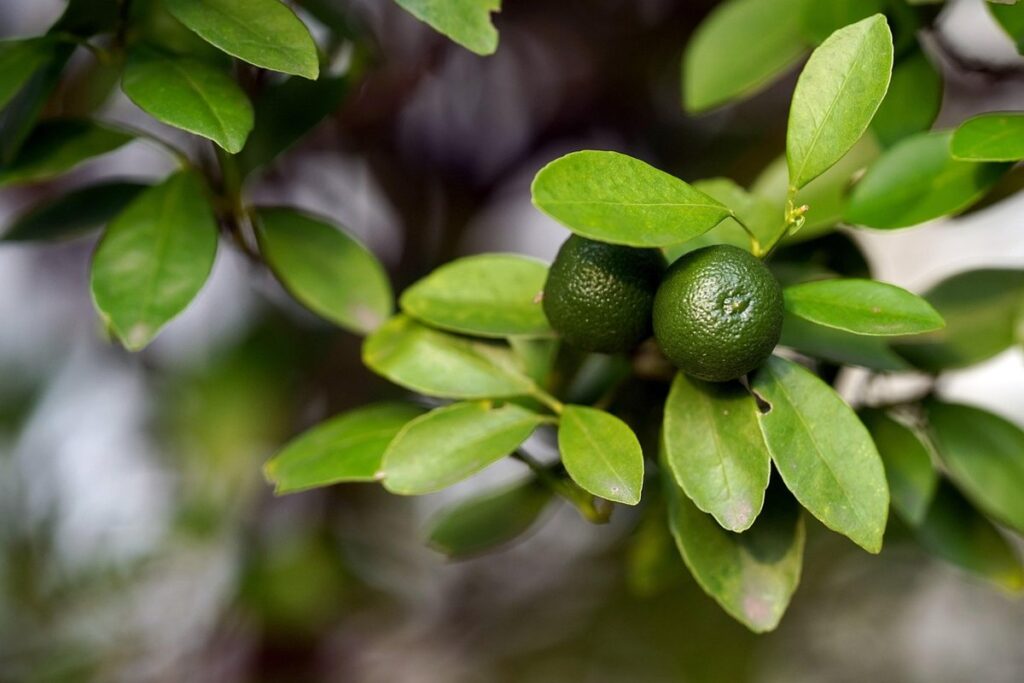
Calamansi is a type of citrus fruit that belongs to the Rutaceae family. Scientifically known as Citrus mitis, it is closely related to other popular citrus fruits like oranges and lemons. However, calamansi’s distinct flavor profile sets it apart from its close relatives.
Originating in Southeast Asia, specifically in the Philippines, Indonesia, and Malaysia, calamansi has been a staple ingredient in many traditional dishes for centuries. Its name “calamansi” is derived from the Filipino term for the fruit, which was later adopted into other languages spoken in the region. Calamansi trees are relatively small, growing up to 10 meters tall, with fragrant white flowers that produce small, oval-shaped fruits.
Calamansi’s unique flavor profile and versatility have made it a popular ingredient in many Southeast Asian cuisines. Its juice is often used as a condiment or mixed with other ingredients to create marinades for meats and seafood. In addition to its culinary uses, calamansi has also been recognized for its potential health benefits, including its antioxidant properties and ability to aid digestion.
Differences from Other Citrus Fruits
While calamansi shares similarities with other citrus fruits like lemons and limes, it has several distinct characteristics that set it apart. For instance, calamansi is smaller in size compared to lemons and limes, typically measuring between 1-2 inches in diameter. Its skin is usually thin and tender, making it easier to peel than its larger citrus counterparts.
In terms of acidity, calamansi has a higher concentration of citric acid than both lemons and limes. This makes it an ideal ingredient for cooking and food preparation, especially in Filipino cuisine. When used as a condiment or marinade, calamansi adds a unique and intense flavor that complements various dishes.
One key difference between calamansi and other citrus fruits is its taste profile. While lemons and limes have a more pronounced tartness, calamansi has a sweeter and more complex flavor that’s often described as a mix of orange, lemon, and lime. This versatility makes it a popular choice for both cooking and beverages.
Overall, calamansi’s unique characteristics make it a valuable addition to any kitchen or recipe book.
History and Cultural Significance
The calamansi fruit has been an integral part of Filipino culture for centuries, its history deeply intertwined with the country’s traditions and daily life. Let’s explore how this tiny citrus fruit holds such significance in Philippine heritage.
Ancient Uses and Traditions
Calamansi has been an integral part of Southeast Asian culture for centuries, with its uses extending far beyond the kitchen. In traditional medicine, calamansi was used to treat a range of ailments, from indigestion and bloating to fever and skin conditions. For example, in the Philippines, it’s not uncommon to see vendors selling fresh calamansi as a natural remedy for coughs and colds.
In cooking, calamansi plays a starring role in many Southeast Asian dishes. Its acidity is used to add depth and brightness to sauces, marinades, and dressings. In Thai cuisine, calamansi is often paired with chilies and herbs to create a spicy and sour paste called “nam prik”. Meanwhile, in Indonesia, it’s added to sambals and salads for a burst of citrus flavor.
Beyond its culinary uses, calamansi also has spiritual significance in some Southeast Asian cultures. In the Philippines, it’s believed to ward off evil spirits and bring good luck. To use calamansi for its purported spiritual benefits, simply place a few slices on your desk or altar to repel negative energies. With its rich history and diverse applications, it’s clear that calamansi is more than just a fruit – it’s a cultural treasure trove waiting to be explored.
Modern Applications and Adoption
In recent years, calamansi has gained a significant following globally as a flavor enhancer and versatile ingredient. Chefs and home cooks alike have discovered its unique ability to add depth and balance to various dishes, from savory meals to sweet treats. The fruit’s popularity can be attributed in part to social media platforms, where food bloggers and influencers showcase creative calamansi-infused recipes that have captured the attention of enthusiasts worldwide.
As a result, calamansi has become a staple in many modern kitchens, with grocery stores and specialty markets now carrying the fruit year-round. Chefs are incorporating it into innovative dishes, such as calamansi-glazed meats, seafood, and even desserts like cheesecakes and tarts. Home cooks can easily incorporate calamansi into their meals by using it as a marinade, a sauce, or even as a finishing touch to add a burst of citrus flavor.
For those looking to experiment with calamansi in their cooking, start by trying simple recipes like calamansi-infused oil or calamansi-ginger dressing. With its versatility and unique flavor profile, calamansi is sure to become a valuable addition to any kitchen arsenal.
Nutrition and Health Benefits
Calamansi fruit has been prized for its incredible nutritional value, and we’ll dive into the specific health benefits it offers when consumed as part of a balanced diet.
Vitamin C Content and Antioxidants
Calamansi is an excellent source of vitamin C, with one medium-sized fruit providing up to 30% of the recommended daily intake. This high concentration of ascorbic acid not only supports immune function but also contributes to collagen production and iron absorption. In fact, studies have shown that consuming foods rich in vitamin C can reduce the severity of colds and flu by up to 50%.
But calamansi’s nutritional benefits don’t stop at vitamin C. It is also an excellent source of other essential nutrients like potassium, magnesium, and folate. The fruit’s antioxidant properties are particularly noteworthy, with its high content of flavonoids and carotenoids helping to protect cells from damage caused by free radicals.
Incorporating calamansi into your diet can be as simple as adding it to salads, using it as a marinade for grilled meats or fish, or even drinking it as a refreshing juice. To reap the most benefits, aim to consume 1-2 medium-sized fruits per day, either on its own or in combination with other nutrient-rich foods. This will help you harness calamansi’s potent antioxidant and immune-boosting properties, leaving your body feeling energized and revitalized.
Anti-Inflammatory and Immune-Boosting Effects
Calamansi’s potential anti-inflammatory properties have been attributed to its high concentration of limonoids, specifically naringenin and limonin. These compounds have been shown to inhibit the production of pro-inflammatory enzymes and cytokines, which contribute to chronic inflammation.
Studies on animal models have demonstrated that calamansi extracts can reduce inflammation in various tissues, including the lungs, liver, and brain. For instance, a 2018 study published in the Journal of Ethnopharmacology found that calamansi extract significantly reduced lung inflammation in mice with asthma-like symptoms.
The immune-boosting effects of calamansi are also supported by its high vitamin C content. Vitamin C is essential for the production of white blood cells, which help fight off infections and maintain overall health. Consuming calamansi juice or using it as a marinade can provide a boost of vitamin C to support immune function.
To incorporate calamansi into your diet and potentially reap these benefits, try adding it to salads, stir-fries, or using it as a substitute for lemon juice in recipes. However, be mindful of the sour taste and start with small amounts to avoid overwhelming flavors.
Culinary Uses and Recipes
You’ll love using calamansi in your cooking, from classic Filipino dishes to innovative recipes, and we’re sharing some of our favorite uses and ideas for you!
Traditional Filipino Dishes
Calamansi is a staple ingredient in traditional Filipino cooking, and for good reason. Its unique balance of sweet and sour flavors makes it an essential component in many classic dishes. Let’s take a look at two of the most iconic Philippine recipes that feature calamansi as a key ingredient: sinigang and adobo.
Sinigang is a sour soup made with a variety of vegetables and proteins, typically pork or shrimp. Calamansi juice is added to give it its signature tanginess. The acidity helps to balance out the richness of the ingredients, creating a refreshing and flavorful dish that’s perfect for hot summer days. To make sinigang using calamansi, simply combine 1-2 tablespoons of freshly squeezed calamansi juice with 1 cup of water, and add it to your pot along with the other ingredients.
Adobo is another beloved Filipino dish that relies on calamansi for its flavor. This savory stew is made with marinated meat (usually chicken or pork) cooked in vinegar, soy sauce, garlic, and black pepper. Calamansi adds a burst of citrus freshness to the dish, cutting through the richness of the other ingredients. To make adobo using calamansi, simply add 1-2 tablespoons of freshly squeezed calamansi juice to your marinade for an added depth of flavor.
Modern Twists and Pairings
One of the most exciting aspects of exploring the calamansi fruit is its versatility in modern culinary applications. Gone are the days when it was solely used as a condiment or garnish; today, it’s being incorporated into a wide range of creative dishes that showcase its unique flavor profile.
Incorporate calamansi into your salads by making a vinaigrette using equal parts calamansi juice and olive oil, mixed with a pinch of salt and pepper. This adds a zesty twist to classic greens like arugula or spinach. Alternatively, blend calamansi into your favorite smoothie recipes for an instant burst of citrus flavor.
For more adventurous cooks, try infusing calamansi into marinades for chicken, pork, or fish. Combine calamansi juice with soy sauce, brown sugar, and garlic for a sweet and sour glaze that’s perfect for grilling or roasting meats. With its adaptability and potent flavor, the possibilities are endless when it comes to experimenting with calamansi in modern dishes. So don’t be afraid to get creative and discover new ways to incorporate this versatile fruit into your culinary repertoire!
Preparation and Preservation Methods
To get the most out of your calamansi, you’ll want to learn how to properly store it, as well as methods for preserving its flavor and nutrients. We’ve got you covered!
Juice and Zest Extraction
To extract the juice and zest from calamansi, you’ll need to follow these steps. First, choose ripe calamansi fruits with a vibrant green color and a slight yellow tint. Wash them thoroughly, then gently pat dry with paper towels.
For juice extraction, use a manual or electric juicer specifically designed for citrus fruits like calamansi. You can also use a citrus squeezer or a hand-operated reamer to extract the juice from the peel and pulp. To get the most juice out of each fruit, squeeze the calamansi in multiple sections – top to bottom.
For zest extraction, carefully grate the outer layer of the peel using a zester or fine grater. This will help preserve the delicate flavor oils found in the citrus peel. Be sure not to cut too deeply into the pulp, as this can make the zest bitter and unpleasant to eat.
To maintain optimal flavor and texture preservation, keep extracted juice refrigerated at 40°F (4°C) or below within an hour of extraction. For longer storage periods, consider freezing the calamansi juice in airtight containers for later use.
Fermentation and Pickling Techniques
Fermenting calamansi creates a tangy and sour condiment with numerous health benefits. To start fermenting calamansi, combine it with other ingredients like ginger, garlic, and chili peppers to create a flavor profile similar to kimchi. Begin by preparing the ingredients, then mix them together in a clean glass jar. Leave about an inch of space at the top before covering the jar with a lid.
For optimal fermentation, store the mixture in a cool, dark place for 1-5 days or until it reaches your desired level of sourness. Check on it periodically to ensure that it’s not developing off-flavors or mold. Once fermented, transfer the mixture to an airtight container and refrigerate to slow down the fermentation process.
Alternatively, you can pickle calamansi in vinegar and spices for a quicker preservation method. Slice the calamansi thinly and soak them in a brine made from equal parts water and vinegar with added sugar, salt, and spices. This method is ideal for creating value-added products like salsa or chutney within a few hours.
Both fermentation and pickling techniques allow you to create unique products that can be used as condiments or side dishes. They also help preserve the nutritional benefits of calamansi while enhancing its flavor profile.
Growing and Cultivating Calamansi
To grow and cultivate calamansi, you’ll need to choose a suitable climate and soil type, as well as provide regular watering and maintenance. With proper care, your calamansi plant will thrive in no time!
Climate and Soil Requirements
Calamansi is a tropical fruit that thrives in warm and humid climates. To grow calamansi successfully, you’ll want to replicate these conditions in your garden or indoor space. The ideal temperature range for calamansi cultivation is between 64°F (18°C) and 90°F (32°C), with an optimal temperature of around 75°F (24°C). Avoid exposing the plant to temperatures below 55°F (13°C), as this can cause damage.
Humidity is also crucial, with calamansi preferring a humid environment with relative humidity above 60%. If you’re growing calamansi indoors, ensure good air circulation and maintain high humidity levels using a humidifier. Soil pH plays a significant role in calamansi growth; it prefers slightly acidic to neutral soil with a pH range of 5.5-7.
When preparing the soil for calamansi cultivation, mix compost or perlite to improve drainage and fertility. Make sure the potting mix has good water retention capacity to prevent overwatering, which can lead to root rot. Regularly monitor your plant’s response to these conditions and adjust as needed. By providing optimal climate and soil conditions, you’ll be well on your way to growing healthy and productive calamansi plants.
Pruning and Maintenance Tips
To promote healthy growth and fruit production, regular pruning is essential for calamansi plants. Prune your calamansi tree when it reaches a height of 2-3 feet, removing any dead or damaged branches to prevent disease spread. Cut back the top third of the plant to encourage bushy growth and more fruiting.
When pruning, use clean and sharp tools to avoid spreading diseases and make cuts just above a node (where a leaf meets the stem). This will help the plant heal quickly and minimize the risk of infection. For younger plants, prune every 2-3 months to maintain shape and promote healthy growth.
In terms of maintenance, calamansi trees prefer well-draining soil with full sun to partial shade. Water them regularly, but avoid overwatering, which can lead to root rot and other issues. Fertilize your calamansi tree monthly with a balanced fertilizer to provide essential nutrients for optimal growth. Regular pruning and proper care will help your calamansi plant thrive and produce an abundance of citrusy fruit. By following these tips, you’ll be enjoying fresh calamansi juice or using its peel as a natural remedy in no time.
Frequently Asked Questions
How can I incorporate calamansi into my daily cooking routine?
Incorporating calamansi into your daily cooking routine is easy! Start by experimenting with different recipes, such as adding a squeeze of fresh calamansi juice to salads or using its zest to flavor soups. You can also try making homemade calamansi sauce or marinades for meat and seafood dishes.
Can I grow my own calamansi tree in my backyard?
Yes, growing your own calamansi tree is definitely possible! Calamansi trees prefer well-drained soil and a warm climate with plenty of sunlight. Make sure to choose a location that receives direct sunlight for at least 6 hours a day and has a slightly acidic soil pH.
What are the best ways to preserve calamansi juice and zest?
Calamansi juice can be preserved by freezing it in ice cube trays or mixing it with water and storing it in the fridge. For preserving zest, you can dry it using a dehydrator or simply air-dry it for a few days. This will help maintain its flavor and aroma.
Can I use calamansi as a natural remedy for health issues?
Calamansi has been used for centuries as a natural remedy for various health issues, including indigestion and fever. Its high vitamin C content makes it an excellent immune-booster, while its antioxidants may help reduce inflammation. However, always consult with a healthcare professional before using calamansi as a treatment.
How can I substitute calamansi in recipes that call for lemons or limes?
When substituting calamansi for lemons or limes, keep in mind that it has a more intense flavor profile. Start by using a smaller amount and adjust to taste. Also, be aware that calamansi has a slightly sweeter taste than other citrus fruits, so you may need to balance the flavors accordingly.