
Cacti are often thought of as spiny, desert-dwelling plants that thrive in harsh conditions. However, beneath their tough exterior lies a secret: many species produce breathtaking flowers that can add a touch of elegance to any space. If you’re fascinated by these unique blooms, you’re not alone! Growing and arranging cactus flowers is an art that requires attention to detail and the right care.
In this article, we’ll delve into the world of flowering cacti, exploring their types, characteristics, and specific needs for optimal growth. From choosing the perfect species to expert tips on caring for these stunning blooms, we’ve got you covered. Whether you’re a seasoned gardener or just starting out, learn how to coax your cactus into producing vibrant flowers that will brighten up any room or garden.
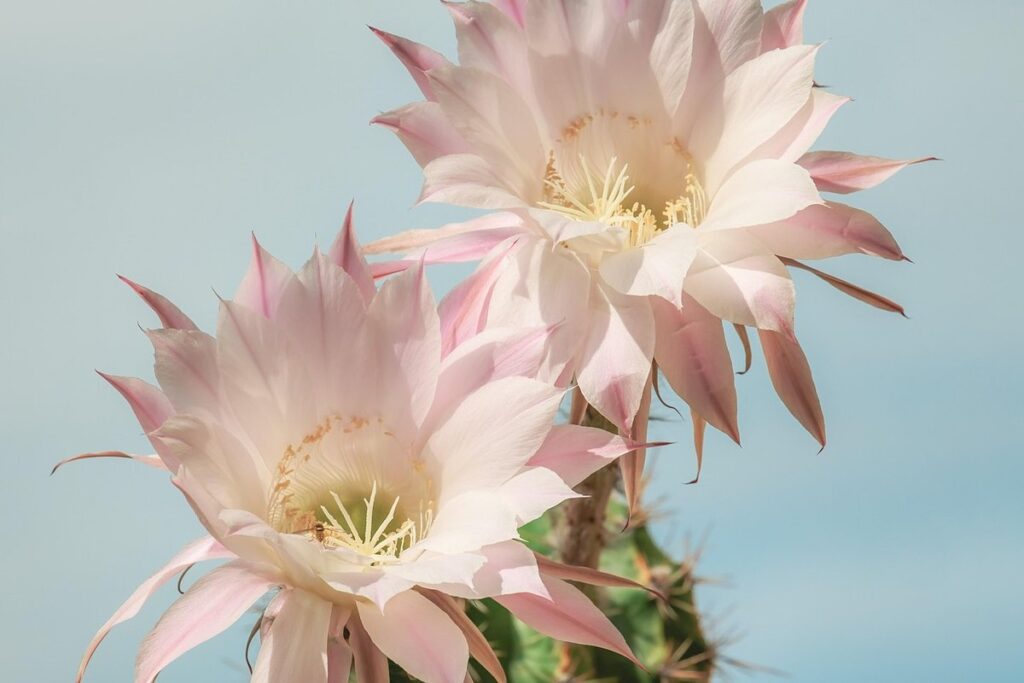
What Are Cacti with Flowers?
When you think of cacti, you probably picture a spiny plant without any flowers. But did you know that many species of cactus can and do produce beautiful blooms!
Characteristics of Cacti
Cacti have evolved unique characteristics that enable them to thrive in dry environments with minimal water. One of their most notable features is the ability to store water in their stems, a process called succulence. This adaptation allows cacti to survive for extended periods without rainfall. The stems of most cactus species are thick and fleshy, allowing them to hold large amounts of water. Some species, like the Prickly Pear Cactus (Opuntia spp.), can store up to 50 liters of water in their stems.
This ability to store water is crucial for cacti’s survival, as they often live in arid environments where rainfall is scarce. When conditions are favorable, these stored reserves enable them to produce flowers. For instance, the vibrant blooms of the Saguaro Cactus (Carnegiea gigantea) occur after significant rainfall events, which replenish their water stores. This synchronization between water availability and flowering allows cacti to maximize their reproductive success in dry conditions.
By understanding these unique characteristics, you can better appreciate how cacti have adapted to thrive in challenging environments.
Types of Cacti That Produce Flowers
Some of the most stunning cacti with flowers are those that produce vibrant blooms year-round. One of these popular species is the Saguaro (Carnegiea gigantea), a towering columnar cactus native to the Sonoran Desert. The Saguaro’s flowers, which appear in May and June, are white or yellowish in color and have five rounded petals. These flowers grow up to 2 inches long and attract pollinators like bees, butterflies, and hummingbirds.
Another species known for its showy blooms is the Prickly Pear (Opuntia spp.), a type of cactus with flat pads that are covered in sharp spines. The Prickly Pear produces clusters of small, funnel-shaped flowers in shades of pink, yellow, or red, typically blooming from spring to fall. These flowers attract a variety of pollinators and can also be used as food for animals.
The Christmas Cactus (Schlumbergera bridgesii), on the other hand, is popular for its holiday-season blooms. This low-maintenance cactus produces funnel-shaped flowers in shades of pink, red, purple, or white around December, hence its name. The Christmas Cactus thrives in cooler temperatures and can be easily propagated by leaf cuttings.
These species showcase the incredible diversity of cacti with flowers and remind us that even in the harshest desert environments, beauty and life can flourish.
Growing Conditions for Cacti with Flowers
To encourage blooming, your cactus needs bright, indirect light and temperatures between 60-70°F (15-21°C), but make sure it’s not too hot. This balance will help it thrive and produce stunning flowers.
Lighting Requirements
When it comes to growing cacti that bloom, lighting is a crucial factor to consider. While cacti can tolerate full sun, most species require some protection from intense direct sunlight to produce vibrant flowers. In fact, studies have shown that indirect light or filtered sunlight can actually increase the chances of blooming.
For example, the popular Christmas Cactus (Schlumbergera bridgesii) blooms best in east- or west-facing windows, where it receives bright, indirect light. On the other hand, some species like the Rebutia and Mammillaria prefer full sun to partial shade. To determine your cactus’s lighting requirements, observe its natural habitat.
In general, a 12-14 hour photoperiod (light-dark cycle) can stimulate flowering in many cacti species. However, some require longer or shorter periods of light. By replicating the natural day-night cycles and providing the right amount of light, you can encourage your cactus to bloom beautifully.
Watering and Fertilization Needs
When it comes to watering and fertilizing your cactus with flowers, there are specific techniques to employ in order to encourage blooming. Watering should be done sparingly, as overwatering is a common mistake that can lead to root rot and kill the plant. To avoid this, allow the soil to dry out completely between waterings, but don’t let it sit too long either – cacti need some moisture to thrive.
As for fertilization, underfertilizing is just as detrimental as overwatering. Use a balanced, water-soluble fertilizer during the growing season (spring and summer), diluting it to half the recommended strength to prevent burning your plant’s roots. You can also use compost or worm casting tea as an alternative, rich in nutrients that will promote healthy growth.
For example, if you’re using Miracle-Gro, mix one tablespoon of the powder with a gallon of water instead of following the package instructions. This approach will provide your cactus with essential micronutrients while avoiding burnout.
Caring for Cacti with Flowers: Tips and Tricks
Caring for cacti that produce beautiful flowers requires a bit of extra TLC to ensure these stunning blooms continue to thrive. We’ll cover some valuable tips on how to provide the best care.
Repotting and Pruning
When it comes to caring for cacti with flowers, repotting and pruning are crucial steps that often get overlooked. But don’t worry, we’ve got you covered! Repotting a cactus is essential when its roots have outgrown the container or if the plant has become pot-bound, meaning its roots have filled the entire pot. Generally, this happens every 2-3 years for most species.
Proper repotting promotes healthy growth and blooming, which we all want from our beautiful flowering cacti! To do it correctly, choose a slightly larger container with good drainage holes to prevent waterlogged soil. Gently remove the cactus from its old pot, taking care not to damage those delicate roots. Add fresh cactus mix and replant your cactus, firming up the soil around the base.
Pruning is also vital for maintaining shape and encouraging blooms. Prune your cactus stems in late winter or early spring when it’s dormant, removing any weak or damaged segments. Cut about one-third of the stem from the top to encourage branching and more flowers. Make clean cuts with a sharp tool, disinfecting between each cut to prevent fungal diseases. By repotting and pruning regularly, you’ll be rewarded with robust growth, vibrant blooms, and a happy, thriving cactus!
Pest Control and Disease Prevention
Pests and diseases can be a significant threat to cacti with flowers, especially if they’re not properly cared for. One of the most common pests that affect cacti is mealybugs. These small, white insects feed on the plant’s sap, causing damage and discoloration. To control an infestation, you’ll need to isolate the affected plant, scrub off any visible mealybugs with a soft-bristled brush, and treat it with insecticidal soap or neem oil.
Spider mites are another common problem, particularly in dry environments. These tiny arachnids feed on the plant’s sap, causing fine webbing and yellowing of the leaves. To prevent infestations, keep your cactus in a humid environment (around 50-60% humidity), water thoroughly but allow soil to dry out between waterings.
Scale insects can also be a problem for cacti with flowers. These flat, immobile insects feed on the plant’s sap, causing damage and stunting growth. To prevent infestations, use neem oil or insecticidal soap regularly (about once a month), and keep an eye out for any signs of pests.
In addition to pest control, it’s essential to take preventative measures against diseases that can affect cacti with flowers. These include root rot, leaf spot, and crown rot. To prevent these issues, ensure good air circulation around your plant, water thoroughly but avoid overwatering, and repot the plant every 2-3 years using fresh potting mix.
It’s also crucial to monitor your plant regularly for any signs of pests or diseases, and take action quickly if you notice anything unusual. Keep in mind that preventative measures are always better than trying to treat a problem after it arises.
The Significance of Cactus Flowers
Cacti are often associated with their stunning flowers, and for good reason: they add a pop of color to these already unique plants. Let’s explore what makes cactus blooms so special.
Cultural and Symbolic Meanings
Cactus flowers have been imbued with a rich array of cultural and symbolic meanings across various societies and traditions. In many Southwestern Native American cultures, cactus flowers are revered as sacred symbols of life and fertility. They’re often depicted in intricate pottery and textiles, serving as reminders of the cyclical nature of growth and renewal.
In Mexican culture, cacti are associated with love and passion, making their blooms a popular motif in Valentine’s Day celebrations. The iconic “Queen of the Night” (Saguaro blossom) is also a celebrated symbol of Mexican identity, appearing in artwork, literature, and even on currency.
Cactus flowers have also played significant roles in historical events, such as the California Gold Rush of 1848-1855, where they were used to mark trails and signal the presence of water. Today, cacti continue to inspire artists and writers alike, symbolizing resilience and adaptation in the face of adversity.
For gardeners looking to tap into these symbolic meanings, try incorporating cactus flowers into your landscape or home decor. Not only will you add a touch of desert charm, but also a nod to the cultural significance that surrounds these remarkable plants.
Environmental Importance
Cactus flowers play a vital role in pollination, seed production, and ecosystem health. These vibrant blooms provide nectar and pollen for bees, butterflies, and other pollinators, facilitating the reproduction of many plant species. In fact, research has shown that cacti contribute significantly to biodiversity in arid regions, where they often serve as a vital food source for desert wildlife.
When it comes to seed production, cactus flowers are essential for ensuring the long-term survival of these plants. Without successful pollination and subsequent seed set, cactus populations would quickly decline or disappear altogether. This highlights the importance of preserving cacti habitats and reducing human impact on these environments.
To support cactus conservation, consider the following steps:
* Research local cacti species and their habitats to learn more about specific needs.
* Participate in citizen science projects that help monitor and protect cacti populations.
* Reduce your carbon footprint by using eco-friendly practices, which can help mitigate climate change’s effects on these ecosystems.
By taking small actions, you can contribute significantly to the preservation of cactus flowers and their importance in pollination, seed production, and ecosystem health.
Decorating with Cacti Flowers
Adding a pop of color and vibrancy, cactus flowers can be showcased as the star attraction in your home decor. Learn how to style them for maximum impact in this section.
Arranging Cactus Blooms
When it comes to showcasing cactus blooms, arranging them thoughtfully is key. Start by selecting vases or containers that complement the vibrant colors and unique shapes of the flowers. Tall, slender vases are ideal for showcasing solitary blooms, while wider bowls can accommodate clusters of smaller flowers.
To add visual interest, consider mixing different textures and heights in your arrangement. For example, pair a delicate glass vase with the bold, spiny stems of a Christmas Cactus. Alternatively, combine small succulents with larger cacti blooms in a wooden or terracotta planter.
For a more dramatic display, create a focal point by placing a show-stopping bloom like an Echeveria on a pedestal or console table. Balance this statement piece with smaller flowers and foliage arranged in a nearby vase or container. Don’t forget to leave some negative space to avoid overwhelming the arrangement – sometimes less is more when it comes to showcasing these beautiful blooms.
By following these tips, you can create stunning displays that not only add color but also bring life to your interior spaces.
Preserving Cactus Flowers
When it comes to preserving cactus flowers, you have several methods at your disposal. Drying is one of the most popular techniques, as it allows for a natural and effortless preservation process. To dry cactus flowers, simply hang them upside down in a warm, dry location away from direct sunlight. The heat will help evaporate any excess moisture, leaving behind a delicate, papery flower that retains its original color and shape.
Another method is pressing, which involves placing the flowers between sheets of paper towels or blotting paper to absorb moisture. You can also use a flower press, which applies pressure to extract excess moisture and flatten the flowers. This method works particularly well for smaller cactus blooms. When using either drying or pressing methods, be sure to monitor your progress closely to prevent mold or mildew from forming.
To further extend the life of your preserved cactus flowers, store them in a cool, dry place away from direct sunlight. Consider placing them in a glass jar or vase with a lid to maintain humidity and keep dust at bay.
Frequently Asked Questions
How Can I Identify the Right Cactus Species for My Home or Garden?
Identify your local hardiness zone and research cactus species that thrive in those conditions. Consider factors like temperature, sunlight, and water availability when selecting a species. Some popular flowering cacti include the Christmas Cactus (Schlumbergera bridgesii) and the Easter Cactus (Hatiora gaertneri).
How Often Should I Water My Cactus with Flowers?
Water your cactus sparingly but thoroughly to encourage blooming. Overwatering can lead to root rot, while underwatering may prevent flowering. Typically, water your cactus once a week during the spring and summer months when it’s actively growing.
Can I Grow Cacti with Flowers Indoors Year-Round?
Yes! With proper care and lighting, you can grow cacti indoors year-round. Provide sufficient light through south-facing windows or use grow lights to supplement natural light. Maintain temperatures between 65°F to 75°F (18°C to 24°C) for optimal growth.
How Do I Repot My Cactus with Flowers?
Repot your cactus every 2-3 years in the spring when it becomes pot-bound. Choose a well-draining potting mix and a container that’s slightly larger than the previous one. Gently remove the plant from its pot, trim old roots if necessary, and water sparingly after repotting.
How Long Do Cactus Flowers Typically Last?
Cactus flowers can last anywhere from a few days to several weeks, depending on the species and growing conditions. Deadhead spent blooms regularly to encourage repeat flowering and promote healthy growth.