
Starting cacti from seeds can be a thrilling experience for any plant enthusiast. But, let’s face it: successfully growing cactus seedlings indoors requires some finesse. Not all species are created equal when it comes to germination and growth rates, which means choosing the right type of cactus is crucial. This guide will walk you through the process of starting cactus seeds indoors, from selecting the perfect variety to preparing the seeds for optimal growth.
We’ll cover everything you need to know about caring for your seedlings, including the best conditions for germination and how to prevent common mistakes that can lead to weak or stunted plants. Whether you’re a seasoned gardener or just starting out with cacti, this comprehensive guide will provide you with the knowledge and confidence to grow healthy, thriving cactus plants from seed.
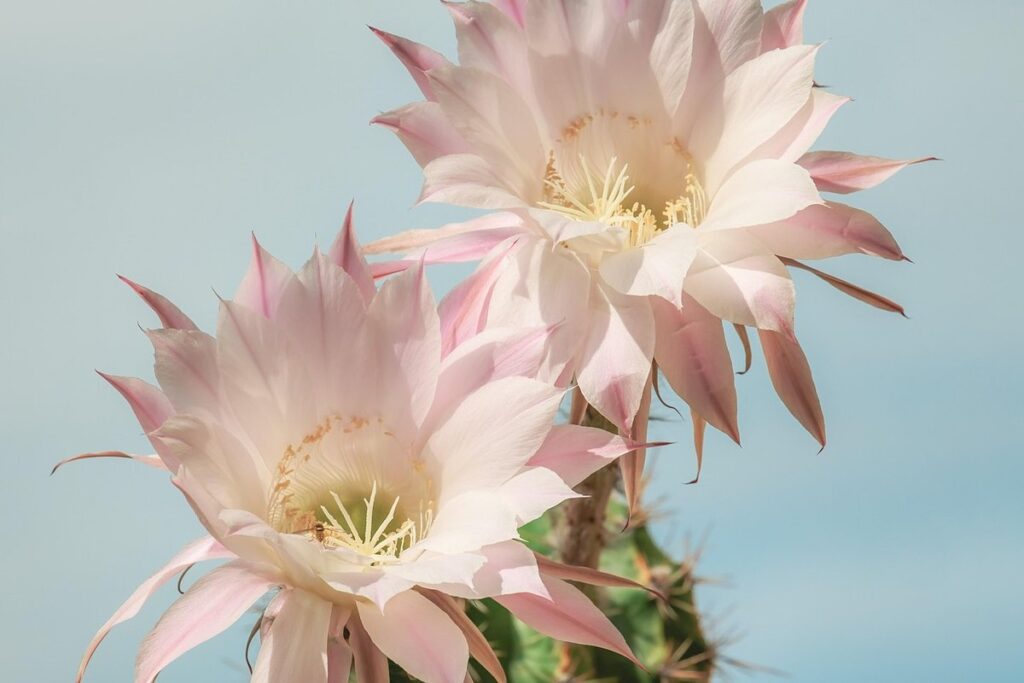
Choosing the Right Cacti Species
When starting cactus seeds, selecting the right species is crucial for a successful outcome. This section will help you navigate the various cacti species and make an informed decision.
Selecting Hardy and Easy-to-Grow Species
When it comes to selecting cacti species for seed starting, it’s essential to choose hardy and easy-to-grow varieties that can thrive in a controlled environment. Some popular options include Mammillaria, Echinocereus, and Rebutia, which are known for their rapid growth rates and adaptability to different conditions.
When selecting a cactus species, consider factors such as light requirements, temperature tolerance, and watering needs. For example, if you’re new to seed starting, a species like Mammillaria crinita is an excellent choice, as it’s relatively small, easy to care for, and can tolerate a range of lighting conditions.
Additionally, think about the space and resources you have available for your seedlings. Compact or dwarf varieties like Rebutia elegans are perfect for smaller setups, while species with faster growth rates like Echinocereus triglochidiatus require more room to expand.
Remember to research specific requirements for each species to ensure the best results for your seed starting endeavors. By choosing hardy and easy-to-grow cacti varieties, you’ll be well on your way to successfully nurturing your seeds into healthy, thriving plants.
Researching Specific Growing Requirements
When researching specific growing requirements for various cacti species, it’s essential to consider their unique needs. For example, some cacti are sensitive to frost, while others can tolerate extreme heat. The temperature range for different species varies greatly; some prefer daytime temperatures between 65-75°F (18-24°C) and nighttime temperatures around 55-65°F (13-18°C), while others thrive in temperatures above 90°F (32°C).
It’s also crucial to consider humidity levels, as some cacti are more sensitive to moisture than others. For instance, the Pincushion Cactus (Mammillaria) prefers a relatively high humidity level of around 50-60%, whereas the Christmas Cactus (Schlumbergera bridgesii) can tolerate lower humidity levels. Lighting is another critical factor; some cacti require direct sunlight for long periods, while others prefer bright indirect light.
To determine the specific growing requirements for your chosen species, research its native habitat and growing conditions. This will give you a better understanding of what it needs to thrive. Be sure to check seed packets or consult with experienced growers to ensure you’re meeting the unique needs of your cacti.
Preparing the Seeds
Now that you’ve obtained high-quality cactus seeds, it’s time to prepare them for planting. In this critical step, proper treatment will ensure healthy and successful germination.
Cleaning and Storing Cactus Seeds
Cleaning and storing cactus seeds properly is crucial to ensure maximum germination rates. One of the most critical factors affecting seed viability is handling procedures. Cactus seeds are extremely sensitive to moisture, temperature fluctuations, and light exposure, which can cause them to degrade rapidly.
To clean your cactus seeds, gently brush away any debris or dust using a small, dry paintbrush. For particularly dirty seeds, you can soak them in distilled water for about 30 minutes before rinsing with clean water. This helps dislodge impurities without compromising the seed’s delicate structure.
After cleaning, store your seeds in a cool, dry place with minimal light exposure. An airtight container or envelope sealed with masking tape is an excellent storage option. Keep them away from direct sunlight and heat sources to maintain optimal viability. It’s also essential to label the containers with the seed species, date, and any relevant notes.
Proper handling and storage can increase germination rates by up to 90%. For instance, storing Christmas cactus seeds in a refrigerator at around 40°F (4°C) has been shown to improve their chances of successful germination.
Seed Stratification Techniques
When it comes to germinating cacti seeds, one crucial step is seed stratification. This process mimics the natural conditions that seeds would experience in their native habitat, helping them break dormancy and grow. There are several techniques to achieve this: cold stratification, warm stratification, or using artificial light sources.
Cold stratification involves storing seeds in a cool, dark place (around 40°F/4°C) for 30-60 days. This simulates the winter months, allowing seeds to slowly break down their dormancy. For example, the seed of the majestic Saguaro cactus requires around 90 days of cold stratification before it will germinate.
On the other hand, warm stratification involves placing seeds in a warm location (around 70-80°F/21-27°C) for several weeks or even months. Some species, like the Christmas Cactus, can thrive under these conditions and start growing within just a few weeks.
Using artificial light sources is another way to simulate natural conditions. Grow lights can provide the necessary spectrum and intensity to encourage germination. Be cautious not to overdo it, as excessive light can be detrimental to young seedlings.
It’s essential to note that different species have unique stratification requirements, so research specific needs for your chosen cactus variety. By following these techniques and giving seeds the right conditions, you’ll be well on your way to successful germination and healthy seedling growth.
Starting Cactus Seeds Indoors
When starting cactus seeds indoors, it’s essential to follow a few key steps to ensure successful germination and healthy growth of your seedlings. Let’s dive into the specifics of indoor sowing.
Equipment Needed for Indoor Seed Starting
To successfully start cactus seeds indoors, you’ll need the right equipment. This may seem obvious, but it’s essential to have the necessary tools on hand before you begin. Let’s break down the must-haves for indoor cactus seed starting.
You’ll need small pots specifically designed for seed starting. These are usually around 1-2 inches deep and have drainage holes to prevent waterlogged soil. Choose pots made from materials like plastic, ceramic, or biodegradable materials that will eventually break down. Make sure they’re clean and free of any residual chemicals before use.
Select a high-quality seed starting mix that’s specifically designed for cacti and succulents. Avoid using regular potting soil as it may contain fertilizers that can damage young seeds.
A reliable irrigation system is also crucial for maintaining the right amount of moisture around your seeds. You can opt for manual watering or invest in an automated drip irrigation system. Grow lights are another essential component, providing your seedlings with the necessary light to grow.
Setting Up an Ideal Environment
When starting cactus seeds indoors, it’s crucial to create an environment that mimics their natural conditions as closely as possible. This is especially important during the germination phase, which can be a delicate and critical period for seedlings.
To set up an ideal environment for germination, you’ll want to control temperature, humidity, and light levels. Most cactus seeds prefer warmer temperatures between 75°F (24°C) and 85°F (29°C). Avoid placing them near drafty windows or air conditioning vents, as this can cause them to dry out.
Maintaining optimal humidity levels is also essential. Cover the seed tray with a clear plastic bag or a cloche to keep the air moist. You can also place it on a tray filled with water and pebbles to create a mini-greenhouse effect.
Provide your seeds with adequate light, but avoid direct sunlight. A south-facing window or grow lights are ideal for cactus seedlings. Keep in mind that some species require more intense lighting than others, so research specific requirements for the type of cactus you’re growing.
By controlling these factors and maintaining optimal conditions, you’ll be well on your way to successfully starting your cactus seeds indoors. Remember to monitor temperature and humidity levels regularly and adjust as necessary to ensure a healthy start for your seedlings.
Caring for Seedlings
Now that you’ve got your seedlings growing, it’s time to focus on giving them the care they need to thrive. This next step is crucial in helping your cactus seedlings become strong and healthy plants.
Watering and Humidity Management
When it comes to watering and humidity management for cactus seedlings, it’s essential to get it right from the start. Overwatering is a common mistake that can be detrimental to young cacti, leading to root rot and other problems.
Water your cactus seedlings when the soil feels dry to the touch, usually every 7-10 days during the spring and summer months when they’re actively growing. However, in the winter months, reduce watering to once a month, as growth is slower. To check soil moisture, stick your finger into the soil up to the first knuckle, and if it feels dry, it’s time for a drink.
To prevent overwatering, ensure good air circulation around your seedlings by keeping them at least 6-8 inches apart. You can also use a humidity tray or a propagation dome to maintain optimal humidity levels without drowning your seedlings. Aim for a relative humidity of 40-60% to promote healthy growth and development. Monitor your seedlings closely, and adjust your watering schedule accordingly based on their individual needs.
Pruning and Repotting
As your cactus seedlings grow and develop their root systems, they’ll eventually outgrow their initial containers. Pruning and repotting are essential steps to ensure healthy growth, prevent root bound conditions, and encourage the plant’s full potential. Prune your seedlings regularly to maintain a balanced shape, promote even growth, and direct the plant’s energy towards developing its roots.
When it comes to repotting, observe your seedling’s size and root development before transplanting. For most cacti species, wait until they have outgrown their containers by about one-third. Choose a well-draining potting mix specifically designed for cacti and succulents, as this will help prevent waterlogged soil conditions.
To repot your seedling:
* Water it thoroughly the day before to make the roots easier to handle
* Gently remove the plant from its container and examine the root system for any signs of circling or entanglement
* Trim off any severely damaged roots with sterile scissors
* Transfer the seedling to a larger pot, making sure not to pack the soil too tightly around the roots
Transplanting Cactus Seedlings Outdoors
Now that your cactus seedlings have germinated and are thriving indoors, it’s time to prepare them for their new home outside in a sunny outdoor spot. This section will guide you through the transplanting process successfully.
Preparing Seedlings for Outdoor Conditions
As you prepare to transplant your cactus seedlings outdoors, it’s essential to acclimate them to their new environment. This process is crucial for their survival and success. Cacti are adapted to harsh desert conditions, but seedlings can be fragile, so a gradual introduction to sunlight and temperature fluctuations is necessary.
Start by moving the seedlings to a shaded area outdoors for 1-2 hours a day. Observe their response, and gradually increase the duration over the next few days. Be cautious not to expose them to direct sunlight, as this can cause scorching or burning.
Also, monitor temperature fluctuations by placing the seedlings in an area that receives partial shade during the hottest part of the day. As they acclimate, you can move them to a more exposed location. It’s also essential to water your cactus seedlings sparingly during the initial stages of outdoor exposure to prevent overwatering.
Aim for 1-2 weeks of gradual acclimation before transplanting your cactus seedlings directly into their designated outdoor locations. This will give them time to adapt and minimize stress, ensuring a smooth transition from indoor to outdoor conditions.
Establishing a Thriving Plant in its Native Habitat
When transplanting cactus seedlings into their native habitat, it’s essential to choose a location that provides the right conditions for them to thrive. Start by selecting a spot with well-draining soil and full sun exposure. Cacti are adapted to dry environments, so avoid areas with standing water or where water tends to collect.
Proper spacing is also crucial when transplanting cactus seedlings. Give each plant at least 12-18 inches of space to allow for proper growth and air circulation. Overcrowding can lead to fungal diseases and pests that thrive in humid conditions.
For irrigation, it’s best to water your cacti deeply but infrequently. Water them only when the soil feels dry to the touch, usually once a week during hot summer months. Avoid getting water on the plant’s leaves or crown to prevent rot and other issues.
By choosing the right location, providing adequate spacing, and watering correctly, you’ll give your cactus seedlings the best chance to establish themselves in their native habitat.
Frequently Asked Questions
How do I know when my cactus seeds are ready to transplant?
Before transplanting, gently dig around the roots with your fingers or a blunt instrument to check for root development. If you notice white, fuzzy roots growing out of the pot’s drainage holes, it’s time to transfer them into individual pots.
Can I use regular seed starting mix instead of a specialized cactus soil blend?
While regular seed starting mix can work in a pinch, using a high-quality cactus-specific soil blend is recommended for optimal growth. These soils typically contain ingredients that help prevent waterlogged conditions and support the unique root structures of cacti.
What’s the best way to prevent over-watering when caring for my seedlings?
Water your cactus seedlings sparingly, allowing the top inch or so of the soil to dry out between waterings. This will help prevent root rot and ensure your seedlings receive the right amount of moisture. Use a watering can with a long spout to directly target the roots.
How do I handle temperature fluctuations in my indoor growing space?
Cacti generally prefer daytime temperatures around 75°F (24°C) and nighttime temperatures around 55°F (13°C). Avoid placing them near heating or cooling vents, fireplaces, or drafty windows, which can cause temperature fluctuations. Use a thermometer to monitor your growing space.
Can I grow cactus seedlings indoors with low light conditions?
While some cacti species can tolerate low light, most require bright indirect light to photosynthesize and thrive. If you’re starting seeds in an indoor location with limited natural light, consider using LED grow lights to supplement the available light. This will help your seedlings develop strong roots and healthy growth.