
Are you tired of seeing your precious crops ravaged by the cabbage white butterfly? These pesky pests can cause significant damage to your plants, reducing yields and affecting the quality of your produce. Controlling cabbage white butterfly infestations is crucial for maintaining a healthy and thriving garden or farm. But don’t worry, we’ve got you covered! In this comprehensive guide, we’ll walk you through various methods for preventing and controlling these pests using organic, cultural, and chemical approaches.
We’ll explore the most effective ways to deter cabbage white butterflies from your crops, including non-toxic traps, natural predators, and carefully timed applications of targeted pesticides. You’ll learn how to identify the early signs of an infestation and take proactive measures to prevent these pesky pests from wreaking havoc on your garden or farm. By the end of this article, you’ll be equipped with the knowledge and skills needed to keep cabbage white butterflies under control, ensuring a bountiful harvest for years to come!
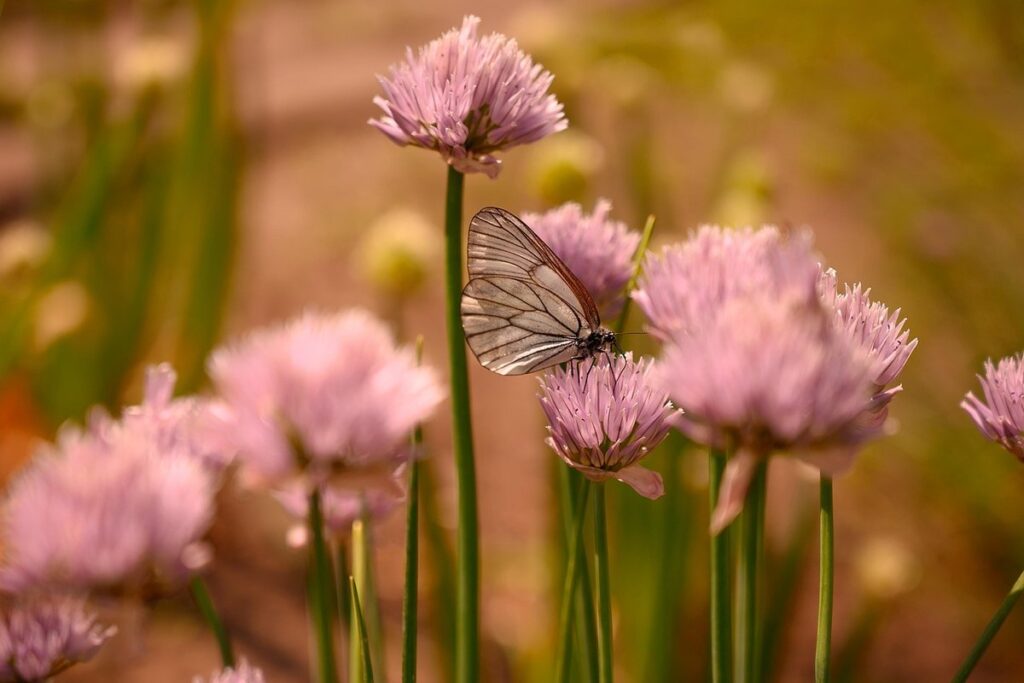
Understanding Cabbage White Butterflies and Their Lifecycle
To effectively control cabbage white butterflies, it’s essential to understand their lifecycle and behavior, which is a crucial step in developing an effective management plan. Let’s dive into how these butterflies live and grow.
Characteristics of Cabbage White Butterflies
The cabbage white butterfly is a distinctive and recognizable pest that can be identified by its appearance. Adult butterflies have a wingspan of approximately 1-2 inches (2.5-5 cm) and are typically pure white with black tips on the edges of their wings. The caterpillars, also known as instars, range in color from pale green to yellow-green, depending on their stage of development. They are often found clustered together on the underside of leaves or on stems.
These butterflies are active during the day and can be seen flying around gardens and fields in search of nectar-rich flowers or host plants for their caterpillars. Female cabbage white butterflies are known to lay their eggs on the underside of leaves, typically near the tips, which hatch into caterpillars within 3-4 days.
It’s essential to recognize these characteristics early on so you can take action against infestation and prevent further damage to your crops or garden. By understanding the appearance and behavior of cabbage white butterflies, you’ll be better equipped to implement effective control measures to manage their populations.
Life Cycle of Cabbage White Butterflies
The life cycle of cabbage white butterflies consists of four distinct stages: egg, larva, pupa, and adult. Understanding these stages is crucial for effective control measures.
During the spring season, female cabbage white butterflies lay their eggs on host plants such as cabbage, broccoli, or cauliflower. The eggs hatch into larvae within 3-5 days, depending on temperature and humidity conditions. These larvae, also known as caterpillars, feed voraciously on plant leaves, causing significant damage.
As the summer months approach, the caterpillars enter a pupal stage, usually lasting around 2 weeks. During this time, they undergo metamorphosis, transforming into adult butterflies. The newly emerged adults are typically pale yellow with black tips on their wings and are ready to begin the reproductive cycle anew.
The life cycle of cabbage white butterflies can be influenced by environmental factors such as temperature, humidity, and availability of host plants. For instance, warmer temperatures can accelerate the development process, while cooler temperatures may slow it down. Understanding these dynamics is essential for developing targeted control strategies that account for the unique needs and habits of this pest species.
In most regions, cabbage white butterflies have multiple generations per year, with adults emerging in as little as 4-6 weeks. This rapid breeding cycle can lead to overwhelming populations and severe damage to crops if left unchecked.
Importance of Managing Cabbage White Populations
If left unchecked, cabbage white populations can quickly spiral out of control, causing significant damage to crops and reducing yields. In fact, studies have shown that a single cabbage white butterfly can lay up to 800 eggs on a single plant, which can hatch into larvae within days. This explosive growth rate means that infestations can spread rapidly, catching farmers off guard.
The consequences of unchecked cabbage white populations are severe. Not only do they defoliate plants, but they also transmit diseases such as the Cabbage White Disease Virus (CWDV), which can decimate entire fields in a matter of weeks. Moreover, the larvae’s feeding activities weaken plant stalks and stems, making them more susceptible to wind damage and environmental stress.
To mitigate these risks, farmers must implement effective cabbage white control measures, including crop monitoring, biological controls, and targeted pesticides. By staying on top of infestations and taking swift action, farmers can prevent devastating losses and ensure a healthy, productive harvest.
Identifying and Monitoring for Cabbage White Infestation
To effectively control cabbage white butterflies, it’s essential to recognize early signs of infestation, so let’s dive into identifying and monitoring for these pesky pests.
Visual Inspection Methods for Detection
Visually inspecting your crops is one of the most effective ways to detect cabbage white infestation early on. To do this effectively, you need to know what to look for and where to focus your attention. Start by checking the undersides of leaves, as adult butterflies often lay their eggs there.
Look for tiny, pale yellow or greenish-yellow eggs that are usually laid in clusters. These eggs can be difficult to spot, so take a close look at any areas with damaged or discolored leaves. Next, inspect the plants for signs of larvae, such as small holes or notches on the leaves or stems.
Check for the presence of white or yellowish-green caterpillars, which are often found on the underside of leaves or on the soil surface near plant bases. Finally, keep an eye out for adult butterflies, which can be seen flying around plants or perched on nearby structures.
Using Traps and Other Detection Tools
When it comes to detecting cabbage white butterfly populations, having the right tools can make all the difference. One of the most effective ways to monitor for infestations is by using traps and other detection tools.
Sticky traps are a popular choice among gardeners and farmers alike. These adhesive-coated surfaces capture butterflies as they land, providing an easy way to identify areas where populations are high. However, sticky traps can be labor-intensive to clean and replace, so it’s essential to use them strategically.
Pheromone traps, on the other hand, rely on chemical signals to attract male cabbage white butterflies. These traps mimic the pheromones released by female butterflies, drawing in males who then become trapped. Pheromone traps are often more effective than sticky traps and require less maintenance.
When choosing between these two options, consider your specific needs. If you’re looking for a quick and easy way to identify areas of high infestation, sticky traps may be the better choice. However, if you want a more targeted approach that can help reduce populations over time, pheromone traps are worth considering.
To get the most out of these tools, remember to place them in areas where cabbage white butterflies are likely to congregate – such as near host plants or in areas with high nectar flow.
Monitoring Techniques for Early Detection
Regular monitoring is crucial for early detection of cabbage white butterfly infestations. To do this effectively, you need to establish a regular check schedule that takes into account the life cycle and activity patterns of these pests.
Timing-wise, it’s essential to monitor your crops during peak cabbage white butterfly emergence periods, which typically occur in late spring or early summer. For most regions, this is around late April to early June. However, specific timing may vary depending on your location and climate.
You should also consider the frequency of checks. This can be daily or weekly, depending on the severity of infestation and the size of your crop. A good rule of thumb is to inspect at least 10% of your plants per day for signs of eggs, caterpillars, or butterflies. For example, if you have a 100-plant cabbage crop, check at least 10 plants each day for any signs of infestation.
Additionally, consider combining visual inspections with the use of pheromone traps to capture adult butterflies and monitor their numbers.
Organic Methods for Cabbage White Control
If you’re looking for a more natural approach to cabbage white control, we’ll explore some effective organic methods that can help minimize these pests without harming your plants. These methods are a great alternative to chemical pesticides.
Handpicking and Physical Barriers
Handpicking can be an effective method for controlling small cabbage white butterfly infestations. This approach is particularly useful when dealing with isolated areas of infestation within a larger garden. To use handpicking effectively, inspect plants regularly, paying close attention to new growth and the underside of leaves where females often lay eggs.
For small infestations, carefully remove affected areas, taking care not to damage surrounding plant tissue. Dispose of removed parts immediately to prevent re-infestation. It’s also essential to remove any host plants nearby, as these can serve as a food source for caterpillars and attract more butterflies.
To prevent re-infestation, consider using physical barriers around plants. Row covers are an excellent option – these lightweight fabrics allow sunlight and water to reach plants while keeping butterflies out. Another approach is to use fine mesh or netting to enclose individual plants. These barriers can be particularly useful for protecting delicate varieties or those in early stages of growth.
When implementing handpicking or barrier methods, be sure to maintain a clean environment by regularly removing any debris or weeds that may harbor eggs or caterpillars.
Biological Controls: Parasites and Predators
Parasites and predators play a crucial role in maintaining the balance of nature, and when it comes to cabbage white butterfly control, they can be valuable allies. One of the most effective biological controls is the use of parasitic wasps, specifically Cotesia glomerata and Apanteles glomeratus. These wasps lay their eggs inside the caterpillars of the cabbage white butterfly, ensuring that the next generation of pests is significantly reduced.
Flies like Trichopoda pennipes and Trichopoda foecalis are also natural predators of the cabbage white butterfly. These flies are known to target the pupae of the butterfly, preventing them from emerging as adult moths. Encouraging these beneficial insects in your garden can be done by planting a diverse range of flowers that provide nectar for pollinators and host plants for parasitic wasps.
To attract these beneficial insects, consider creating a ‘bee hotel‘ or a ‘bug hotel’ using natural materials like bamboo, wood, or straw. This will provide them with shelter and food, increasing the chances of successful parasitism. By harnessing the power of biological control, you can reduce the need for chemical pesticides and create a more balanced ecosystem in your garden.
Cultural Controls: Crop Selection and Maintenance
Crop rotation is an effective cultural control method for managing cabbage white populations. This involves changing the location of cabbage and other Brassica crops to break their life cycle. For instance, if you’ve planted cabbage in a particular area, switch it with a different crop like beans or corn for the next season. This simple step can significantly reduce the population of cabbage whites.
Companion planting is another approach that can be used alongside crop rotation. Planting certain herbs and flowers alongside your cabbage crop can repel cabbage whites. For example, basil, dill, and nasturtiums are known to deter these pests. Incorporate them into your garden design or plant them near the affected area.
In addition to these methods, consider implementing other cultural controls such as removing weeds regularly, avoiding excessive watering, and ensuring good air circulation around the plants. These factors can contribute to a healthier environment that’s less conducive to cabbage white infestations.
Chemical Control Methods for Cabbage White Butterflies
To effectively manage a severe cabbage white butterfly infestation, learning chemical control methods is crucial. We’ll delve into the most effective chemicals to use and how to apply them safely.
Insecticides: Types and Application Methods
When it comes to controlling cabbage white butterflies, chemical control methods are often necessary. Insecticides play a crucial role in managing these pests effectively. There are various types of insecticides available for cabbage white butterfly control, including systemic and contact pesticides.
Systemic insecticides work from the inside out, absorbed by the plant’s vascular system and distributed throughout its tissues. This type of pesticide is effective against sucking insects like aphids and whiteflies but can be slow-acting on caterpillars. Contact pesticides, on the other hand, kill pests upon direct contact with the chemical.
Application methods also vary depending on the type of insecticide used. For example, foliar sprays are applied directly to the leaves to control pests that feed on them. Soil drenches, however, target pests that live in the soil or feed on plant roots. Always follow safety precautions when handling insecticides: wear protective clothing and eyewear, ensure good ventilation, and avoid applying chemicals during peak sun hours or windy conditions.
When selecting an insecticide for cabbage white butterfly control, consider factors like pesticide resistance, environmental impact, and potential harm to beneficial insects like pollinators.
Timing and Frequency of Chemical Applications
When it comes to chemical applications for cabbage white butterfly control, timing and frequency are crucial factors to consider. You want to minimize harm to beneficial insects and the environment while still effectively controlling the population.
Typically, the best time for chemical application is during the larval stage of the cabbage white butterfly’s life cycle, when they are most vulnerable. However, this can vary depending on your location and the specific pest pressure in your area. For example, if you live in a region with a long growing season, it may be necessary to apply chemicals multiple times throughout the summer.
It’s also essential to consider the frequency of applications. Applying too many chemicals too frequently can lead to resistance development in the target pests, as well as harm beneficial insects like bees and butterflies. A general rule of thumb is to space out chemical applications 7-10 days apart, allowing for maximum efficacy while minimizing environmental impact.
Keep in mind that integrated pest management (IPM) strategies often involve combining multiple control methods, including physical barriers, cultural controls, and biological controls. Chemical applications should be used judiciously and only as a last resort when other methods are not effective.
Integrated Pest Management (IPM) Strategies
Integrated Pest Management (IPM) Strategies can be a game-changer when it comes to controlling cabbage white butterflies. This holistic approach combines physical, cultural, biological, and chemical controls to manage pest populations sustainably. By integrating IPM strategies with chemical control methods, you can reduce overall pesticide use and promote sustainable agriculture practices.
One effective way to implement IPM is by monitoring your crop regularly for signs of infestation. Use sticky traps or yellow traps to capture adult cabbage white butterflies and identify any hotspots. This information will help you target specific areas where chemical controls are most needed.
Cultural controls, such as maintaining a healthy crop, providing adequate water and nutrients, and practicing good sanitation, can also reduce the attractiveness of your crops to cabbage white butterflies. Biological controls like introducing natural predators or parasites can further minimize pest populations. By combining these methods with targeted chemical control, you can maintain an optimal balance between pest control and environmental sustainability.
For example, a study in California found that implementing IPM strategies reduced pesticide use by 70% while maintaining yields comparable to those using conventional chemical-based approaches.
Preventing Future Infestations: Long-Term Management Strategies
To effectively manage cabbage white butterfly infestations, it’s essential to implement long-term strategies that prevent future outbreaks and protect your crops. We’ll explore these crucial management techniques next.
Crop Diversification and Rotation
Crop diversification and rotation are crucial long-term management strategies to reduce the risk of future cabbage white butterfly infestations. By introducing a diverse range of crops on your land, you can create an ecological barrier that makes it less hospitable for these pests. For example, planting marigolds or nasturtiums alongside cabbages can repel the butterflies, as they don’t like the strong scent and taste of these flowers.
To implement crop rotation effectively, consider a 3- to 5-year cycle. Start by planting cabbage in one section, followed by another crop that is not a member of the Brassica family, such as tomatoes or corn. The next year, return to brassicas but choose a different variety than the previous season. This approach breaks the pest’s life cycle and reduces the likelihood of infestation.
When selecting crops for rotation, focus on those with complementary growth habits, such as nitrogen-fixing legumes and companion plants that repel pests naturally.
Biological Controls: Encouraging Natural Predators
Creating a favorable environment for natural predators of the cabbage white butterfly is crucial in maintaining a balanced ecosystem and preventing future infestations. This involves creating suitable habitats that cater to their needs and managing nutrients effectively.
To create a conducive habitat, consider incorporating plants that serve as host species or food sources for beneficial insects like parasitic wasps, lacewings, and ladybugs. For instance, introducing flowers with rich nectar content, such as sunflowers or cosmos, can attract pollinators that in turn support the lifecycle of natural predators.
Nutrient management is equally important. Avoid over-fertilizing your cabbage crops, as this can lead to an explosion of pests and weeds, which often outcompete beneficial insects for resources. Instead, adopt a balanced fertilizer schedule and maintain soil health through practices like crop rotation and composting. This will promote a diverse ecosystem where natural predators thrive.
When choosing plants for habitat creation, select species that have similar growth requirements as your cabbage crops, ensuring coexistence without competition. For example, planting marigold or dill alongside cabbages can provide shelter and food for beneficial insects.
Monitoring and Adaptation: Continuous Improvement
Effective monitoring and adaptation are crucial to staying ahead of cabbage white butterfly populations. This means regularly inspecting your crops for signs of infestation, such as the presence of caterpillars or eggs on leaves. Consider using pheromone traps to detect male butterflies, which can help you anticipate potential problems.
In addition to monitoring, adapt your management strategies as needed. For example, if you notice a particularly severe infestation in one area, adjust your pesticide application schedule accordingly. Be prepared to pivot if the butterfly population is more resilient than expected or if weather conditions change. This might involve using cultural controls like hand-picking caterpillars or introducing beneficial insects that prey on cabbage white butterflies.
To take proactive measures, consider implementing an Integrated Pest Management (IPM) approach. This involves combining multiple techniques, such as crop rotation, physical barriers, and biological control methods, to manage the butterfly population. Regularly review your data and adjust your strategy based on what works best for your specific operation.
Frequently Asked Questions
What if I miss the early signs of a cabbage white butterfly infestation? Will it still be possible to control them later?
Early detection is key, but missing the early signs doesn’t necessarily mean you’re out of luck. Even if the infestation has progressed, controlling cabbage white butterflies is still possible with effective monitoring and timely management strategies. Keep an eye out for other signs, such as reduced yields or damage to your crops, which can indicate a problem.
Can I use homemade traps to control cabbage white butterflies, or are store-bought ones better?
While both options have their merits, store-bought traps often contain pheromones that attract the specific pests you’re targeting. Homemade traps might not be as effective, but they can still be useful in conjunction with other management strategies. Consider combining homemade and commercial methods for optimal results.
How do I integrate multiple control methods into my integrated pest management (IPM) strategy?
Combining organic, cultural, and chemical approaches creates a comprehensive IPM plan. Start by identifying the most effective methods for your specific situation and crop type. For example, using physical barriers to prevent infestation and introducing natural predators can be combined with targeted pesticide applications.
Can I use cabbage white butterfly control methods on other types of crops as well?
While some control strategies are universal, others may be more crop-specific. Research the specific needs of your target crop and adapt management strategies accordingly. For instance, biological controls like parasitic wasps might be more effective for controlling cabbage white butterflies on brassicas.
What’s the best way to ensure long-term management of cabbage white butterfly populations?
Preventing future infestations requires a combination of short- and long-term strategies. Crop diversification, rotation, and maintenance are essential in the long term, while monitoring and adaptation play crucial roles in the short term. Continuously evaluate your management plan’s effectiveness and make adjustments as needed to maintain control over cabbage white butterfly populations.