
If you’re anything like me, you love growing your own cabbages, but sometimes those pesky pests or lackluster yields can be frustrating. Well, what if I told you that there’s a simple way to boost your cabbage crops and make gardening easier? It all comes down to companion planting – the art of pairing plants together to create a harmonious and thriving garden ecosystem.
By choosing the right companions for your cabbages, you can reduce pest damage, improve growth rates, and even increase yields. But with so many options out there, it’s easy to get overwhelmed or make mistakes that can harm your crops. In this article, we’ll explore the best companion plants for cabbage, common mistakes to avoid, and tips for a successful and stress-free harvest. Whether you’re a seasoned gardener or just starting out, keep reading to discover how companion planting can take your cabbage garden to the next level!
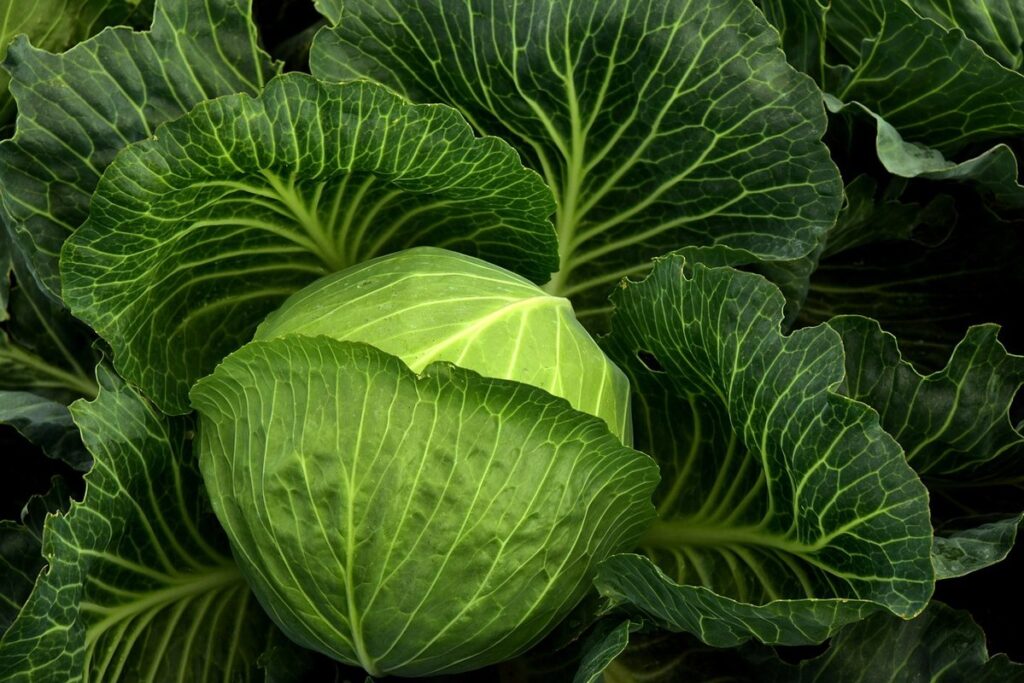
What Are Cabbage Companion Plants?
So, you want to know what companion plants are and how they can benefit your cabbage crop? Let’s dive into the basics of this simple yet effective gardening technique.
Benefits of Planting Companion Plants
Planting companion plants alongside cabbage not only adds visual appeal to your garden but also provides numerous benefits that can enhance its overall health and productivity. By choosing the right companions, you can create a balanced ecosystem where each plant supports the growth of others.
One of the most significant advantages of using companion planting is improved growth. When certain plants are grown together, they can stimulate each other’s growth by releasing beneficial chemicals or providing shade from intense sunlight. For example, basil and cilantro have been known to enhance cabbage growth by repelling pests that target it.
Companion planting also helps reduce pest and disease issues in your garden. By introducing companion plants with natural deterrents or attractants for beneficial insects, you can minimize the need for pesticides and other chemicals. Marigold flowers, for instance, repel nematodes and other microscopic pests that can harm cabbage roots.
In addition to these benefits, companion planting can also increase yields in your cabbage crop. By growing plants like radish or nasturtiums alongside cabbage, you can create a microclimate that promotes healthy growth and encourages the cabbage to mature more quickly.
Understanding How Companion Plants Work
Companion plants have been used for centuries to enhance crop growth and health. The science behind how they interact with each other is fascinating. When a companion plant is planted near cabbage, it can either support or inhibit its growth. This phenomenon is known as allelopathy.
For example, the scent of marigold flowers repels nematodes that can harm cabbage roots, while basil’s fragrance deters pests like aphids and whiteflies. On the other hand, some plants, such as onions and garlic, release compounds that can stunt the growth of nearby cabbage plants. This is why it’s essential to choose companion plants carefully.
The impact of companion plants on cabbage health can be seen in several ways: They can improve soil quality by attracting beneficial insects or fixing nitrogen; repel pests that would otherwise damage the cabbage leaves; or even provide shade, reducing moisture loss and stress on the plant. By understanding how companion plants interact with each other and your cabbage crop, you can create a thriving garden ecosystem.
Some popular companion plants for cabbage include nasturtiums, calendula, and dill.
Choosing the Right Companion Plants for Cabbage
When it comes to growing healthy cabbage, choosing the right companion plants is crucial to preventing pests and diseases. Let’s explore some top picks that’ll keep your cabbages thriving.
Companions That Repel Pests
When it comes to growing cabbage, one of the biggest challenges you’ll face is dealing with pests. Aphids, whiteflies, and slugs can quickly decimate a healthy crop if left unchecked. Fortunately, there are several companion plants that repel these common cabbage pests.
Marigold, for example, is a natural aphid repellent. Its bright orange and yellow flowers emit a strong scent that deters aphids from landing on nearby cabbage plants. Another great option is basil – not only does it add flavor to your cooking, but its fragrance also keeps whiteflies at bay. Garlic, meanwhile, is a potent slug deterrent. Planting garlic cloves around the perimeter of your cabbage bed can help keep these slimy pests away.
To get the most out of these pest-repelling companions, be sure to plant them in close proximity to your cabbage plants. Aim for a ratio of 1:3 or 1:5 (one companion plant per three to five cabbage plants). This will ensure that the scent and fragrance from the companion plants are strong enough to repel pests effectively.
Companions That Improve Growth
When selecting companion plants for cabbage, it’s essential to choose varieties that improve soil health, provide shade when needed, and offer structural support. This trio of benefits can significantly enhance the growth and overall well-being of your cabbage crop.
Consider adding marigold or nasturtiums to your garden bed – both are known to repel nematodes and other pests that target cabbage plants. These flowers’ roots improve soil health by introducing beneficial microbes, which in turn stimulate the growth of healthy microorganisms that support plant development. By incorporating such beneficial additions, you can foster a robust and resilient cabbage crop.
For shade provision, look no further than lettuce or mint, which cast dappled shadows that protect delicate leaves from intense sunlight. By strategically placing these companion plants, you can avoid scorching and promote even growth throughout your cabbage head.
When evaluating the structural support needs of your cabbage plants, consider incorporating tall-growing companions like sunflowers or fennel to create a natural trellis system. This allows for air circulation and prevents moisture accumulation, which is particularly beneficial in humid climates where fungal diseases thrive.
Plants That Attract Beneficial Insects
When it comes to companion planting for cabbage, incorporating plants that attract beneficial insects can make a huge difference in pest control. Let’s explore some great options!
Nectar-Rich Flowers for Pollinators
When it comes to creating a thriving cabbage garden, it’s not just about planting the right cabbage companion plants – you also need to attract beneficial insects that will help pollinate and protect your crop. One of the most effective ways to do this is by incorporating nectar-rich flowers into your garden design.
These flowers are like a welcoming mat for bees, butterflies, and other pollinators, providing them with the energy they need to fly from flower to flower collecting nectar and pollen. As a bonus, many of these flowers will also attract beneficial insects that prey on pests that can damage cabbage, such as aphids and whiteflies.
Some top picks for nectar-rich flowers include sunflowers, zinnias, cosmos, and marigolds. Plant them near your cabbage plants to create a pollinator-friendly haven in your garden. Try mixing different varieties together to attract a wide range of beneficial insects. By doing so, you’ll be creating a balanced ecosystem that will help your cabbages grow strong and healthy – without relying on chemical pesticides or other external inputs.
Companion Plants That Trap Pests
When it comes to growing cabbage, companion plants can not only enhance its flavor and texture but also play a crucial role in protecting it from pests. Introducing “trap crop” plants that attract pests away from your cabbage is an effective way to reduce the need for pesticides. One excellent example of such a plant is nasturtiums (Tropaeolum majus). These colorful flowers are known to repel aphids, whiteflies, and squash bugs – common cabbage pests.
To use nasturtiums as a trap crop, simply plant them around the perimeter of your cabbage bed or intersperse them among the plants. As these pests come into contact with the nasturtiums, they will feed on the plant’s sap instead of damaging your precious cabbage leaves. This technique is often referred to as “push-pull” planting.
Other beneficial plants that fit this category include calendula (Calendula officinalis) and dill (Anethum graveolens). By incorporating these trap crops into your garden, you’ll not only minimize the risk of pest damage but also promote a balanced ecosystem that supports the health and well-being of both your cabbage and beneficial insects.
Nitrogen-Fixing Companions for Cabbage
When it comes to growing healthy and thriving cabbage, nitrogen-fixing companions can be a game-changer. Learn which plants are perfect partners for your cabbages!
Legumes as Nitrogen Fixers
When it comes to growing cabbage, one of the most important things is ensuring that the soil has adequate nitrogen levels. Nitrogen is a macronutrient essential for plant growth and development, particularly for leafy greens like cabbage. That’s where legumes come in – these incredible plants have the unique ability to fix nitrogen in the soil, making them perfect companions for cabbage.
Legumes such as beans (kidney beans, black beans), peas, lentils, and clover are all great examples of nitrogen-fixing plants. They have nodules on their roots that contain bacteria called Rhizobia, which convert atmospheric nitrogen into a form that’s easily accessible to the plant. By incorporating legumes into your cabbage crop rotation, you can reduce the need for synthetic fertilizers and create a more sustainable garden ecosystem.
To get started, simply sow beans or peas alongside your cabbage plants in the spring or early summer. As they grow, their roots will begin to fix nitrogen, which will be readily available to your cabbage. You can also consider intercropping with clover or planting legumes as a cover crop before sowing cabbage seeds. This will not only provide a natural source of nitrogen but also improve soil structure and fertility.
Other Nitrogen-Rich Companion Plants
In addition to legumes like beans and peas, there are several other nitrogen-rich companion plants that can benefit cabbage. One such example is clover, which has the ability to fix atmospheric nitrogen into the soil through a symbiotic relationship with rhizobia bacteria. This makes it an excellent addition to cabbage beds, as it not only provides a rich source of nutrients but also attracts beneficial insects like bees and butterflies.
Comfrey is another nitrogen-rich companion plant that pairs well with cabbage. Its deep taproots allow it to draw up nutrients from the subsoil, which are then released back into the soil through its leaves. This process can be leveraged by cabbage plants growing nearby, providing them with essential nutrients they may not have otherwise accessed.
Radish is also a good companion plant for cabbage, as it repels pests that target cabbage and helps to break up compacted soil around the plants’ roots.
Using Companion Planting in Your Garden
When it comes to growing cabbage, companion planting can make all the difference in keeping pests away and boosting yields. Let’s explore some of the best plants to pair with cabbage for a thriving harvest.
Designing a Companion Planting System
When designing a companion planting system for your garden, it’s essential to consider both layout and spacing. A well-planned system can maximize benefits from your cabbage companion plants while minimizing potential drawbacks.
Start by identifying the mature size of each plant species involved. Cabbage requires about 2-3 feet of space between plants, so leave enough room in your layout for this growth. Position taller plants like sunflowers or tomatoes to provide shade and support for lower-growing companions like marigolds or basil.
To optimize benefits from companion planting, group similar plants together based on their growing conditions and needs. For example, if you’re growing a mix of cool-season crops like cabbage, kale, and spinach, place them in a separate section of your garden to reduce competition for resources.
When deciding where to locate specific companion plant pairs, remember that some combinations benefit from being placed at opposite ends of the bed. For instance, planting garlic near cabbage can help repel aphids, but placing it too close may stunt the growth of other nearby plants. Consider these layout and spacing considerations when designing your companion planting system for a thriving garden ecosystem.
Integrating Companion Plants into Your Existing Garden
Integrating companion plants into your existing garden can be as simple as swapping out a few individual vegetables or rearranging the layout to create more harmonious relationships between species. Before making changes, consider the mature size of both the cabbage and its companion plant. This will help you avoid overcrowding and ensure that each plant receives adequate sunlight.
Choose a companion plant that complements your cabbage’s growth patterns. For example, planting marigolds alongside cabbages can help repel nematodes, which are microscopic worms that feed on plant roots. As the marigold grows, its fragrance will also deter pests like aphids and whiteflies from reaching the cabbage.
Begin by carefully digging up the soil around your existing cabbage plants to create space for new companion plants. Plant them at a suitable distance from the cabbage, taking into account their mature size. Make sure both plants receive adequate water and nutrients during their growth phase.
Common Mistakes to Avoid with Cabbage Companion Plants
When planting cabbage companion plants, it’s easy to make mistakes that can harm your crop, so let’s explore some common pitfalls to avoid. We’ll cover what not to do when choosing companions for your cabbage.
Overcrowding the Bed
When planting cabbage companion plants, it’s easy to get carried away with the excitement of growing multiple varieties together. However, overcrowding the bed can lead to disastrous consequences for your crops.
Leaving sufficient space between plants is crucial for two main reasons: proper growth and air circulation. If plants are too close together, their leaves will compete for sunlight and water, stunting their growth and making them more susceptible to disease. On the other hand, when there’s enough breathing room between plants, each individual can thrive without compromising the others.
As a general rule of thumb, plant cabbage companions at least 12-18 inches apart from one another. This allows for easy access for harvesting, weeding, and pruning, making it easier to maintain your garden’s overall health. To take this principle further, consider grouping similar plants together (e.g., leafy greens like kale or lettuce) and separate the more robust companions (such as dill or cilantro).
Using Incompatible Companions
When it comes to choosing companion plants for cabbage, it’s essential to avoid combinations that can harm or even kill these beneficial veggies. Some plants might seem like a good match at first glance, but they can have adverse effects on the growth and health of your cabbage crop.
One common example is planting onions near cabbage. Onions are known to be a natural repellent for pests, but when paired with cabbage, they can also release chemicals that stunted the growth of these plants. This is because onions and cabbage both belong to the Brassica family and can have similar chemical signatures, which can lead to competition for nutrients and space.
Another plant to steer clear of is beans. While beans are a great companion for many vegetables, they don’t mesh well with cabbage due to their nitrogen-fixing abilities. These properties can promote excessive leaf growth in the cabbage plants, making them more susceptible to disease and pests. By avoiding these incompatible combinations, you can create a harmonious growing environment that allows your cabbage plants to thrive.
Conclusion: Creating a Thriving Cabbage Garden
Now that you’ve learned how to choose the perfect companions for your cabbage, let’s discuss the final steps to ensure your garden thrives and produces an abundance of delicious harvests.
Summarizing Key Takeaways
As you’ve reached the end of this comprehensive guide to cabbage companion plants, let’s take a moment to recap the benefits and key takeaways from our journey together. By now, you’re likely aware that incorporating companion plants into your cabbage garden can significantly enhance growth, flavor, and pest resistance.
You may recall that some of the top cabbage companions include garlic, onions, carrots, and dill. These plants not only repel pests like aphids and whiteflies but also attract beneficial insects like bees and butterflies. By strategically planting these companions alongside your cabbage, you can create a thriving ecosystem that promotes healthy growth and minimizes the need for pesticides.
In addition to the specific companion plant suggestions outlined in this guide, remember that crop rotation and spacing are crucial for maintaining soil health and preventing pests from becoming too comfortable on your land. As you begin to experiment with new combinations of cabbage companions, keep these key principles in mind: observe what works best for your unique garden conditions and adjust accordingly. With practice and patience, you’ll soon be enjoying a robust harvest of delicious cabbages!
Final Tips for Success
As you’ve learned about the importance of companion planting for your cabbage garden, it’s time to put these new skills into practice. Here are some final tips to ensure your cabbage crop thrives.
First and foremost, remember that every plant has its unique needs and requirements. Consider the mature size of each companion plant and leave enough space between them to prevent overcrowding. This will not only promote healthy growth but also make it easier to maintain your garden.
Don’t be afraid to experiment with different combinations of plants. What works for one gardener may not work for another, so keep a journal or take notes on what works best for your specific climate and soil conditions.
Keep in mind that some companion plants can have competing needs, such as water or nutrients. Be mindful of these potential conflicts and adjust accordingly to ensure both plants receive the care they need.
With these final tips in mind, you’re well on your way to creating a thriving cabbage garden filled with healthy, pest-free plants. By following the companion planting principles outlined in this guide, you’ll be able to enjoy a bountiful harvest and share your success with friends and family.
Frequently Asked Questions
How Do I Know Which Companion Plants to Choose for My Cabbage Garden?
Choose companion plants based on their specific benefits, such as pest-repelling or nitrogen-fixing abilities. Research each plant’s requirements and ensure they’re compatible with your cabbage crop. Consider factors like climate, soil type, and mature size to select the most suitable companions.
Can I Use Companion Planting for Other Types of Crops Besides Cabbage?
Yes! Companion planting is not limited to cabbage gardens. It can be applied to various crops, including vegetables, fruits, and flowers. Research specific companion plants for your target crop to create a balanced ecosystem that promotes healthy growth and minimizes pests.
What’s the Best Way to Integrate Companion Plants into My Existing Garden?
Start by identifying areas with high pest activity or nutrient deficiencies. Then, select companion plants that address these issues and plant them accordingly. Consider intercropping, where companion plants are grown alongside each other, or use a crop rotation system to maximize benefits.
Will Using Companion Planting Disrupt the Soil’s pH Balance or Nutrient Availability?
No! Well-chosen companion plants can actually improve soil health by adding beneficial microorganisms, increasing nutrient availability, and reducing pests that might harm crops. However, it’s essential to research each plant’s specific requirements to avoid any potential disruptions.
Can I Use Companion Planting as a Standalone Solution for Pest Control or Soil Improvement?
While companion planting is an effective tool, it’s best used in conjunction with other gardening practices like crop rotation, organic fertilizers, and physical pest control methods. A comprehensive approach will yield the best results and create a thriving, balanced ecosystem in your garden.