
Hydrangeas are one of the most beautiful additions to any garden, but their stunning blooms can quickly go from gorgeous to gangly if not pruned properly. As a hydrangea owner, you want to make sure your plants receive the right care to thrive and produce those gorgeous flowers year after year. However, pruning can be intimidating, especially when you’re unsure of where to start.
In this comprehensive guide, we’ll walk you through everything you need to know about buying and pruning hydrangeas. We’ll cover the essential tools you’ll need, including pruning shears and loppers, as well as the best timing for pruning your specific type of hydrangea. You’ll also learn various techniques for pruning, from basic cuts to more advanced methods. Along the way, we’ll highlight common mistakes to avoid so you can enjoy healthy blooms all season long.
Understanding Hydrangea Pruning Basics
When it comes to pruning hydrangeas, knowing the basics is crucial for encouraging blooming and maintaining a healthy plant. Let’s dive into what you need to know.
Why Prune Hydrangeas?
Pruning hydrangeas is an essential part of their care and maintenance. When done correctly, pruning promotes healthy growth by removing dead, diseased, or damaged branches that can spread disease and attract pests. By cutting back these weak areas, you encourage the plant to focus its energy on producing new growth, making it stronger and more resilient.
Pruning also plays a crucial role in encouraging blooming. Hydrangeas produce flowers on old wood, which means they grow on last year’s stems. Regular pruning helps to direct the plant’s energy towards producing blooms by removing weak or spindly growth that can steal nutrients from flowering branches. This results in more abundant and vibrant flower production.
Maintaining a well-shaped hydrangea is also essential for its overall health and appearance. Pruning helps to maintain an attractive shape, promotes air circulation around the plant, and prevents it from becoming leggy or overgrown. Regular pruning keeps your hydrangea looking its best and ensures it continues to thrive in your garden.
Types of Hydrangeas and Their Pruning Needs
When it comes to pruning hydrangeas, understanding the unique characteristics of each type is crucial for proper care and maintenance. There are four main types of hydrangeas: bigleaf, panicle, smooth, and oak-leaf.
Bigleaf hydrangeas (Hydrangea macrophylla) are known for their large, showy flowers that can grow up to 12 inches in diameter. They require regular pruning to maintain shape and promote blooming. Prune these hydrangeas immediately after flowering, cutting back the stems to about one-third of their height.
Panicle hydrangeas (Hydrangea paniculata), on the other hand, have slender branches and smaller flowers that bloom from late summer to fall. They can tolerate some neglect but still require occasional pruning to maintain shape and encourage blooming. Prune panicle hydrangeas in late winter or early spring.
Smooth hydrangeas (Hydrangea arborescens) are known for their compact growth habit and small, white flowers. They require minimal pruning and can be pruned at any time of year.
Oak-leaf hydrangeas (Hydrangea quercifolia) have leaves that resemble oak leaves and produce white flowers in the summer months. They require occasional pruning to maintain shape and promote blooming. Prune these hydrangeas in late winter or early spring, cutting back the stems to about one-third of their height.
In general, it’s essential to prune hydrangeas at the right time for your specific climate and region to ensure proper growth and flowering.
Choosing the Right Tools for Pruning
When it comes to pruning your hydrangeas, you’ll want to have the right tools for the job. In this next part of our guide, we’ll cover what to look for when selecting the perfect pruners and loppers.
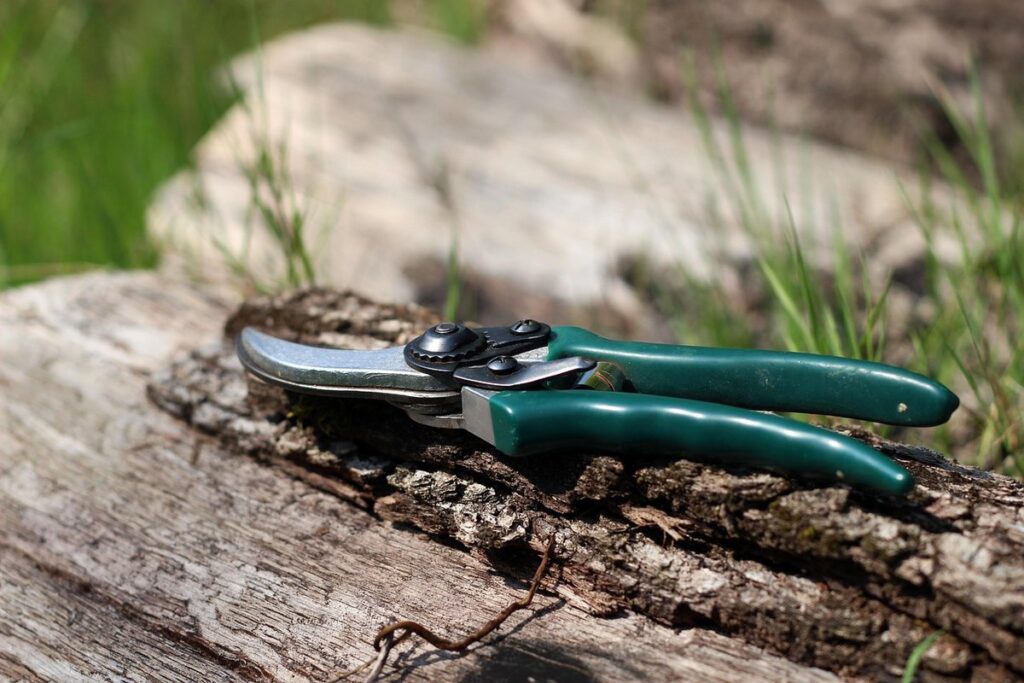
Hand Pruners vs. Loppers: What to Use
When it comes to pruning hydrangeas, having the right tools for the job can make all the difference. While hand pruners and loppers are often sufficient for most pruning tasks, there may be situations where a saw is necessary.
Hand pruners are ideal for cutting small branches up to 1 inch in diameter. They’re perfect for deadheading spent flowers, removing weak growth, or shaping smaller hydrangea varieties like ‘Limelight’ or ‘Vanilla Strawberry’. However, when dealing with thicker stems, hand pruners can become difficult to maneuver and may cause the branch to split.
Loppers, on the other hand, are designed for cutting thicker branches up to 2 inches in diameter. They’re a must-have for larger hydrangea varieties like ‘Big Daddy’ or ‘Tardiva’, where you need to remove larger stems or cut back canes. Look for loppers with long handles (around 30-36 inches) for better leverage and control.
As a general rule, use hand pruners for smaller pruning tasks and loppers for thicker branches. If you’re dealing with very thick or hard wood, consider using a saw to avoid damaging the tool. It’s also worth noting that bypass pruners are more suitable for hydrangea stems than anvil pruners, as they cause less damage to the plant.
How to Prepare Your Tools for Pruning
When it comes to pruning hydrangeas, having sharp and clean tools is essential for making precise cuts and preventing the spread of diseases. Before you start pruning, take some time to prepare your tools.
Start by cleaning your pruning shears or loppers with soap and water. Use a soft-bristled brush to remove any debris that may be stuck in the blades. Then, use a disinfectant solution to kill any bacteria or fungi that may be present. You can use a mixture of 1 part bleach to 9 parts water as a disinfectant.
To maintain your pruning tools, sharpen them regularly using a sharpener or whetstone. A dull blade can tear the plant’s bark instead of making clean cuts, which can lead to disease and decay. Replace your blades if they become too worn out.
Additionally, store your pruning tools in a dry place to prevent rust and damage. Regularly checking and maintaining your tools will ensure that they remain effective throughout the pruning season. This will not only make the task easier but also help you achieve the desired results for your hydrangeas.
Timing and Preparing for Hydrangea Pruning
When it comes to pruning your hydrangeas, timing is everything. To get the most from your blooms, learn when to prune and how to prepare your tools in this essential step-by-step guide.
When to Prune: Seasonal Considerations
When it comes to pruning hydrangeas, timing is crucial to ensure healthy growth and blooms. The best time to prune hydrangeas depends on their growth cycle and climate conditions.
For bigleaf and oakleaf hydrangeas, which bloom on old wood, it’s essential to prune them immediately after they finish blooming in the summer. Pruning during this time allows you to remove spent flowers and shape the plant without cutting off next year’s buds.
In colder climates, wait until late winter or early spring (February-March) to prune panicle and smooth hydrangeas that bloom on new wood. This timing ensures that new growth can develop before blooming occurs in the summer.
Avoid pruning hydrangeas during their active growing season (spring-fall), as this can cause stress and reduce blooming potential. Additionally, never prune hydrangeas when they’re under drought stress or nutrient-deficient conditions.
By considering these seasonal factors, you’ll be able to prune your hydrangeas at the right time, promoting healthy growth and optimal blooms.
Removing Dead or Damaged Wood
When identifying dead, diseased, or damaged branches on your hydrangea plant, it’s essential to prioritize removal to prevent further damage and promote healthy growth. Start by visually inspecting the plant, paying close attention to areas with discoloration, brittleness, or an unnatural appearance.
Remove any branches that are:
• Completely dry and brittle
• Showing signs of disease such as black spots, yellowing leaves, or fungal growth
• Damaged from storms or other environmental factors
Cut back these branches at a 45-degree angle, making sure the cut is about one-quarter inch above a growth node. This will help prevent water from collecting on the cut and reduce the risk of infection.
Remember to disinfect your pruning tools between cuts to prevent spreading disease. For severely damaged or diseased areas, consider using a fungicide or bactericide according to the manufacturer’s instructions.
Step-by-Step Hydrangea Pruning Techniques
Now that you have a basic understanding of hydrangea pruning, let’s dive into the step-by-step techniques for cutting back your shrubs to maintain their shape and promote healthy growth. With these easy-to-follow instructions, you’ll be a pro in no time!
Cutting Back Overgrown Stems
When cutting back overgrown stems on your hydrangea, it’s essential to approach this task with care. Begin by removing any dead, diseased, or damaged wood using pruning shears or loppers. This will help prevent the spread of disease and encourage new growth.
Next, identify the main stems that are beyond repair due to their overgrown state. Cut these back to about 12-18 inches from the ground using a sharp pair of loppers or pruning saw. Make clean cuts just above a bud eye, as this will promote new growth and help maintain the plant’s shape.
As you cut back, consider the overall structure of your hydrangea. Aim for a balanced look by cutting back stems on one side to encourage growth on the other. This will also help prevent the plant from becoming too leggy or top-heavy. With careful pruning, you can restore your overgrown hydrangea to its former glory and enjoy beautiful blooms in no time. Remember to water well after pruning to help your plant recover and thrive.
Deadheading and Removing Blooms
Deadheading is an essential step in maintaining healthy and thriving hydrangeas. After blooming, it’s crucial to remove spent flowers to encourage repeat flowering and prevent seed production, which can drain the plant’s energy. To deadhead, simply snip off the faded blooms with a pair of clean pruning shears or loppers, making sure to cut just above a leaf node. This will help direct the plant’s energy towards producing new growth and blooms.
For bigleaf hydrangeas (Hydrangea macrophylla), it’s best to remove spent flowers as soon as they fade, ideally within 2-3 weeks after blooming. This will give you the best chance of seeing repeat flowering later in the season. For panicle hydrangeas (Hydrangea paniculata) and smooth hydrangeas (Hydrangea arborescens), deadheading is less critical, but still beneficial for promoting healthy growth.
Removing spent blooms also helps maintain plant appearance and prevents fungal diseases from developing on old flowers. By incorporating regular deadheading into your pruning routine, you’ll be rewarded with a lush, blooming hydrangea that brings joy to any garden or outdoor space.
Common Mistakes to Avoid When Pruning Hydrangeas
When pruning hydrangeas, it’s easy to get caught up in the excitement of shaping your plant and overlook some crucial mistakes that can actually harm its health. Don’t let these common errors sabotage your efforts!
Over-Pruning: A Recipe for Disaster
Over-pruning is one of the most common mistakes gardeners make when it comes to hydrangea care. While pruning may seem like a straightforward task, it’s easy to go overboard and inadvertently do more harm than good. When you prune too much, you can end up removing not just the old flowers but also the buds that would have produced new blooms.
This is especially true for bigleaf and panicle hydrangeas, which rely on last year’s stems to produce flowers in the current growing season. If you remove too many of these stems, you’ll be left with nothing to show for it come springtime. In fact, studies have shown that over-pruning can lead to a significant reduction in flower production – up to 75% in some cases!
But the consequences don’t stop there. Over-pruning can also weaken your hydrangea’s overall structure, making it more susceptible to disease and pests. And if you’re really unlucky, you might even kill off your plant altogether.
To avoid this disaster, try to prune only what’s necessary – about one-third of the stems at most. Remember to remove any dead or damaged wood, but leave the healthy buds intact. With a little finesse and restraint, you’ll be enjoying beautiful blooms in no time!
Under-Pruning: Missing Opportunities for Improvement
Under-pruning can be just as detrimental as over-pruning when it comes to hydrangeas. By not removing enough of the plant’s dead or dying wood, gardeners may inadvertently limit their hydrangea’s potential for growth and flowering. Under-pruned hydrangeas often have weak and spindly stems that are prone to breaking in the wind.
This can be particularly noticeable when it comes to blooming, as under-pruned plants tend to produce fewer flowers or smaller blooms. Instead of cutting back just a few select branches, gardeners should aim to remove around one-third to one-half of the plant’s oldest stems each year. This will encourage new growth and promote healthy, vigorous blooms.
Don’t be afraid to get in there with your pruning shears and make some bold cuts – it may seem counterintuitive, but removing more wood can actually lead to a healthier and more robust hydrangea. By adopting this approach, gardeners can enjoy a more vibrant and prolific bloomer for years to come.
Conclusion and Next Steps
Now that you’ve mastered the art of hydrangea pruning, it’s time to review what you’ve learned and plan for future care. Here are some key takeaways to keep in mind.
Recap of Key Takeaways
Now that you’ve completed reading this comprehensive guide on buy hydrangea pruning, let’s recap the essential points to ensure you’re well-equipped for proper care and maintenance of these beautiful flowers.
Pruning tools play a crucial role; invest in sharp, clean equipment like loppers or pruning shears, which will make cutting through branches easier and minimize damage to your plant. Timing is also vital – prune hydrangeas during their dormant season (winter) for optimal growth and blooming results.
Some key techniques worth noting include cutting back old flowers after they’ve faded, removing any dead or diseased branches, and shaping the plant to maintain its desired form. It’s essential to avoid common mistakes such as pruning too much of the stem at once, which can shock the plant, or failing to disinfect your tools between cuts.
As a recap, don’t forget these simple yet impactful tips:
* Always prune during the dormant season
* Use sharp and clean equipment to avoid damaging the plant
* Remove dead or diseased branches
* Cut back old flowers after they’ve faded
Final Tips for Success with Hydrangeas
As you’ve learned the ins and outs of hydrangea pruning, it’s time to put these skills into practice. To ensure the continued health and vibrancy of your plants, regular monitoring is crucial. Set aside a few minutes each week to inspect your hydrangeas for signs of stress or disease. Check for yellowing leaves, droopy stems, or unusual growth patterns – these can be indicative of underlying issues.
Don’t forget about ongoing pruning needs! While you’ve mastered the basics, different seasons bring unique challenges. During the growing season (spring-fall), focus on regular deadheading to encourage blooming and maintain a neat appearance. In winter, reduce watering to prevent root rot and protect your plants from harsh weather conditions. To avoid over-pruning, create a pruning schedule that suits your specific climate and plant types.
By integrating these habits into your garden routine, you’ll be well-equipped to handle any challenges that come your way. With time and practice, hydrangea care becomes second nature – allowing you to enjoy the beauty of these stunning plants for years to come.
Frequently Asked Questions
What if I’m unsure about which type of hydrangea I have?
If you’re unsure about the specific type of hydrangea, observe its growth habits, flower color, and bloom time. Research online or consult with a local nursery to identify your plant’s characteristics and determine its pruning needs.
Can I prune my hydrangeas in the fall instead of spring?
While it’s technically possible to prune in the fall, spring is usually the best time for most hydrangea varieties. Pruning in the fall can encourage new growth that may not have enough time to harden off before winter, making it more susceptible to damage.
How do I know if I’m over-pruning my hydrangeas?
Over-pruning can be identified by removing too much of the plant’s foliage or cutting back stems too aggressively. Look for signs like reduced blooming, weak growth, or an increased risk of disease and pests. Adjust your pruning strategy to focus on maintaining healthy branches while encouraging new growth.
Can I prune my Bigleaf hydrangeas more than once a year?
For Bigleaf hydrangeas, it’s generally recommended to prune only once in late winter or early spring. Pruning too frequently can lead to weak, leggy growth and reduce blooming potential. If you notice extensive dead or damaged wood, consider pruning more heavily in one session while still following the general rule of pruning no more than 25-30% of the plant’s overall height.
What if I’ve recently transplanted my hydrangea and want to prune it?
When transplanting a hydrangea, it’s essential to allow the plant time to establish itself before pruning. Wait at least six months after transplanting before pruning your hydrangea. This allows the roots to adjust and the plant to begin producing new growth, making it more resilient to pruning.