
Are you an avid gardener looking to boost your plants’ growth with natural methods? You’re probably no stranger to hearing about the benefits of using eggshells in the garden. But are these claims more fact or fiction? From fertilization to pest control, and even seed starting, there’s a lot of conflicting advice out there on how to use eggshells effectively.
In this article, we’ll separate the science from the myths and take a closer look at the benefits and drawbacks of using eggshells in your garden. We’ll explore how they can provide essential nutrients for plants, deter pests without harming beneficial insects, and even serve as a natural seed starting medium. By the end of this post, you’ll have a clear understanding of what works and what doesn’t when it comes to using eggshells in your gardening routine. Let’s get cracking on the facts!
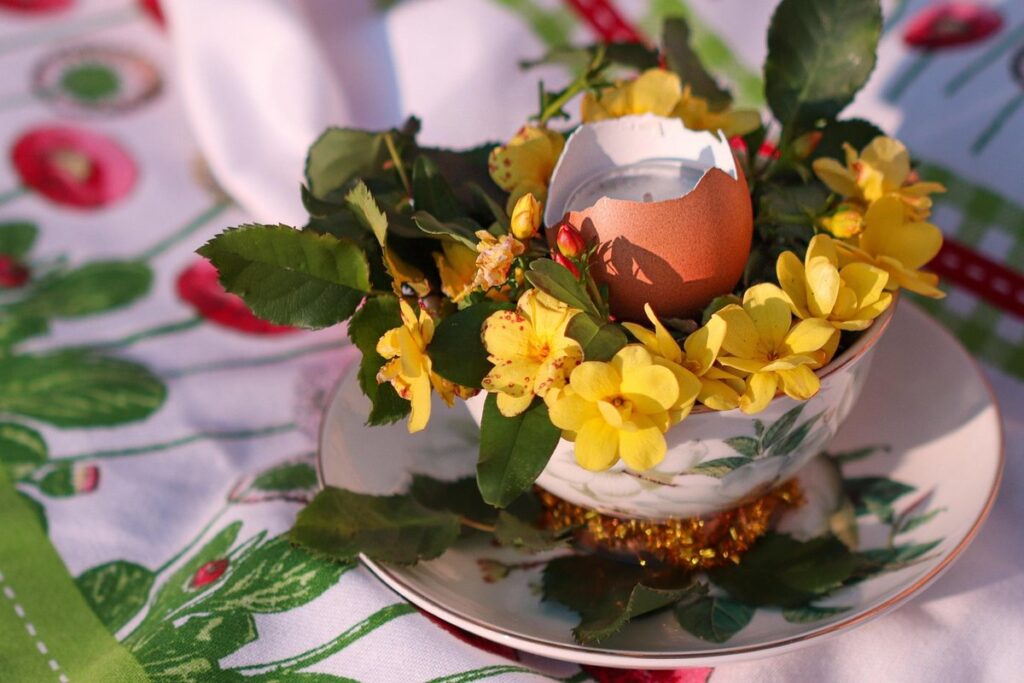
Busting the Myth of Eggshells as Fertilizer
One common myth surrounding eggshells is that they can be used as a fertilizer, but does this method truly make a difference in your garden? Let’s examine the facts behind this claim.
What’s the Theory Behind Using Eggshells?
The idea that eggshells can act as a natural fertilizer has been floating around gardening communities for quite some time. Many people swear by it, claiming it’s an environmentally friendly and cost-effective way to boost soil fertility. However, what’s behind this notion? The theory is based on the concept of slow-release nutrients.
Eggshells are rich in calcium carbonate, which can help neutralize acidic soils. In theory, adding crushed eggshells to your garden should increase the calcium levels in the soil, making it more favorable for plant growth. Additionally, the small particles from crushed eggshells can also act as a physical barrier against pests and diseases.
However, science has not fully backed up these claims. Studies have shown that the amount of nutrients released by eggshells is negligible compared to other organic fertilizers. In fact, most eggshell-based amendments do little more than add bulk to the soil without providing any significant nutritional benefits.
When it comes down to it, using crushed eggshells as fertilizer may not be the best use for them.
The Pros and Cons of Using Crushed Eggshells in Soil
Using crushed eggshells as a soil amendment has been a topic of debate among gardeners. On one hand, it can provide several benefits to the soil and plants. For instance, eggshells are rich in calcium, which is essential for plant growth and development. They also help to deter pests and diseases by creating an inhospitable environment for them.
However, there are some drawbacks to consider as well. For example, crushed eggshells can be slow to break down and may not provide the necessary nutrients immediately. If used in excess, they can even create a barrier that prevents water and air from reaching plant roots. Additionally, eggshells can also attract pests like slugs and snails if they become too familiar with their presence.
To get the most out of crushed eggshells as a soil amendment, it’s essential to use them in moderation and balance them with other organic matter. A general rule of thumb is to mix 1-2% crushed eggshells into your potting soil or garden bed. This will provide a steady release of calcium and other nutrients without creating an imbalance.
Debunking the Idea That Eggshells Repel Garden Pests
We’ve all heard it: crushed eggshells can keep garden pests at bay, but let’s get real – does this DIY method really work? Let’s examine the facts.
Why Some Believe Eggshells Keep Slugs and Snails Away
Some gardeners swear by the idea that crushed eggshells can repel slugs and snails, citing it as a natural and effective method to protect their plants. But where did this myth originate? It’s believed to have started from observations of birds eating eggs and then using the shells as protection for their own nests, which supposedly made the surrounding area unappealing to pests.
Proponents claim that the sharp edges of crushed eggshells deter slugs and snails by causing them discomfort or even physical harm. They argue that sprinkling eggshell powder around plants can create a barrier that prevents these garden pests from crossing over.
However, numerous experiments have failed to support this notion. In fact, many gardening experts agree that the use of crushed eggshells as a pest repellent is nothing more than an old wives’ tale. It’s possible that any perceived benefits are due to other factors, such as the physical barrier created by the shells or even the gardener’s increased vigilance.
If you’re considering trying this method, keep in mind that it’s unlikely to provide significant protection against slugs and snails. Instead, focus on more effective and scientifically-backed methods for managing these pests, such as using copper tape or traps.
Scientific Evidence on the Efficacy of Eggshells Against Pests
When examining the scientific evidence on the efficacy of eggshells against garden pests, one finds that the notion of their repellent properties is largely anecdotal. Research on common pests such as slugs and snails has shown that while crushed eggshells may be a physical barrier to entry, they do not possess any inherent deterrent effect.
For instance, studies on the behavior of garden slugs have found that these pests are more likely to navigate around barriers than avoid them altogether. This is due in part to their innate ability to climb and crawl across various surfaces. Moreover, even when crushed eggshells are placed strategically around plants, they do not appear to affect pest populations.
In practical terms, if you’re looking for a non-chemical solution to manage garden pests, consider incorporating physical barriers or other proven deterrent methods into your gardening strategy. These might include copper tape, fine mesh, or row covers to protect your plants from unwanted critters.
Understanding the Role of Calcium in Plant Growth
Calcium is a crucial nutrient for plant growth, and understanding its role can help you create a healthy and balanced garden ecosystem. Let’s dive into how calcium impacts your plants’ development.
The Importance of Calcium for Healthy Plant Development
Calcium is a crucial nutrient for healthy plant development, and it’s essential to understand its functions and sources. As you’re already using eggshells in your garden, you might wonder if they can provide enough calcium for your plants. But let’s take a closer look at the role of calcium in plant growth.
Calcium plays a vital part in many processes that contribute to healthy plant development. It helps build strong cell walls, enabling plants to stand upright and support their own weight. Calcium is also essential for root growth, allowing plants to absorb water and nutrients more efficiently. Moreover, it regulates nutrient uptake and transport within the plant, ensuring optimal functioning.
As a garden enthusiast, you can obtain calcium from various sources, including eggshells, but also from fertilizers specifically formulated with calcium nitrate or gypsum. When using eggshells, crush them finely and mix into the soil to provide a slow release of calcium as it breaks down. To ensure your plants receive adequate calcium, maintain a balanced fertilizer application schedule and monitor your soil pH levels, keeping them within the optimal range for plant growth.
How Eggshells Compare to Other Calcium-Rich Materials
When it comes to providing calcium for your garden, you may be wondering if eggshells are indeed as effective as other materials like crushed oyster shells. Let’s take a closer look at the numbers.
A study published in the Journal of Environmental Science and Health found that crushed oyster shells contain around 38% calcium carbonate by weight. On the other hand, dry eggshells have been found to contain approximately 22% calcium carbonate by weight. While this may seem like a significant difference, it’s essential to consider the overall amount of material you’re using.
For example, if you’re incorporating crushed oyster shells into your garden soil, you’ll likely need to use more material than eggshells to achieve the same level of calcium content. In reality, both materials can provide an adequate source of calcium for plant growth, but it’s crucial to understand their respective strengths and weaknesses.
In practical terms, if you’re looking for a readily available and free source of calcium, eggshells might be the better choice. However, crushed oyster shells are more concentrated and may require less volume to achieve the same result.
Using Eggshells for Seed Starting and Transplanting
When it comes to using eggshells in your garden, one of the most common claims is that they can help protect seedlings from pests. But does this method really work?
Preparing Seeds for Optimal Growth with Crushed Eggshells
When preparing seeds for optimal growth, it’s essential to provide them with the right environment from the start. One often-overlooked component of seed starting mixes is crushed eggshells. These can play a vital role in promoting healthy root development, which is critical for seedling success.
Crushed eggshells help to improve drainage and aeration in the soil, reducing the risk of waterlogged conditions that can lead to root rot. This, in turn, encourages roots to grow strong and deep into the mix, allowing seeds to absorb essential nutrients more effectively. By incorporating crushed eggshells into your seed starting mixes, you’ll be giving your young seedlings a solid foundation for growth.
To use crushed eggshells in your seed starting mixes, simply sprinkle them evenly over the surface of the potting mix or blend them in according to the specific recipe. A general rule of thumb is to add about 10-20% crushed eggshells to your mix.
The Benefits of Adding Eggshells During Transplanting
When transplanting seedlings into larger containers or directly into the garden, it’s essential to consider adding crushed eggshells to the soil. This simple step can significantly improve drainage and structure, reducing the risk of waterlogged roots and promoting healthy growth.
As you dig a hole for your seedling, mix in about 1-2 tablespoons of crushed eggshells per inch of soil depth. The sharp edges of the eggshells will help break up compacted soil, allowing air and water to penetrate more easily. This is especially crucial for plants that prefer well-draining conditions, such as tomatoes or herbs.
Regularly adding eggshells to your transplanting mix can also improve soil structure over time. As the eggshells break down, they’ll contribute to a more balanced pH level and increase the overall fertility of the soil. To make the most of this benefit, aim to mix in fresh crushed eggshells with each new batch of transplants.
By incorporating crushed eggshells into your transplanting routine, you can enjoy healthier plants with fewer waterlogged roots and improved growth rates. Give it a try – your seedlings will thank you!
Eggshells as a Natural Pest Control Method for Indoor Plants
One of the most popular uses for eggshells in the garden is as a natural pest control method, but does it really work? We’ll explore this claim and examine its effectiveness.
Using Crushed Eggshells to Repel Indoor Pests
When it comes to indoor pest control, many of us turn to chemical-based solutions that can harm our plants and even ourselves. But did you know that crushed eggshells can be a natural and effective way to deter pests like spider mites and mealybugs? These pesky insects feed on the sap of your plants, causing damage and discoloration.
To use crushed eggshells as a pest repellent, simply sprinkle them around the base of your indoor plants. The sharp edges of the eggshell fragments will deter these pests from approaching your plants. For example, if you’re struggling with spider mites on your peace lily, try sprinkling some crushed eggshells around its base and watching it thrive.
Crushed eggshells can also help to deter mealybugs, which are often attracted to the moisture in potting soil. By adding a layer of eggshell fragments to the top of the soil, you’ll create an inhospitable environment for these pests to lay eggs and feed. Try mixing crushed eggshells with some compost or perlite to create a barrier that keeps mealybugs at bay.
Remember to use clean and dry eggshells for this purpose, as any bacterial contamination can harm your plants.
Tips for Incorporating Eggshells into Your Indoor Gardening Routine
When incorporating eggshells into your indoor gardening routine, there are several key considerations to keep in mind. First and foremost, you’ll want to crush the shells into a fine powder using a coffee grinder or mortar and pestle. This will help them break down more quickly and evenly distribute throughout the soil.
To use crushed eggshells as a natural pest control method for indoor plants, sprinkle 1-2 tablespoons of the powder around the base of each plant. The high calcium content in eggshells can help deter slugs and snails by making the surrounding area inhospitable to their slimy trails. For optimal results, reapply the crushed shells every 1-2 weeks or as needed.
In addition to pest control, crushed eggshells can also act as a natural deterrent against fungal growth and other types of plant disease. This is particularly useful for plants that are prone to issues like root rot or leaf spot. By incorporating crushed eggshells into your indoor gardening routine, you’ll not only be reducing the need for chemical pesticides but also creating a healthier environment for your plants to thrive in.
Myths About Eggshell Tea: A Liquid Fertilizer?
Let’s dive into one of the most enduring myths surrounding eggshells in gardening: can you really make a liquid fertilizer from them, and is it worth your time? We’re about to separate fact from fiction.
What is Eggshell Tea and How Does it Work?
You may have come across claims about using eggshells to make a liquid fertilizer, dubbed “eggshell tea.” This supposed organic solution is made by steeping crushed eggshells in water. The idea behind it is that the calcium from the shells will dissolve into the water, creating a nutrient-rich liquid that can be used to feed plants.
To make eggshell tea, you’ll need to crush about 1-2 cups of eggshells into small pieces and add them to a gallon of water. Let the mixture steep for 24-48 hours before straining it through a cheesecloth or fine-mesh sieve. Some proponents claim that this liquid can help prevent soil-borne diseases, improve soil structure, and even deter pests.
However, it’s essential to note that there is limited scientific evidence supporting these claims. Calcium is an essential nutrient for plants, but it’s unclear whether the amounts present in eggshell tea are sufficient to have a significant impact on plant growth or health. As with any organic remedy, approach with caution and be prepared for mixed results. If you’re interested in trying eggshell tea, start with a small batch and monitor your plants’ response before scaling up.
Separating Fact from Fiction: Is Eggshell Tea Really Effective?
If you’re considering using eggshell tea as a liquid fertilizer for your plants, you might be wondering if it really lives up to its claims. At first glance, the idea of steeping crushed eggshells in water seems simple enough, but is it actually effective? Let’s dive into the facts.
One of the main selling points of eggshell tea is its supposed ability to provide calcium and other micronutrients to plants. However, research suggests that the amounts of these nutrients present in eggshell tea are likely too small to have a significant impact on plant growth. In fact, one study found that adding crushed eggshells to soil actually reduced nutrient availability, rather than increasing it.
Despite this, many gardeners swear by the benefits of eggshell tea, citing improved soil structure and increased plant health. So what’s going on? It’s possible that the liquid fertilizer is simply providing a gentle boost to plant growth, rather than any actual nutritional value. If you’re considering trying eggshell tea for yourself, just remember to approach it with a critical eye and don’t rely solely on its supposed benefits – after all, a balanced diet of proper nutrients and regular watering will always be the best way to keep your plants thriving.
Conclusion: Setting the Record Straight on Eggshells in Gardens
Now that we’ve tackled common misconceptions, let’s set the record straight once and for all on how to use eggshells effectively (and safely) in your garden.
Recap of Key Points
In this article, we’ve taken a close look at some common misconceptions about using eggshells in gardens. By now, you should have a better understanding of the benefits and potential drawbacks of incorporating crushed eggshells into your garden.
Let’s recap the main points discussed throughout this article:
* Crushed eggshells can be used as a natural deterrent to keep slugs and snails away from plants. To make your own slug deterrent, mix 1 tablespoon of crushed eggshells with 2 tablespoons of water to create a spray that can be applied directly to affected areas.
* Eggshells are not a substitute for fertilizer or compost. They do not contain the necessary nutrients to support plant growth and should not be relied upon as a primary source of nutrient supply.
* Crushed eggshells can help improve soil structure by allowing water to penetrate more easily, but they can also attract nematodes that prey on insects beneficial to gardens.
Final Thoughts on Using Eggshells Wisely in Your Garden
In conclusion to our exploration of eggshells in gardens, it’s time to reflect on what we’ve learned and how you can apply this knowledge wisely. As we’ve debunked the myths surrounding eggshell use, it’s clear that these discarded shells hold more value than initially thought.
From deterring pests with calcium-rich eggshells to repurposing them as a natural seed starter, there are numerous ways to harness their potential. By experimenting with different methods and integrating them into your gardening routine, you’ll be able to create a more balanced ecosystem that benefits from the eggshell’s inherent properties.
When using eggshells in the garden, consider the following practical tips: Crush or grind the shells to increase their surface area for better absorption; mix crushed eggshells with water to make a paste for seedling support; and apply a thin layer of whole eggshells around plants to deter slugs and snails. By embracing these eco-friendly practices, you’ll not only reduce waste but also foster a healthier environment for your garden’s growth.
Frequently Asked Questions
Can I Use Crushed Eggshells as a Substitute for Compost?
No, crushed eggshells should not replace compost entirely. While they can provide calcium and other nutrients to your soil, compost is essential for improving soil structure and fertility. Aim to use a combination of both crushed eggshells and compost for optimal results.
How Long Does It Take for Eggshells to Break Down in Soil?
Eggshells typically take several months to break down completely in soil, depending on factors like temperature, moisture, and microbial activity. This slow release of nutrients makes them an excellent long-term fertilizer option. However, it’s essential to note that crushed eggshells may not fully decompose, especially if added in large quantities.
Can I Use Eggshells with Other Soil Amendments, Like Manure or Peat Moss?
Yes, you can mix crushed eggshells with other soil amendments like manure, peat moss, or even worm casting. This blend will create a rich and well-balanced fertilizer for your plants. However, be cautious not to overdo it, as too many additives can lead to an imbalanced pH level in your soil.
How Much Calcium Do Eggshells Actually Provide?
The amount of calcium in eggshells varies depending on their size and breed. Generally, a single eggshell contains about 2-3 grams of calcium carbonate. While this may seem insignificant, it’s essential to remember that these small amounts can be released slowly over time, providing a steady supply of calcium for your plants.
Can I Use Eggshells with Acid-Loving Plants Like Azaleas or Blueberries?
While eggshells are rich in calcium, which is beneficial for many plants, they may not be suitable for acid-loving species like azaleas or blueberries. These plants prefer acidic soil conditions and might be damaged by the addition of crushed eggshells, which can raise the pH level. Stick to specific fertilizers designed for these plant types instead.