
Are you tired of spending hours mowing your lawn or dealing with dead spots? Growing real grass in a raised bed can be a game-changer for homeowners looking to reduce their maintenance and care for their outdoor spaces. Not only does it save time, but raised beds also conserve water, making them an eco-friendly option for lawns.
In this article, we’ll delve into the benefits of using raised beds to grow real grass. You’ll learn how to design and plant a successful raised bed lawn, complete with tips on soil selection, drainage, and sunlight requirements. We’ll also discuss the challenges you might face when trying to establish real grass in a raised bed and provide guidance on how to overcome them. Whether you’re a seasoned gardener or just starting out, this article will give you the knowledge you need to create a lush, beautiful lawn that’s both low-maintenance and sustainable.
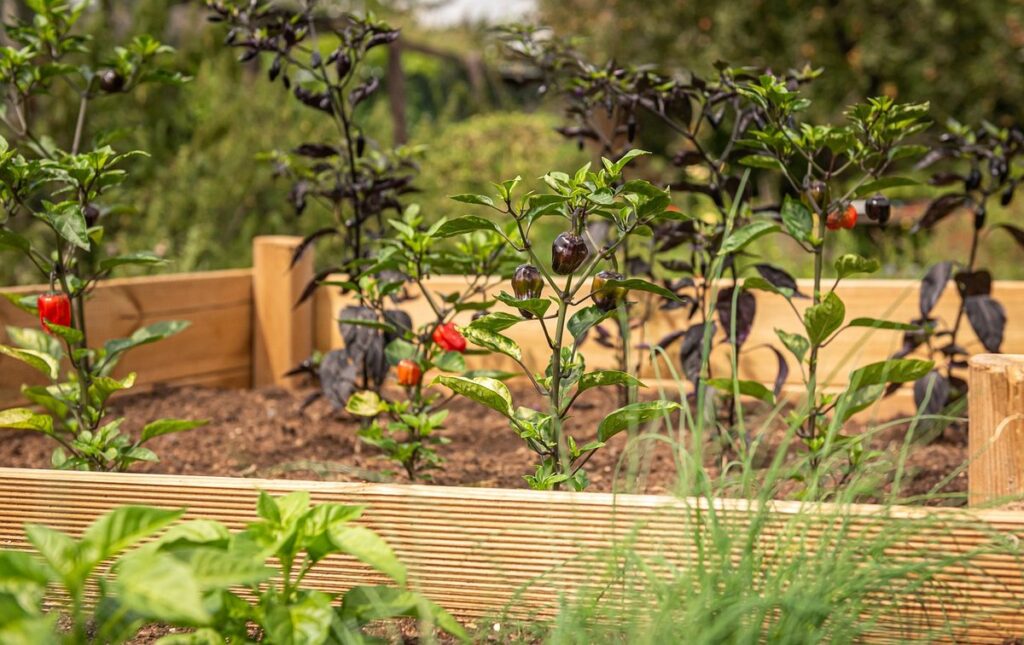
Understanding the Concept of Raised Beds for Real Grass
So, you’re curious about raised beds but want to make sure they work well with your real grass lawn. This section will break down what’s possible and how to integrate them seamlessly.
What are Raised Beds?
Raised beds specifically designed for real grass are not just elevated planters, but rather structures that allow you to grow actual blades of grass within them. This concept is often misunderstood and confused with raised containers or planters used for growing vegetables or flowers.
To clarify, a raised bed for real grass typically consists of a wooden frame or container filled with soil, where you can sow seeds or transplant existing turf. The key difference between these beds and regular planters lies in their purpose – while regular planters are designed to hold individual plants, raised beds for grass allow for the growth of entire blades of grass.
When building your own raised bed for real grass, it’s essential to consider factors such as drainage, soil quality, and sunlight exposure. Proper planning will ensure that your raised bed provides an ideal environment for healthy grass growth. For instance, you’ll want to select a location with sufficient sunlight (at least 6 hours of direct sunlight) and incorporate a well-draining system to prevent waterlogged soil conditions.
Benefits Over Traditional Lawns
When you decide to ditch traditional lawns in favor of raised beds for real grass, you’ll be amazed at the numerous benefits that come with this choice. For one, water conservation is a significant advantage. Raised beds are designed to hold soil and plants in place, preventing erosion and runoff. This means less water is wasted on evaporation or soaking into the ground below, and more of it goes directly to nourishing your grass.
Another benefit is reduced maintenance. With traditional lawns, you’re often mowing, fertilizing, and pruning constantly to keep them looking their best. Raised beds for real grass eliminate these tasks. You’ll save time and money on lawn care products and equipment, not to mention the labor involved in maintaining a sprawling lawn. Plus, raised beds provide instant gratification – your new “lawn” is up and running quickly, with minimal effort required.
Accessibility is also improved when using raised beds for real grass. For people with mobility issues or those who simply want an easier way to enjoy their outdoor space, raised beds are a game-changer. No more struggling to mow or weed – you can simply step onto your lush “lawn” and enjoy the view. This design also allows for better drainage, which reduces mud puddles and makes it safer to walk on the lawn during wet weather.
Challenges and Limitations
Implementing raised beds for real grass can be a wonderful way to revitalize your lawn and enjoy numerous benefits. However, it’s essential to consider the potential challenges and limitations associated with this approach.
One of the primary concerns is the initial investment cost. Raised beds require more materials and labor compared to traditional lawn maintenance methods. The average cost of building a raised bed can range from $3 to $6 per square foot, depending on the design and materials used. While this might seem like a significant upfront expense, it’s crucial to weigh it against the long-term benefits and potential savings.
Another consideration is the aesthetic impact on your property. Raised beds can alter the appearance of your lawn, which may be a concern for homeowners who value their yard’s original look. However, with proper design and planning, raised beds can actually enhance your outdoor space by adding visual interest and texture.
Replicating natural grass growth within a contained environment can also be challenging. To overcome this limitation, it’s essential to choose the right type of grass for your region and climate. You’ll need to ensure that your raised bed is designed with adequate drainage and sunlight exposure to promote healthy grass growth.
Designing Your Raised Bed for Real Grass
When designing a raised bed for real grass, it’s essential to consider how you’ll maintain the grass beneath and ensure it receives adequate sunlight and water. Let’s dive into the specifics of creating an ideal environment for your lawn within a raised bed system.
Choosing the Right Materials
When it comes to building raised beds for real grass, choosing the right materials is crucial. You’ll want to select a material that’s durable, cost-effective, and environmentally friendly.
Let’s start with wood, a popular choice for raised bed construction. Pressure-treated pine or cedar are good options, but keep in mind they may require periodic staining or sealing to maintain their color and protect against rot. On the other hand, composite materials like plastic-wood hybrid or recycled plastic offer durability and low maintenance, but can be pricey.
Recycled plastic is another eco-friendly option, made from 100% post-consumer waste. It’s resistant to pests, mold, and mildew, and requires minimal upkeep. Metal raised beds are also an option, but may rust if not properly coated or maintained.
When selecting materials, consider your climate, budget, and personal preferences. For example, in areas prone to extreme weather conditions, a more durable material like composite or recycled plastic might be a better choice. Conversely, if you’re on a tight budget, wood could be the way to go.
Size and Shape Considerations
When designing a raised bed for real grass, size and shape are crucial considerations that can make or break its success. The bed should be large enough to accommodate the desired area of grass, but not so large that it becomes unwieldy to maintain.
For optimal sunlight exposure, aim for a width that allows at least 6 hours of direct sunlight per day. A length of around 8-10 feet is also beneficial, as this will provide ample space for growth while keeping maintenance manageable. As for shape, rectangular beds are often preferred over square ones, as they allow for better drainage and soil depth.
When it comes to drainage, a minimum depth of 6-8 inches is recommended to prevent waterlogged soil. However, deeper beds can be beneficial if you live in an area with heavy rainfall or poor drainage. Consider using a slight slope or gradient to direct excess water away from the bed.
Ultimately, finding the perfect balance between size and shape will depend on your specific needs and climate. Take into account the mature height of your grass species, as well as any potential obstacles like trees or power lines. By carefully considering these factors, you can create a raised bed that supports healthy growth and minimizes maintenance hassles.
Incorporating Irrigation and Drainage Systems
When designing a raised bed for real grass, incorporating effective irrigation and drainage systems is crucial to ensure your lawn remains healthy and well-watered. Proper watering and drainage are key to preventing waterlogged soil, which can lead to root rot, fungal diseases, and other issues.
To achieve optimal results, consider using a drip irrigation system or soaker hose that delivers water directly to the roots of the grass. These systems conserve water by reducing evaporation and runoff, while also minimizing the risk of overwatering. For drainage, incorporate features like sloping bottoms or built-in drains to allow excess water to escape efficiently.
Another approach is to use a French drain system, which involves installing a perforated pipe under the bed that allows water to flow out. This method can be especially useful in areas with heavy rainfall or poor soil structure. Regular maintenance of your irrigation and drainage systems will also help prevent clogs and ensure efficient performance.
Planting and Caring for Your Raised Bed Grass
Now that you’ve set up your raised bed, let’s dive into how to plant and care for your real grass in a way that brings out its full potential. This section covers essential tips for successful growth.
Soil Selection and Preparation
When it comes to planting and caring for your raised bed grass, one of the most crucial steps is selecting the right type of soil. This may seem like a no-brainer, but trust us, it’s a crucial decision that will make all the difference in the health and appearance of your lawn.
A good starting point is to consider the pH balance of your soil. Most real grass varieties thrive in slightly acidic to neutral soils (pH 6.0-7.0). If you live in an area with alkaline or acidic soil, you may need to add amendments to adjust the pH level. For example, if your soil test reveals high levels of salt and a pH above 8.0, adding sulfur or peat moss can help lower it.
In terms of nutrient content, aim for a well-balanced mix that includes essential macronutrients like nitrogen, phosphorus, and potassium (NPK). Organic matter composition is also vital – look for a mix with at least 20-30% organic materials such as compost or worm castings. These will help improve soil structure, fertility, and overall health.
To prepare your selected soil effectively, mix it thoroughly to break up any clods or lumps. Add the recommended amount of amendments, if necessary, and rake the mixture evenly throughout the raised bed.
Sowing and Establishing the Lawn
Sowing seeds or laying turf in your raised bed is an exciting step towards establishing a lush and healthy lawn. When it comes to sowing seeds, choose a high-quality grass seed suitable for your climate and soil type. Rake the soil gently to create a smooth surface, and spread the seeds evenly. Apply a thin layer of compost or well-rotted manure to retain moisture and suppress weeds.
For turf laying, select a turf that matches your existing lawn’s species and color. Prepare the raised bed by leveling and compacting the soil. Lay the turf pieces together, starting from the center of the bed and working your way outwards. Use a roller or heavy object to compress the turf firmly into place.
In both cases, it’s essential to maintain consistent moisture levels during the first few weeks after establishment. Water deeply but infrequently to encourage deep root growth. Avoid overwatering, which can lead to shallow roots and make your lawn more susceptible to drought stress. Keep an eye out for signs of pests or diseases and take corrective action promptly.
Long-term Maintenance and Upkeep
Maintaining a healthy lawn within your raised bed requires regular upkeep to ensure its longevity and optimal performance. Start by mowing your grass at the recommended height for your specific grass type, usually between 2-3 inches. This will encourage deep root growth and prevent weed invasion.
Fertilizing is another crucial aspect of long-term maintenance. Apply a balanced fertilizer in early spring and again in late summer to promote healthy growth and recovery from seasonal stress. Be mindful of over-fertilization, which can lead to soil degradation and water pollution.
Common pests like white grubs, chinch bugs, and billbugs can also threaten your raised bed grass. Address these issues promptly by applying targeted insecticides or introducing beneficial nematodes. Regularly inspect your lawn for signs of disease, such as fungal patches or yellowing blades, and treat accordingly with fungicides or cultural practices like improved drainage.
Monitor your soil pH levels annually to ensure optimal nutrient availability for your grass. Adjust as necessary by adding lime or sulfur to achieve a balanced pH between 6.0-7.0. By adhering to these maintenance strategies, you’ll enjoy a lush, thriving lawn within your raised bed that requires minimal inputs while delivering maximum benefits.
Addressing Common Challenges and Troubleshooting
As you start building your raised bed, you may encounter some unexpected issues or questions arise along the way. This section will help address common challenges and provide troubleshooting tips to keep you on track.
Dealing with Shading Issues
Shading can be a significant challenge when growing real grass in raised beds, particularly if you’re surrounded by tall buildings or trees. The reduced sunlight can lead to weak and sparse growth, making it difficult for your lawn to thrive.
When dealing with shading issues, one of the first steps is to assess the severity of the problem. If the shading is mild, you might be able to adjust your plant selection to include more shade-tolerant varieties. For example, species like Kentucky bluegrass or perennial ryegrass can handle partial shade, whereas some other types may require full sun.
In cases where the shading is more pronounced, it’s often necessary to relocate plants to areas with better sunlight exposure. If this isn’t possible, you might consider adjusting your design to accommodate the limited light conditions. This could involve reducing the size of your raised bed or selecting a layout that allows for maximum sunlight penetration.
Another approach is to utilize vertical gardening techniques, such as trellises or wall-mounted planters, which can help maximize space while minimizing shading impacts. By being proactive and adaptable in addressing shading challenges, you can create a thriving and lush lawn even in less-than-ideal conditions.
Managing Pests and Diseases
When growing real grass in raised beds, it’s essential to be aware of potential pests and diseases that can harm your lawn. One common pest is the chinch bug, which feeds on the sap of the grass blades, causing them to turn yellow and die. To identify chinch bugs, look for small, dark-colored insects with a distinctive white stripe running along their back. If you notice these pests, use a strong jet of water to knock them off the plants, or try an organic pest control method like neem oil.
Diseases such as powdery mildew and rust can also affect your raised bed grass. These fungal diseases often appear as white or yellowish patches on the blades of grass. To prevent these issues, maintain good air circulation around your raised beds by keeping them at least 6 inches away from any structures. If you notice a disease issue, treat it with a fungicide specifically designed for lawn care.
When using fungicides, always follow the instructions carefully to avoid harming the environment or your pets.
Improving Drainage and Water Management
When creating raised beds for real grass, one of the most common challenges is dealing with excess water. Waterlogged soil can lead to root rot, nutrient deficiencies, and even kill your grass altogether. To prevent this, it’s essential to improve drainage within your raised bed.
One effective technique is installing a French drain. This involves digging a trench in the bottom of the bed, filling it with gravel or broken pottery, and then placing a perforated pipe at the bottom. The pipe allows water to flow out of the bed while preventing soil from entering. To reduce waterlogging even further, adjust your soil composition by incorporating well-draining materials like perlite or sand into the mix.
You can also use organic matter such as compost or peat moss to improve soil structure and increase its ability to absorb excess moisture. Avoid using too much mulch or other materials that can retain water, as this will only exacerbate the issue. By implementing these techniques, you’ll be able to maintain a healthy, thriving lawn in your raised bed for real grass. Regularly inspecting and adjusting your drainage system is also crucial to prevent future problems.
Case Studies and Examples of Successful Raised Beds for Real Grass
Let’s take a closer look at real-world examples that have successfully incorporated raised beds into their lawns, showcasing the benefits firsthand. We’ll explore these case studies in more detail below.
Real-Life Examples and Testimonials
Let’s take a look at some real-life examples of raised beds for real grass that have achieved impressive results. We’ve got Sarah from Portland who turned her small front lawn into a thriving oasis using a raised bed system. She opted for a modular design, which allowed her to create a unique pattern with her plants. The result was a lush, vibrant space that also reduced her water consumption by 30%.
In contrast, we have the example of Green Spaces Inc., a commercial landscaping company in New York City, who implemented raised beds on a large scale. They utilized a grid system to maximize space and improve soil quality, resulting in healthier grass with minimal maintenance needs.
One satisfied user, Rachel from California, shared her experience: “I was amazed at how easy it was to set up my raised bed! The instructions were clear, and the materials were of high quality.” Her testimony is echoed by many others who’ve seen significant improvements in their lawns after switching to raised beds.
Measuring Success: Quantifying Benefits and Outcomes
To measure the success of a raised bed system for growing real grass, you’ll want to track various metrics that demonstrate its effectiveness. One key metric is water savings – with a raised bed, you can optimize soil structure and drainage, reducing the need for frequent watering. For example, studies have shown that raised beds can reduce water consumption by up to 50% compared to traditional lawns.
Another important metric is maintenance reduction. Raised beds require less mowing, fertilizing, and pest control than traditional lawns, making them a more efficient choice for homeowners with limited time or resources. You can also track aesthetic improvements, such as the increased growth rate and density of real grass in raised beds compared to traditional lawn areas.
To quantify these benefits, consider implementing a system to monitor water usage, maintenance activities, and before-and-after photographs to document visual changes. This will help you identify trends and make data-driven decisions about your raised bed system’s performance. By regularly tracking and analyzing these metrics, you’ll be able to fine-tune your raised bed setup and achieve optimal results.
Conclusion
Now that we’ve explored the benefits and considerations of raised beds for real grass, let’s summarize the key takeaways to help you make an informed decision.
Recap of Key Takeaways
In this comprehensive guide, we’ve explored the world of raised beds for real grass, highlighting both the benefits and considerations to keep in mind. Let’s recap the key takeaways to ensure you’re equipped with all the necessary knowledge to create a thriving raised bed garden.
Firstly, using raised beds for real grass can provide numerous benefits, including improved drainage, increased soil quality, and enhanced aesthetic appeal. By elevating your lawn above ground level, you can reduce waterlogging and prevent root rot, creating an environment conducive to healthy grass growth. Furthermore, raised beds allow for better air circulation, which is essential for photosynthesis and nutrient uptake.
We also discussed the various types of materials suitable for raised bed construction, including wood, metal, and composite materials. Each has its own set of advantages and disadvantages, and choosing the right material will depend on your specific needs, budget, and desired appearance.
It’s worth noting that raised beds can be integrated into both new and existing lawns. If you’re revamping an existing lawn, consider building raised beds around trees or other features to create a visually appealing landscape. For those starting from scratch, plan your design carefully to ensure the best possible results.
When it comes to filling your raised bed with soil, remember to select a mix specifically designed for grass growth. Avoid using regular potting soil, as it may not contain the necessary nutrients and microorganisms required for healthy turf development.
By considering these key points, you’ll be well on your way to creating a successful raised bed garden for real grass. Remember to monitor your lawn’s progress regularly, making adjustments as needed to ensure optimal growth and health.
Frequently Asked Questions
Can I use a raised bed for real grass in a small yard or balcony?
Yes, you can use a raised bed to grow real grass even on a small scale. Consider using a compact design or modular system that fits your space constraints. Keep in mind that proper drainage and sunlight requirements are crucial for success.
How do I prevent waterlogging in my raised bed lawn during heavy rainfall?
To address waterlogging issues, ensure you’ve incorporated a suitable drainage system, such as a French drain or gravel-based drainage layer, underneath the soil. This will help excess water to escape efficiently, reducing the risk of standing water and related problems.
Can I use a mixture of grass types in my raised bed lawn, or should I stick with one?
While it’s technically possible to mix different grass species within your raised bed, we recommend sticking with a single type for several reasons. This includes uniform growth patterns, easier maintenance, and reduced risk of disease transmission between different grass varieties.
How often do I need to water my raised bed lawn, especially during hot weather?
Watering frequency will depend on climate conditions and soil moisture levels. A good rule of thumb is to check the top 2-3 inches of soil daily during hot spells and adjust your watering schedule accordingly. You may also want to consider installing a smart irrigation system for more precise control.
Can I use regular lawn mowers or do I need specialized equipment for my raised bed grass?
Regular lawn mowers can work well for raised beds, but you might prefer using a string trimmer or a small walk-behind mower for added precision and maneuverability. Always follow the manufacturer’s guidelines for your specific equipment to avoid damaging the soil or blades of grass.