
Are you ready to take your outdoor adventures to new heights? Building a 4-season treehouse is a dream come true for many, but it requires careful planning and execution. Not only do you want a treehouse that’s safe and durable, but also functional and comfortable enough to enjoy throughout the year. Whether you’re looking to create a cozy retreat from harsh winters or a cool escape from scorching summers, a well-designed 4-season treehouse is just what you need.
In this article, we’ll walk you through the essential steps of planning, designing, and building your very own 4-season treehouse. From choosing the right insulation to incorporating climate control systems, we’ll share expert tips on how to create a safe and functional space that can be enjoyed year-round. Whether you’re a seasoned DIY enthusiast or a beginner looking for guidance, this article is designed to help you build a treehouse that meets your needs and exceeds your expectations.
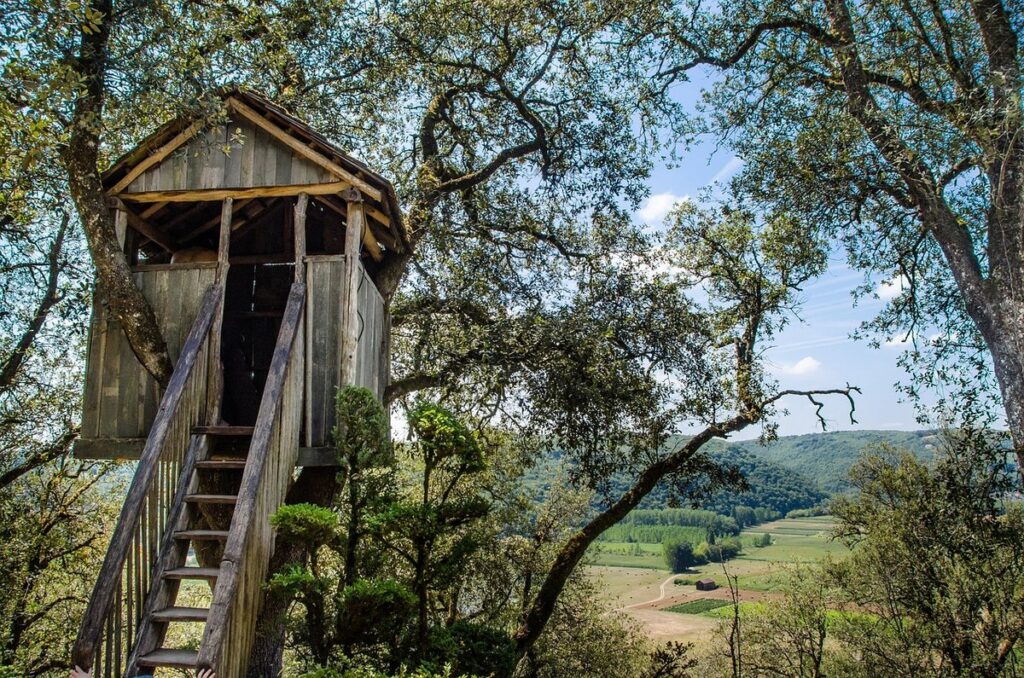
Planning and Design
Before you start building, it’s essential to plan and design your 4 season treehouse carefully, considering factors like climate, materials, and local regulations. This will ensure a sturdy and functional structure that meets your needs year-round.
Understanding Your Goals and Budget
Before embarking on building a 4-season treehouse, it’s essential to clearly define your goals and budget. This will help you stay focused and ensure that the project stays within your means. Let’s start with the desired size of your treehouse. Consider how many people will be using it, what activities they’ll be doing, and whether you need extra space for storage or amenities like a kitchenette.
When choosing a location, think about accessibility, sunlight, and wind direction. A spot that receives plenty of sunlight during winter months is crucial for a 4-season treehouse. Also, ensure the tree’s stability and health before selecting it as the foundation for your project.
As you define your goals, think about the features you want to include. Do you need electricity or plumbing? Would you like a fireplace or insulation for colder months? Be realistic about what you can afford and prioritize your needs over wants. A rough estimate of costs will also help you make informed decisions throughout the planning process.
Choosing the Perfect Location
When selecting a location for your treehouse, it’s essential to consider several key factors that will ensure a comfortable and enjoyable experience throughout the four seasons. Let’s start with sunlight – you’ll want to choose a spot that receives plenty of natural light during the day but also offers shade from harsh midday sun.
Wind direction is another critical consideration, as strong gusts can make your treehouse feel like it’s swaying in the wind. Look for a location where prevailing winds are gentle and won’t cause excessive wear on your structure.
Accessibility is also crucial – you’ll want to ensure that you can easily reach your treehouse without having to navigate steep or slippery terrain. Consider a spot with a relatively flat surface and a clear path leading up to it.
As an added bonus, choose a location with unobstructed views of the surrounding landscape for maximum enjoyment and scenic appeal. This might require some creative problem-solving, but trust us – it’ll be worth it in the end!
Creating a Treehouse Design
When designing a 4 season treehouse, it’s essential to consider factors that will enable it to thrive in varying temperatures and weather conditions. A well-insulated treehouse is crucial for maintaining a comfortable temperature inside, regardless of the external climate.
To achieve this, you can use materials with high thermal mass, such as brick or concrete, which absorb and release heat slowly. Additionally, ensure that your treehouse has adequate insulation, like spray foam or fiberglass, to prevent cold air from seeping in during winter and hot air from escaping during summer.
Proper ventilation is also vital for maintaining a healthy indoor environment. Install windows with operable sashes to allow for cross-ventilation and install a roof vent or solar-powered fan to remove stale air. Weatherproofing measures should also be taken, such as applying a waterproof coating to the exterior walls and installing a rain gutter system.
When selecting materials for your treehouse design, choose those that are resistant to moisture and can withstand varying temperatures. For example, you can use cedar or cypress wood, which is naturally resistant to rot and insects.
Preparing the Site
Before you start building your 4 season treehouse, it’s crucial to prepare the site properly, including clearing the land and assessing the tree’s health. This ensures a sturdy foundation for your project.
Assessing the Tree’s Health and Strength
When selecting the perfect tree for your 4-season treehouse, it’s essential to evaluate its health and structural integrity before building. A healthy tree is not only a pleasure to live among, but it also provides a safe foundation for your treehouse.
Start by inspecting the tree’s canopy, looking for signs of disease or pests that could compromise its strength. Check for any cracks or splits in the trunk, branches, or roots, as these can weaken the tree over time. Measure the diameter of the trunk at breast height (about 4 feet off the ground) to determine the tree’s overall health and vigor.
Consider factors such as the tree’s species, age, and exposure to sunlight and wind. Some trees, like oak and beech, are naturally more durable than others, while younger trees may not have developed a strong enough root system to support heavy loads. Research your specific tree type to understand its unique needs and characteristics.
Don’t rely solely on visual inspections – consider hiring an arborist to assess the tree’s overall health and provide a written report. This will give you a clear understanding of any potential issues that could impact the stability and safety of your treehouse.
Clearing the Area and Preparing for Construction
Clearing the area and preparing the site for construction is a crucial step before building your 4 season treehouse. It’s essential to remove all debris, obstacles, and vegetation that could hinder the construction process or compromise the stability of your treehouse.
Start by surveying the area around the tree where you plan to build. Identify any power lines, underground utilities, or other potential hazards. Mark these areas clearly with flags or paint so they don’t get disturbed during the clearing process.
Next, remove all leaves, branches, and other debris from the site. You can use a leaf blower or a rake for this task. If you have a lot of dense vegetation, consider hiring a professional to clear it for you. Remember to also check for any invasive species that could harm the tree or surrounding environment.
Once the area is cleared, inspect the tree itself for any signs of damage or decay. Check for cracks in the trunk, branches, and roots. If you find any damage, consult with an arborist before proceeding with construction.
Installing Necessary Infrastructure
Installing essential infrastructure is a crucial step in building a 4-season treehouse. You’ll want to ensure that you have reliable electricity, water supply, and possibly even a septic system to make living in your new treehouse comfortable and convenient.
When it comes to electricity, consider hiring an electrician to run power lines from your main house or install solar panels on the roof of your treehouse. This will provide you with enough energy for lights, appliances, and other essential devices. Keep in mind that you’ll need to plan for power distribution, outlets, and switches accordingly.
Water supply is another important aspect to consider. You can opt for a municipal water hook-up or install a well or rainwater harvesting system. Make sure to research local regulations regarding water usage and treatment systems. If you’re planning to live in your treehouse year-round, a septic system may be necessary. Consult with local authorities and experts to determine the best option for your site.
It’s also essential to plan for waste management, including greywater reuse systems or septic tanks. This will help minimize environmental impact and ensure compliance with regulations.
Building the Treehouse Structure
Now that you’ve planned and prepared, it’s time to start building the treehouse structure itself. We’ll walk you through every step of constructing a sturdy 4 season treehouse.
Frame and Platform Design
When it comes to building a 4-season treehouse, the frame and platform design are crucial components that require careful consideration. The right materials and techniques will not only ensure the structural integrity of your treehouse but also provide a safe and comfortable space for you and your family to enjoy.
For the platform, you’ll want to choose durable materials such as pressure-treated lumber or composite decking. These options can withstand harsh weather conditions and heavy foot traffic. Consider using a modular design with interlocking boards for easy installation and maintenance.
The frame of your treehouse should be designed with support beams that are spaced about 16 inches apart. This will provide adequate space for insulation and ensure that the structure can handle various types of loads, including snow and wind. You may also want to consider using a cantilever design to create a sense of openness and to maximize the use of available space.
When selecting materials, choose those that are resistant to rot and insect damage, such as cedar or redwood. Be sure to check local building codes and regulations before beginning your project.
Insulation and Climate Control
When it comes to building a 4 season treehouse, insulation and climate control are crucial considerations. You want to create a space that is not only aesthetically pleasing but also comfortable and functional throughout the year.
To start, let’s talk about types of insulation. There are several options available, including fiberglass batts, cellulose, spray foam, and rigid foam board. Each has its pros and cons, so choose one that suits your needs and budget. For example, spray foam insulation is effective at filling gaps and crevices but can be more expensive.
In addition to insulation, you’ll also want to consider climate control systems. These can range from simple fans and vents to more complex systems like radiant floor heating or mini-split air conditioning units. Consider the microclimate of your treehouse location and choose a system that will work best for it.
To ensure weatherproofing, use materials like breathable membranes, flashing around windows and doors, and seal any gaps with caulk or spray foam. This will help prevent water damage and reduce heat loss in colder months.
When choosing insulation and climate control systems, consider factors like budget, space constraints, and local building codes. By doing so, you’ll be able to create a cozy and functional 4 season treehouse that’s perfect for relaxing year-round.
Windows, Doors, and Roofing Options
When it comes to building a 4 season treehouse, choosing the right windows, doors, and roofing options is crucial for creating a comfortable and functional space that can be used year-round. Energy efficiency and durability are top priorities, as they directly impact the overall cost of ownership and the long-term enjoyment of your treehouse.
For windows, consider using triple-glazed or low-E glass options to minimize heat transfer and reduce energy losses. These types of windows can help maintain a consistent interior temperature, even in extreme weather conditions. You may also want to explore window options with built-in UV protection to prevent fading of the interior finishes and furniture.
When it comes to doors, choose durable materials such as solid core or steel doors that can withstand harsh weather conditions. Consider installing doors with magnetic closers to ensure a tight seal and prevent air leaks. As for roofing, opt for materials like asphalt shingles, metal panels, or cedar shakes that are designed to withstand heavy snow loads and high winds.
Some popular options for treehouse roofs include:
* Gable roofs, which are easy to build and provide good ventilation
* Hip roofs, which offer excellent weather protection and can be designed with a wide overhang for added comfort
* Dome or geodesic roofs, which provide maximum interior space while minimizing exterior footprint
Finishing Touches and Decorations
Now that your treehouse is structurally sound, it’s time to add those final touches: a warm coat of paint, plush furnishings, and decorative accents that make this retreat truly feel like home.
Interior Design and Layout
When it comes to turning your treehouse into a cozy retreat that’s perfect for every season, interior design and layout play a crucial role. As you start planning the inside of your 4-season treehouse, consider the needs and preferences of its future occupants.
Begin by assessing the space and determining how you’ll use each area. Will it be a reading nook, a play area, or a cozy spot for relaxation? Think about the activities that will take place within the treehouse and plan accordingly. For example, if you’re building a 4-season treehouse with a young family in mind, consider adding a storage loft for toys and games.
When selecting furniture, keep the treehouse’s unique characteristics in mind. Choose pieces that are durable, weather-resistant, and suitable for a wooded environment. Consider using eco-friendly materials or repurposed items to add a touch of whimsy. Installation is also crucial – ensure that heavy furniture is securely anchored to prevent it from shifting during strong winds.
Finally, don’t forget the finishing touches: lighting, textiles, and color schemes can greatly enhance the ambiance and make your treehouse feel more inviting. Use energy-efficient LED lights or solar-powered lanterns to create a warm glow, and choose materials that are easy to clean and maintain. With careful planning and thoughtful design, your 4-season treehouse will become a haven for relaxation and adventure all year round.
Exterior Finishes and Landscaping
When it comes to finishing the exterior of your treehouse, you’ll want to consider painting, staining, or sealing the wood to protect it from the elements and enhance its appearance. Choose a finish that complements the natural color of the trees surrounding your structure, as well as any other design elements you’ve incorporated.
For example, if you’re building in an area with lots of greenery, a muted earthy tone such as sage or moss might blend seamlessly into the surroundings. On the other hand, if you’re aiming for a more dramatic look, consider painting the treehouse a bold color that will stand out against the foliage.
Landscaping options can also greatly enhance the overall aesthetic of your treehouse. Consider incorporating native plants and flowers to create a lush, natural ambiance. You might also want to add some outdoor lighting or pathways to make it easier for occupants to navigate the space safely after dark. Don’t forget to factor in any local building codes or regulations when selecting your finishing touches and landscaping features.
Remember to apply a waterproof sealant to protect your treehouse from moisture damage, and consider using low-maintenance materials like composite wood or recycled plastic decking for long-term durability.
Safety Considerations and Maintenance
As you build your 4 season treehouse, it’s essential to prioritize safety considerations and regular maintenance to ensure a sturdy and enjoyable structure that will last for years to come. We’ll walk through the must-know tips on how to keep your treehouse safe and well-maintained.
Ensuring Tree Health and Stability
As you build and enjoy your 4-season treehouse, it’s essential to remember that a healthy and stable supporting tree is crucial for its longevity. A diseased or unstable tree can put not only the treehouse but also people’s lives at risk.
To ensure the tree’s health and stability, perform regular inspections throughout the year. Check for signs of decay, cracks, or splits in the trunk, branches, or roots. Look out for insect infestations, diseases, or fungal growths that can weaken the tree. Keep an eye on any changes in leaf color, growth patterns, or root system.
Perform maintenance tasks annually to keep the tree healthy:
* Remove dead or dying branches
* Prune back overgrown branches to maintain a balanced canopy
* Fertilize the tree with organic matter (e.g., compost)
* Mulch around the base of the tree to retain moisture and suppress weeds
Additionally, consider hiring an arborist if you’re unsure about tree care. They can provide expert advice on pruning techniques, diagnose potential issues, and help prevent costly repairs down the line.
Regular maintenance will not only protect your treehouse but also ensure the well-being of your beloved tree for years to come.
Safety Features and Emergency Preparedness
When building a 4 season treehouse, safety features and emergency preparedness should be top of mind. Railings are a crucial aspect to consider as they provide support and prevent falls from the elevated structure. Ensure that railings are sturdy and installed at a height of at least 36 inches above the floor to meet standard regulations.
Emergency exits should also be strategically placed, ideally on both sides of the treehouse for easy access. The door or window should lead to a stable platform or stairway, and make sure it’s easily identifiable in case of an emergency. Communication systems such as cell phone chargers or two-way radios can be installed near each exit point.
For enhanced safety, consider installing fall protection equipment like harnesses or ropes. Moreover, implement regular fire drills and ensure that the treehouse has smoke detectors and a fire extinguisher nearby. Consider consulting with local building authorities to determine any specific regulations you must comply with for your region.
Regular Maintenance and Upkeep
Regular maintenance is crucial to ensure your treehouse remains safe and functional throughout the seasons. Create a schedule to inspect and maintain various components every few months. Start by checking the foundation and structure for signs of wear, damage, or pest infestation. Look for loose screws, bolts, or nails and tighten them as needed.
Inspect the roof and siding for cracks, gaps, or water damage. Make sure gutters are clear and functioning properly to prevent water accumulation around the treehouse. Check windows and doors for proper sealing and functionality. Regularly clean leaves and debris from vents, chimneys, and other openings.
Don’t forget about interior maintenance! Dust and vacuum regularly to keep the space comfortable and allergy-free. Check electrical systems, lighting, and appliances for any issues or wear. Store winter gear, such as snow blowers and emergency equipment, in a designated area within easy reach. By following this checklist, you’ll be able to identify potential problems before they become major issues, ensuring your treehouse remains a safe haven year-round.
Frequently Asked Questions
How Do I Ensure My Treehouse Is Energy-Efficient?
When choosing insulation and climate control systems, consider using materials with high R-values to minimize heat loss during winters and heat gain during summers. You can also incorporate renewable energy sources like solar panels or a small wind turbine to power your treehouse.
Can I Use Existing Trees for Support Instead of Installing Beams?
Yes, but it’s essential to consult an arborist before doing so. They will assess the tree’s health, strength, and stability to determine if it can safely support the weight of your treehouse. Make sure to choose a tree with a sturdy branch system and a wide trunk diameter.
How Can I Integrate My Treehouse into the Existing Landscape?
Incorporate local plants, rocks, or other natural elements to create a seamless transition between your treehouse and the surrounding landscape. Consider using sustainable building materials that blend in with the environment, such as reclaimed wood or bamboo.
What Safety Features Should I Include for Children Using the Treehouse?
Install safety features like railings, gates, and soft landing surfaces around windows and doors. You can also incorporate emergency escape routes and a first aid kit within easy reach. Make sure to follow local building codes and regulations regarding treehouse safety.
Can I Build My 4-Season Treehouse Without Professional Help?
While it’s possible to build a treehouse without professional help, consider consulting with experts for complex tasks like installing infrastructure or designing the structure. Additionally, ensure you comply with local building regulations and obtain necessary permits before commencing construction.