
Are you tired of throwing away food waste, only to watch it end up in landfills? Not only is this bad for the environment, but it also means you’re missing out on a valuable resource: nutrient-rich soil. By building your own compost tumbler, you can turn kitchen scraps and yard trimmings into a powerful fertilizer that will take your garden to the next level. In this article, we’ll guide you through the process of creating your own DIY compost tumbler, covering everything from materials and design considerations to troubleshooting common issues. With our step-by-step instructions, you’ll be on your way to making the most of your food waste in no time, reducing your environmental impact while improving your soil’s fertility and overall health.
Choosing the Right Materials for Your Compost Tumbler
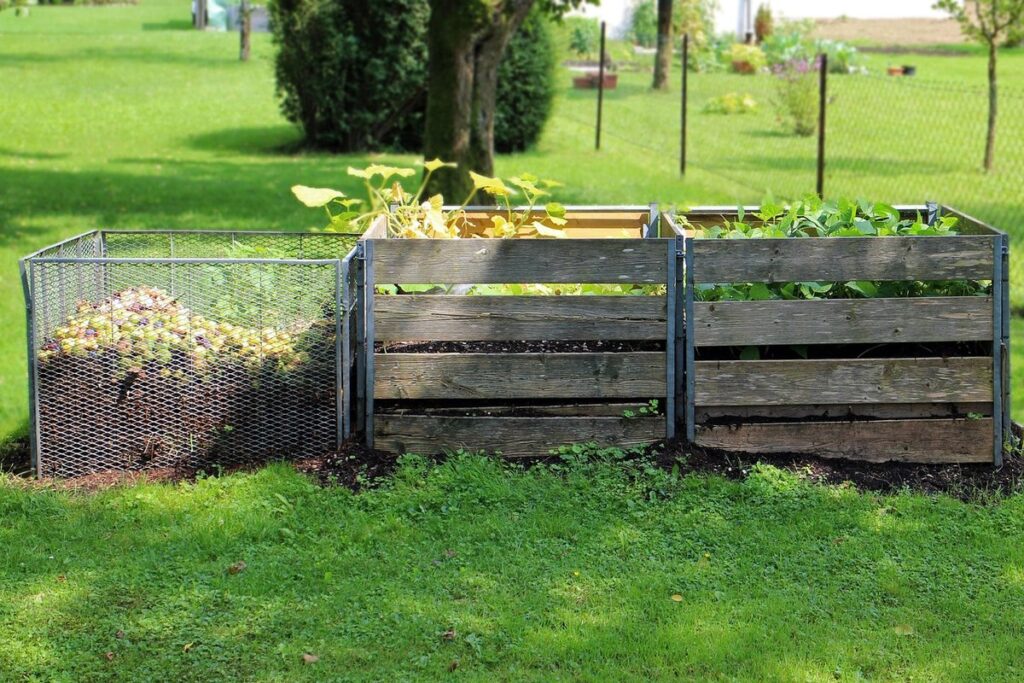
When it comes to building a compost tumbler, selecting the right materials is crucial. You’ll want to choose durable, easy-to-clean components that will make the process of turning food waste into nutrient-rich soil much more efficient.
Planning and Design Considerations
When planning and designing your compost tumbler, it’s essential to consider your space constraints, budget, and desired level of complexity. A well-planned design will not only save you time and effort but also ensure efficient decomposition and optimal nutrient retention.
First, assess the available space where your compost tumbler will reside. Consider the location’s accessibility, sunlight exposure, and proximity to a water source. If you have limited space, opt for a compact or vertical compost tumbler design that can fit snugly into a corner or against a wall.
Next, determine your budget for the project. While it’s possible to build an affordable compost tumbler using recycled materials, some designs may require more expensive components, such as aeration systems or pest-proofing features. Be honest about what you’re willing and able to spend, and prioritize accordingly.
Consider the level of complexity you’re comfortable with in your design. A simple, DIY-friendly design will get you started quickly, while a more intricate setup might offer advanced features like temperature control or monitoring systems. Ultimately, choose a design that aligns with your needs and expertise, ensuring a smooth composting experience from start to finish.
Selecting the Perfect Compost Tumbler Location
When selecting the perfect location for your compost tumbler, there are several key factors to consider. First and foremost, choose a spot that receives adequate sunlight – ideally at least 6 hours of direct sun per day. This will help speed up the composting process by providing the heat and energy needed to break down organic matter.
In addition to sunlight, make sure your compost tumbler is located in an area with good drainage. You don’t want excess moisture accumulating near the bottom of the tumbler, as this can lead to unpleasant odors and create anaerobic conditions that slow down decomposition. Look for a spot with slightly sloping ground or consider installing a French drain nearby.
Finally, pick a location that’s easily accessible, allowing you to turn the tumbler regularly without straining your back. Avoid placing it in a corner or against a wall, where you may have trouble rotating it. A flat, open space near your garden bed is ideal – not only for ease of use but also for proximity to your growing plants once your nutrient-rich compost is ready.
Gathering Essential Materials and Tools
To build or assemble a compost tumbler, you’ll need to gather some essential materials and tools. Start by collecting sturdy bins made of durable materials like plastic, wood, or metal. Consider the size of your bin; it should be large enough to hold 3-4 cubic feet of material.
In addition to the bins, you’ll also need a lid to cover the top. This will help retain heat and keep pests out. Make sure the lid is securely attached to prevent it from falling off during use. Handles are another crucial component; they should be sturdy enough to support the weight of the bin when in motion.
Other necessary tools include a drill, saw, and screws or nails for assembly. You’ll also need a measuring tape, level, and rubber mallet for precise measurements and tapping pieces into place. Lastly, don’t forget a bag or container for collecting brown materials like leaves or shredded newspaper to balance out your green waste. With these materials and tools at hand, you’ll be well on your way to creating a functional compost tumbler.
Designing Your Compost Tumbler: A Guide to Different Types and Configurations
When designing your compost tumbler, you’ll need to consider factors like size, material, and configuration to create an efficient and effective system for turning food waste into nutrient-rich soil. Let’s explore different types and configurations to choose from.
Building a Simple Wire Mesh Compost Tumbler
To build a simple wire mesh compost tumbler, you’ll need a few basic materials. Start by gathering a large plastic bin with a lid (at least 32 gallons), some wire mesh (heavy-duty hardware cloth or chicken wire will do), a drill, a screwdriver, and some wire cutters.
Begin by cutting the wire mesh to fit over the top of the bin, securing it with wire to create a secure lid. This will allow for easy access to the compost pile without letting pests in. Next, create a series of small holes on one side of the bin, about 6-8 inches from the bottom, using your drill and screwdriver. These holes will allow excess liquid to drain out.
Assemble all the parts by attaching the wire mesh lid to the bin and placing it back into its original position. Make sure all connections are secure, and you’re ready to start adding your food waste and mixing the compost regularly. This simple design is perfect for small-scale composting, allowing you to turn even the smallest amount of organic matter into a rich soil amendment.
Creating a Plastic Bin Compost Tumbler with Wheels
Converting a plastic bin into a functional compost tumbler with wheels is a fantastic way to create a compact and efficient composting system for small spaces. To get started, you’ll need a large plastic bin with a capacity of at least 12 gallons. Make sure the bin has a secure lid that can withstand the weight of wet food waste.
To add wheels to your plastic bin, attach two small casters or swivel wheels to the bottom of each corner using heavy-duty screws or adhesive. This will allow you to easily move the tumbler around when it’s time to turn the compost. Next, drill a series of holes along the sides and bottom of the bin for airflow and drainage.
Safety considerations are crucial when working with composting systems. Make sure your tumbler has good ventilation to prevent the buildup of toxic gases like methane and carbon monoxide. Also, be mindful of pests and rodents that may be attracted to the food waste. Regularly turning the compost will help to keep it aerated and pest-free.
Other Types of Compost Tumblers: Wooden, Metal, and DIY Designs
Beyond plastic tumblers, you have various options for composting bins made from wood, metal, and repurposed containers. Each material has its advantages and disadvantages, making them suitable for different users.
Wooden compost tumblers are eco-friendly and blend well with a garden’s aesthetic. However, they can be more expensive than other materials, require regular maintenance to prevent rotting, and might harbor pests if not properly sealed. Consider using untreated wood or cedar, which is naturally resistant to rot and insects.
Metal compost tumblers are durable and easy to clean but may rust over time if exposed to moisture. They also tend to get hot in direct sunlight, which can kill beneficial microorganisms. Look for models with ventilation systems to prevent overheating.
Repurposed containers like old barrels or trash cans can be used as compost tumblers. This method is budget-friendly and encourages creative reuse of household items. However, the containers may not be large enough for significant composting, and pests could still be a problem if not properly covered.
Building Your Compost Tumbler: Tips, Tricks, and Safety Precautions
Now that you have your materials gathered, let’s move on to building your compost tumbler safely and efficiently with these essential tips and guidelines.
Assembling the Frame and Adding Lids and Handles
Assembling the frame of your compost tumbler is crucial for its stability and durability. To begin, ensure you have all the necessary hardware and screws included in your DIY kit. Follow the manufacturer’s instructions for the specific order and placement of the screws. Typically, the frame consists of a rectangular base, sides, and a lid support.
When assembling the frame, keep it level to avoid any uneven sections that could compromise its integrity. Make sure all screws are tightened evenly, but avoid overtightening as this can cause damage to the material. Consider using a drill or screwdriver with a torque setting to ensure you don’t over-tighten the screws.
Once the frame is assembled, focus on adding lids and handles. Typically, compost tumblers have two lids: one for adding materials and another for turning them. Ensure these are securely attached using hinges and secure them tightly to prevent any leakage or loss of material during use. Install handles in a comfortable position that allows for easy rotation without straining your back.
Securing the Compost Tumbler and Ensuring Stability
Securing your compost tumbler is crucial to prevent it from toppling over and causing damage or injury. To ensure stability, start by choosing a level area for placement, away from direct sunlight and overhanging branches. Check the manufacturer’s instructions for anchoring recommendations specific to your model.
There are several anchoring methods you can use:
• Bungee cords or straps to secure the tumbler to a nearby stable object, such as a fence post or a tree trunk
• Weights or anchors to hold down the legs of the tumbler, preventing it from shifting during use
• A dedicated anchor system specifically designed for compost tumblers, which usually involves digging and setting up screws into the ground
When selecting an anchoring method, consider factors like wind resistance, soil type, and the weight of your finished compost. For example, if you live in a windy area or have heavy loads, you may want to opt for a more robust anchor system. Always inspect your tumbler regularly to ensure it remains securely anchored and make adjustments as needed.
Integrating Pest Control Measures and Aeration Systems
When building your compost tumbler, it’s essential to consider incorporating features that enhance its performance and efficiency. Two crucial elements to integrate are pest control measures and aeration systems.
Pest control mesh is an excellent addition to your compost tumbler, as it prevents pests like rodents, raccoons, and birds from rummaging through your nutrient-rich soil. You can attach the mesh around the bin’s lid or incorporate it into the design of the tumbler itself. This simple feature not only protects your compost but also maintains its quality by preventing contamination.
Aeration systems are equally important for optimal performance. Compost requires oxygen to break down efficiently, and a well-designed aeration system ensures proper airflow throughout the tumbler. You can incorporate features like ventilation slots, perforated panels, or even a built-in fan to maintain air circulation. By integrating pest control measures and aeration systems, you’ll create an efficient composting environment that minimizes odors and maximizes nutrient production.
When designing your compost tumbler, remember that these elements are not only beneficial for the compost itself but also for maintaining a clean and healthy outdoor space.
Composting 101: Adding Materials, Maintaining Temperature, and Monitoring Moisture
Adding materials to your compost tumbler requires careful consideration of what you can and can’t include. We’ll guide you through the process and cover key tips for success.
Understanding the Composting Process and Temperature Guidelines
Decomposition is a complex process that involves breaking down organic materials into simpler compounds. In composting, this process occurs when microorganisms like bacteria and fungi feed on the nutrients in your waste materials. As they break down these nutrients, they release carbon dioxide and heat as byproducts.
Monitoring temperature is crucial to ensure optimal decomposition. The ideal temperature range for composting is between 130°F and 140°F (54°C-60°C). If it gets too hot, microorganisms may die off, while temperatures below this range slow the process. You can use a thermometer to check the temperature of your compost pile or tumbler. A general rule of thumb is to turn your compost every week or two to maintain oxygen flow and regulate temperature.
Aim for a pH balance between 6.0 and 7.5, slightly acidic to neutral. Avoid adding too many high-nitrogen materials like fresh grass clippings, as this can disrupt the pH balance. Instead, incorporate carbon-rich materials like leaves or shredded paper to balance it out.
Adding “Green” and “Brown” Materials for a Balanced Compost Mix
When it comes to composting with a tumbler, creating a balanced blend of green and brown materials is crucial for effective decomposition. Green materials, high in nitrogen, provide the necessary energy for microbes to break down organic matter. These include food scraps, grass clippings, manure from herbivores, and fresh leaves. On the other hand, brown materials, rich in carbon, act as a slow release of energy and help control moisture levels. Examples of brown materials are dried leaves, shredded newspaper, cardboard, and sawdust.
To create a balanced mix, aim for a 2/3 to 1/3 ratio of brown to green materials. This allows microbes to feed on the nitrogen-rich greens while the carbon-rich browns regulate the decomposition process. For instance, if you add 6 inches of dried leaves (brown) to your tumbler, balance it with 2-3 inches of grass clippings or fresh manure (green). Keep in mind that this ratio may vary depending on the specific composting conditions and materials used. Monitor your pile’s temperature and moisture levels to ensure optimal decomposition.
Maintaining Moisture Levels, Turning, and Monitoring Progress
Maintaining optimal moisture levels is crucial for efficient composting. Aim to keep the mix consistently moist, like a damp sponge, by checking it daily. Water should be added when the mixture feels dry to the touch. However, avoid overwatering, which can lead to anaerobic conditions and unpleasant odors.
To turn your compost regularly, aim for every 7-10 days during the initial stages of decomposition. This breaks down large clumps and distributes heat evenly throughout the tumbler. Use a pitchfork or shovel to gently mix the materials, working from one end to the other.
Monitoring progress is essential to ensure the composting process is on track. Check for these signs: a pleasant earthy aroma, darkening color as carbon-rich materials break down, and an increased volume due to decomposition. If you notice any of these signs missing, adjust your maintenance routine accordingly.
Troubleshooting Common Compost Tumbler Issues: Odors, Pests, and More
Don’t let odors and pests bring you down – we’ve got solutions for common compost tumbler problems that’ll get your soil spinning again. Let’s tackle those pesky issues together!
Managing Unpleasant Odors and Foul Smells
Unpleasant odors and foul smells can be a major issue when composting, but they’re often easy to address once you know what’s causing them. One of the main culprits is over-moisture – if your compost tumbler is too wet, it can create an ideal environment for bacteria and pests that thrive on rotting food waste. To prevent this, make sure to turn your compost regularly, allowing air to penetrate and speed up the decomposition process.
If you do notice a strong odor, check the pH level of your compost – if it’s too acidic or alkaline, it can throw off the balance and create unpleasant smells. Aim for a pH between 6.0 and 7.0 for optimal composting conditions. You can also try adding carbon-rich materials like leaves or straw to absorb excess moisture and neutralize odors.
In extreme cases, pests like rodents or raccoons might be attracted to your compost tumbler, causing unpleasant smells and damage. To deter them, use a secure lid and cover with wire mesh or hardware cloth to prevent access. Keep in mind that it’s normal for compost to have some earthy smell, but if it’s overpowering, take action promptly to restore balance to your composting process.
Dealing with Pests and Vermin Infestations
Dealing with pests and vermin infestations is one of the most frustrating issues you may encounter when using a compost tumbler. To prevent pest invasions, it’s essential to maintain good hygiene practices around your composting area. Regularly clean up spills and messes promptly, and avoid overloading your composter with too much food waste at once.
If you notice signs of infestation such as holes in the bin, gnaw marks on the materials, or actual pests like rodents, ants, or flies, take action immediately. Remove any contaminated material from the composter and set it aside to be disposed of properly. Next, inspect your composting area for any potential entry points for pests, such as gaps around the lid or holes in the bin.
To prevent future infestations, make sure to balance the carbon-to-nitrogen ratio in your compost pile by adding adequate amounts of brown materials like leaves or shredded newspaper. This will create an environment that’s less attractive to pests and promote healthy decomposition.
Common Problems and Solutions: Leaks, Clogs, and Other Issues
Leaks can be frustrating and messy. To fix them, start by checking for loose parts or screws. Ensure all connections are tight, especially around the lid and drainage holes. Inspect the tumbler’s seals for cracks or damage; replace them if necessary.
Clogs often occur due to over-addition of “green” materials like food scraps. Regularly balance your inputs with a mix of brown materials (dried leaves, straw) to create an optimal carbon-to-nitrogen ratio. If a clog persists, try adding water to the tumbler and agitating the contents.
Other common issues include pest invasions or excessive odor. Prevent pests by covering the tumbler when not in use and using fine mesh over ventilation openings. To minimize odors, ensure good airflow within the tumbler and regularly turn the pile. Keep a small composting space free from food waste to attract beneficial insects like worms.
For stubborn issues, consider adding more brown materials or turning the pile frequently. Also, check for blockages in drainage holes or pipes.
Frequently Asked Questions
What are some common mistakes to avoid when building a compost tumbler?
When building your own compost tumbler, it’s essential to avoid common pitfalls that can hinder the decomposition process or create unpleasant odors. Make sure to use durable materials, follow proper construction techniques, and maintain adequate ventilation to ensure efficient composting.
Can I use my compost tumbler in cold weather conditions?
Yes, with some precautions, you can still use your compost tumbler in cold weather. Keep the tumbler away from direct sunlight, which can cause temperature fluctuations. Also, make sure it’s well-ventilated to prevent moisture buildup and reduce the risk of pests.
How often should I turn my compost tumbler?
The frequency of turning depends on several factors, including the type of materials you’re using, the size of your tumbler, and the desired level of decomposition. As a general rule, aim for 1-2 turns per week during the initial stages and gradually reduce frequency as the compost matures.
What are some alternatives to wire mesh or plastic bins for building a compost tumbler?
Consider repurposing old pallets, wooden crates, or metal drums to create a unique and eco-friendly compost tumbler. These materials can add character to your garden while reducing waste and minimizing environmental impact.
Can I use my compost tumbler indoors during the winter months?
No, it’s generally not recommended to use a compost tumbler indoors due to the potential for unpleasant odors and pests. Instead, consider using a smaller indoor composter or vermicomposter specifically designed for indoor use.