
Are you tired of throwing away food scraps and yard waste without knowing how to recycle them? Creating your own compost bin at home is easier than you think, and with the right guidance, you can turn kitchen leftovers into nutrient-rich fertilizer for your garden. Not only will this help reduce your household’s waste output, but it’ll also give you a sense of accomplishment and pride in living a more sustainable lifestyle.
In this article, we’ll walk you through the process of building a compost bin using readily available materials, from choosing the right components to constructing and maintaining your very own DIY composter. We’ll cover essential tips on how to effectively collect food waste, balance carbon-rich “brown” materials with nitrogen-rich “green” ones, and create an ideal environment for decomposition to occur. Whether you’re a seasoned gardener or just starting out, this guide will show you how to make composting a breeze at home.
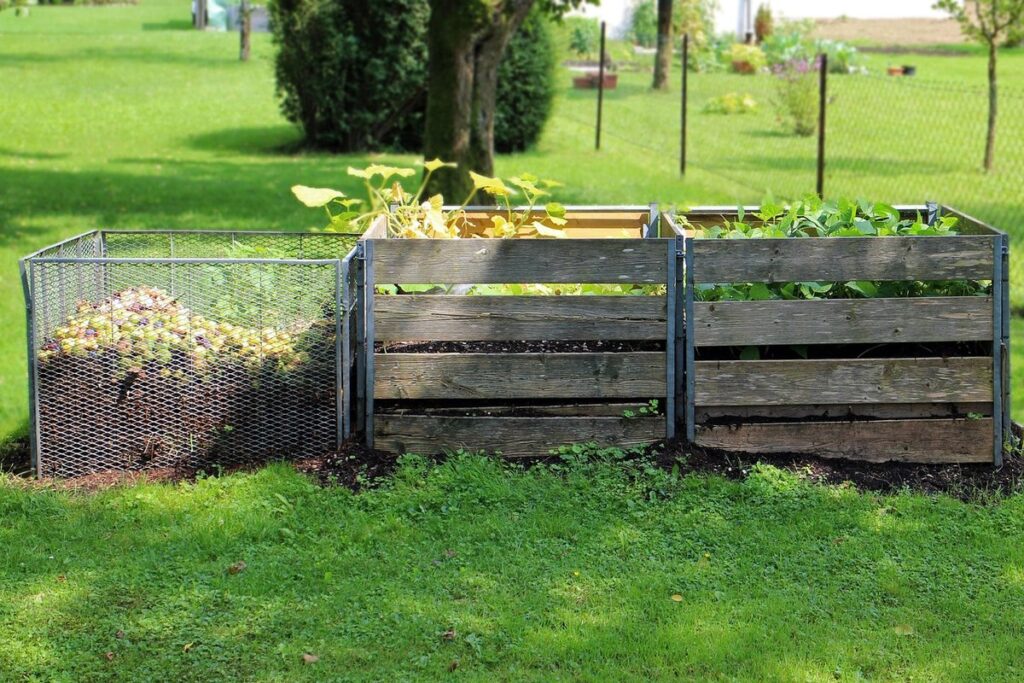
Benefits of Using a Compost Bin
Using a compost bin can make all the difference in your gardening journey, saving you time and resources while creating nutrient-rich soil for your plants. Here’s what to expect from using one.
What is Composting and Why Is It Important?
Composting is an essential practice for home gardeners, and it’s surprisingly easy to get started. At its core, composting involves breaking down organic materials into a rich, nutrient-dense soil amendment that can improve soil structure, increase fertility, and support healthy plant growth. This process occurs when microorganisms like bacteria and fungi feed on the carbon-rich components of waste, releasing essential nutrients in the form of humus.
Using a compost bin is crucial for successful composting, as it helps maintain optimal moisture levels, prevents pests and odors, and ensures even decomposition. By containing your organic materials within a designated area, you can also monitor temperature, air circulation, and carbon-to-nitrogen ratios – all critical factors in creating high-quality compost.
For example, by incorporating kitchen scraps, leaves, and grass clippings into your compost bin, you can create a soil amendment that’s teeming with beneficial microbes. This reduces the need for synthetic fertilizers, saves space in landfills, and fosters a healthier ecosystem in your garden or yard. With the right tools and techniques, anyone can become a successful composter – and reap the rewards of this simple yet powerful practice.
Types of Compost Bins: Choosing the Right One
When it comes to choosing a compost bin, you’ll find that there are several options available. Let’s take a look at some of the most popular types of compost bins and what they have to offer.
For those who prefer a hands-on approach, DIY compost bins can be made from various materials such as wooden pallets, plastic containers, or wire mesh. This option is perfect for individuals on a tight budget or with limited space. Not only is it cost-effective, but you can also customize the design to fit your needs.
Store-bought compost bins are another popular choice, offering ease of use and convenience. These bins usually come in a range of sizes, from compact to large capacity options. They often feature aeration systems, which help to speed up the decomposition process.
If you’re interested in vermicomposting – or worm composting – you can opt for specialized worm bins designed specifically for this purpose. These bins are ideal for individuals with limited space and want to produce high-quality compost efficiently.
Materials Needed for a DIY Compost Bin
To get started on building your own compost bin, you’ll need some basic materials and tools that we’ll outline below. Check out our list of essential items to gather!
Gathering the Essential Materials
To build a basic DIY compost bin, you’ll need to gather the right materials. Start by collecting wooden planks that are at least 2 inches thick and 6 feet long. You can use untreated lumber or reclaimed wood for an eco-friendly option. For the frame’s corners, opt for wire mesh that is sturdy enough to hold the compost in place. Don’t forget to pick up screws and other hardware like hinges and a latch.
When sourcing your materials, consider visiting local hardware stores or home improvement centers. You can also explore online retailers or salvage yards if you’re on a tight budget or prefer eco-friendly options. Before using your materials, make sure to clean them thoroughly with soap and water to prevent any contamination in your compost bin. For wooden planks, sand them down to smooth out any rough edges that might splinter.
Remember to check the quality of your wire mesh by gently bending it to ensure it doesn’t crack or break easily. This will help you avoid any premature failures in your DIY compost bin’s structure. Now that you’ve gathered all the necessary materials, let’s move on to assembling them into a sturdy and functional compost bin.
Optional Features and Upgrades
If you’re looking to take your DIY compost bin to the next level, there are several optional features and upgrades you can consider. An aeration system is an excellent addition, allowing for better airflow within the bin. This not only helps speed up the decomposition process but also reduces odors. You can purchase a pre-made aeration kit or create your own using PVC pipes or wooden dowels.
Another feature to think about is a lid. Having a secure-fitting lid will help keep pests and critters out while preventing moisture from escaping, making it easier to turn the compost. Some DIY enthusiasts even go as far as incorporating a hinged lid for added convenience. Consider adding wheels to make your bin more mobile – this way, you can easily move it around the yard without straining yourself.
Think about what matters most to you: aesthetics or functionality? You might want to include some decorative features like a trellis or a wooden cover to blend with your garden’s aesthetic. Whatever you choose, just remember that these add-ons should be functional and complement your composting needs.
Building Your Compost Bin: A Step-by-Step Guide
Now that you’ve chosen your ideal compost bin location, it’s time to start building your very own DIY compost bin using these simple steps and materials. Let’s get started!
Cutting and Assembling the Frame
When cutting and assembling the frame of your compost bin, precision is key to ensure stability and durability. Begin by laying out the wooden planks according to your plan, making sure they’re aligned with the dimensions specified for your bin’s size. Use a tape measure or square to double-check the measurements before proceeding.
To cut the planks accurately, use a saw suitable for the type of wood you’ve chosen. If using a power saw, set it to the correct depth and speed to prevent kickback or uneven cuts. For hand saws, work slowly and steadily to maintain control. It’s also essential to pre-drill screw holes to avoid splitting the wood when assembling the frame.
Once all pieces are cut, assemble the frame by attaching the corners with screws or nails, depending on your preference. Make sure to align the edges carefully before securing them. As you progress, check that the frame is square and plumb to ensure proper stability.
Adding Wire Mesh and Other Features
When it comes to building a functional and efficient compost bin, adding wire mesh is an essential feature that should not be overlooked. Wire mesh provides excellent aeration, allowing oxygen to flow freely through the pile, which promotes healthy decomposition and reduces odors. To install wire mesh, cut a piece of hardware cloth or chicken wire to fit inside the bin, securing it with wires or staples.
Optional features like lids and doors can also enhance your compost bin’s functionality. A lid helps contain pests and prevents them from rummaging through your pile, while a door allows for easy access when you need to turn or harvest your compost. Consider adding a latch or hinge to secure the door in place. If you’re looking for more advanced features, you could install a manual turner or a worm-proof mesh around the bottom of the bin.
Some DIY enthusiasts even take it a step further by incorporating other upgrades, such as a trellis for climbing plants, a tray for catching liquids, or a built-in aerator. When choosing additional features, consider your specific needs and preferences – after all, the goal is to create a composting system that works best for you!
Maintaining Your Compost Bin
Now that you’ve built your DIY compost bin, it’s essential to maintain it properly to ensure a steady supply of nutrient-rich compost for your garden. This section will walk you through regular upkeep and troubleshooting tips.
Tips for Successful Composting
Composting is a delicate balance of microorganisms breaking down organic matter. To achieve successful composting, you need to maintain the ideal carbon-to-nitrogen (C:N) ratio. Aim for 25-30% nitrogen-rich materials like food scraps and grass clippings, and balance them with 70-75% carbon-rich materials such as dried leaves and shredded newspaper.
Monitor moisture levels by ensuring your compost is consistently damp but not soggy. A quick way to check this is to stick your hand into the pile – if it feels dry or cool to the touch, add some water. Conversely, if it’s too wet, let it sit for a day or two before adding more materials.
Pests and odors can be unwanted guests in your compost bin. To minimize these issues, bury food scraps beneath other materials, and avoid overloading your bin with too many nitrogen-rich items at once. Regular turning of the compost will also help to oxygenate the pile, reducing anaerobic conditions that foster pests and odors.
A common mistake to avoid is adding meat, dairy, or oily foods as they attract pests and create unpleasant odors. Also, don’t over-compost – finished compost should be dark, crumbly, and have an earthy aroma, whereas over-composted material can be dry, dusty, and smell of ammonia.
Troubleshooting Common Issues
Mold growth can be a significant issue with compost bins, especially if not enough oxygen is present. To prevent mold, ensure that you’re adding materials in moderation and turning the pile regularly to maintain airflow. If you notice mold growth, don’t panic – simply turn the compost to break up the affected area and let it aerate.
Pest infestations can also be a problem, particularly if your bin is not properly secured or if you live in an area with high pest activity. To minimize the risk of pests, keep your compost pile covered and add pest-repellent materials like citrus peels or hot peppers. If you do encounter pests, try using a physical barrier to exclude them from the compost.
Inadequate aeration is another common issue that can lead to unpleasant odors and slow decomposition. To maintain adequate airflow, make sure your bin has enough holes for oxygen exchange – typically around 1-2 inches in diameter. Also, avoid compacting the compost too tightly, which can restrict air pockets and hinder decomposition.
Using Your Compost Bin: Benefits and Applications
Now that you’ve built your DIY compost bin, let’s talk about what it can do for you and your garden. In this next part of our guide, we’ll explore the benefits and applications of using a homemade compost bin.
What to Expect from Your Compost
As you wait for your DIY compost bin to finish its cycle, you might be wondering what to expect from the finished product. The good news is that a well-made compost should have a rich, earthy aroma and a consistency similar to damp soil.
In terms of texture, compost can range from a crumbly, granular mix to a more dense, almost clay-like consistency. This will depend on the materials you’ve added to your bin, such as fruit and vegetable scraps, leaves, or straw. Some people prefer a coarser compost for mulching, while others like it finer for mixing into potting soil.
As for nutrient content, compost is an excellent source of essential micronutrients and macronutrients that plants need to thrive. Expect your finished compost to have high levels of nitrogen, phosphorus, potassium, and other beneficial minerals. You can test the pH level of your compost using a simple kit from your local nursery or gardening store.
When it’s time to use your compost, consider mixing it into potting soil for seedlings, using it as mulch around established plants, or incorporating it directly into your garden beds.
Advanced Uses for Your Compost Bin
Now that you’ve got your DIY compost bin up and running, it’s time to take your composting game to the next level. You might be wondering what else you can do with your trusty bin beyond just turning food scraps into nutrient-rich soil. The good news is that there are several advanced uses for your compost bin that will not only reduce waste but also increase its fertility.
One of these advanced applications is vermicomposting, or worm composting. This method involves using red wiggler worms to break down organic matter in a controlled environment. To set up a worm composting system, you’ll need to add bedding material like coconut coir or shredded newspaper, followed by a mix of “green” materials (like food scraps) and “brown” materials (like dried leaves). The worms will do the rest, producing a rich, earthy compost in just a few weeks. Bokashi composting is another method that uses microorganisms to ferment organic matter, resulting in a liquid fertilizer as well as a solid compost. By experimenting with these advanced methods, you’ll be able to create even more valuable resources for your garden.
Some key considerations when trying out vermicomposting or bokashi composting include maintaining the right moisture levels, providing adequate ventilation, and monitoring the temperature of your compost pile. With a little patience and practice, you can unlock the full potential of your DIY compost bin and take your gardening skills to new heights.
Safety Precautions and Considerations
Before you start building your compost bin, take a moment to review these essential safety precautions and considerations to ensure a safe and successful project. Follow these guidelines carefully for optimal results.
Handling Organic Materials Safely
When working with organic materials for composting, safety should be your top priority. This is especially crucial when handling items like food waste, yard trimmings, and other materials that can harbor pests and diseases.
First, ensure you’re wearing the necessary protective gear, including gloves, a face mask, and long sleeves to prevent skin contact with potential pathogens. When handling organic materials, always use a shovel or trowel specifically designed for composting to minimize soil transfer between areas.
It’s also essential to store your compost bin in a well-ventilated area, away from direct sunlight and rain. This will help control odors, pests, and diseases that can thrive in these conditions. Regularly inspect your compost pile for signs of pest infestation or mold growth, and take immediate action if you notice any issues.
Some common items to avoid adding to your compost bin include meat, dairy products, oils, and pet waste, as they can attract pests and create unpleasant odors. Instead, focus on incorporating a balanced mix of carbon-rich “brown” materials (like leaves or straw) with nitrogen-rich “green” materials (such as food scraps or grass clippings).
Environmental Impact and Regulations
As you embark on building your DIY compost bin, it’s essential to consider the environmental impact and regulations surrounding its use. Composting is a vital practice for reducing waste and creating nutrient-rich soil, but it must be done responsibly.
When setting up your compost bin, choose a location that receives adequate sunlight and airflow to facilitate decomposition. This will not only reduce odors but also minimize pests and diseases that can spread through contaminated compost. Regularly turning your compost pile helps to aerate the materials, speeding up the decomposition process while preventing anaerobic conditions that release methane, a potent greenhouse gas.
Regulations surrounding DIY compost bins vary by region, so it’s crucial to familiarize yourself with local ordinances. Some areas may require permits or specific design standards for composting systems. In other regions, you might be able to set up your compost bin in your front yard without restrictions. Always check with your local government website or consult with a local gardening expert to ensure compliance.
By being mindful of the environmental impact and regulations, you’ll not only contribute to a healthier environment but also enjoy the rewards of sustainable gardening practices.
Conclusion
Now that you’ve successfully built and started using your DIY compost bin, let’s summarize what we’ve covered so far. Here are some final reminders to keep in mind.
Recap of Key Takeaways
Now that you’ve successfully built and maintained your DIY compost bin, let’s take a moment to recap the key takeaways from this journey. By following our step-by-step guide, you’ve not only created a valuable resource for reducing waste and enriching your soil, but also gained hands-on experience in sustainable living.
As we discussed earlier, using a compost bin offers numerous benefits for gardeners and homeowners alike. These include reduced odors and pests, increased nutrient-rich soil quality, and the ability to divert organic waste from landfills. By incorporating a DIY compost bin into your gardening routine, you’ve taken an important step towards creating a more eco-friendly environment.
To recap, here are the essential materials needed for constructing your own DIY compost bin: a wooden frame or pallets, wire mesh or chicken wire, screws, nails, and a drill. You’ll also need some basic tools like a saw, hammer, and tape measure to assemble the frame and attach the wire mesh.
Remember, maintaining your compost bin requires patience and regular upkeep. Make sure to add a mix of “green” materials (food scraps, grass clippings) and “brown” materials (dried leaves, shredded newspaper) in equal proportions. Aim for a carbon-to-nitrogen ratio of 25:1 to ensure optimal decomposition.
As you continue to use your DIY compost bin, keep these tips in mind:
• Add new materials regularly to maintain the mix.
• Turn the pile every week or two to aerate and speed up decomposition.
• Monitor temperature and moisture levels, ensuring they stay within a suitable range for microbial activity.
By following these guidelines, you’ll be on your way to creating nutrient-rich compost that will boost your garden’s productivity and beauty.
Frequently Asked Questions
What if I don’t have a dedicated outdoor space for my compost bin?
Don’t worry, you can still make composting work for you! Consider using a compact or indoor compost bin specifically designed for small spaces or urban areas. These bins are usually more odor-controlled and can be placed in a garage, balcony, or even under your kitchen sink.
How long will it take to see results from my compost bin?
The time it takes to see results from your compost bin depends on various factors such as the size of your bin, the type of materials you’re using, and the frequency of turning. Generally, it can take anywhere from 2-6 months for your compost to be ready, but with regular maintenance and monitoring, you’ll know when it’s time to harvest.
Can I use my compost bin for hot composting or just cold composting?
Both methods are viable options! If you want to speed up the decomposition process, consider using a hot composting method. This involves adding a mix of “green” (nitrogen-rich) and “brown” (carbon-rich) materials in specific ratios, turning regularly, and ensuring adequate moisture. Cold composting is more straightforward but may take longer.
What if I notice pests or rodents getting into my compost bin?
Don’t panic! Pests can be a nuisance, but there are ways to deter them. Consider using pest-repellent materials like diatomaceous earth or adding a physical barrier around your bin’s opening. You can also try placing the bin on a raised platform or keeping it at least 5 feet away from any nearby structures.
Can I use my compost bin year-round, regardless of weather conditions?
Yes, you can! Most compost bins are designed to withstand various weather conditions, including heavy rain and extreme temperatures. However, take extra precautions during periods of intense heat or cold by ensuring your bin has adequate ventilation and keeping it well-maintained to prevent odors and pests.