
Are you tired of struggling with uneven soil, poor drainage, and reduced crop yields in your garden? If so, it’s time to consider a game-changing solution: raised bed kits. These innovative gardening systems offer numerous benefits, from reducing soil erosion to improving crop yield. Not only do they provide a stable and fertile growing environment for your plants, but they also help you achieve maximum ROI (Return on Investment) from your gardening endeavors. But with so many options available in the market, choosing the right raised bed kit can be overwhelming. That’s why we’ve put together this comprehensive guide to walk you through the process of selecting, assembling, and optimizing your raised bed kit for optimal performance. Let’s dive in!
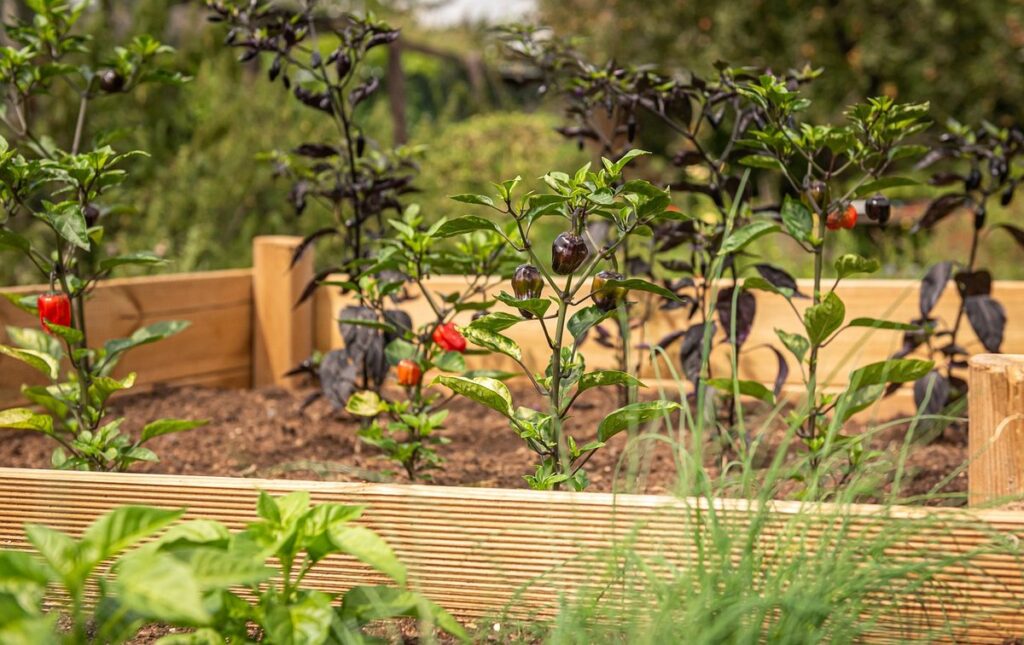
Benefits and Advantages of Raised Bed Kits
By investing in a raised bed kit, you’ll gain several benefits that will make gardening easier and more rewarding than ever before. Let’s explore these advantages together!
Reduced Soil Erosion and Improved Drainage
When you create a garden with raised bed kits, one of the most significant advantages is its ability to reduce soil erosion and improve drainage. If you have poor soil quality or experience waterlogging in certain areas of your garden, this is an ideal solution for you.
Soil erosion occurs when the top layer of soil is washed away by heavy rainfall or irrigation, leaving your plants vulnerable to nutrient deficiencies and physical damage. Raised bed kits prevent this from happening by creating a contained space for your plants, allowing excess water to drain freely into the ground beneath. This reduces the risk of erosion and ensures that your plants receive the nutrients they need.
Improved drainage is also crucial in preventing root rot and other diseases caused by standing water. By allowing excess moisture to escape, raised bed kits help create a healthier environment for your plants to thrive in. As an added bonus, reduced soil erosion means you’ll spend less time and money repairing damaged areas of your garden.
Increased Accessibility and Versatility
One of the most significant advantages of raised bed kits is their ability to make gardening more accessible for people with mobility issues or limited space. With a raised bed kit, you can garden from a seated position or even from a wheelchair, making it an ideal solution for those who may struggle to bend or kneel in traditional garden beds.
In terms of design and customization options, raised bed kits offer unparalleled versatility. You can choose from a wide range of materials, such as wood, metal, or composite materials, and select the perfect size and shape to fit your available space. Many kits also come with pre-drilled holes for easy assembly, making it simple to customize the layout of your garden.
Some popular design options include vertical gardens, which allow you to maximize space by growing plants upwards, and multi-level gardens, which enable you to create a layered effect with different plantings at each level. With so many options available, you can create a unique and functional garden space that suits your specific needs and preferences.
Improved Crop Yield and Health
When you invest in a raised bed kit, one of the most significant benefits is improved crop yield and health. This is because raised beds provide optimal growing conditions for plants, resulting in healthier and more productive crops.
One key factor that contributes to this benefit is optimal soil temperature. In raised beds, soil warms up faster than in traditional ground-level gardens, allowing roots to grow deeper and wider. This not only promotes healthy root growth but also improves water and nutrient uptake. As a result, plants experience reduced stress and are better equipped to withstand diseases and pests.
Furthermore, raised beds offer improved sunlight exposure and air circulation. These conditions enable plants to photosynthesize more efficiently, leading to increased yields and healthier growth. For instance, a study by the University of Wisconsin-Madison found that raised bed gardens produced 20% more produce than traditional gardens in the same climate zone.
To replicate this benefit in your own garden, ensure you’re using a high-quality raised bed kit with good drainage and air circulation features. Also, consider the type of crops you’re growing and adjust your soil mix accordingly to optimize growth conditions.
Choosing the Right Raised Bed Kit for Your Needs
When selecting a raised bed kit, consider the size of your available space and the amount of gardening you plan to do, as this will help narrow down your options.
Material Options: Wood, Plastic, Metal, and Composite Materials
When it comes to choosing the right raised bed kit for your needs, one of the most important decisions you’ll make is selecting the material. Different materials offer varying levels of durability, sustainability, and budget-friendliness. Let’s break down the pros and cons of popular options: wood, plastic, metal, and composite materials.
Wooden raised beds are a classic choice, offering a natural look and feel. They can be made from sustainable sources like reclaimed wood or FSC-certified cedar. However, they may require more maintenance to prevent rotting and insect damage. On the other hand, plastic raised beds are low-maintenance and resistant to pests and rot. They’re also often less expensive upfront but may not be as aesthetically pleasing.
Metal raised beds offer durability and a modern look, but can be prone to rust if not treated properly. Composite materials, made from a combination of wood fibers and plastic, provide the best of both worlds: they’re durable, low-maintenance, and eco-friendly. Consider your climate, budget, and gardening preferences when choosing the right material for your raised bed kit. For example, if you live in an area with high rainfall or humidity, metal may not be the best choice due to rust concerns.
When selecting a material, also think about the local availability of replacement parts and the overall cost of ownership over time. By weighing these factors, you can make an informed decision that suits your gardening style and budget.
Size and Shape Considerations: Small, Medium, Large, and Custom Sizes
When selecting a raised bed kit, one of the most crucial factors to consider is size and shape. The ideal dimensions will depend on various elements, including available space, garden design, and specific plant requirements.
Consider the available space where you plan to install the raised bed. Measure your yard or patio carefully to determine how much room you have for your new bed. If you’re short on space, a smaller size may be the way to go. Conversely, larger beds can provide ample growing space for ambitious gardeners with plenty of room.
When choosing between small, medium, and large sizes, keep in mind the types of plants you plan to grow. Vining plants like tomatoes or peas will benefit from a slightly larger bed, while compact herbs and leafy greens thrive in smaller spaces. Consider also whether you need access to both sides of the bed for ease of maintenance or want room for pathways.
Custom sizes are another option, ideal for unique garden designs or irregularly shaped spaces.
Assembly and Maintenance Requirements
When it comes to setting up your raised bed kit, understanding the assembly process is crucial for a smooth and successful gardening experience. The type of kit you choose will determine the level of complexity involved in assembling it. For example, pre-cut kits with interlocking parts are generally easier to assemble compared to DIY kits that require cutting and fitting individual components.
Regardless of the type of kit, make sure to read and follow the manufacturer’s instructions carefully. It’s also essential to prepare a suitable workspace, clear of clutter and with adequate lighting, to ensure accurate assembly.
Once your raised bed is assembled, regular maintenance is key to its longevity and optimal performance. This includes cleaning the bed regularly to remove debris and weeds, controlling pests through natural means whenever possible, and fertilizing the soil seasonally to maintain nutrient levels. By following these tips and adhering to a routine maintenance schedule, you’ll be able to enjoy a bountiful harvest from your raised bed kit for years to come.
In terms of pest control, consider using physical barriers, such as fine mesh or row covers, to keep pests out. For fertilization, use a balanced fertilizer that is specifically formulated for the type of plants you’re growing. Remember to always follow the recommended application rates and timing to avoid over-fertilizing, which can be detrimental to your plants’ health.
Assembling and Customizing Your Raised Bed Kit
Now that you’ve got your raised bed kit, let’s get started on assembling and customizing it to fit your garden needs perfectly. This guide will walk you through each step of the process.
Step-by-Step Instructions for Assembly
To assemble your raised bed kit, start by carefully unloading all the components and tools from the packaging. Begin with the bottom frame, which typically consists of four rectangular panels. Use a rubber mallet to tap each panel into place, ensuring they fit snugly together.
Next, attach the sides to the bottom frame using the provided screws or bolts. Make sure to follow the manufacturer’s instructions for screw length and torque settings. It’s also essential to ensure all sides are evenly spaced and securely attached to prevent any instability in your raised bed.
Once the sides are in place, move on to attaching the top frame. This may involve adding additional supports or reinforcements to maintain structural integrity. Finally, add the finishing touches by attaching any decorative trim or features, such as a trellis or planter box.
Throughout this process, it’s crucial to take your time and work safely. Wear protective gloves and eyewear, and consider enlisting help from a friend or family member if needed.
Adding Soil, Plants, and Decorative Elements
When it comes to assembling and customizing your raised bed kit, filling it with soil, planting your desired crops or flowers, and adding decorative elements are crucial steps. Let’s start by discussing the process of filling your raised bed with a high-quality growing medium.
The ideal soil mix for your raised bed should be well-draining, rich in organic matter, and suitable for your specific plants’ needs. You can either purchase a pre-mixed bag or create your own blend using ingredients like compost, topsoil, and perlite. Fill the bed to about 6-8 inches deep, leaving enough space for root growth.
Next, carefully select and plant your desired crops or flowers, considering factors such as sunlight, temperature, and moisture requirements. Space plants accordingly to ensure proper air circulation and easy maintenance. For example, if you’re planting tomatoes, keep them at least 2 feet apart from each other and from the bed’s edges.
Finally, add decorative elements like trellises for climbing plants, paths made from wood chips or gravel, or benches for comfortable seating and observation. These touches not only enhance your raised bed’s aesthetic appeal but also create a functional and inviting garden space.
Common Issues and Troubleshooting Tips
As you assemble and customize your raised bed kit, you may encounter some common issues. One of the most frequent problems is uneven corners, which can be caused by misaligned boards or screws that aren’t tightened properly. To troubleshoot this issue, double-check the instructions for your specific kit and make sure all parts are accounted for. If the problem persists, try re-drilling the screw holes to ensure they’re aligned with the surrounding wood.
Another common issue is warped or twisted boards, which can be caused by moisture exposure during shipping or storage. To prevent this from happening in the future, consider storing your raised bed kit in a dry, well-ventilated area. If you do encounter warped boards, try soaking them in water to rehydrate the wood and then let them air-dry before assembly.
By addressing these common issues proactively, you can ensure a successful gardening experience with your raised bed kit.
Raised Bed Kit Costs and ROI: Is It Worth the Investment?
When considering a raised bed kit, one of the most important factors is determining whether it’s worth the investment. Let’s break down the costs and potential return on investment (ROI) for your garden.
Initial Investment vs. Long-Term Benefits
When investing in a raised bed kit, it’s natural to weigh the initial cost against long-term benefits. While the upfront expense may seem daunting, consider the advantages of owning a well-designed and well-maintained raised bed.
Increased crop yields are one of the most significant benefits of using a raised bed kit. By elevating your plants off the ground, you can create a more controlled environment that’s less susceptible to pests, diseases, and nutrient deficiencies. A study by the University of California found that raised beds can increase tomato yields by up to 50% compared to traditional in-ground gardens.
Reduced maintenance is another significant advantage of raised bed kits. With better drainage and improved soil structure, you’ll spend less time watering, weeding, and fertilizing your plants. According to a survey by the National Gardening Association, homeowners who use raised beds report spending up to 40% less time on garden maintenance.
By investing in a high-quality raised bed kit, you’re not only saving time and effort but also improving accessibility for people with mobility issues or those who want to enjoy gardening without straining themselves.
Energy Efficiency and Environmental Impact
When it comes to gardening, water consumption and carbon emissions often come to mind. However, raised bed kits can significantly reduce these environmental impacts. For instance, by using a raised bed kit, you can minimize soil erosion and retain moisture within the soil structure, thereby reducing water consumption by up to 30%. This is particularly beneficial for regions with drought-like conditions.
In addition to water conservation, raised bed kits also promote sustainable gardening practices by allowing for better soil aeration. As plants’ roots have more room to breathe, they require fewer nutrients and less chemical fertilizers, which contribute to carbon emissions. In fact, studies have shown that using raised beds can reduce the need for irrigation systems by up to 40%, minimizing water waste.
Furthermore, by using locally sourced materials for your raised bed kit, you’re contributing to a smaller carbon footprint. Many companies now offer eco-friendly options made from recycled plastic or sustainable wood, making it easier than ever to create an environmentally conscious garden space.
Overall, incorporating a raised bed kit into your gardening routine is not only beneficial for the environment but also for your wallet in the long run due to reduced water bills and lower maintenance costs.
Payback Period and Long-Term Savings
When investing in a raised bed kit, it’s essential to consider not just the initial cost but also the long-term benefits. One of the key advantages is the reduced payback period, which refers to the amount of time it takes for your investment to “pay off” through savings and increased productivity.
To estimate your payback period, calculate the total cost of the raised bed kit, including any additional features or accessories, and divide that by the annual savings you’ll enjoy from using it. For instance, if a raised bed kit costs $300 and you expect to save $100 per year on maintenance costs, your payback period would be approximately 3 years.
Over time, a raised bed kit can also lead to significant long-term savings through increased crop yields, reduced soil erosion, and improved accessibility. With proper planning and care, a well-designed raised bed can last for decades, making it a worthwhile investment for any serious gardener. By incorporating raised beds into your gardening routine, you’ll enjoy not only financial savings but also enhanced overall satisfaction from your gardening experience.
Frequently Asked Questions
What’s the ideal soil mix for my raised bed kit, and how do I choose the right one?
When selecting a soil mix for your raised bed kit, consider factors like drainage, nutrient content, and pH level. Look for mixes specifically designed for raised beds or container gardens, as they often include ingredients that improve soil structure and fertility. You can also create your own blend using local topsoil, compost, and perlite. Always read reviews and consult with experts if you’re unsure about the best mix for your specific needs.
Can I use my raised bed kit in areas with extreme weather conditions, such as heavy snowfall or intense heat?
Yes, many raised bed kits are designed to withstand various weather conditions. However, it’s essential to choose a kit that suits your climate and provides adequate protection from wind, frost, or excessive sun exposure. Consider factors like durability, UV resistance, and drainage when selecting materials for your kit.
How do I ensure proper drainage in my raised bed kit during heavy rainfall?
To prevent waterlogging in your raised bed kit, include features like built-in irrigation systems, French drains, or a slight slope to allow excess water to flow away. You can also add organic matter like compost or mulch to improve soil structure and facilitate better drainage.
What’s the average lifespan of a raised bed kit, and how do I maintain it for optimal performance?
The average lifespan of a raised bed kit varies depending on materials, maintenance, and usage. With proper care, a well-built raised bed kit can last 10-20 years or more. Regularly inspect your kit for signs of wear, clean debris, and perform necessary repairs to ensure continued performance.
Can I customize my raised bed kit with specific features like automatic watering systems or trellises?
Yes, many raised bed kits come with customization options or can be modified to suit your needs. Consider factors like available space, budget, and personal preferences when choosing materials or adding features. You can also repurpose materials from existing structures or DIY solutions to create a unique and functional garden design.