
Raised beds are a great way to grow your own food, but have you ever struggled with uneven or sagging corners? Building sturdy raised bed corners can be a game-changer for any gardener. Not only do they add a professional touch to your garden design, but they also ensure that your soil and plants stay stable and healthy.
In this article, we’ll walk you through a step-by-step guide on how to build sturdy raised bed corners using wood, brackets, and other materials. You’ll learn how to measure, cut, assemble, and finish your project with expert tips on durability and longevity. From choosing the right materials to securing them in place, we’ve got you covered. By following our DIY guide, you’ll be able to create a beautiful and functional raised bed that will last for years to come.
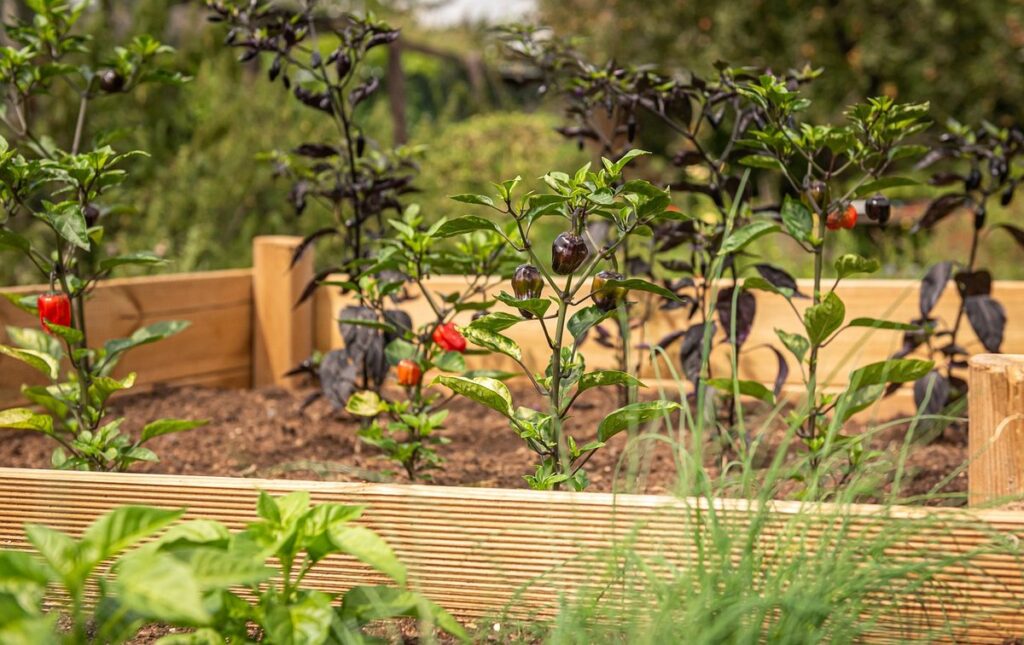
Benefits of Building Your Own Raised Bed Corner Supports
Building your own raised bed corner supports can have a significant impact on the overall stability and longevity of your garden beds, saving you money and effort in the long run.
Why Traditional Raised Beds Have Weak Corners
Traditional raised beds often have weak corners due to their design and construction. One of the most common issues is wobbly corners, which can cause structural instability and put a strain on the entire bed. This is because pre-made raised beds usually consist of four separate boxes connected at the corners with screws or nails. Over time, the wood expands and contracts with changing temperatures, causing the corners to shift and become loose.
As a result, you may notice your plants toppling over or the bed itself becoming unstable. To make matters worse, traditional raised bed corners often lack adequate support, making it difficult to attach other features like trellises or irrigation systems. If not addressed, weak corners can lead to costly repairs or even replace the entire bed. When building your own raised bed corner supports, you’ll be able to avoid these common issues and create a more stable and durable structure for your plants to thrive in.
Designing for Strength: How to Build Corner Supports from Scratch
When designing corner supports for your raised bed, it’s crucial to prioritize strength and durability. A well-designed support system can withstand various weather conditions, heavy loads, and even the weight of mature plants. To ensure your corners remain stable and secure, consider the following key factors.
First, determine the load-bearing capacity you need based on the type of plants you’ll be growing in the bed. This will help you choose the right materials for your corner supports. For example, if you’re planning to grow large tomato plants or heavy vegetables like squash, you’ll require more robust support than a bed with small herbs and flowers.
Next, select sturdy materials that can resist warping or sagging under load. Options include pressure-treated wood, cedar, or durable composite materials. Be sure to use reinforced screws or brackets for added stability.
When building your corner supports from scratch, remember to secure them firmly to the bed’s frame using lag bolts or similar fasteners. This will prevent any movement or shifting due to wind or weight stress.
Materials Needed for a DIY Raised Bed Corner Project
To start building your raised bed corner, you’ll need some essential materials that will help bring your project to life. Let’s take a look at what you should have on hand.
Essential Tools and Equipment
To embark on a successful raised bed corners DIY project, you’ll need to have the right tools at your disposal. This might seem like an obvious point, but it’s essential to ensure that you don’t end up struggling with tasks due to inadequate equipment.
A drill and bits are must-haves for any drilling or screwing required during the project. A circular saw is ideal for cutting wood, while a jigsaw can be used for curved cuts if needed. A tape measure will help you accurately assess the dimensions of your materials and ensure that everything fits together seamlessly. Don’t forget to add a level tool to guarantee that your raised bed corners are perfectly even.
Safety should also be top priority – consider wearing protective gloves, safety glasses, and a dust mask when working with power tools. Additionally, make sure your workspace is well-ventilated to avoid inhaling any fumes or debris.
Selecting the Right Materials: Wood, Brackets, or a Combination?
When it comes to building corner supports for your raised bed corner project, you have several options when it comes to materials. Some of the most popular choices include wood, brackets, and a combination of both.
Wooden corner supports are a great option if you’re looking for a more rustic or natural look. They can be made from reclaimed or pressure-treated wood, and can be stained or painted to match your raised bed’s color scheme. However, they may not provide the same level of stability as metal brackets, especially in windy conditions.
Metal corner brackets are another popular choice, offering excellent support and stability for your raised bed corners. They come in a variety of materials, including aluminum and steel, and can be adjusted to fit different corner sizes. Some brackets even feature built-in drainage holes to prevent water from accumulating at the base of the bed.
Ultimately, you may want to consider combining both wood and metal options to create a unique and functional corner support system. This could involve using wooden posts or slats with metal brackets for added stability, or even repurposing old pallets or fencing materials to create a one-of-a-kind design.
Measuring and Cutting Lumber for Raised Bed Corners
Now that we have our materials, it’s time to start measuring and cutting the lumber for your raised bed corners accurately. This ensures a sturdy and stable frame.
Measuring for Accurate Fitment
When it comes to building raised bed corners, accuracy is key. Measuring and marking lumber for optimal fitment ensures a sturdy and long-lasting structure that will support your garden’s growth for years to come.
To start, gather all the necessary tools: a tape measure, square, pencil, and a calculator. Begin by measuring the length of each piece of lumber you’ll be using for the corner. Make sure to note any obstructions or irregularities in the surrounding area that may affect the measurements.
Next, double-check your calculations by re-measuring twice. You can also use a story stick (a 2×4 or similar piece of lumber marked with the height and width) to verify your measurements. Mark each piece with precise cut lines using a sharp pencil or marker, ensuring they align perfectly for a snug fit.
For example, if you’re building a corner with two pieces of 8-foot lumber, ensure their cut lines are identical in length, accounting for any waste during cutting. This attention to detail may seem tedious at first, but it will save you time and effort later on by preventing costly mistakes.
Cutting Techniques: Safety Precautions and Best Practices
When it comes to cutting lumber for raised bed corners, safety should be your top priority. Using sharp blades and following proper techniques can greatly reduce the risk of injury. If you’re using a miter saw, ensure that the blade is securely locked into place before making any cuts. Always keep your hands away from the blade and maintain a firm grip on the workpiece.
If you prefer to use a circular saw, make sure to set the depth gauge correctly to avoid cutting too much material at once. Use a steady and controlled motion when pushing the saw through the wood, and never force it if it meets resistance. Keep in mind that a dull blade can cause more damage than sharp one, so take the time to properly sharpen your tools.
When handling power tools, always wear protective gear such as safety glasses, ear protection, and a dust mask. This will help prevent eye injuries from flying debris and reduce exposure to loud noise. By taking these simple precautions, you’ll be able to work safely and efficiently when cutting lumber for your raised bed corners.
Building Corner Supports: Step-by-Step Instructions
Now that you have a solid foundation for your raised bed frame, it’s time to focus on building corner supports that will add stability and strength. We’ll walk you through each step in detail.
Assembling the Frame and Corner Brackets
Now that you have prepared the corner brackets according to our previous step, it’s time to assemble the frame and attach these brackets. This is a crucial part of building sturdy raised bed corners, as it will help distribute the weight evenly across the entire structure.
Start by taking two side panels and attaching the corner bracket to each one, using screws or nails as recommended by your chosen hardware. Make sure they are aligned properly and securely attached before moving on to the next step.
Next, place the top panel over the corner brackets, ensuring it is flush with both sides. Use more screws or nails to secure it in place, taking care not to overtighten, which can cause the wood to split.
Now, attach the other two side panels to the corner brackets on the opposite end of the raised bed frame, using the same technique as before. Double-check that everything is properly aligned and securely attached to prevent any shifting or damage during use.
Attaching Wood Slat Panels for Added Support
When building raised bed corners, it’s essential to provide additional support to prevent the structure from collapsing under weight. Attaching wood slat panels is an excellent way to achieve this. To do so, start by measuring and cutting the slats to fit snugly between the corner supports.
Next, use screws or nails to attach the slats to the supports, ensuring they are securely fastened. You can space them evenly apart for added stability or install them closer together for extra support. Consider using a drill with a screwdriver bit or a hammer with finishing nails for this step.
For example, you can attach 2-3 slats per corner, depending on the size of your raised bed and the weight it will hold. Make sure to pre-drill holes in the wood before driving screws to avoid splitting. By following these steps, you’ll create a sturdy base that will support your plants for years to come.
Remember, a well-built corner support system is crucial for maintaining the integrity of your raised bed garden.
Tips for Enhancing Durability and Longevity
To get the most out of your raised bed corners, make sure to follow these essential tips for enhancing their durability and longevity. Proper care is key!
Applying Weather-Resistant Finishing Touches
To ensure your raised bed corners withstand the test of time and harsh weather conditions, it’s essential to apply weather-resistant finishing touches. One popular option is sealing, which creates a barrier against rain, snow, and sun exposure. You can use clear wood sealants or water-repellent sprays specifically designed for outdoor use. For instance, a water-based polyurethane coating can protect your raised bed corners from moisture damage while maintaining their natural appearance.
Another finishing option is staining, which not only adds color but also protects the wood from weathering. Choose stains that are formulated for exterior use and follow the manufacturer’s instructions carefully to avoid any damage. If you’re looking for a more sustainable option, consider using plant-based oils like linseed or tung oil, which can provide excellent protection against moisture while being environmentally friendly.
Remember to always read the labels and follow the recommended application procedures to ensure the longevity of your raised bed corners.
Maintenance and Upkeep: Regular Checks and Repairs
To ensure your raised bed corners last for years to come, regular maintenance is crucial. Start by inspecting the wood or material used to build the bed every 6-12 months. Check for signs of rot, warping, or damage from pests like termites or carpenter ants.
Look for loose joints and tighten any screws or nails that have come undone. This will prevent further damage and keep your raised bed corners stable. You can also apply a waterproof sealant to protect the wood from moisture.
In addition to visual inspections, perform regular checks on the soil level and drainage system within the bed. Ensure the soil isn’t compacted too tightly, which can limit root growth and air circulation. Also, check that the drainage holes are clear of debris and functioning correctly.
By following these simple maintenance tasks, you’ll extend the life of your raised bed corners and keep them looking their best for years to come. Remember to also schedule annual or bi-annual deeper cleanings, such as repotting soil and inspecting the entire frame.
Troubleshooting Common Issues and DIY Raised Bed Corner Solutions
We’ve all been there – a raised bed corner starts to sag or you encounter an unexpected issue. This section tackles common problems and provides creative DIY solutions to get your project back on track.
Identifying Potential Problems Early On
Identifying potential problems early on is crucial when working with raised bed corners. As you build or renovate your corner sections, keep an eye out for uneven edges, loose joints, and structural issues that can compromise the stability of your entire raised bed. A slight deviation from square or a wobbly joint may seem minor at first, but it can lead to more significant problems down the line.
For instance, if one corner is significantly higher than the others, it can cause the bed’s frame to sag, creating an uneven surface for your plants to grow on. Similarly, a loose connection between two boards can allow water to seep in, leading to rot and damage over time.
To identify potential problems early on, inspect your raised bed corners regularly as you build or renovate them. Use a level to ensure that all edges are square and even, and check for any signs of wear or stress on the joints. If you notice any issues, address them immediately by tightening loose screws or replacing damaged boards. By catching these problems early, you can prevent more extensive repairs down the road and enjoy a sturdy, long-lasting raised bed.
Applying Creative Problem-Solving Techniques
When working with raised bed corners, you may encounter specific challenges that require creative problem-solving. Perhaps you’re using a particular type of material that’s not as straightforward to work with, or maybe the design you have in mind isn’t quite fitting into the space available.
One way to overcome these obstacles is to adapt and adjust your design as needed. For instance, if you find that the wood you’ve chosen is too thick for the screws you want to use, consider using thinner material or adjusting the screw placement. Alternatively, if the design you’re working with isn’t quite fitting into the space available, try rearranging it or modifying it to fit better.
It’s also a good idea to keep an inventory of materials and tools on hand, so that when unexpected challenges arise, you can quickly adapt your plan without having to abandon your project altogether. This might mean keeping a stash of spare screws or other hardware, or having access to a power tool that can help you make quick work of difficult cuts.
Ultimately, the key to successful raised bed corner building is flexibility and creative problem-solving. By being prepared for unexpected challenges and adapting your design as needed, you’ll be well on your way to creating beautiful, functional corners for your raised beds.
Conclusion: Celebrating the Rewards of a Successful DIY Project
Now that you’ve completed your raised bed corners project, it’s time to celebrate its success and all the benefits that come with growing your own fruits and vegetables. Take a moment to appreciate your hard work!
Recap of Key Takeaways
As you complete this raised bed corners DIY project, take a moment to reflect on what you’ve learned. Design considerations played a crucial role in ensuring the structure’s stability and functionality. For instance, using pressure-treated wood for the bottom plate and galvanized metal for the corner brackets not only adds durability but also helps prevent damage from pests and rot.
Safety precautions are equally important, especially when working with power tools and handling heavy materials. Always wear protective gear, including safety glasses, gloves, and a dust mask, to minimize exposure risks. Moreover, ensure good lighting in your workspace and maintain a clean environment to avoid tripping hazards.
In addition to these key takeaways, remember that flexibility is essential when adapting the design to your specific needs. Don’t be afraid to experiment with different materials or configurations – it’s often through trial and error that we discover new possibilities. By embracing this creative freedom, you’ll not only develop a deeper understanding of your project but also cultivate a sense of accomplishment and pride in your handiwork.
Inviting Readers to Share Their Experiences
We’ve reached the final section of our Raised Bed Corners DIY journey! As you’ve completed your project and are enjoying the fruits of your labor, we want to invite you to share your experiences with us. We believe that everyone’s story is unique, and we’d love to hear about how raised bed corners have impacted your gardening endeavors.
Don’t be shy – whether you’ve faced challenges or achieved great success, we want to know about it! Your input will not only inspire others who may be working on similar projects but also help us refine our guide for future DIY enthusiasts. Here are a few ways you can share your experience:
* Describe how you modified the design to fit your specific needs
* Share tips and tricks you’ve learned along the way, such as materials or techniques that worked particularly well
* Discuss any challenges you faced and how you overcame them
* Even if it’s just a simple “thank you” for the guide, we want to hear from you!
Your input will be invaluable in helping us create an even better resource for our readers.
Frequently Asked Questions
Can I use recycled or reclaimed wood for my raised bed corner supports?
Yes, you can use recycled or reclaimed wood to create a sustainable and eco-friendly raised bed corner support system. Just make sure the wood is properly seasoned and treated to prevent rot and pests. Also, consider the weight and structural integrity of the wood before using it for your project.
What if I encounter uneven corners during assembly?
If you encounter uneven corners during assembly, don’t panic! Check your measurements and cutting techniques to ensure accuracy. You can also use shims or spacers to adjust the fitment. If needed, disassemble the corner supports and re-cut the wood to achieve a precise fit.
Can I attach the corner brackets directly to the frame without screws?
No, it’s not recommended to attach the corner brackets directly to the frame without screws. This can compromise the structural integrity of your raised bed. Use screws or other fastening methods to secure the brackets in place, ensuring stability and durability.
What type of finishing touches should I apply for a weather-resistant finish?
Apply a water-resistant stain or sealant to protect your raised bed corner supports from moisture and harsh weather conditions. You can also use a clear coat or polyurethane to enhance the appearance and longevity of your project. Consider using eco-friendly options like plant-based oils or natural waxes.
Can I add additional support for heavy plants or soil loads?
Yes, you can add additional support to ensure stability and prevent structural damage. Use reinforced brackets, doubled-up wood slats, or extra corner supports to distribute the weight evenly. Always prioritize safety and consider factors like load capacity and plant growth patterns when making these adjustments.