
If you’re looking to boost your sustainable gardening game, you might want to consider building a Versaland polytunnel. These structures offer a wealth of benefits for gardeners, from year-round growing opportunities to improved crop yields and reduced environmental impact. But designing and maintaining a polytunnel can be a daunting task, especially if you’re new to tunnel gardening. In this article, we’ll break down the basics of building and maintaining a Versaland polytunnel, covering climate control, ventilation, and crop selection tips. We’ll explore the benefits of polytunnels in-depth and provide expert advice on how to get started with your own sustainable garden project. Whether you’re a seasoned gardener or just starting out, this guide will give you the tools you need to succeed with your Versaland polytunnel.
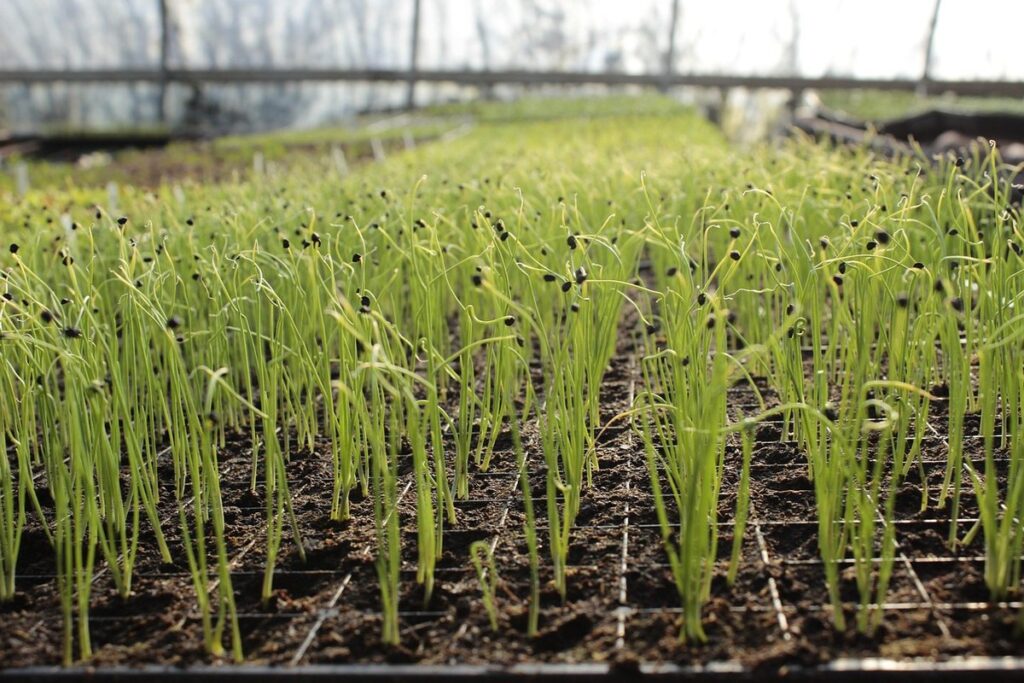
What is a Versaland Polytunnel?
If you’re new to sustainable gardening, let’s start at the beginning: what exactly is a Versaland polytunnel, and how can it revolutionize your outdoor space.
Definition and Purpose
A Versaland polytunnel is an innovative and eco-friendly structure designed for sustainable gardening. It’s essentially a hybrid between a greenhouse and a cold frame, offering the benefits of both while minimizing environmental impact. Unlike traditional greenhouses that rely heavily on artificial heating and cooling systems, Versaland polytunnels utilize natural ventilation and passive solar heating to regulate temperature.
This unique design allows growers to extend their growing season, produce crops year-round, and maintain optimal temperatures for plant growth. By harnessing the power of sunlight and utilizing natural airflow, Versaland polytunnels significantly reduce energy consumption compared to traditional greenhouses. In fact, studies have shown that Versaland polytunnels can reduce heating costs by up to 70% and cooling costs by up to 50%. With a Versaland polytunnel, gardeners can enjoy a productive and sustainable growing space without breaking the bank or harming the environment.
By choosing a Versaland polytunnel, gardeners can take advantage of the numerous benefits offered by this innovative structure.
Types of Versaland Polytunneles
When it comes to choosing a Versaland polytunnel, you’ll discover that there are several types to suit various needs and preferences. One of the most common types is the hoop house, also known as a tunnel greenhouse. This type features a metal or PVC frame covered with a waterproof material, usually polyethylene film or glass. Hoop houses provide excellent protection from wind, frost, and extreme temperatures, making them ideal for extending the growing season.
Another popular option is the cold frame, which is essentially a miniature greenhouse that uses the sun’s natural heat to warm the air inside. Cold frames are often used for seed starting, overwintering plants, or providing an early start to the growing season. Some Versaland polytunnel designs combine elements of both hoop houses and cold frames, creating a hybrid structure.
When selecting a type of Versaland polytunnel, consider your climate, available space, and gardening goals. For instance, if you live in a region with harsh winters, a hoop house might be the best choice. If you’re short on space or want to extend the growing season for specific plants, a cold frame could be the way to go.
Designing Your Versaland Polytunnel: Key Considerations
When designing your Versaland polytunnel, it’s essential to consider factors like site selection, climate, and desired yields to create a thriving and sustainable garden ecosystem. This involves thinking about both the practicalities and aesthetics of your design.
Choosing the Right Location
When selecting a location for your Versaland polytunnel, it’s essential to consider several key factors that will impact its performance and your gardening experience. Firstly, think about the amount of sunlight your polytunnel will receive. Most plants require at least six hours of direct sunlight per day, so choose a spot that gets plenty of sunlight but also provides some shade during the hottest part of the day.
Wind direction is another crucial factor to consider. A location that is sheltered from strong winds will help prevent damage to your polycarbonate panels and reduce the risk of plants being blown over. Look for a spot that is partially surrounded by trees or other tall structures to block harsh winds.
Accessibility is also vital, as you’ll be regularly entering and exiting your polytunnel to tend to your plants. Ensure the location is close to a water source and has good foot traffic flow. Avoid areas with standing water or where water may collect during heavy rainfall, as this can cause damage to your polycarbonate panels.
Finally, consider the slope of the land. A spot with a gentle slope will make it easier to install and maintain your polytunnel, reducing the risk of leaks and other issues.
Selecting the Perfect Materials
When it comes to building a Versaland polytunnel, selecting the perfect materials is crucial for its durability and performance. There are several options available, each with their own set of benefits and drawbacks.
PVC pipes, for instance, are a popular choice due to their affordability and ease of installation. However, they can be prone to damage from UV rays and may not withstand extreme weather conditions. On the other hand, aluminum frames offer excellent durability and resistance to corrosion, making them an ideal option for harsh climates. They also allow for good airflow, which is essential for healthy plant growth.
Another option is galvanized steel pipes, which provide excellent structural integrity but can be more expensive than PVC or aluminum. Recycled materials, such as reclaimed wood or repurposed plastic, are also becoming increasingly popular due to their eco-friendly nature and potential cost savings.
When selecting materials for your Versaland polytunnel, consider the local climate, budget, and desired level of maintenance. Weighing the pros and cons of each option will help you make an informed decision that meets your specific needs.
Building Your Versaland Polytunnel: A Step-by-Step Guide
Now that you’ve got your versaland polytunnel plan in place, it’s time to start building! In this next step, we’ll walk you through constructing the frame and covering it with a breathable membrane.
Preparing the Site
Before building your Versaland polytunnel, it’s essential to prepare the site where it will be erected. This involves clearing the area of debris, leveling the ground, and ensuring that the terrain is even and stable.
Clearing the site may require removing weeds, branches, or other obstructions that could hinder the polytunnel’s installation or interfere with the growth of plants within. Use a combination of tools such as a rake, trowel, and spade to clear the area thoroughly. If you’re dealing with dense vegetation, consider using a strimmer or chainsaw to make the task more manageable.
Once you’ve cleared the site, it’s crucial to level the ground to ensure that your polytunnel stands evenly and doesn’t slope excessively. You can use a spirit level or a laser level to check the terrain’s evenness. If necessary, fill in low-lying areas with soil or gravel to achieve a stable base.
When leveling, keep in mind that your Versaland polytunnel will be subjected to various weather conditions, including heavy rainfall and strong winds. A stable base is vital for maintaining its structural integrity and preventing damage to the structure.
Assembling the Frame and Covering
Now that you have prepared the site and laid the foundation for your Versaland polytunnel, it’s time to assemble the frame. This is a crucial step, as it will provide the structure for your polytunnel and ensure that your covering material stays in place.
To begin, follow these steps:
- Attach the corner posts to the base plate using the provided screws or bolts.
- Assemble the main frame by connecting the longitudinal beams to the corner posts. Make sure they are secure and evenly spaced.
- Next, attach the transverse beams to the main frame, starting from one end of the polytunnel and working your way across.
Once you have completed the frame assembly, it’s time to cover it with a durable material such as plastic film or glass. When choosing a covering material, consider factors like UV resistance, breathability, and ease of installation. For example, polycarbonate panels are an excellent choice for Versaland polytunnels, providing insulation and protection from extreme weather conditions while allowing for adequate ventilation.
Before attaching the covering material, ensure that your frame is level and securely fastened to prevent any movement or sagging during harsh weather conditions. Follow the manufacturer’s instructions for installing the covering material, taking care not to stretch it too tightly, which can lead to tears or punctures.
It’s also essential to consider ventilation when choosing a covering material. For instance, if you’re using plastic film, ensure that there are adequate vents or openings for air circulation to prevent condensation buildup and promote healthy plant growth.
Climate Control and Ventilation: Essential Components of a Versaland Polytunnel
When it comes to creating an optimal growing environment within your Versaland polytunnel, climate control and ventilation are crucial components that require careful consideration. Effective management of these elements is essential for healthy plant growth.
Temperature Regulation
Temperature regulation is a crucial aspect of maintaining an optimal growing environment within your Versaland polytunnel. Since temperature fluctuations can significantly impact plant growth and health, it’s essential to implement effective strategies for regulating the temperature inside your tunnel.
One simple yet effective way to regulate temperature is through shading devices. These can be installed on the north-facing side of the polytunnel or used as a cover to filter direct sunlight during peak hours. Some popular options include solar screens, shade cloth, and louvers. For example, a study by the University of California found that using a 50% shade cloth reduced temperatures by up to 10°F (5.6°C) inside a polytunnel.
In addition to shading devices, heating and cooling systems can also be employed to regulate temperature. These may include passive solar design features like south-facing windows or water-based cooling systems like evaporation pads or misting systems. It’s essential to choose a system that suits your climate and the specific needs of your plants. For instance, if you live in an area with cold winters, a heating system might be necessary to maintain optimal temperatures for plant growth.
When selecting shading devices or heating/cooling systems, consider factors like energy efficiency, durability, and maintenance requirements. Always choose options that align with your sustainable gardening goals and minimize their environmental impact. By implementing effective temperature regulation strategies, you can create an ideal growing environment for your plants and ensure a thriving Versaland polytunnel ecosystem.
Ventilation and Air Circulation
Ventilation and air circulation play a crucial role in maintaining optimal conditions within your Versaland polytunnel. Adequate ventilation helps to regulate temperature, prevent the buildup of fungal spores, and reduce the risk of plant diseases. Without proper ventilation, your crops may become susceptible to pests and diseases, leading to reduced yields and increased maintenance costs.
In a polytunnel environment, heat can quickly build up due to the enclosed space and greenhouse effect. This can lead to scorching temperatures that may damage or even kill plants. To prevent this, ensure that your polytunnel has adequate ventilation openings, such as roof vents or side windows, to allow for air exchange.
Maintaining optimal air circulation is also essential for plant growth and health. Air circulation helps to promote healthy respiration, photosynthesis, and transpiration in plants. You can achieve good air circulation by installing fans or using windbreaks strategically placed around the polytunnel perimeter.
Planting and Maintaining Your Versaland Polytunnel: Tips and Tricks
When it comes to setting up your versaland polytunnel, planting and maintaining a thriving garden is all about creating a supportive ecosystem for your plants. Here are our top tips for success.
Choosing the Right Crops
When it comes to choosing the right crops for your Versaland polytunnel, several factors come into play. First and foremost, consider the climate you’re gardening in. Different regions have varying temperature ranges, humidity levels, and sunlight exposure, which can impact plant growth.
In temperate climates, plants like tomatoes, cucumbers, and bell peppers thrive well in a polytunnel environment. These crops prefer warmer temperatures (around 65-75°F/18-24°C) and require adequate sunlight to produce fruit. On the other hand, if you live in a cooler climate, consider planting brassicas like kale or broccoli, which are more tolerant of lower temperatures.
In addition to climate, also think about space requirements for your chosen crops. Make sure to leave enough room between plants for proper air circulation and access for harvesting. For example, cherry tomatoes can be planted as close as 12-18 inches apart, while indeterminate varieties like beefsteak require more space (around 3-4 feet). By considering these factors, you’ll be able to select the best crops for your Versaland polytunnel and enjoy a bountiful harvest.
Irrigation and Fertilization Systems
When it comes to maintaining a thriving Versaland polytunnel garden, efficient irrigation and fertilization systems are crucial. These systems not only conserve water but also minimize waste, making them an integral part of sustainable gardening.
For irrigation, consider installing a drip irrigation system or soaker hoses. These low-pressure systems deliver water directly to the roots of plants, reducing evaporation and runoff. Another option is a rainwater harvesting system, where collected rainwater can be stored and reused for irrigation purposes.
Fertilization-wise, opt for organic options like compost tea, worm casting, or fish emulsion. These methods promote soil health without harming the environment. You can also utilize a fertilizer injection system that automatically injects nutrients into the irrigation water as needed. This approach ensures precise nutrient delivery, preventing over-fertilization and runoff.
Some polytunnel gardeners even adopt integrated pest management (IPM) strategies, using beneficial insects like ladybugs or lacewings to control pests naturally. By integrating efficient irrigation and fertilization systems with these practices, you can create a resilient and thriving polytunnel ecosystem that requires minimal external inputs while maximizing yields.
Troubleshooting Common Issues: Common Problems and Solutions for Versaland Polytunnels
As you start using your Versaland polytunnel, you may encounter some issues that can hinder its performance. This section addresses common problems and their solutions to get you back on track quickly.
Pests and Diseases
When it comes to maintaining a thriving polytunnel environment, managing pests and diseases is crucial for optimal plant growth. As a Versaland polly tunnel gardener, you’re likely no stranger to common culprits like aphids, whiteflies, and slugs.
To prevent pest infestations, it’s essential to implement integrated pest management (IPM) strategies. This involves combining physical barriers, cultural controls, and biological controls to minimize the need for chemical pesticides. For example, you can use fine-mesh screens or fine netting to keep flying insects out of your tunnel, while introducing beneficial insects like ladybugs or lacewings to prey on pests.
Some common diseases affecting polytunnel plants include powdery mildew, botrytis, and downy mildew. To prevent these issues, ensure good air circulation within the tunnel by maintaining adequate spacing between plants and using well-ventilated crop covers. Regularly inspect your plants for signs of disease and treat affected areas promptly with organic fungicides.
By adopting a proactive approach to pest and disease management, you can enjoy healthier crops and minimize chemical use in your polytunnel garden.
Structural Integrity and Maintenance
To ensure your Versaland polytunnel remains structurally sound and functions efficiently for years to come, regular maintenance is crucial. First and foremost, inspect the frame’s integrity annually, checking for signs of wear or damage such as rusted joints, bent metalwork, or loose fittings. Make sure all screws, bolts, and clips are tightened securely.
Regularly clean the polytunnel to prevent dirt buildup on the frame and roof, which can cause damage over time. Use a soft-bristled brush or cloth to wipe away debris, and hose down the structure as needed. Additionally, inspect and replace worn-out roof coverings or damaged netting to maintain optimal ventilation and sunlight penetration.
To address common structural issues, know that polytunnel collapse is often caused by strong winds, so secure your tunnel with heavy-duty anchors and weights if you live in an area prone to gusts. Also, ensure the tunnel’s foundation is stable and levelled to prevent uneven settlement or shifting over time.
Conclusion: Maximizing the Benefits of Your Versaland Polytunnel
To maximize the benefits of your Versaland polytunnel, it’s essential to make the most of its unique features. Consider experimenting with different crop combinations and layouts to optimize space and increase yields. For example, you could plant companion plants like marigolds or basil alongside your vegetables to repel pests and improve growth.
As you continue to use and refine your Versaland polytunnel, keep an eye out for areas where improvements can be made. Whether it’s tweaking the ventilation system or adjusting the irrigation schedule, staying vigilant will help you unlock the full potential of your garden. By embracing a mindset of continuous improvement, you’ll be able to enjoy even more bountiful harvests and improved soil health in the years to come.
Frequently Asked Questions
Can I use a Versaland polytunnel in areas with extreme temperatures or weather conditions?
Yes, Versaland polytunnels are designed to withstand various climate conditions. However, it’s essential to consider the specific temperature fluctuations and weather patterns in your area when selecting materials and designing your structure. For example, you may need to choose more durable materials for high-wind regions or add additional insulation for cold climates.
How do I maintain optimal ventilation in my Versaland polytunnel during different seasons?
To ensure proper ventilation in your Versaland polytunnel, consider installing automatic openers on your vents and ensuring adequate air circulation by staggering plantings. During winter months, cover your vents to retain warmth, while during hot summer days, keep them fully open to promote airflow.
What are some common pests that can affect my crops inside a Versaland polytunnel?
Common pests found in polytunnels include aphids, whiteflies, and spider mites. To prevent infestations, maintain good hygiene by removing weeds and debris regularly, inspect plants frequently for signs of pests, and use natural pest control methods whenever possible.
How often should I water my crops inside a Versaland polytunnel, especially during hot weather?
Water your crops in the early morning or evening to minimize evaporation. Check the soil moisture daily, and adjust your watering schedule accordingly. It’s better to err on the side of caution and underwater slightly than overwater, which can lead to root rot and other issues.
Can I use a Versaland polytunnel as a year-round growing space in areas with cold winters?
While Versaland polytunnels are suitable for year-round growing in many climates, some regions may require additional measures to protect your crops during harsh winter months. Consider adding extra insulation, using row covers or cold frames, and selecting cold-hardy crop varieties to ensure continued growth throughout the seasons.