
Are you ready to take your gardening game to the next level? Building a raised-bed garden is an excellent way to create a beautiful, productive space for growing your favorite fruits and veggies. Not only do raised beds make it easier to access your plants and control soil quality, but they also help with drainage and prevent soil erosion. But, where do you start? Planning and building a raised bed can seem daunting, especially if you’re new to gardening. That’s why we’ve put together this comprehensive guide on how to create a thriving raised-bed garden from planning to maintenance. In this article, we’ll cover expert tips on choosing the right location, preparing the soil, and ensuring proper drainage – so you can enjoy a bountiful harvest all season long!
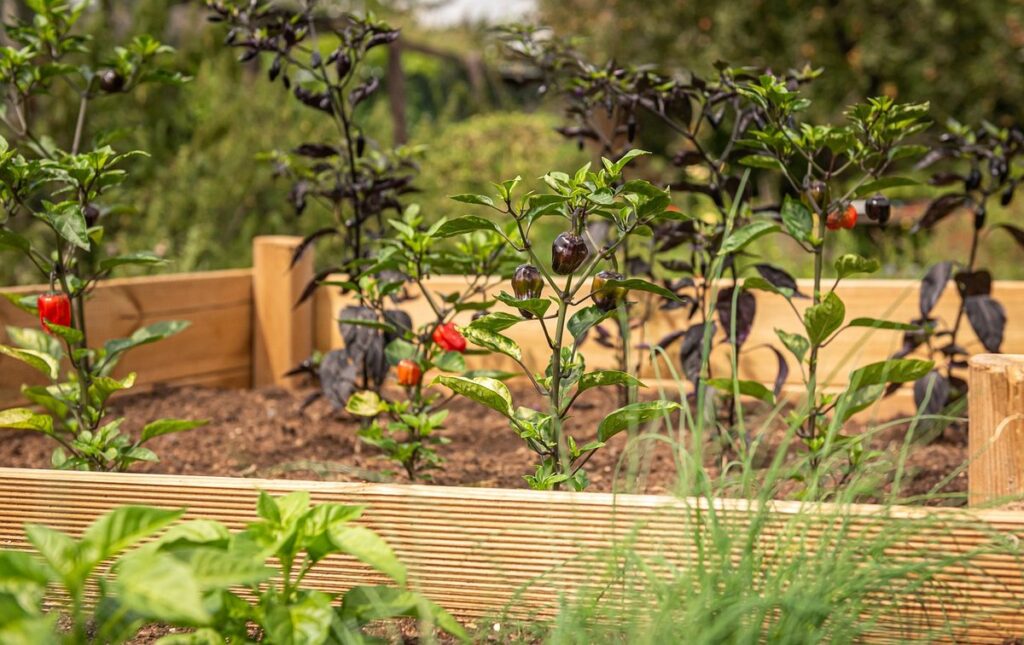
Planning Your Raised Bed
Before you start building, take some time to plan out your raised bed garden. Think about what plants will thrive together and how you’ll use the space efficiently.
Choosing the Perfect Location
When choosing the perfect location for your raised bed, there are several key factors to consider. First and foremost, think about sunlight. Raised beds need at least 6 hours of direct sunlight per day to promote healthy growth, so select a spot that receives plenty of natural light. If possible, face your raised bed south or southwest to maximize sunlight exposure.
In addition to sunlight, accessibility is also crucial. Make sure the location you choose allows for easy access to water, tools, and maintenance activities. Avoid areas with high foot traffic or where pets are likely to roam, as this can damage plants and disrupt garden activities.
Drainage is another important consideration. Raised beds should be placed on well-draining soil to prevent waterlogged conditions that can lead to root rot and other problems. Look for a spot with good air circulation and avoid low-lying areas where water may collect.
Ultimately, the best location for your raised bed will depend on your specific garden design and needs. Take the time to assess your yard’s microclimate and choose a spot that balances sunlight, accessibility, and drainage requirements.
Measuring and Marking Out the Area
Before you start building your raised bed, it’s essential to measure and mark out the space where it will be located. This might seem like a straightforward task, but it’s crucial to get it right to ensure that your raised bed fits perfectly into its intended spot and provides ample growing space for your plants.
To begin, determine the size of your raised bed based on the type of garden you want to create. Consider factors such as the mature size of your plants, accessibility, and the available space in your yard. Make sure to take note of any obstructions, like pipes or electrical outlets, that may impact the placement of your raised bed.
Use a tape measure to mark out the dimensions of your raised bed on the ground with stakes and twine. This will give you a visual representation of the space and allow you to make any necessary adjustments before construction begins. Remember to also consider any additional features you want to include, such as a path or a trellis, when planning the layout of your raised bed.
Considering Soil Quality and Drainage
When choosing a location for your raised bed, it’s essential to consider the soil quality and drainage. Good soil can make all the difference in the success of your garden, while poor soil can lead to struggling plants and wasted resources. To assess the soil quality, start by digging a small test pit in the area where you plan to build your raised bed. Take note of its texture, structure, and fertility. If the soil is heavy clay or sandy, it may not drain well, which can cause waterlogged roots and root rot.
If you find that the soil has drainage issues, there are several solutions you can implement. One option is to add organic matter like compost or manure, which will help improve the soil‘s structure and increase its ability to absorb water. Another solution is to install a French drain system, which involves digging a trench and filling it with gravel or rocks to allow excess water to escape.
If your area has poor natural drainage due to being in a low-lying spot or having a high water table, you may need to take more drastic measures. In this case, consider building your raised bed on a slight incline or using a raised bed design that incorporates built-in drainage features.
Preparing the Site
Before you start building, it’s essential to prepare the site where your raised bed will be located. This involves clearing and leveling the area to ensure optimal growing conditions.
Clearing the Area and Removing Debris
Before you start building your raised bed, it’s essential to clear the area and remove any debris or obstacles that could interfere with construction. This step may seem trivial, but it’s crucial for creating a stable and level foundation for your garden.
Start by surveying the area where you’ll be building your raised bed. Look for any visible debris such as twigs, leaves, or rocks. Remove these by hand or use a broom to sweep them away. Next, inspect the soil beneath the surface. Check for any roots, weeds, or other underground obstacles that could cause problems later on.
If you find any large objects like old plants, irrigation systems, or buried pipes, you may need to dig them up manually or hire a professional to do it for you. Make sure to mark these areas so you can avoid them during construction. Clearing the area takes time and effort, but it’s worth it in the long run. A well-prepared site will ensure your raised bed is stable, level, and ready for planting.
Leveling the Ground and Creating a Base Layer
To ensure your raised bed is stable and secure, it’s essential to level the ground and create a solid base layer. Start by removing any debris, rocks, or weeds from the area where your raised bed will sit. This will give you a clean slate to work with.
Next, use a rake or shovel to loosen the soil in the designated area. Check for any low spots or uneven areas using a spirit level. If necessary, add some sand or gravel to fill in the gaps and create a smooth surface. For instance, if your yard slopes downward, you might need to add a layer of compacted gravel to prevent water from accumulating around the raised bed.
Once you have a flat surface, lay down a 2-3 inch layer of weed barrier fabric. This will help suppress weeds and reduce maintenance in the long run. You can also use landscape fabric or plastic sheeting as an alternative. After laying down the fabric, add a 1-2 inch layer of compacted gravel on top to create a stable base for your raised bed.
Preparing the Soil and Adding Organic Matter
Preparing the soil and adding organic matter are crucial steps in creating a fertile growing environment for your raised-bed garden. Before adding any plants, you want to ensure that the soil is rich in nutrients and has good drainage. To achieve this, start by loosening the top 8-10 inches of soil using a fork or shovel. This will help break up any clods and aerate the soil.
Next, add a 2-3 inch layer of organic matter such as compost or well-rotted manure to the bottom of the bed. Compost is an excellent choice because it’s rich in nutrients and improves soil structure. You can make your own compost at home using kitchen scraps, leaves, and grass clippings. If you’re short on space, consider purchasing bagged compost.
As a general rule, aim for a mix of 20-30% organic matter to 70-80% existing soil. This will give your plants the best chance to thrive without overloading the soil with too much nutrients. You can also add other amendments like worm castings or peat moss to improve soil fertility and structure.
Keep in mind that it’s essential to avoid adding excessive amounts of organic matter, as this can lead to a lack of oxygen in the soil. Start small and gradually build up the layer over time.
Building Your Raised Bed
Now that we’ve planned and prepared our raised bed design, it’s time to get started on building it. Let’s go over the materials you’ll need and how to construct a sturdy frame.
Choosing the Right Materials
When it comes to choosing the right materials for your raised bed, you have several options. One of the most popular choices is wood, particularly cedar and redwood, which are naturally resistant to rot and insects. However, they can be expensive and may require periodic staining or sealing to maintain their appearance.
Another option is stone, such as brick or concrete blocks, which offer a more durable and low-maintenance alternative. They also allow for good drainage and can add visual appeal to your garden. On the other hand, stone can be heavy and difficult to install, especially if you’re building a large raised bed.
Recycled plastic is another material worth considering. It’s lightweight, easy to clean, and resistant to rot and insects. However, it may not provide the same aesthetic appeal as wood or stone, and some varieties can be prone to fading in direct sunlight.
Ultimately, the choice of materials will depend on your budget, desired appearance, and level of maintenance you’re willing to commit to.
Constructing the Frame and Bottom Slats
Now it’s time to construct the frame and bottom slats of your raised bed. This is an essential step that requires attention to detail and careful planning. Using the materials you’ve chosen, begin by assembling the frame using screws or nails. Make sure the corners are secure and the frame is square.
When building with wood, consider using pressure-treated lumber for the bottom slats. This will help prevent rot and damage from moisture accumulation. Place the slats evenly spaced apart, ensuring they’re level and securely attached to the frame. Use a spirit level or laser guide to ensure accuracy. For added stability, you can attach additional support beams between the slats.
Remember to also secure any excess wood or debris from the building process to prevent it from interfering with your plants’ growth later on. As you assemble the frame, double-check for any gaps or weaknesses that could compromise the structure’s integrity.
Adding Supports and Drainage
When building your raised bed, it’s crucial to add supports and drainage systems to ensure its stability and health. Supports like corners or brackets are essential for maintaining the bed’s shape and preventing collapse under heavy soil or plant loads. These can be made from wood, metal, or plastic, depending on your preference and budget.
For instance, a simple yet effective solution is to use corner brackets that attach to the frame at 90-degree angles. This creates a sturdy base that prevents the sides from bowing outward. Another option is to add internal supports, such as horizontal beams between the corners, for added stability.
Drainage systems like bottom boards or tubes also play a vital role in maintaining soil health. A 2-3 inch gap at the bottom of the bed allows excess water to escape, preventing waterlogged conditions that can lead to root rot and other issues. You can add a drainage board or use perforated pipes buried beneath the soil for efficient water management.
By incorporating these supports and drainage systems, you’ll create a raised bed that’s both functional and long-lasting.
Filling Your Raised Bed
Now that your raised bed is built, it’s time to focus on what really matters: filling it with nutrient-rich soil and delicious plants. In this section, we’ll guide you through the process of preparing your raised bed for planting.
Selecting the Right Compost and Soil Mix
When it comes to selecting the right compost and soil mix for your raised bed, there are several factors to consider. The first step is to determine what type of plants you will be growing in your garden. Different plants have varying requirements when it comes to nutrient levels and pH balance.
For example, if you’re planning to grow acid-loving plants like blueberries or azaleas, you’ll need a compost mix with a lower pH level. On the other hand, vegetables and flowers can thrive in a slightly more alkaline environment. Consider the specific needs of your plants when selecting a compost mix.
A good rule of thumb is to choose a compost mix that contains at least 30% organic matter, such as peat moss or coconut coir. This will help retain moisture and suppress weeds. You should also consider the nutrient levels in your soil, aiming for a balanced mix of nitrogen, phosphorus, and potassium (NPK).
When purchasing a pre-mixed compost and soil blend, read the label carefully to ensure it meets the needs of your plants. Alternatively, you can create your own custom mix using individual components like compost, perlite, and vermiculite.
Adding Mulch and Cover Crops
Adding mulch and cover crops to your raised bed is an essential step in maintaining its health and fertility. Mulch serves as a protective barrier that retains moisture, suppresses weeds, and regulates soil temperature. Choose organic materials like wood chips, bark, or straw, and apply a 2-3 inch layer around the plants. As it breaks down, mulch will also add nutrients to the soil.
Cover crops are another valuable addition to your raised bed. These hardy plants, such as clover or rye, are sown between crop cycles and help maintain soil health by fixing nitrogen, reducing erosion, and attracting beneficial insects. They can be incorporated into the soil when they’re mature, adding organic matter and nutrients. Consider using a cover crop in combination with mulch to create a sustainable gardening system.
By incorporating these elements, you’ll be creating a thriving ecosystem that requires less maintenance over time.
Planting Your Garden
Now that you’ve built your raised bed, it’s time to fill it with life. Planting your garden requires careful consideration of spacing, depth, and timing to ensure healthy growth and maximize yields.
When planting individual plants or seedlings, leave enough space for mature growth without overcrowding the bed. This varies by plant species, but a general rule is to provide about 12-18 inches of clearance between vegetables like tomatoes, peppers, and eggplants. For leafy greens and herbs, you can get away with closer spacing – think 6-8 inches.
Timing your planting is also crucial. If you’re starting from seeds, sow them at the correct depth for optimal germination. Most vegetable seeds require a depth of about one to two times their own thickness. Transplanted seedlings should be set in at the same depth as they were previously growing. Finally, plant in the right season for your climate and location. In areas with frost, wait until after the last spring frost date before planting warm-season crops like tomatoes.
By following these guidelines, you’ll create a thriving garden that brings joy and fresh produce to your table all season long.
Maintenance and Upkeep
Now that you’ve built your raised bed, it’s time to think about keeping it healthy and thriving throughout the growing season. This section will cover essential maintenance tasks to ensure your garden continues to flourish.
Watering and Irrigation Systems
Proper watering and irrigation systems are crucial for maintaining healthy plants in your raised bed. Overwatering is a common mistake that can lead to root rot, nutrient deficiencies, and even plant death. On the other hand, underwatering can cause stress, stunted growth, and reduced yields.
To avoid these problems, it’s essential to understand the unique needs of your plants. Consider factors like climate, soil type, and plant variety when determining how much water to apply. A good rule of thumb is to water deeply but infrequently, allowing the top 2-3 inches of soil to dry out between waterings.
Use a drip irrigation system or soaker hose to deliver water directly to the roots, reducing evaporation and runoff. You can also install a rain sensor to automatically shut off watering systems during periods of rainfall. Additionally, monitor your plants’ responses to watering schedules and adjust accordingly. For example, if you notice leaves wilting or turning yellow, it may be a sign that you’re underwatering.
By implementing a well-designed irrigation system and monitoring its effectiveness, you’ll be able to provide your raised-bed garden with the right amount of water at the right time.
Mulching and Weeding
Mulching is an essential component of maintaining your raised bed garden. It helps retain moisture, suppresses weeds, and regulates soil temperature. Aim to replenish mulch levels every 2-3 months, depending on weather conditions and plant growth. Use organic materials like wood chips, straw, or bark, which break down over time, adding nutrients to the soil.
To control weeds in your raised bed, focus on prevention rather than eradication. Before mulching, till the top 6 inches of soil to remove any existing weeds. Then, apply a 2-3 inch layer of mulch, leaving some space for plants to grow. Regularly inspect your garden and remove any new weed growth before it spreads. Consider using landscape fabric or plastic sheeting as a barrier between the mulch and soil to prevent weeds from growing.
Keep in mind that excessive mulching can lead to moisture accumulation, potentially harming your plants. Make sure to leave enough space for air circulation and water penetration. Regularly inspect your garden and adjust mulch levels accordingly.
Monitoring pH Levels and Nutrient Requirements
Monitoring pH levels and nutrient requirements is crucial for optimal plant growth. Soil pH affects nutrient availability, with some nutrients being more accessible at certain pH ranges. For example, nitrogen is most available to plants when the soil pH is between 6.0 and 7.0. On the other hand, phosphorus becomes more soluble as the pH drops below 5.5.
To monitor your raised bed’s pH levels, you can purchase a DIY testing kit or send a sample to a lab for analysis. The results will indicate whether your soil is acidic (low pH), alkaline (high pH), or neutral (around 7.0). If your pH is off the charts, it’s essential to make adjustments.
For nutrient requirements, consider incorporating compost or well-balanced fertilizers into your raised bed. These additions will provide plants with necessary nutrients like nitrogen, phosphorus, and potassium. However, be mindful of overfertilizing, as this can harm plants and contaminate soil for future use.
Frequently Asked Questions
What if I have a sloping yard, and how can I ensure proper drainage in my raised bed?
If you have a sloping yard, it’s essential to create a level surface for your raised bed to prevent water from accumulating at the bottom. You can achieve this by installing a French drain or raising the bed on blocks to create a slight incline towards the downhill side.
Can I use a mix of native soil and compost, or is it better to start with 100% new soil?
Yes, using a mix of native soil and compost is a great way to improve your raised bed’s fertility while minimizing waste. Just be sure to test the pH level of your existing soil to ensure the mixture won’t throw off the balance.
How often should I water my raised bed garden, especially during periods of drought?
The frequency of watering depends on factors like temperature, humidity, and soil type. As a general rule, check the top 1-2 inches of soil daily for moisture. Water deeply but infrequently to encourage deep root growth and reduce evaporation.
Can I build a raised bed using recycled materials, such as old pallets or brick?
Yes, repurposing materials can be an eco-friendly and budget-friendly option! However, ensure the materials are clean, dry, and free of pests or chemicals. Also, consider the durability and long-term implications for your plants’ health.
How do I handle common pests like slugs, snails, and aphids in my raised bed garden?
To manage pests organically, use techniques like hand-picking (for slugs and snails), introducing beneficial insects (like ladybugs or lacewings), or spraying neem oil to repel aphids. You can also use copper tape or crushed eggshells as a barrier around plants to deter slugs and snails.