
If you’re looking to reduce your waste and create nutrient-rich soil for your garden, consider building an in-ground compost pile. Not only is this method efficient, but it also helps minimize odor and pest issues that can come with traditional above-ground composting. By following our step-by-step guide, you’ll learn how to select the perfect location for your compost pile and maintain it effectively. We’ll cover the benefits of in-ground composting, including its ability to blend seamlessly into your yard while still providing a convenient way to turn food scraps and other organic materials into valuable fertilizer. Our comprehensive guide will walk you through everything you need to know to create a thriving in-ground compost pile that will take your garden to the next level.
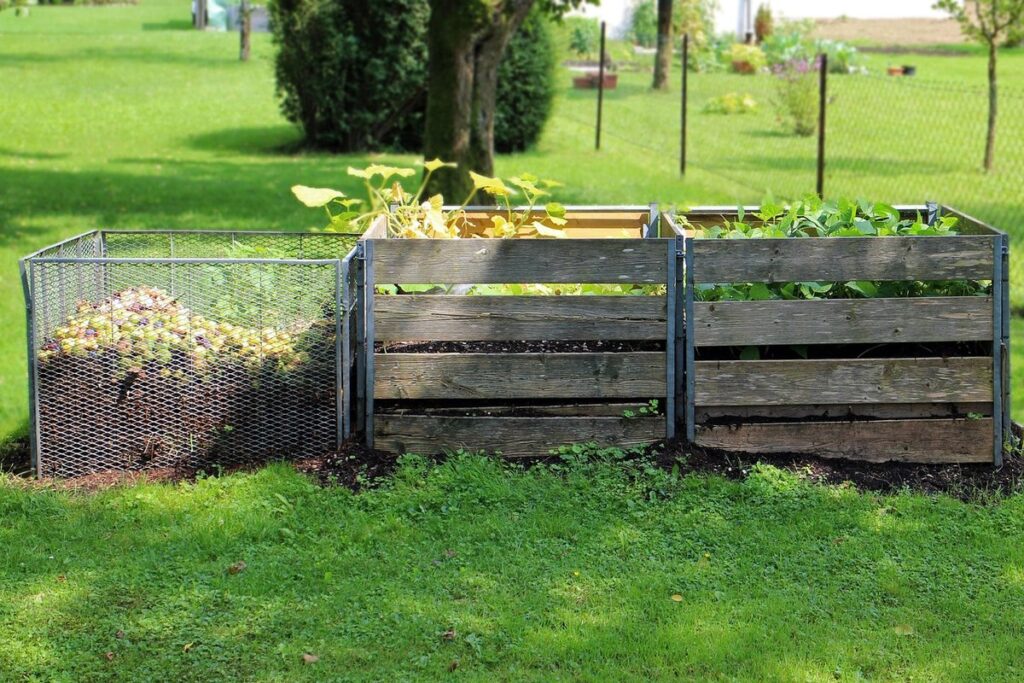
Benefits of In-Ground Composting
Building a compost pile in the ground has numerous advantages, including reduced odors and pests, as well as increased nutrient retention for your garden. Let’s explore these benefits further!
Reduced Odor and Pests
One of the significant advantages of in-ground composting is its ability to minimize odor and pest issues. When you create a compost pile above ground, it can become a haven for pests like rodents, raccoons, and flies that are attracted to food scraps and other organic materials. In contrast, an in-ground composting system buries these waste materials beneath the soil’s surface, reducing their visibility and appeal to unwanted visitors.
By containing odors within the earth, in-ground composting eliminates the pungent smells associated with traditional compost piles. This is especially beneficial for gardeners living in residential areas or who have nearby neighbors. A buried compost pile also prevents moisture from evaporating into the air, further minimizing odor issues.
As a result of reduced pest and odor concerns, in-ground composting offers a more low-maintenance option compared to above-ground composting. You can simply forget about your compost pile for weeks at a time without worrying about attracting pests or creating unpleasant odors. This convenience makes in-ground composting an attractive choice for many gardeners looking to incorporate sustainable waste management practices into their routines.
Space Efficiency
In-ground composting is a game-changer for urban gardeners and those with limited space. You don’t need a sprawling backyard to create nutrient-rich soil for your plants. A small area of about 4×4 feet can be enough to set up a thriving in-ground compost pile.
To start, choose a spot that’s easily accessible and has good drainage. Dig a shallow trench, about 6-8 inches deep, leaving a narrow path in between the pile and any surrounding features. This will allow you to maintain the pile without having to dig through it. Next, add a layer of brown materials like dry leaves or shredded newspaper, followed by a layer of green materials such as kitchen scraps or grass clippings.
As your pile grows, simply rotate it periodically to ensure even decomposition and aerate the contents. You can also use vertical space by creating a “lasagna” effect with alternating layers of brown and green materials. By following these simple steps, you can create an efficient in-ground compost system that will produce rich soil for your plants, regardless of your yard’s size.
Improved Compost Quality
One of the most significant advantages of in-ground composting is its ability to provide better oxygenation and mixing of the compost pile. This leads to a higher quality finished product, rich in nutrients and beneficial microorganisms. Unlike traditional above-ground compost piles, which can become anaerobic (oxygen-free) due to their compacted nature, in-ground piles allow for natural aeration.
As you dig into the earth, you’ll create a well-oxygenated environment that promotes healthy microbial activity. This is especially crucial during the decomposition process, where microorganisms break down organic matter into nutrient-rich humus. In fact, research has shown that oxygen levels can drop to as low as 2% in above-ground compost piles, whereas in-ground piles typically maintain an oxygen level of around 10-15%. By allowing air to penetrate and circulate through the pile, in-ground composting ensures a more efficient breakdown of organic matter. This results in a finished product that’s teeming with life – perfect for amending your garden soil or improving soil structure.
Choosing the Right Location
When selecting a spot for your in-ground compost pile, consider factors like sunlight, water drainage, and proximity to your garden beds to ensure optimal decomposition. Choose a location that’s easy to access and maintain.
Selecting a Sunny Spot
When selecting a spot for your underground compost pile, one of the most critical considerations is sunlight. Composting relies on microorganisms breaking down organic matter, and these microbes thrive in conditions with adequate light. Ideally, choose a location that receives at least six hours of direct sunlight per day.
Avoid areas shaded by trees or structures, as this can lead to anaerobic (oxygen-free) conditions, which can be detrimental to the composting process. Also, steer clear of low-lying spots where water may collect and create an oxygen-depleted environment.
Consider the proximity to a water source when selecting your spot. You’ll want easy access for watering, but avoid areas prone to flooding or standing water. When assessing potential sites, observe the surrounding terrain and note any natural features that could impact drainage, such as slopes or low spots.
Keep in mind that the ideal location may vary depending on your climate and region. For example, in cooler climates, a spot with some shade can help regulate temperatures and prevent overheating. In warmer areas, ensure the chosen site receives sufficient sunlight to counteract excessive heat buildup.
Avoiding Waterlogged Areas
When creating an in-ground compost pile, it’s crucial to choose a location that won’t compromise the health of your compost. One common pitfall is waterlogging, which can lead to anaerobic conditions, unpleasant odors, and even attract pests. To avoid these issues, you need to identify areas prone to waterlogging.
Look for low-lying spots in your yard where water tends to collect after rainfall. These areas often have poor drainage, making them ideal breeding grounds for disease-causing pathogens. Check the slope of your land; if it’s flat or gently sloping, water may accumulate near the compost pile.
Avoid creating a compost pile in these areas, as they can lead to soggy conditions that hinder decomposition and attract unwanted critters. Instead, opt for a spot with good drainage, ideally on slightly raised ground or near a natural slope. This will allow excess moisture to escape, promoting healthy microbial activity and preventing waterlogged conditions.
Considering Drainage and Slope
When selecting a location for your in-ground compost pile, it’s essential to consider drainage and slope. Poor drainage can lead to waterlogged piles, which are breeding grounds for pests and create unpleasant odors. On the other hand, adequate slope ensures that excess moisture drains away from the pile.
To assess the drainage of your potential site, look for signs such as puddles, low-lying areas, or standing water after rainfall. You can also dig a small test hole to see how quickly water seeps into the soil. Aim for a spot with gentle to moderate slope, ideally 1-2% incline. Avoid areas where water tends to collect or flow directly towards your compost pile.
If you have a flat area, consider creating a slight incline by raising one end of the pile using rocks or wood. This will allow excess moisture to escape while keeping the pile stable. Remember to place your compost pile at least 10 feet away from any buildings and water sources to prevent contamination. By choosing a location with good drainage and slope, you’ll create an ideal environment for efficient composting.
Preparing the Site
Before digging in, it’s essential to select a suitable location for your underground compost pile and prepare the site to ensure optimal airflow and drainage. Let’s get started on that process!
Testing pH Levels
Before you begin building your in-ground compost pile, it’s essential to test the pH levels of your soil. Why? Well, the ideal pH range for composting is between 6.0 and 7.5. If your soil’s pH is too high or too low, it can affect microbial activity, which is crucial for breaking down organic matter. In fact, a study by the University of California found that microbial activity drops significantly when pH levels deviate from this range.
To collect a sample for analysis, choose an area in your yard that represents the soil conditions where you’ll be building your compost pile. Dig a small trench about 6-8 inches deep and scoop out a handful of soil. Mix it well with some distilled water to create a uniform consistency, then fill a sealable container or bag with the mixture. Mail this sample to a lab for analysis, or use a DIY kit that tests pH levels on-site. The cost is relatively low – around $10-$20 per test – and the results will give you a clear understanding of your soil’s pH level.
Assessing Soil Structure
Before starting your in-ground compost pile, it’s crucial to assess the soil structure to ensure it can support the decomposition process. Start by observing the soil’s color and texture. If it appears compacted or poorly draining, it may not be suitable for in-ground composting.
To identify compacted soils, look for signs such as a hardpan layer or an uneven terrain. These conditions can prevent air and water from reaching the microorganisms, hindering decomposition. On the other hand, poorly draining soils might retain too much moisture, leading to anaerobic conditions that can produce unpleasant odors.
Check the soil’s porosity by inserting your finger into it. If it feels hard or squishy, it may not be conducive for composting. Similarly, if water takes a long time to drain from the soil, it indicates poor drainage. You can also perform a simple test by pouring water onto the soil and observing how quickly it absorbs.
Compacted or poorly draining soils require some preparation before building your in-ground compost pile. You may need to till the area to loosen the soil, add organic matter like compost or manure, or even create a raised bed to improve drainage.
Marking Out the Compost Area
Before you start building your compost pile, it’s essential to define its boundaries. This will help keep the area organized and make maintenance a breeze. To mark out the designated area, begin by deciding on the size of your compost pile. A standard size is around 4×4 feet or 1 square meter, but feel free to adjust according to your specific needs.
Next, gather some stakes and twine to define the boundaries. Start by driving the stakes into the ground around the perimeter of the designated area, spacing them about a foot apart. Then, wrap the twine around the stakes to create a clear boundary. You can also use a garden hose or rope to mark out the area instead of twine.
As you’re marking out the compost area, consider its proximity to your home and any nearby water sources. Keep in mind that a good compost pile should be located at least 10-15 feet away from your house to minimize odors and pests. Also, avoid placing it near sidewalks or driveways where pedestrians may accidentally disturb the pile.
To make maintenance easier, consider creating a small path around the compost area using gravel or wood chips. This will prevent muddy conditions and allow for easy access when adding materials or turning the pile.
Building the Compost Pile
Now that you have a designated area for your compost pile, it’s time to start building it from the ground up, layer by layer. This section will walk you through the process of creating each level.
Layering Materials
When building an in-ground compost pile, it’s essential to layer materials strategically. This means alternating between “green” and “brown” materials to create a balanced mix that promotes decomposition.
Green materials are high in nitrogen, including food scraps, grass clippings, and manure. Brown materials, on the other hand, are high in carbon and include dried leaves, straw, and shredded newspaper. A general rule of thumb is to alternate between 2-3 inches of green material and 2-3 inches of brown material.
For example, start with a layer of brown materials like dried leaves or straw at the bottom of the pile. This helps absorb excess moisture and provides a stable base for the pile. Next, add a layer of green materials like food scraps or grass clippings. Repeat this process, ending with a layer of brown materials on top.
Remember to keep each layer manageable in size – about 2-3 inches thick. This will help ensure airflow and prevent anaerobic conditions that can lead to unpleasant odors and pests.
Maintaining Moisture Levels
Maintaining adequate moisture levels is crucial for a healthy compost pile. If the pile is too dry, decomposition will slow down, and if it’s too wet, anaerobic conditions can lead to unpleasant odors and potentially pathogenic organisms. Aim for a consistency like a damp sponge – not soaking wet but not dry either.
To achieve this balance, check the moisture levels by squeezing a handful of compost; if it crumbles easily, it needs more water. If it holds its shape but feels slightly springy, it’s just right. You can also sprinkle water over the pile, taking care not to overwater – about 2-3 gallons per day is sufficient for a standard-sized pile.
Another trick is to add moist “green” materials like grass clippings or fresh manure to balance out dry “brown” materials like leaves or shredded newspaper. Monitor your pile’s temperature too; it should be around 130-140°F (54-60°C) during active decomposition, which indicates good moisture levels are being maintained.
Turning the Compost
Now that you’ve built and maintained your compost pile, it’s time to turn the compost. This process helps to aerate the pile, speed up decomposition, and reduce odors. As a general rule, aim to turn your compost every 7-10 days during the active phase. However, this frequency may vary depending on factors such as the temperature of the pile, the moisture level, and the carbon-to-nitrogen ratio.
To turn the compost effectively, use a pitchfork or shovel to gently break up any clumps or matting at the bottom of the pile. Be careful not to compact the compost further, which can slow down decomposition. As you turn, work your way through the entire pile, loosening and aerating it evenly. If you notice that your compost is developing an unpleasant odor, turning it more frequently may help to mitigate this issue.
Remember to wear gloves when handling the compost, as it can be warm and potentially messy. By regularly turning the compost, you’ll be able to speed up the decomposition process, resulting in a rich, nutrient-dense soil amendment for your garden.
Managing Odor and Pest Issues
As you’re building your underground compost pile, it’s essential to consider how to manage potential odor and pest issues that can arise from decaying organic matter. Let’s cover some key strategies for keeping things under control.
Identifying Potential Problems
As you embark on creating an in-ground compost pile, it’s essential to be aware of potential problems that may arise. One common issue is pests, such as rodents, raccoons, and insects, which can be attracted to the nutrient-rich environment. To deter them, consider burying a 12-inch deep layer of rocks or broken pottery at the bottom of the pile, making it difficult for pests to dig in.
Another problem you may encounter is odors, particularly if your compost pile is too dense or lacks sufficient airflow. Ensure that you maintain a mix of “green” (nitrogen-rich) and “brown” (carbon-rich) materials, which will help break down quickly and reduce odor-causing pathogens. Aim for a balance of 2/3 brown materials (like dried leaves) and 1/3 green materials (such as food scraps).
Excessive moisture can also be an issue, leading to anaerobic conditions that foster odors and pests. Regularly check the pile’s moisture level by squeezing a handful of compost; if it’s too wet, add more brown materials to absorb excess water.
Implementing Preventative Measures
When setting up your compost pile in the ground, it’s essential to take preventative measures to minimize the risk of odors and pests. Start by creating a balanced mix of “green” (nitrogen-rich) and “brown” (carbon-rich) materials. This will help speed up decomposition and reduce the likelihood of attracting pests.
To keep your compost pile odor-free, add plenty of brown materials like dried leaves or straw to absorb excess moisture. You can also sprinkle natural deterrents like diatomaceous earth or cinnamon on top of the pile to repel ants and other insects. Regular maintenance checks are crucial; inspect your pile regularly for signs of pests or odors.
To check for pests, gently dig into the pile with a fork and look for any unusual activity. If you notice any issues, address them promptly by adding more brown materials or natural deterrents as needed. By staying on top of these preventative measures, you can enjoy a healthy, thriving compost pile in your garden.
Addressing Issues Promptly
As you’re creating your compost pile in the ground, it’s inevitable that issues will arise. Pests and odors can quickly become a problem if not addressed promptly. To resolve pest infestations, inspect your pile regularly for signs of rodents, ants, or other pests. If you notice any issues, take action immediately by using natural deterrents such as cinnamon, cayenne pepper, or diatomaceous earth to repel them.
For odor concerns, turn the pile frequently to aerate it and speed up decomposition. You can also add a 4-6 inch layer of finished compost or well-rotted manure on top of the pile to help absorb excess moisture and odors. Additionally, maintaining the right carbon-to-nitrogen ratio (about 2/3 “brown” materials like leaves or straw and 1/3 “green” materials like food scraps) can help reduce unpleasant smells.
By staying vigilant and taking prompt action when issues arise, you can maintain a healthy compost pile that’s teeming with beneficial microbes and produces rich, nutrient-dense soil for your garden.
Harvesting Your Finished Compost
Now that your compost pile is finished, it’s time to harvest its rich rewards: turn it into a nutrient-packed fertilizer for your garden. Learn how to do this safely and effectively next.
Determining Readiness
When you’ve finally finished turning and aerating your compost pile, it’s time to determine if it’s ready for use. One of the key indicators is texture – a well-composted pile will crumble easily when pressed between your fingers. If it still feels coarse or lumpy, give it more time.
Smell is another important factor; finished compost should have a rich, earthy aroma, whereas unfinished compost can smell like rotten eggs or garbage. If you notice any unpleasant odors, your compost needs more time to break down.
Color can also indicate completion – a finished pile will typically be darker in color and uniform throughout. However, keep in mind that some materials, such as grass clippings, may leave behind greenish hues even when fully broken down.
To check on the status of your compost, perform the “squeeze test”: compress a handful of compost into a ball and let it go – if it holds its shape but eventually crumbles apart, it’s ready.
Removing the Compost
When it’s finally time to remove the finished compost from your in-ground pile, take care to avoid compacting the remaining material. Begin by using a pitchfork or shovel to loosen the top layer of compost. This will make it easier to lift out and minimize disturbance to the undisturbed lower layers.
Carefully scoop up small amounts of finished compost into containers or bags, taking note not to overload them. This will prevent any accidental spills or messes during transport. If you’ve been maintaining a specific area around your in-ground pile for easy access, now is the perfect time to inspect it and clean up any stray debris.
Once you’ve removed all the finished compost, take a moment to assess what remains. What still needs to be broken down? Consider adding more green materials or turning the pile to enhance decomposition. Regularly aerating your in-ground compost pile will also help ensure it continues to work efficiently between harvests. Store the final product in a dry area, away from direct sunlight and pests.
Frequently Asked Questions
How do I know if my soil is ready for an in-ground compost pile?
Before starting your project, it’s essential to assess the condition of your yard. If you have rocky or compacted soil, consider amending it with organic matter to create a conducive environment for composting. Also, check for any underground utilities or pipes that could interfere with your setup.
Can I use my in-ground compost pile year-round, regardless of weather conditions?
While an in-ground compost pile is more resistant to extreme temperatures than above-ground ones, it’s still crucial to monitor the site during winter months when moisture levels may fluctuate. Make sure to maintain adequate drainage and avoid excessive water accumulation that could cause odors or pest issues.
What if I have pets that frequently dig around my yard – can they harm the compost pile?
Yes, curious pets can accidentally damage your in-ground compost pile by digging into it. To minimize risks, consider placing a physical barrier around the area to deter your pet from entering the zone while still allowing you access for maintenance.
How often should I turn and aerate the compost pile during its development stage?
Aim to turn and aerate your in-ground compost pile every 2-3 months, depending on factors like climate and material turnover rates. This will ensure optimal decomposition and help prevent anaerobic conditions that might lead to unpleasant odors or pest infestations.
Are there any specific materials I should avoid adding to my in-ground compost pile?
Yes, it’s crucial to exclude non-biodegradable items like plastics, metal scraps, and pet waste from your compost pile. These contaminants can contaminate the entire system and render your finished compost unsuitable for gardening purposes.