
Growing your own vegetables can be incredibly rewarding, but getting started with a raised bed garden can feel overwhelming. Choosing the perfect location for your raised beds is crucial to their success – too much sun or shade and you’ll end up with scrawny plants instead of a thriving harvest.
In this article, we’ll walk you through designing, building, and maintaining a successful raised bed vegetable garden from start to finish. We’ll cover how to select the perfect spot for your beds, prepare the soil for optimal growth, choose the right vegetables for your climate, and troubleshoot common issues that might arise. With our expert guidance, you can enjoy fresh, homegrown produce all season long – from juicy tomatoes to crisp lettuce and everything in between.
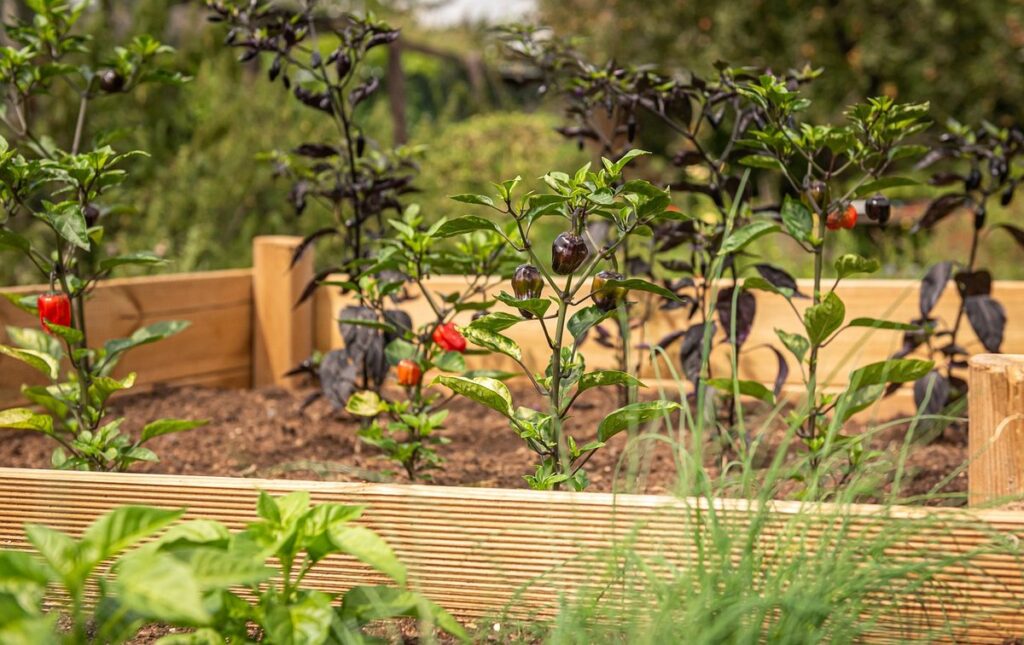
Planning Your Raised Bed Garden
Before you start building, it’s essential to plan your raised bed garden carefully, considering factors such as space and sun requirements for your chosen vegetables. Let’s dive into the planning process!
Choosing the Perfect Location
When choosing the perfect location for your raised bed garden, sunlight and drainage are two of the most critical factors to consider. Vegetable plants require at least six hours of direct sunlight per day, so select a spot that receives plenty of sun throughout the day. Avoid areas with dense tree cover or nearby buildings that may cast shade on your garden.
In addition to sunlight, good drainage is essential for healthy plant growth. Raised beds can dry out quickly, but poor drainage can lead to waterlogged soil and root rot. Look for a location with well-draining soil, such as sandy or loamy soils, which will help excess water drain away from the roots of your plants.
Consider nearby water sources, too. A hose or watering can should be within easy reach to make watering convenient. Keep in mind that standing water can attract pests and create an ideal environment for diseases to spread, so ensure your raised bed garden has a gentle slope to prevent water from collecting at the base.
Measuring and Designing Your Bed
When measuring and designing your raised bed garden, it’s essential to consider not only the space you have available but also the mature size of each plant variety. A general rule of thumb is to provide at least 12-18 inches between plants for easy access and maintenance. To determine how much space each plant will require, consult the seed packet or online resource for specific information.
Consider a grid-like layout to maximize yields and ensure efficient use of space. Plant taller varieties towards the north side of your bed to avoid shading smaller plants. For example, tomatoes and peppers can be planted on the south side, while lettuce, herbs, and other compact greens are best suited for the north side.
When designing your layout, think about companion planting as well. Certain plants, like marigolds and basil, have natural pest-repelling properties that can benefit neighboring plants. By combining these plants thoughtfully, you can create a harmonious and thriving ecosystem within your raised bed garden.
Selecting the Right Materials
When it comes to selecting materials for building raised beds, you have several options to consider. Wood is a popular choice due to its affordability and aesthetic appeal, but it may require more maintenance to prevent rot and pests. Composite materials are another option that offers durability and low maintenance, but they can be costly.
Recycled plastic lumber is an eco-friendly alternative that’s resistant to rot, insects, and weathering. However, it may not have the same natural look as other materials. Consider using reclaimed wood or sustainably-sourced wood for a more environmentally friendly option.
Ultimately, choose materials that balance durability, aesthetics, and sustainability. If you’re short on budget, opt for cedar or pressure-treated pine for their resistance to rot and pests. Whichever material you select, ensure it’s safe for your vegetables by avoiding treated woods with arsenic or chromium.
Consider the long-term costs of maintenance and replacement when making your decision. Some materials may require periodic sealing or staining, while others can withstand the elements without additional care.
Preparing Your Soil
Before planting your raised bed, it’s essential to prepare the soil by loosening and aerating it to create a healthy foundation for your vegetables to thrive. This step sets the stage for optimal growth.
Testing and Amending Your Soil
Soil testing and amending might seem like a daunting task, but it’s crucial for creating an optimal growing environment in your raised bed vegetable garden. Think of it as giving your plants the right recipe to thrive – you wouldn’t bake a cake without knowing the exact ingredients needed, would you? The same principle applies here.
A simple soil test can reveal if your raised bed is suffering from common problems like pH imbalance or nutrient deficiencies. For instance, if your soil’s pH is too high or too low, it can hinder plant growth and even kill off certain microorganisms essential for healthy soil. Similarly, a lack of essential nutrients can lead to stunted plants, poor yields, or reduced flavor.
To fix these issues, you’ll need to amend your soil accordingly. This might involve adding organic matter like compost or well-rotted manure to balance pH levels and replenish nutrient stores. It’s also a good idea to consult with local nurseries or gardening experts for guidance on specific amendments tailored to your region’s climate and soil type.
By testing and amending your raised bed soil, you’ll be creating a fertile foundation for your vegetables to grow strong and healthy – setting yourself up for a successful harvest in the process!
Adding Organic Matter
When preparing your soil for a raised bed vegetable garden, adding organic matter is one of the most crucial steps. Organic matter such as compost, manure, or peat moss can significantly improve soil structure and fertility, which are essential for healthy plant growth.
Compost, made from decomposed plant materials like leaves and kitchen scraps, is an excellent choice. It increases the water-holding capacity of your soil, reducing the need for frequent watering. Compost also introduces beneficial microorganisms that break down nutrients, making them available to your plants. To make compost at home, start by collecting food waste and yard trimmings in a designated area.
Manure from herbivores like cows or horses is another valuable addition. It adds essential micronutrients and improves soil’s water retention capabilities. Peat moss, on the other hand, helps with drainage while maintaining moisture levels. When mixing organic matter into your raised bed, follow these guidelines: mix 2-3 inches of compost or manure into the top 6-8 inches of soil, depending on its quality.
By incorporating organic matter, you’ll create a fertile and well-draining environment perfect for growing a variety of vegetables in your raised bed garden.
Creating a Fertilization Plan
Creating a fertilization plan for your raised bed vegetable garden is crucial for optimal growth and productivity. As you prepare your soil, consider that vegetables have varying nutrient requirements throughout their growth stages. Nitrogen-rich fertilizers are essential for leafy greens like lettuce and spinach, which require high levels of nitrogen during the vegetative stage.
When developing a fertilization plan, start by understanding your specific climate and soil conditions. This will help you determine how often to apply fertilizer and what type is best suited for your garden. For instance, if your raised bed has poor drainage or pH imbalances, choose an organic fertilizer that won’t exacerbate these issues.
To create a balanced fertilization plan, consider applying the following:
• A starter fertilizer (high in phosphorus) when planting seeds to promote root development
• A nitrogen-rich fertilizer during the vegetative stage (around 1-2 weeks after transplanting)
• A balanced fertilizer (with equal N-P-K ratios) as a regular maintenance application
Remember that over-fertilization can harm your plants, so monitor their growth and adjust your fertilization plan accordingly.
Building Your Raised Bed
Now that you’ve chosen the perfect spot for your raised bed, let’s get started on building it by selecting and preparing the materials you’ll need. You’ll want to ensure they’re sturdy enough to support your plants’ growth.
Laying the Foundation
A solid foundation is essential for a successful raised bed vegetable garden. This base will provide stability and prevent water from accumulating under the bed, which can lead to rotting wood and poor drainage. To build a level base, you’ll want to start by excavating the area where you plan to install your raised bed.
Next, lay down a layer of gravel or landscape fabric, depending on your preference. Gravel is a great option if you live in an area with heavy rainfall, as it allows excess water to drain away from the bed. Landscape fabric, on the other hand, helps suppress weeds and prevents soil erosion. Spread a 2-3 inch layer of material evenly across the excavated area, making sure to level it out as you go. This will create a stable base for your raised bed and ensure that your vegetables receive the right amount of water and nutrients.
It’s also crucial to check the base is level using a spirit level or a long straightedge, ensuring the ground is even and not sloping in any direction.
Assembling the Frame
Assembling the frame of your raised bed is an exciting milestone in building your vegetable garden. With your materials at hand, let’s dive into the process. Begin by laying out the corners and edges of your frame on a flat surface, ensuring they’re even and square. If you’ve opted for pre-cut lumber or composite boards, this step will be straightforward.
Next, use screws or nails to attach the sides and corners together. Make sure to predrill screw holes to avoid splitting the wood. For added stability, consider using corner brackets or screws that go through both sides of the frame. If you’re working with wooden planks, ensure they’re properly aligned and spaced evenly apart to prevent warping.
To achieve a sturdy base, attach the bottom plate securely to the frame’s sides. This will provide support for your raised bed and help it withstand shifting soil and weather conditions. Assemble your frame on a level surface or directly in its final location to avoid any misalignment issues. Take your time, and double-check each joint for stability before moving on to the next step – adding the bottom plate and filling the raised bed with soil.
Adding a Bottom Layer
When building your raised bed, adding a bottom layer is an often-overlooked step that can make all the difference in maintaining your garden’s health and productivity. This extra layer serves as a barrier between the soil and underlying ground, preventing weeds from growing up into your bed.
One popular option for this bottom layer is weed barrier fabric. These breathable fabrics allow water and air to reach your plants while keeping weeds out. They come in various thicknesses and weaves, so choose one that suits your needs. For example, a 6-mil thick fabric will be more effective than a thinner one.
Another option is landscape plastic, which can also prevent weeds from growing into your bed. However, keep in mind that it’s less breathable than fabric and may retain too much moisture, potentially leading to root rot.
To add a bottom layer, simply cut the material to fit inside your raised bed frame, leaving some overlap around the edges for secure placement. Secure it with landscape pins or rocks, making sure it’s tight enough not to allow weeds to seep in through any gaps. By taking this extra step, you’ll save time and effort by minimizing weed growth and protecting your plants’ roots.
Planting Your Raised Bed
Now that you’ve prepared your raised bed, it’s time to plant! This section will guide you through the process of placing your vegetables in their new home.
Selecting the Right Plants
When selecting plants for your raised bed vegetable garden, it’s essential to choose varieties that thrive in these conditions. Consider the growth habits of each plant, including its spread and mature size. This will help you maximize space and prevent overcrowding.
For example, compact or dwarf varieties of tomatoes, peppers, and cucumbers are ideal for raised beds. These plants typically grow up to 2-3 feet tall and wide, leaving enough room for air circulation and easy access. On the other hand, vining plants like squash and melons require more space, so they’re best suited for larger raised beds or containers.
Another crucial factor is sunlight requirements. Make sure to choose varieties that match your garden’s light conditions. For instance, if your raised bed receives full sun (six hours of direct sunlight), select plants that can tolerate this level of exposure. Some popular options include leafy greens like lettuce and kale, which also prefer well-drained soil common in raised beds.
Remember to consider companion planting when selecting vegetables for your raised bed. Planting certain varieties together can improve growth and reduce pests and diseases.
Planting Techniques
When it’s time to plant your raised bed, you’ll want to choose the right technique for the job. Whether you’re starting from seeds, seedlings, or cuttings, follow these steps to ensure a healthy and thriving harvest.
Planting Seeds: If direct sowing into your raised bed, create shallow furrows about 1-2 inches deep, depending on the seed variety. Sow seeds at the recommended depth and spacing, usually around 1-3 inches apart. Cover the seeds with a thin layer of soil or compost. Keep the soil consistently moist during germination, which typically takes 7-14 days.
Planting Seedlings: Transplant seedlings into your raised bed when they have two sets of leaves. Dig individual holes slightly larger than the root ball, spacing them about 6-12 inches apart, depending on the mature size of the plant. Gently place each seedling in its new home, firming the soil around the roots to secure it in place. Water thoroughly and keep the soil consistently moist for the first few weeks.
Planting Cuttings: For stem cuttings, choose healthy stems with no signs of disease or pests. Remove lower leaves, leaving only a few at the top, then plant 2-3 inches deep in well-draining mix. Keep the soil moist but not waterlogged until roots develop, usually within 1-2 weeks.
Remember to space plants according to their mature size and growth habits to prevent overcrowding and promote good air circulation.
Mulching and Irrigation
Mulch is one of the most effective ways to conserve moisture and regulate soil temperature. When applied correctly, it can also help suppress weeds and retain nutrients within the raised bed. Use a 2-3 inch layer of organic mulch such as wood chips or straw around the plants. As the mulch breaks down, it will add valuable nutrients to the soil.
In addition to mulching, a well-designed irrigation system is crucial for maintaining a healthy garden. Drip irrigation systems are ideal for raised beds as they deliver water directly to the roots of the plants, reducing evaporation and runoff. This type of system also allows you to water your plants precisely when needed, rather than relying on a general watering schedule.
For example, if you’re growing lettuce or herbs in your raised bed, you can set up a soaker hose that delivers water slowly over several hours, ensuring the soil remains consistently moist but not waterlogged. By incorporating both mulch and irrigation systems into your garden plan, you’ll be able to create an optimal environment for your vegetables to thrive.
Maintenance and Troubleshooting
Regular maintenance is crucial for a healthy raised bed garden, and we’ll walk you through common issues to look out for and how to fix them. Stay ahead of potential problems with our expert tips.
Regular Watering and Monitoring
Regular watering and monitoring are crucial for the health and productivity of your raised bed vegetable garden. To ensure consistent moisture levels, create a watering schedule that takes into account factors like weather patterns, soil type, and plant water requirements. For most vegetables, aim to provide about 1-2 inches of water per week, either from rainfall or irrigation.
Monitor your plants’ progress regularly by checking for signs of stress such as wilting, yellowing leaves, or pests. Keep an eye out for weeds that can compete with your crops for water and nutrients. Use a moisture meter to check soil moisture levels, especially during hot or dry spells.
Be prepared to adjust your watering schedule as the season progresses. For example, seedlings require more frequent watering than mature plants. Similarly, vegetables like tomatoes and cucumbers need consistent moisture levels to produce well.
By keeping a close eye on your garden’s water needs and monitoring its progress regularly, you’ll be able to catch any issues early on and take corrective action before they become major problems. This will help ensure a bountiful harvest from your raised bed vegetable garden.
Common Pests and Diseases
As you tend to your raised bed vegetable garden, it’s inevitable that pests and diseases will make an appearance. Identifying common culprits is crucial for effective management. Among the most common pests are aphids, whiteflies, and slugs, which can be controlled organically using neem oil, insecticidal soap, or diatomaceous earth.
Diseases like powdery mildew, leaf spot, and root rot often arise from fungal infections, which can be prevented by ensuring good air circulation and providing adequate moisture. For instance, removing infected leaves and practicing crop rotation can help mitigate the risk of disease spread.
For integrated pest management (IPM), a multi-faceted approach is key. This involves combining physical barriers, cultural controls, biological controls, and chemical treatments judiciously. For example, using row covers to prevent pests from reaching your plants while maintaining soil quality through composting can help minimize the need for pesticides.
Monitoring your garden regularly allows you to catch issues early on, making it easier to address them before they become severe.
Seasonal Adjustments
As you tend to your raised bed vegetable garden, it’s essential to adapt its care routine to meet the changing needs of the plants throughout the seasons. Temperature fluctuations and sunlight patterns can significantly impact plant growth, so be prepared to make adjustments accordingly.
In spring, for example, focus on getting your soil warm and fertile for new seedlings. This means incorporating compost or well-rotted manure to enrich the soil, as well as monitoring soil temperature to ensure it’s suitable for planting. Aim for a minimum of 10°C (50°F) in the first few weeks after sowing seeds.
Summer is the time when your raised bed garden will receive its peak sunlight hours. To prevent scorching and promote healthy growth, provide adequate mulching around plants to retain moisture and regulate soil temperature. Be mindful of water intake as well – overwatering can lead to fungal diseases, so keep an eye on soil dryness.
In autumn, nutrient requirements shift as plants begin to prepare for dormancy. Apply a balanced fertilizer to promote root development and store energy reserves for winter. Meanwhile, prune back or harvest crops that have reached their maximum yield, clearing the bed for new spring growth.
By adjusting your care routine with the seasons in mind, you’ll be able to create an environment conducive to optimal plant growth and success.
Frequently Asked Questions
What if I have a small yard or limited space for my raised bed garden?
You can still enjoy the benefits of raised bed gardening with even a tiny yard! Consider using vertical gardening techniques, such as trellises or wall-mounted planters, to maximize your space. You can also opt for compact or dwarf varieties of vegetables that require less room to grow.
How often should I check the drainage in my raised beds?
Regularly inspecting the drainage in your raised beds is crucial for preventing waterlogged soil and root rot. Check the drainage after each heavy rainfall or irrigation session, and make adjustments as needed. You can also install a French drain system or add organic matter to improve soil structure.
Can I use a mix of topsoil and compost as a bottom layer in my raised bed?
Yes! Using a combination of topsoil and compost as the bottom layer is an excellent idea for creating a nutrient-rich environment. This blend will help retain moisture, suppress weeds, and provide essential nutrients for your plants’ growth.
How do I handle common pests like slugs and snails in my raised bed garden?
Common pests like slugs and snails can be controlled using natural methods such as hand-picking them at night, using copper tape or crushed eggshells to deter them, or introducing beneficial nematodes into your soil. Regularly inspecting your plants and taking prompt action will help prevent pest infestations from getting out of control.
Can I reuse materials from my old raised bed in a new garden?
While it might be tempting to reuse materials from an old raised bed, it’s generally not recommended due to potential contamination and weed spread. Consider repurposing the materials into something like a planter or compost bin instead.