
Creating a raised bed garden is one of the most rewarding ways to grow your own fruits, vegetables, and herbs. Not only does it provide easy access for gardening, but it also allows you to control the soil quality, drainage, and sunlight – essential factors for a thriving garden. With this comprehensive guide, we’ll walk you through the benefits of raised bed gardens, from improved crop yields to increased accessibility. We’ll cover design tips to get you started, including selecting the right materials and determining the ideal size for your space. From soil preparation to planting and maintenance, our step-by-step guide will have you enjoying a lush garden in no time – learn how to create a raised bed garden that brings you joy and fresh produce all season long!
Benefits and Advantages of Raised Beds
One of the most significant advantages of building a raised bed is that it provides numerous benefits for your garden, including improved drainage and soil quality. Let’s take a closer look at what these benefits are!
What are Raised Beds?
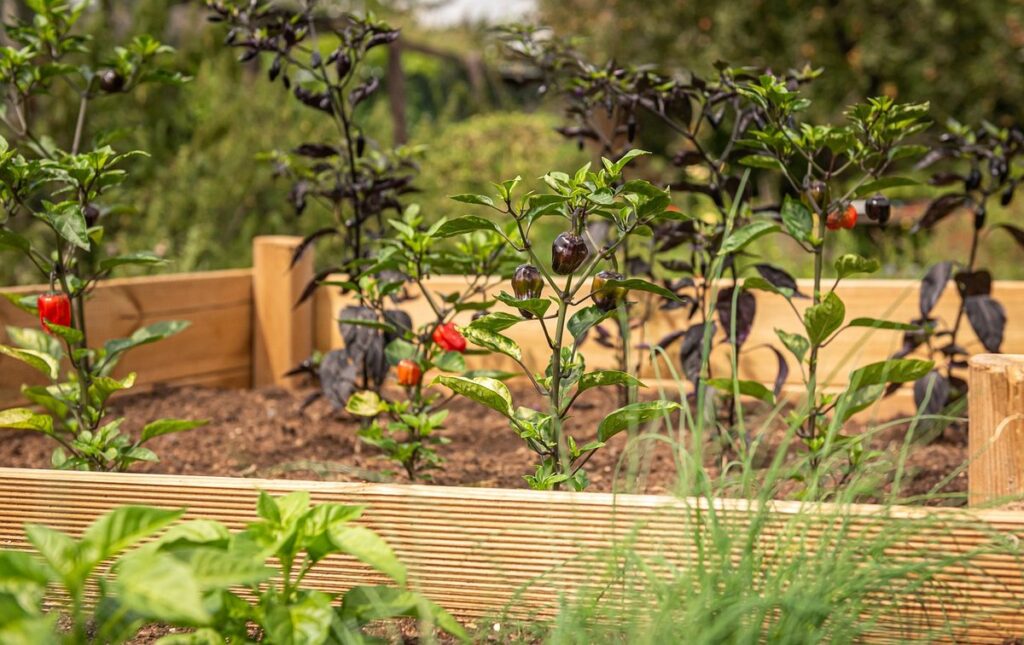
Raised beds are elevated planters made of various materials such as wood, composite, or metal. They consist of a rectangular frame with a bottom and sides, typically 6-12 inches deep, which allows for good root growth while keeping the soil level accessible. The primary purpose of raised beds is to improve soil quality, drainage, and air circulation.
Raised beds are particularly beneficial for gardening in areas with poor soil conditions or compacted lawns. By raising the growing area, you can create a more manageable space that’s easier to maintain and less prone to erosion. Additionally, raised beds allow for better accessibility, as they’re often waist-high, making it simpler to plant, weed, and harvest without straining your back.
You can build raised beds using reclaimed wood, composite materials, or even repurposed containers like old bathtubs or shipping pallets. When selecting a material, consider durability, maintenance needs, and the overall aesthetic you want to achieve in your garden.
Space-Saving and Accessibility
Raised beds can be a game-changer for gardeners with mobility issues or those looking to maximize their garden space. One of the most significant benefits of raised beds is that they allow you to garden without having to bend, stoop, or strain, making it easier to plant, maintain, and harvest your crops.
When designing a raised bed, consider the following accessibility features: installing a ramp or steps for easy access, using wide, sturdy boards for comfortable walking paths, and incorporating grab bars or handles for added support. You can also use adjustable legs or pedestals to ensure the bed is at a comfortable height for you.
To maximize your garden space, build raised beds in narrow, long sections rather than large, square ones. This will allow you to plant more densely without sacrificing accessibility. Additionally, consider using vertical gardening techniques like trellises or arbors to make the most of your available space. By incorporating these features, you can enjoy a lush and productive garden while minimizing physical strain and effort.
Designing Your Raised Bed
When designing your raised bed, start by considering its size and shape, thinking about how it will fit into your garden space and what layout will work best for you. You’ll also want to decide on a style that suits your needs.
Choosing the Right Location
When it comes to designing your raised bed, choosing the right location is crucial for its success. As you consider where to place your raised bed, keep in mind three key factors: sunlight, drainage, and proximity to water sources.
Sunlight is essential for plant growth, so ensure that your raised bed receives at least six hours of direct sunlight per day. If your yard has a shaded area, it’s not necessarily a deal-breaker – some plants thrive in partial shade. For instance, lettuce, kale, and herbs like mint and basil do well in shadier conditions.
Drainage is also vital to prevent waterlogged soil and root rot. Avoid placing your raised bed in low-lying areas where water tends to collect. Instead, opt for a spot with good air circulation to promote healthy drainage. Consider installing a French drain or a swale if you’re dealing with heavy rainfall or poor soil drainage.
In terms of proximity to water sources, position your raised bed near a hose or a watering can to make maintenance easier. However, be mindful of nearby sprinkler systems that could interfere with your plants’ growth. By carefully considering these factors, you’ll set your raised bed up for success and create an ideal environment for your garden to flourish.
Measuring and Planning
When designing your raised bed, it’s essential to get the measurements right. To ensure optimal growth conditions, you’ll want to consider the mature size of the plants you plan to grow and leave enough space for air circulation and access.
Start by measuring the area where you’ll be placing the raised bed. Consider the space available and how much room you need for pathways, as well as any other features you might like to include, such as a seating area or trellis. Make sure to take into account any obstacles, like nearby trees or power lines.
A general rule of thumb is to allocate about 2-3 square feet per plant. For example, if you’re growing a row of tomatoes, you’ll want to leave enough space between each plant for them to spread out as they mature. You can also plan for companion planting by grouping plants with similar needs together.
Consider the shape of your raised bed too – a long, narrow bed is perfect for vining plants like peas or beans, while a square or rectangular bed works well for a mix of vegetables and herbs.
Materials and Construction
To build a raised bed that will last for years to come, you’ll need to choose the right materials and understand their specific requirements. This includes selecting durable lumber, framing, and any additional features like bottom lining or supports.
Types of Wood and Other Materials
When it comes to building a raised bed, choosing the right materials is crucial for its longevity and performance. The most common types of wood used for raised beds are pressure-treated pine, cedar, and redwood. Pressure-treated pine is affordable and resistant to rot, but it may contain chemicals that can leach into the soil. Cedar, on the other hand, is naturally resistant to insects and decay, but it can be expensive.
Other options include reclaimed wood, bamboo, and composite materials like plastic or recycled plastic. Reclaimed wood adds a unique touch and reduces waste, while bamboo is lightweight and durable. Composite materials are low-maintenance and eco-friendly, but they may not be as visually appealing. Consider the climate and usage when selecting your material: if you live in an area with high humidity, cedar might be a better choice.
It’s also essential to consider the pros and cons of each option, including maintenance requirements, durability, and budget constraints. For example, redwood is resistant to rot but may require more frequent maintenance than other options. Ultimately, choose materials that suit your needs and preferences, ensuring a raised bed that will serve you well for years to come.
Building Techniques and Tips
When building a raised bed, the techniques you use can greatly impact its stability, durability, and overall performance. To assemble the frame, start by laying out all the materials and checking for any damage or defects. Next, attach the corners using screws or nails, making sure they’re secure and evenly spaced. Use a level to ensure the frame is perfectly horizontal and plumb.
For added stability, consider using corner brackets or brackets with built-in supports. When adding soil and compost, start by layering in some organic matter like leaves or straw to improve drainage and soil health. Add a 2-3 inch layer of compost, followed by a mix of topsoil and perlite for improved water retention and aeration.
To secure the structure, use wooden stakes or metal brackets to anchor it to the surrounding soil. Make sure to dig the stakes in at an angle to prevent the raised bed from shifting or toppling over.
Soil and Compost Preparation
Before filling your raised bed, you’ll want to prepare the soil by removing any debris, tilling the ground, and adding a nutrient-rich compost to create an ideal growing environment. This process is crucial for healthy plant growth.
Understanding Your Soil Type
Determining your soil type is an essential step in building a raised bed that thrives. Your soil’s pH level and composition will significantly impact plant growth, so it’s crucial to understand what you’re working with. To determine your soil type, start by digging a small test pit about 12 inches deep in your garden area. Fill the pit with water and observe how quickly it drains.
If the water drains rapidly (within an hour), your soil is likely sandy or well-draining. This means you’ll need to amend the soil with organic matter like compost or manure to retain moisture and nutrients. On the other hand, if the water takes several hours or even days to drain, your soil might be clay-heavy or poorly draining. In this case, add organic matter to improve aeration and drainage.
A neutral pH between 6.0 and 7.0 is ideal for most plants. If your test pit indicates acidic (pH below 6) or alkaline (pH above 8) conditions, you’ll need to adjust the pH accordingly. This might involve adding lime to raise the pH or elemental sulfur to lower it. Knowing your soil type will allow you to make informed decisions about amendments and ensure a healthy, productive raised bed.
Creating a Balanced Mix
When it comes to creating a balanced mix for your raised bed, you want to strike a harmonious blend of topsoil, compost, and other amendments. Think of it like baking a cake – too much sugar, not enough flour, and the whole thing falls apart.
Start by determining the proportions that work best for your specific needs and climate. A general rule of thumb is 40% topsoil, 20% compost, and 10% perlite or vermiculite to improve drainage. You can adjust these ratios as needed based on the type of plants you’re growing.
Add in other amendments like well-rotted manure or green sand for extra nutrients. Some gardeners swear by adding a handful of dolomitic limestone to counteract acidity, but be cautious not to overdo it – this can create an overly alkaline environment that’s hostile to certain plants.
When mixing your blend, aim for a uniform consistency that’s neither too dry nor too soggy. This will ensure optimal root growth and prevent waterlogging, which is a common pitfall with raised beds. Take the time to get this mix right, and you’ll be rewarded with healthier, more productive crops throughout the growing season.
Planting and Maintenance
Now that your raised bed is built, it’s time to think about planting and maintaining it for a bountiful harvest all season long. This section will cover essential tips for getting started.
Choosing the Right Plants
When selecting plants for your raised bed, it’s essential to consider the specific conditions your bed will provide. Climate is a crucial factor – if you live in an area with harsh winters, choose hardy perennials that can tolerate frost and cold temperatures. In warmer climates, focus on heat-tolerant annuals and perennials.
The soil type in your raised bed also plays a significant role in plant selection. If your bed has well-draining soil, opt for plants that prefer moist conditions, such as vegetables or flowering shrubs. For beds with dry soil, choose drought-resistant plants like succulents or cacti.
Consider the growth habits of your chosen plants, too. Tall plants should be placed towards the north to avoid shading smaller plants. Companion planting is also essential – pair plants that benefit from each other’s presence, such as basil and tomatoes.
Lastly, select a mix of bloom times to ensure year-round interest in your raised bed. This will not only add visual appeal but also provide a constant supply of fresh produce or flowers throughout the growing season.
Watering and Fertilization Tips
When it comes to watering and fertilizing your raised bed plants, there are some key things to keep in mind. First, water is essential for plant growth, but overwatering can be just as damaging as underwatering. To avoid this, check the soil moisture daily by inserting your finger into the soil up to the first knuckle. If the soil feels dry, it’s time to water.
Water your raised bed plants deeply but infrequently to encourage deep root growth and make them more drought-resistant. Aim to provide about 1-2 inches of water per week, either from rain or irrigation. You can also use a drip irrigation system to deliver water directly to the roots, reducing evaporation and runoff.
When it comes to fertilizing, choose a balanced fertilizer that’s high in nitrogen for leafy greens and low in nitrogen for root vegetables like carrots and beets. Follow the instructions on the label carefully, as overfertilization can damage your plants and pollute the soil. Consider using compost or well-rotted manure to provide nutrients to your raised bed plants naturally.
Troubleshooting Common Issues
We’ve covered the basics, but things don’t always go as planned when building a raised bed. This is where troubleshooting comes in – addressing common issues to get your project back on track.
Pests and Diseases
Pests and diseases can be a major issue for raised beds, especially if you’re using organic gardening methods. Some common pests that target vegetables and fruits include aphids, whiteflies, slugs, and snails. These tiny creatures feed on plant sap, leaves, or stems, causing damage and reducing yields.
To prevent pest infestations, maintain good hygiene in your raised bed by removing weeds, debris, and decaying matter, which can attract pests. Keep the soil consistently moist but not waterlogged, as this can encourage fungal diseases like powdery mildew and root rot. Rotate your crops seasonally to break disease cycles and reduce pest populations.
If you do encounter a problem, act quickly with integrated pest management (IPM) strategies. For example, introduce beneficial insects like ladybugs or lacewings that prey on pests, or use neem oil as an organic pesticide. Monitor your plants regularly for signs of stress, such as yellowing leaves or droopy stems, and take corrective action promptly to prevent the spread of disease.
Structural Integrity and Maintenance
Maintaining the structural integrity of your raised bed is crucial to ensure it remains stable and safe for years to come. Regular inspections will help you identify potential issues before they become major problems. Look out for signs of wear and tear such as cracked wood, loose joints, or uneven surfaces.
To prevent damage, make sure to construct your raised bed using high-quality materials that can withstand various weather conditions. Use durable wood or composite materials, and ensure the frame is securely fastened together. Regularly check the soil depth and adjust it if necessary to maintain even drainage.
When addressing issues that arise over time, consider these general guidelines: for minor problems such as loose screws or nails, tighten them immediately; for more significant damage like broken boards, replace them with new ones. Be sure to use weather-resistant materials and seal any gaps to prevent water from seeping in and causing further deterioration. With proper maintenance, your raised bed will remain a stable and productive growing space for years to come.
Frequently Asked Questions
Can I use recycled materials to build a raised bed?
You can repurpose old wood, plastic containers, or other materials to create a unique and eco-friendly raised bed. However, ensure the material is durable and suitable for outdoor gardening conditions. Also, consider cleaning and treating the materials before using them in your garden.
How do I maintain structural integrity when building with different types of wood?
It’s essential to choose woods that are naturally resistant to rot and insects, such as cedar or cypress. You should also follow proper construction techniques and use a durable finish to protect the wood from weathering. Additionally, consider using composite materials for added strength and durability.
What if I have limited space in my backyard – can I still build a raised bed?
Yes, you can build a raised bed even with limited space. Consider vertical gardening or tiered beds to maximize your area. Choose compact or dwarf plant varieties that require less space. Also, be mindful of sunlight requirements and ensure your plants receive the necessary light.
Can I grow sensitive plants like tomatoes and herbs in a raised bed?
Yes, these plants can thrive in raised beds if you provide them with optimal growing conditions. Ensure good drainage, adequate sunlight (at least 6 hours), and a balanced soil mix rich in nutrients. Also, consider using row covers or other protection methods to prevent pests from damaging your crops.
How do I handle common pests like slugs and snails in my raised bed?
To manage these pests, use physical barriers like copper tape or crushed eggshells around plant stems. You can also introduce beneficial nematodes or natural predators like ground beetles to control the population. Additionally, maintain a clean garden by removing weeds and debris that might attract pests.