
Are you tired of throwing away food scraps and yard waste, only to watch them end up in landfills? You’re not alone. But there’s good news: by turning pallets into a compost bin for your garden, you can create a sustainable solution that turns waste into nutrient-rich soil for your plants.
Upcycling pallet wood is a great way to get creative and reduce waste at the same time. And building a compost bin from scratch is easier than you think. In this article, we’ll walk you through every step of the process, from design and construction to maintenance tips that will keep your compost bin running smoothly. We’ll show you how to turn pallet wood into a functional composting system that will help reduce waste and improve soil health in your garden.
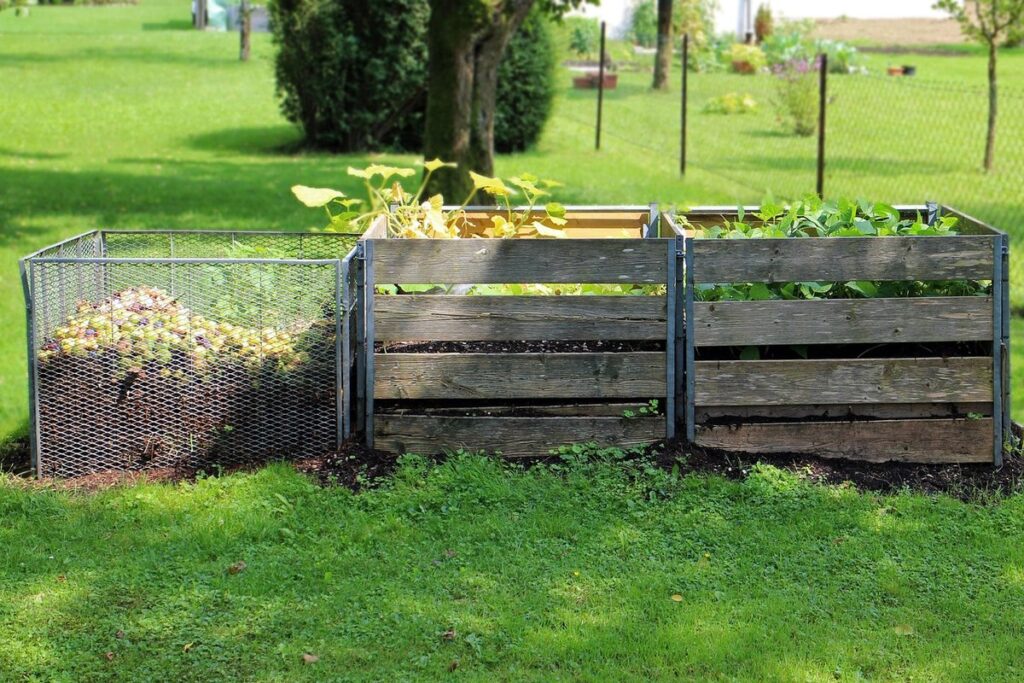
Gathering Materials and Planning Your Project
Before you start hammering away, let’s talk about gathering all the materials and planning out your compost bin project to ensure a smooth build process.
Choosing the Right Pallets
When it comes to building a compost bin from pallet wood, choosing the right pallets is crucial for creating a sturdy and durable structure. Look for pallets made from untreated hardwoods like oak, maple, or beech. These types of wood are less likely to harbor pests and diseases that can harm your compost.
Softwoods like pine or spruce, on the other hand, may not be suitable due to their higher resin content, which can leach chemicals into your compost. You can find free pallets by visiting local businesses like grocery stores, restaurants, or construction sites. Many companies are happy to give away old pallets that would otherwise end up in a landfill.
When selecting pallets, also consider their condition and durability. Opt for pallets with sturdy frames and minimal damage to ensure your compost bin can withstand outdoor weather conditions. You can also disassemble pallets to use individual planks for added stability and aesthetics. Keep an eye out for pallets made from reclaimed or sustainably sourced materials – they’ll not only save you money but also contribute to a more eco-friendly project.
Measuring and Designing Your Bin
Before you start collecting pallet wood, it’s essential to measure and design your compost bin to ensure it fits your needs. Take a moment to walk around the area where you plan to locate your bin, considering factors like size, shape, and accessibility.
Measure the space where your bin will sit, taking note of any obstructions or obstacles that may affect its placement. Think about how you’ll access the bin for regular maintenance, such as turning the compost pile. You want the bin to be large enough to hold a substantial amount of material but not so large that it overwhelms the space.
A general rule of thumb is to aim for a bin with internal dimensions of at least 3 x 3 feet (90 x 90 cm). However, if you’re working with limited space, consider building a smaller bin or even a vertical composting system. Keep in mind that easy accessibility will make maintenance tasks like turning and adding new materials much more manageable.
Consider your specific needs: do you have small animals that might try to access the bin? Do you live in an area prone to extreme weather conditions? Your design should accommodate these factors while ensuring the bin’s functionality is not compromised.
Preparing the Pallets for Construction
Before we start building, let’s make sure our pallets are prepped and ready to go. This step involves cleaning and disassembling your pallets into usable components.
Disassembling and Cleaning the Pallets
Disassembling and cleaning pallets is an essential step before using them for building a compost bin. Start by removing any large debris, such as wood shavings or packaging materials. Use a pry bar to carefully disassemble the pallet into individual planks. Be gentle to avoid damaging the wood.
Once you have all the planks loose, begin removing nails and screws from each one. You can use a hammer to tap them out or a nail puller for more stubborn ones. Remove any rusty or damaged nails as they can harbor pests or contaminants.
Next, inspect each plank for signs of rot, mold, or insect damage. Discard any planks that are severely damaged. Use a wire brush to scrub off any dirt, grime, or old nails from the planks. Finally, give the planks a good rinse with water and let them dry completely before using them for your compost bin.
Cutting and Shaping the Wood
Cutting and shaping the pallet wood into the required pieces for your compost bin is an essential step that requires some skill and patience. To get started, gather a variety of tools such as a circular saw, hand saw, drill, and sandpaper. Begin by disassembling the pallets into individual planks, removing any nails or screws that may be in the way.
Next, measure and mark the wood according to your compost bin design specifications. Use a pencil to indicate the cut lines and a ruler to ensure accuracy. For straight cuts, use a circular saw or a hand saw; for curved cuts, opt for a jigsaw. To achieve smooth edges, sand the wood thoroughly after cutting.
When shaping the wood, consider using a miter saw or a coping saw for intricate cuts. Apply a coat of wood glue to the joints and clamp them together for added stability. Remember to work safely and wear protective gear while handling power tools. With these basic techniques and some elbow grease, you’ll be well on your way to crafting sturdy pieces for your pallet compost bin.
Assembling the Compost Bin Frame
Now that you’ve cut and prepared your pallet wood, it’s time to assemble the frame of your compost bin. This is a crucial step in building your container, so let’s get started!
Building the Base and Sides
Now it’s time to build the base and sides of our compost bin. These are the foundation pieces that will provide support for the rest of the structure. Begin by taking four pallets and laying them out flat on a work surface. Two of these will form the bottom of the base, while the other two will be used as the sides.
To assemble the base, use your nails or screws to secure the pallets together in a rectangular shape. Make sure they are flush with each other and evenly spaced. For added stability, consider adding a layer of plywood between the pallets before attaching them together.
Next, take four more pallets and attach two of these to either side of the base using your chosen fastening method. These will be the sides of our compost bin. Ensure they are level and secure by checking that all corners are flush and tightly attached. As you build, keep in mind the interior dimensions of your compost bin – 3 feet wide by 4 feet long is a good starting point.
Once complete, inspect your base and sides for any gaps or weaknesses. Fill these with additional pallet material or screws to prevent any structural issues down the line.
Adding the Roof and Doors
Now that you’ve built the frame of your compost bin, it’s time to add the finishing touches. This includes installing a roof and doors, which will not only keep pests out but also help maintain optimal moisture levels within the bin.
When designing the roof, consider the amount of rain and sunlight your area receives. A simple overhang made from pallet wood or metal flashing can provide adequate protection. Alternatively, you could opt for a more complex design featuring multiple layers of wooden slats or corrugated metal to create a waterproof barrier.
For doors, use sturdy hinges attached to the frame and a latch system to secure them in place. You can choose between hinged doors that swing open or sliding doors that minimize space usage. Remember to keep the door opening size manageable to facilitate easy loading of compost materials while preventing pests from entering.
Incorporating a roof overhang will also provide an ideal spot for placing any additional features, such as a lid opener or thermometer, making your composting process more efficient and convenient.
Finishing Touches and Maintenance
Now that your pallet wood compost bin is complete, let’s focus on adding a lid and any finishing touches to keep it looking great for years to come.
Adding a Lid or Access Hatch
When designing your pallet wood compost bin, consider adding a lid or access hatch to make maintenance and monitoring easier. This feature will allow you to add materials, turn the compost, and inspect its progress without having to lift heavy components.
A well-designed lid can also help prevent pests like rodents, raccoons, and flies from contaminating your compost pile. By incorporating a secure-fitting lid or access hatch, you can ensure that these unwanted visitors are kept out while maintaining airflow and moisture levels within the bin.
For example, you can create a simple latch system using metal rods or wooden dowels to secure the lid in place. This will not only keep pests out but also make it easier for you to lift the lid and inspect the compost pile regularly.
When choosing between a fixed or removable lid, consider your personal preference and needs. A fixed lid may provide better pest control, while a removable lid offers easier access for maintenance and monitoring.
Final Assembly and Testing
Now that you’ve built the frame and added the lid, it’s time to complete the assembly process. Start by attaching the wire mesh or hardware cloth to the sides and bottom of the bin using a staple gun or screws. This will help keep pests out while allowing for airflow and drainage. Make sure to secure the mesh tightly to prevent any gaps.
Next, attach the hinges to the lid and add any additional features you like, such as a small door or a handle made from an old pallet part. Once your bin is assembled, fill it with a mix of “green” materials (food scraps and grass clippings) and “brown” materials (dried leaves and twigs). Monitor the temperature inside the bin to ensure it’s not too hot – ideally between 130°F and 140°F.
Before using your new compost bin, test its integrity by adding some water and checking for leaks. If everything is working as planned, you’re ready to start composting! Remember to maintain a consistent moisture level and turn the pile regularly to speed up decomposition. With proper care, your pallet wood compost bin will serve you well for years to come.
Tips for Using Your Compost Bin Effectively
Now that you’ve built your pallet wood compost bin, let’s talk about how to use it effectively and get the most out of your new recycling tool. Here are some essential tips to keep in mind.
Managing Moisture and Temperature
When maintaining a compost bin made from pallet wood, it’s essential to balance moisture and temperature levels for efficient decomposition. Aim for a moist environment by sprinkling 2-3 inches of water over the pile when you first start adding materials. As decomposition occurs, you’ll notice the pile will shrink and release heat – this is normal.
To keep your compost bin at optimal temperatures (ranging from 130°F to 140°F), avoid piling too high or compacting the materials excessively, which can create anaerobic conditions that promote pests and odors. Instead, maintain a height of about 3-4 feet and mix in new materials regularly.
Monitor moisture levels by sticking your hand into the pile – if it feels dry, add more water; if it’s too soggy, allow it to sit for a day or two. Check temperature using an infrared thermometer or by feeling the heat emanating from the pile. Balance is key: too little moisture and it won’t break down properly, while excessive moisture can attract pests and create unpleasant odors.
Monitoring pH Levels and Adding Amendments
Monitoring pH Levels and Adding Amendments to Your Compost
As you add materials to your compost bin, it’s essential to maintain a balanced pH level. The ideal pH range for composting is between 6.0 and 7.5. To monitor the pH levels, you can use a pH testing kit available at most gardening stores. If the reading indicates an acidic or alkaline condition, take corrective action by adding amendments.
To lower pH levels, add materials rich in sulfur, such as peat moss or pine needles. For higher pH levels, incorporate lime or dolomitic limestone into your compost pile. It’s also crucial to balance carbon-rich materials with nitrogen-rich ones, like bulking agents (straw or shredded newspaper) and green materials (food scraps or grass clippings). Regularly inspect your compost pile for adequate moisture, aeration, and carbon-to-nitrogen ratio. Aim for 2/3 “brown” materials and 1/3 “green” materials to achieve optimal decomposition.
By monitoring pH levels and making adjustments as needed, you’ll create a thriving compost ecosystem that breaks down materials efficiently.
Conclusion: Enjoying Your DIY Compost Bin
Now that you’ve built your pallet wood compost bin, let’s talk about how to make the most of it and enjoy the fruits of your labor.
Reflecting on Your Project’s Success
As you’ve completed building your DIY compost bin from pallet wood, take a moment to reflect on the success of your project. Not only have you created a functional and eco-friendly solution for your gardening needs, but you’ve also contributed to reducing waste by repurposing discarded pallets.
Repurposing pallets is not only beneficial for the environment but also for your wallet. By using materials that would otherwise end up in landfills, you’ve saved money on purchasing new materials. Moreover, the reduced carbon footprint from avoiding new production processes contributes to a more sustainable lifestyle.
In addition to the environmental benefits, your DIY compost bin has likely become a conversation starter among family and friends. The unique design and functionality of your pallet wood creation can be a source of pride, encouraging others to explore creative reuse projects for their own homes.
Now that you’ve successfully completed your project, consider how you can continue to improve and optimize your composting process. Start by monitoring the temperature and moisture levels within your bin to ensure optimal conditions for decomposition. You may also want to experiment with different types of “green” materials, such as food waste or grass clippings, to create a nutrient-rich soil amendment.
As you look back on your project’s success, remember that repurposing pallets is just the beginning. Your DIY compost bin has opened doors to further creative endeavors and sustainable practices in your gardening routine. By embracing this mindset, you’ll be well on your way to creating a thriving and eco-friendly garden oasis.
Frequently Asked Questions
What if I don’t have the space for a large compost bin?
You can build a smaller compost bin or even use a vertical pallet composting system to save space while still benefiting from turning your waste into nutrient-rich soil. Consider using a compact design and choosing a location that receives partial shade to help regulate temperature.
How do I keep pests out of my compost bin?
To minimize pest issues, make sure to choose pallets made from untreated hardwoods as mentioned earlier. Also, use wire mesh or hardware cloth to cover the bottom and sides of your bin for added protection. Regularly turn and aerate your compost will also help prevent pest infestations.
What can I add to my compost if it’s not breaking down quickly?
If you notice that your compost is taking longer than expected to break down, consider adding more “green” materials like fresh grass clippings or food scraps rich in nitrogen. You can also try mixing in some finished compost or worm castings to boost microbial activity and speed up the decomposition process.
Can I use pallets with nails for my compost bin?
While it’s technically possible to reuse pallets with nails, they might not be ideal for a compost bin due to potential rust issues. Opt for pallets made from solid wood planks or those that have been properly disassembled and cleaned. This will ensure a durable and long-lasting structure for your composting system.
How do I maintain my compost bin during winter months?
During the cold winter months, you can slow down the composting process by adding more carbon-rich materials like dried leaves or straw to help keep the pile insulated. You can also cover your bin with a tarp or sheet of plastic to protect it from excessive rain and snow. Just be sure to aerate your compost periodically to prevent anaerobic conditions.