
Are you thinking of building or upgrading your greenhouse to maximize natural light, energy efficiency, and plant growth? Look no further than a gabled roof greenhouse. This type of design has been gaining popularity among gardeners and DIY enthusiasts alike, offering numerous benefits that can take your gardening game to the next level.
In this article, we’ll dive into the world of gabled roof greenhouses, exploring their benefits, design considerations, and maintenance tips. You’ll learn how to make the most of natural light, reduce energy consumption, and create an ideal environment for plant growth. From choosing the right materials to troubleshooting common issues, we’ll cover everything you need to know to build or maintain a thriving gabled roof greenhouse. Whether you’re a seasoned gardener or just starting out, this guide is designed to provide expert advice and inspiration for your next project.
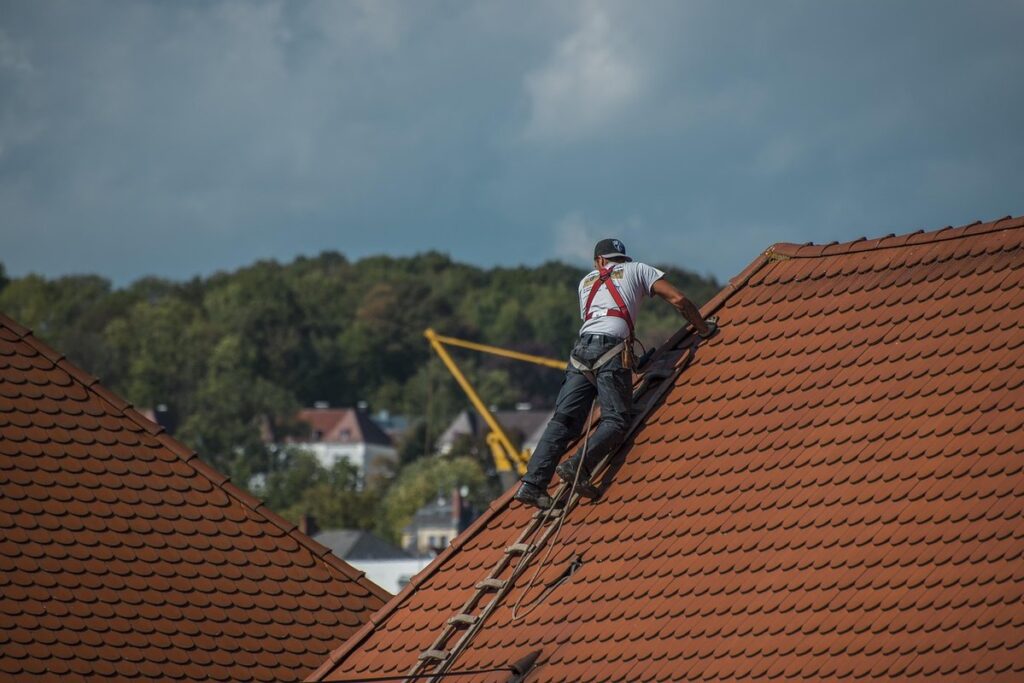
What is a Gabled Roof Greenhouse?
If you’re considering building a greenhouse, understanding what a gabled roof design offers is essential to making an informed decision. Let’s explore the key features and benefits of this classic roofing style.
Definition and Overview
A gabled roof greenhouse is a type of greenhouse that features a traditional gable-style roof with two sloping sides that meet at a ridge. This design has been around for centuries and can be seen in many historic greenhouses, particularly those built during the Victorian era.
The popularity of gabled roof greenhouses stems from their classic appearance, durability, and ability to accommodate a variety of growing conditions. They are often associated with traditional or country-style homes and gardens, adding a touch of charm and character to any landscape. The gabled design also allows for excellent ventilation and natural light entry, making it an ideal choice for growers who want to create a warm and sunny environment for their plants.
Many gardeners appreciate the classic look and functionality of gabled roof greenhouses, which can be customized to suit various architectural styles and space constraints. With proper maintenance and upkeep, these structures can provide years of reliable service, allowing growers to enjoy the satisfaction of harvesting fresh produce from their own backyard greenhouse.
Key Features of Gabled Roofs
A gabled roof is an ideal choice for greenhouses due to its ability to provide ample natural light and ventilation. This design allows for a spacious interior with high ceilings, making it easy to install shelving and support systems for plants. The gable end also creates a vertical surface that can be used for additional growing space or for installing features like clerestory windows.
One of the key benefits of a gabled roof is its ability to allow natural light to penetrate deep into the greenhouse. This is especially important for plants that require full sun, as it allows them to receive the necessary light for photosynthesis. The wide, sloping design also creates opportunities for installing skylights or vents to increase ventilation and reduce heat buildup.
When designing a gabled roof greenhouse, consider incorporating features like overhangs and eaves to protect the structure from harsh weather conditions. This can help extend the lifespan of the greenhouse and ensure that it remains a functional growing space year-round. By choosing a gabled roof design, you’ll be able to create a well-lit and well-ventilated environment perfect for your plants.
Design Considerations for Gabled Roof Greenhouses
When designing a gabled roof greenhouse, there are several key considerations to keep in mind to ensure your structure is both functional and visually appealing. Let’s explore some of these important design factors.
Choosing the Right Frame Material
When it comes to designing a gabled roof greenhouse, choosing the right frame material is crucial for its longevity and overall performance. There are several options available, each with its own set of benefits and drawbacks.
Wood is a popular choice for greenhouse frames due to its natural appearance and durability. However, it requires regular maintenance to prevent rot and insect damage. Pressure-treated wood can help extend its lifespan but may contain chemicals that could leach into the soil or plants. Cedar wood, on the other hand, is naturally resistant to insects and decay.
Aluminum frames are another option, offering excellent strength-to-weight ratio and resistance to corrosion. They are also lightweight, making them easy to assemble and transport. However, they can conduct heat, which may require additional insulation measures.
PVC (polyvinyl chloride) frames are a low-maintenance alternative, resistant to rot, insects, and weather conditions. They come in various colors and are often used for modern greenhouse designs. Consider your climate, budget, and personal preferences when selecting the right frame material for your gabled roof greenhouse.
Planning for Slope and Pitch
When designing a gabled roof greenhouse, selecting the optimal slope and pitch is crucial for ensuring proper drainage and managing snow loads. A gentle slope of 10 to 20 degrees is often recommended, as it provides an ideal balance between water runoff and energy efficiency.
However, the ideal slope will vary depending on your location’s climate and geographical features. For example, areas with high rainfall or heavy snowfall may require a steeper pitch to ensure proper drainage. On the other hand, regions with low precipitation levels can opt for a more shallow slope to conserve energy.
To determine the best slope and pitch for your gabled roof greenhouse, consider factors such as:
* Climate zone: Areas with high winds or heavy snowfall may require a stronger structure and steeper pitch.
* Site topography: A gentle slope may be more suitable for flat sites, while steeper slopes are better suited for hilly areas.
* Local building codes: Be sure to check local regulations regarding minimum slope requirements.
A good rule of thumb is to aim for a 1:12 to 1:15 ratio between the roof’s horizontal run and its vertical rise. This will provide adequate drainage while minimizing energy losses due to heat transfer. By carefully considering these factors, you can create a gabled roof greenhouse that meets your specific needs and withstands the local climate conditions.
Benefits of Gabled Roof Greenhouses
Now that we’ve explored how gabled roof greenhouses are designed, let’s dive into the advantages they offer for your gardening needs. A gabled roof greenhouse provides numerous benefits that make it a popular choice among gardeners.
Increased Natural Light and Ventilation
A gabled roof greenhouse offers unparalleled benefits when it comes to natural light and ventilation. This design feature is particularly beneficial for plant growth as it allows for an abundance of sunlight to pour in, promoting healthy photosynthesis and robust foliage development.
The sloping design of the gabled roof provides an ideal solution for ensuring ample natural light reaches your plants. Unlike flat roofs that can lead to reduced light penetration due to shading from adjacent structures or surrounding terrain, a gabled roof minimizes shadows and enables plants to receive the sunlight they need to thrive.
Moreover, the roof’s slope creates a self-cleaning effect by allowing rainwater and debris to easily slide off, reducing maintenance needs. This means you can focus on nurturing your plants rather than constantly cleaning the greenhouse. In addition, the increased ventilation provided by a gabled roof helps regulate temperature, ensuring optimal growing conditions for your plants.
To maximize these benefits, consider incorporating features such as clerestory windows or skylights to enhance natural light penetration and promote air circulation throughout the greenhouse. This will create an ideal environment for plant growth, fostering healthier crops and higher yields.
Energy Efficiency and Insulation
One of the most significant advantages of gabled roof greenhouses is their exceptional energy efficiency. The design allows for optimal ventilation and insulation, reducing the need for heating and cooling systems. The gabled shape creates a large surface area on the north and south sides, providing natural shade during peak summer hours while still allowing sufficient light penetration during winter months.
This thoughtful design element not only reduces the load on your HVAC system but also minimizes energy consumption overall. According to the U.S. Department of Energy, greenhouses with well-designed insulation can reduce heating costs by up to 70% and cooling costs by up to 30%. To maximize these benefits in your gabled roof greenhouse, consider investing in high-quality, double- or triple-glazed glass panels for optimal thermal performance.
In addition to the design itself, proper maintenance is key to maintaining energy efficiency. Regularly inspect your greenhouse’s insulation, looking for any gaps or damage that may compromise its effectiveness.
Maintenance and Upkeep of Gabled Roof Greenhouses
To keep your gabled roof greenhouse in top condition, it’s essential to establish a regular maintenance routine that addresses common issues like condensation and ventilation. This section will walk you through those crucial tasks.
Regular Cleaning and Inspection
Regular cleaning and inspection are crucial for maintaining the integrity of your gabled roof greenhouse. Dirt, grime, and debris can compromise the structural integrity and affect the overall performance of the greenhouse. Set aside time each week to walk around the structure and inspect it from top to bottom.
Start by removing any loose debris or branches from the roof and walls. Use a soft-bristled brush or a broom to gently sweep away dirt and dust from the surfaces. Don’t forget to clean the gutters and downspouts, as clogged water flow can cause damage to the greenhouse.
Schedule a deeper cleaning every 2-3 months using a mixture of soap and water to remove stubborn stains and grime. Avoid using high-pressure washes or harsh chemicals that can damage the materials. For more complex tasks like checking roof membranes or inspecting structural components, consider hiring a professional to ensure your safety and the integrity of the greenhouse.
Remember, regular cleaning and inspection will help prevent costly repairs and maintain the optimal growing conditions inside your gabled roof greenhouse.
Common Issues and Solutions
Leaks are one of the most common issues faced by gabled roof greenhouse owners. These occur due to a variety of reasons such as poor flashing installation, damaged shingles, or inadequate sealing around vents and doors. To prevent leaks, make sure to inspect the flashing around chimneys, vents, and skylights regularly and replace them if necessary.
Pests can also cause significant damage to your gabled roof greenhouse. Rodents, birds, and insects can enter through small openings in the walls or roof and compromise the structural integrity of your greenhouse. To prevent this, seal all entry points with caulk or steel wool, and install hardware cloth around vents and doors.
Temperature fluctuations can also be a problem in gabled roof greenhouses, especially if they are not well-insulated. This can lead to reduced crop yields and increased energy costs. Regularly check the insulation of your greenhouse, ensure that all doors and vents are properly sealed, and consider installing thermal mass materials like concrete or brick to absorb excess heat.
By being proactive in addressing these issues, you can prevent costly repairs and ensure that your gabled roof greenhouse remains a thriving and productive space for years to come.
Tips for Building a Gabled Roof Greenhouse
Now that you’ve chosen a gabled roof design, let’s dive into some essential tips to help you successfully build and maintain your greenhouse. From planning to completion, we’ll cover the key considerations for a worry-free build.
Essential Tools and Equipment
When building a gabled roof greenhouse, it’s essential to have the right tools and equipment on hand to ensure a safe and successful construction process. Start by gathering ladders and scaffolding to provide a stable working platform at various heights.
Drills and power tools will be necessary for tasks like drilling holes for beams, driving screws, and mixing concrete. A good drill set should include a combination of cordless and corded drills, as well as bits and drivers suited for metal, wood, and masonry work.
Don’t forget to invest in safety gear, such as hard hats, safety glasses, gloves, and a first aid kit. A good quality ladder will also be required for accessing the roof space during construction and maintenance. Consider investing in a multi-purpose tool, like a cordless multitool or a pocket knife, which can prove handy for various tasks.
Additionally, having a set of basic hand tools, such as a tape measure, level, and hammer, will come in useful throughout the project. Remember to also consider the weight and durability of each tool when selecting them to ensure they meet your needs and last throughout the construction process.
Planning for Expansion and Adaptability
When designing a gabled roof greenhouse, it’s essential to plan for expansion and adaptability to ensure that your structure can evolve with your needs over time. This might mean building the foundation with future upgrades in mind, such as installing additional support columns or incorporating removable walls.
Consider using modular design elements, such as prefabricated panels or a steel framing system, which can be easily added or rearranged as needed. This not only makes expansion more feasible but also reduces construction costs and minimizes waste. Think about the placement of electrical outlets, plumbing, and other utility lines to make it easier to add new features without significant rework.
Another aspect to plan for is the roof’s design. A simple gabled roof can be easily modified with additional trusses or supports if you decide to expand upwards or outwards. Choose materials that are flexible and adaptable, such as polycarbonate glazing or corrugated metal roofing, which can withstand harsh weather conditions while being easy to repair or replace.
By incorporating these design elements into your initial build, you’ll be better equipped to make changes as needed without sacrificing structural integrity or compromising the overall aesthetic of your greenhouse.
Case Studies and Examples
Let’s dive into real-world examples of gabled roof greenhouses, where you’ll find inspiration from successful projects and learn from their unique challenges and solutions. These case studies offer valuable insights to inform your own greenhouse design.
Successful Gabled Roof Greenhouse Projects
Let’s take a look at some successful gabled roof greenhouse projects that showcase their unique features and benefits. The Sunny Side Up project in California is an excellent example of a well-designed gabled roof greenhouse. This project features a 12′ x 20′ greenhouse with a gabled roof, perfect for growing a wide variety of fruits and vegetables year-round.
One of the key benefits of this design is its ability to provide natural ventilation and lighting, reducing the need for artificial lighting and heating systems. The gabled roof also allows for easy installation of solar panels on top, providing an additional source of renewable energy.
Another project that stands out is the Greenhouse Haven in the UK, which features a large 20′ x 40′ greenhouse with a gabled roof and a rainwater harvesting system. This design not only provides ample space for growing a wide range of plants but also showcases a commitment to sustainability and water conservation.
In both projects, the gabled roof design plays a crucial role in providing optimal growing conditions, reducing energy consumption, and promoting sustainable practices. These examples demonstrate how well-designed gabled roof greenhouses can be functional, beautiful, and environmentally friendly additions to any property.
Lessons Learned from Failed Projects
When embarking on a project to build a gabled roof greenhouse, it’s essential to learn from others who have encountered setbacks. One notable example is the case of John, an experienced gardener who attempted to build a large-scale gabled roof greenhouse for his commercial nursery.
Unfortunately, John’s design didn’t account for the weight and structural integrity of the roof, which resulted in a collapse during a heavy snowfall. This costly mistake led to significant delays and financial losses.
To avoid similar pitfalls, consider the following key takeaways:
* Ensure that your gabled roof greenhouse design prioritizes structural integrity and can withstand extreme weather conditions.
* Conduct thorough site assessments to identify potential issues with drainage, soil composition, and other factors.
* Don’t underestimate the importance of proper ventilation and insulation in maintaining a stable internal environment.
* Consider consulting with professionals or experts who have experience designing and building gabled roof greenhouses.
By reflecting on these lessons learned from failed projects, you can build a more resilient and successful gabled roof greenhouse that will serve your needs for years to come.
Frequently Asked Questions
Can I use a gabled roof greenhouse design for a small or compact space?
Yes, you can adapt the gabled roof design to fit smaller spaces by adjusting the size of the frame material, slope, and pitch. Consider using narrower boards or more compact framing materials to create a smaller version of the traditional gabled roof. This will allow you to make the most of even the smallest areas while still benefiting from natural light and ventilation.
How do I ensure proper insulation for my gabled roof greenhouse during extreme weather conditions?
For optimal energy efficiency, it’s essential to choose a suitable frame material that provides adequate insulation. Consider using materials with high thermal mass, such as wood or metal, which can absorb and release heat slowly. Additionally, ensure the greenhouse is well-sealed around windows and doors to prevent air leaks.
Can I use a gabled roof design in areas with heavy snowfall or extreme weather conditions?
Yes, but you’ll need to take extra precautions to ensure the structure’s stability and durability. Consider using reinforced frame materials, such as steel or aluminum, which can withstand heavy loads. Additionally, ensure proper drainage around the greenhouse and consider installing a snow load calculator to determine the necessary roof slope.
How often should I inspect my gabled roof greenhouse for damage or wear?
Regular inspection is crucial for maintaining your greenhouse’s longevity. Schedule annual inspections during peak growing seasons to check for signs of wear, such as rust on metal frames, warped wood, or damaged glazing. Make any necessary repairs promptly to prevent further damage.
Can I modify an existing structure to convert it into a gabled roof greenhouse?
Yes, with careful planning and execution. Evaluate the existing structure’s stability and foundation before making modifications. Consider consulting a professional to ensure the conversion aligns with local building codes and regulations. Additionally, assess the space’s natural light conditions to determine if any adjustments are needed for optimal plant growth.