
If you’re looking for ways to boost your garden’s ecosystem, increase pollination rates, and support biodiversity, consider building a bee hotel. These simple structures provide a cozy home for solitary bees, allowing them to nest and lay their eggs safely. By inviting these beneficial insects into your garden, you’ll not only attract more pollinators but also create a haven for local wildlife.
In this article, we’ll guide you through the process of building a bee hotel, from selecting the right materials to designing a welcoming habitat for solitary bees. We’ll explore the benefits of building a bee hotel and provide tips on how to maintain these habitats to ensure they remain a thriving resource for years to come. Whether you’re a seasoned gardener or just starting out, this comprehensive guide will show you how to create a bee-friendly haven in your own backyard.
Why Build a Bee Hotel?
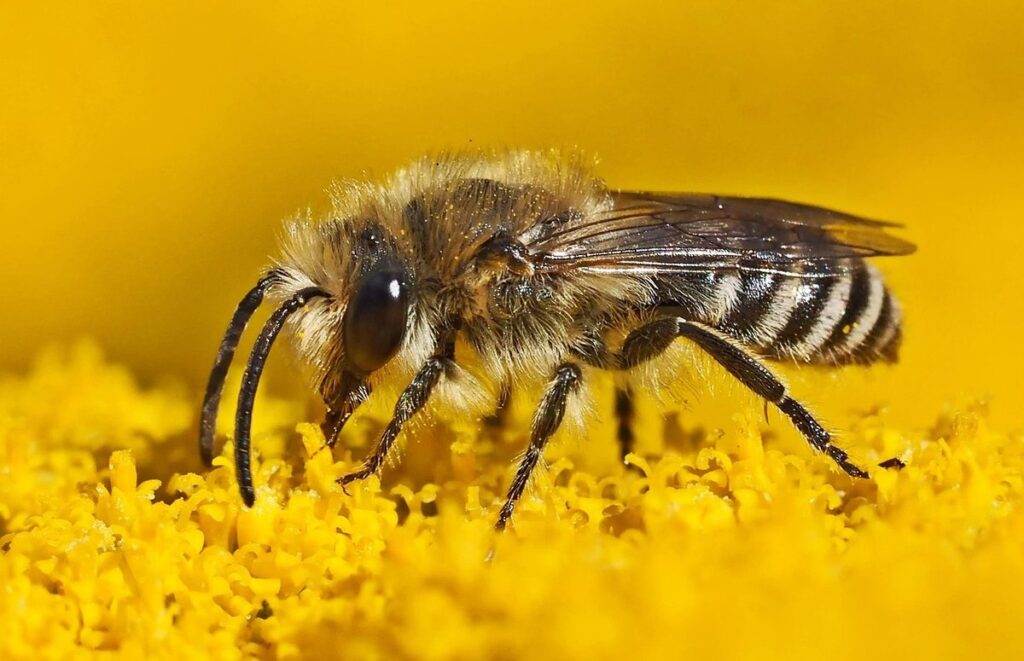
You may wonder why you need to build a bee hotel, but providing a safe haven for solitary bees is essential for their survival and your garden’s health. Let’s explore the importance of these tiny homes.
Importance of Bee Hotels in Conservation
Bee hotels are an essential tool in pollinator conservation and biodiversity efforts. By providing a habitat for solitary bees, bee hotels help support these vital pollinators that are facing numerous threats such as habitat loss, pesticide use, and climate change.
In many gardens and landscapes, natural nesting sites have been depleted due to intensive agriculture and urbanization, leaving solitary bees without suitable places to lay their eggs. Bee hotels offer a solution by providing a range of nesting tubes in various diameters and depths, accommodating different species’ preferences. By installing a bee hotel, you can attract a variety of solitary bees, including mason bees, leafcutter bees, and miner bees.
A single bee hotel can support multiple species, with some studies suggesting that they can host up to 20-30 species per unit. To maximize the effectiveness of your bee hotel, choose materials like bamboo or hollow reeds, which are preferred by many solitary bee species.
Benefits of Having a Bee Hotel in Your Garden
Having a bee hotel in your garden can bring numerous benefits to its ecosystem. One of the most significant advantages is increased pollination rates. Bees are crucial pollinators, and by providing them with a habitat, you’re essentially inviting them to stay and thrive in your garden. This leads to better fruit set and higher yields from plants that rely on bees for pollination.
Another benefit of having a bee hotel is reduced pesticide use. Many pesticides harm or kill beneficial insects like bees, which can disrupt the entire ecosystem. By providing a safe haven for these important pollinators, you’re reducing your reliance on chemicals and creating a more balanced environment. For instance, research has shown that gardens with bee hotels tend to have fewer pests and diseases due to the natural control exerted by the presence of beneficial insects.
To maximize the benefits of a bee hotel in your garden, consider placing it near a water source and in an area that receives partial shade. This will help attract a diverse range of bees and other pollinators.
Choosing the Right Location for Your Bee Hotel
When it comes to building a bee hotel, choosing the right location is crucial for attracting and supporting your local bee population effectively. Consider factors like sunlight, wind direction, and proximity to flowers when selecting a spot.
Factors to Consider When Selecting a Site
When selecting a location for your bee hotel, there are several factors to consider. Sunlight is crucial for the well-being of solitary bees, so choose a spot that receives direct sunlight for at least 6 hours a day. This will help them regulate their body temperature and metabolism.
Wind protection is also essential, as strong gusts can dislodge or even destroy your bee hotel. Look for a location that provides some shelter from the wind, such as near a wall, fence, or group of trees.
Another important consideration is proximity to water sources. Bees need water for drinking and cleaning their bodies, so ensure your bee hotel is within 10-20 meters of a reliable water source. Avoid areas with standing water or those prone to flooding.
Lastly, choose a location that’s easily accessible for maintenance and observation. This will make it easier to clean and inspect the bee hotel without disturbing the inhabitants. By considering these factors, you can create an ideal environment for solitary bees to thrive in their new home.
Avoiding Areas with Insecticides and Pesticides
When selecting a location for your bee hotel, it’s crucial to avoid areas where insecticides and pesticides are commonly used. These chemicals can be devastating to bees and other pollinators, disrupting their delicate ecosystem and posing significant threats to their populations.
Bees visit flowers to collect nectar and pollen, which means they’re more likely to come into contact with these toxic substances. Exposure to even small amounts of insecticides or pesticides can impair a bee’s ability to navigate, communicate, and reproduce. In severe cases, it can be fatal.
To minimize the risks, choose a location that is at least 100 feet away from any areas where pesticides are applied. Also, steer clear of gardens or lawns with heavy use of herbicides, fungicides, or insect growth regulators (IGRs). These chemicals can linger in soil and water for extended periods, affecting nearby bee populations.
When inspecting a potential site, take note of the surrounding environment. Look for signs like dead bees on plants, damaged flowers, or altered plant life. If you notice any of these warning signs, it’s best to explore alternative locations. By being mindful of your surroundings and taking steps to minimize exposure to pollutants, you can create a safe haven for your bee hotel inhabitants.
Designing Your Bee Hotel
When designing your bee hotel, it’s essential to consider the type of habitat you’re creating and the bees that will inhabit it, as well as its overall structure. This section guides you through key design decisions.
Types of Materials to Use
When it comes to building a bee hotel, the type of material you choose is crucial for attracting and supporting solitary bees. Some popular options include bamboo, wood, and recycled plastic, each with its own set of pros and cons.
Bamboo, for instance, is an eco-friendly choice that’s lightweight and inexpensive. It also provides a natural texture that many bee species find appealing. However, it may not be as durable as other materials and can become worn down quickly by the elements. Wood, on the other hand, offers excellent insulation and protection from pests. But it can be more expensive than bamboo and require more maintenance.
Recycled plastic, a popular choice among bee hotel builders, is low-maintenance and long-lasting. It also provides a smooth surface that prevents predators from nesting alongside bees. However, some critics argue that it may not provide the same natural texture that wood or bamboo offer. When selecting materials for your bee hotel, consider what’s available locally, the climate you’re in, and the types of bees you want to attract. Ultimately, choose a material that balances durability, maintenance requirements, and the needs of your local pollinator community.
Different Designs for Various Spaces
When it comes to designing your bee hotel, one of the most important considerations is ensuring that it fits seamlessly into your garden’s unique landscape. This is where different designs for various spaces come into play.
For smaller gardens, a compact and vertical design can be just as effective as a larger structure. Consider using a narrow, multi-tiered hotel with compartments that are stacked vertically, allowing you to make the most of limited space. You can also repurpose an old pallet or wooden planter box to create a bee hotel that fits snugly into a small corner.
For larger gardens, on the other hand, you may want to consider a more elaborate design that incorporates natural materials like bamboo, willow branches, or logs. This not only adds visual interest but also provides a more diverse range of habitats for your pollinators. Consider using a combination of different compartment sizes and shapes to cater to various bee species.
Ultimately, the key is to choose a design that complements your garden’s existing features while providing the necessary space and diversity for your pollinator friends. With a little creativity, you can create a beautiful and functional bee hotel that adds charm to your outdoor space.
Preparing Your Bee Hotel for Occupancy
Now that your bee hotel is built, it’s time to prepare it for its new residents by cleaning and adding a welcome mat of sorts – a layer of sawdust or sand. This step ensures a safe landing site for our busy friends.
Adding Compartments and Tube Sizes
When creating your bee hotel, it’s essential to consider the varying needs of different species of bees and other pollinators. By incorporating compartments with diverse tube diameters, you’ll be providing a welcoming habitat for a wide range of visitors.
Start by selecting tubes with diameters that cater to specific species. For example, red mason bees typically require 4-6mm tubes, while solitary leafcutter bees prefer larger diameters of around 10-15mm. You can arrange these tubes in separate compartments or combine them for a more varied habitat.
Consider adding a mix of tube sizes and shapes to accommodate different species. A combination of straight, curved, and tapered tubes will provide varying levels of accessibility and comfort. Don’t forget to leave some areas without tubes for the pollinators to nest freely.
When selecting materials, choose those that are durable and resistant to rot and insect damage. Cedar and bamboo are excellent options for bee hotels, as they are naturally resistant to pests and can withstand harsh weather conditions. By incorporating diverse tube sizes and shapes into your design, you’ll be creating a thriving habitat for the bees and other pollinators in your garden.
Filling with Natural Materials
When it comes to filling your bee hotel’s compartments, you’ll want to use materials that mimic the natural nesting sites found in nature. Wood shavings are a popular choice, as they’re readily available and provide a comfortable surface for solitary bees to lay their eggs. You can also consider using straws or coconut fibers to add some variety to your bee hotel.
When selecting wood shavings, look for untreated, sustainably sourced options like cedar or pine. Avoid using pressure-treated woods, as these can harm the bees. For straws, you can use bamboo or paper straws, which are biodegradable and gentle on the environment. Coconut fibers are another excellent option, providing a soft and absorbent surface for eggs to be laid.
Remember to leave some space between each material type to allow the bees to choose their preferred nesting site. Aim for a mix of around 20-30% wood shavings, 30-40% straws, and 10-20% coconut fibers to create a diverse environment that caters to different bee species.
Attracting a Diverse Range of Pollinators
To attract a diverse range of pollinators, you’ll want to think carefully about the design and placement of your bee hotel. This section will explore ways to create an inclusive habitat for multiple species.
Types of Bees That Will Use Your Hotel
When it comes to building a bee hotel, you might be wondering which types of bees will actually use it. The good news is that many species of bees are attracted to these structures, and with the right design, you can attract a diverse range of pollinators.
Solitary bees, such as mason bees and leafcutter bees, are some of the most common visitors to bee hotels. These bees don’t live in colonies like honeybees do, but instead nest individually in pre-existing holes or tubes. Bumblebees also use bee hotels, although they often require a bit more maintenance to keep them healthy.
Honeybees can occasionally be found using bee hotels, particularly if there’s an empty hive nearby and the bees are looking for alternative nesting sites. However, it’s worth noting that honeybees generally prefer to nest in areas with a lot of vegetation and access to water.
In terms of which types of bees will use your hotel, consider adding features like hollow reeds or bamboo tubes, as these are often preferred by solitary bees. Also, keep the hotel well-maintained by cleaning out debris and dead bees regularly to ensure it remains a safe and welcoming space for pollinators.
Other Beneficial Insects You’ll Attract
While bee hotels are designed with solitary bees in mind, they can also attract other beneficial insects that play important roles in pollination and ecosystem health. Wasps, for instance, are often misunderstood as pests, but many species of wasps are actually pollinators and can be beneficial to your garden.
Some species of flies, such as hoverflies and flower flies, are also attracted to bee hotels and can help control pest populations by preying on aphids and other small insects. These beneficial flies are a great example of the importance of creating a diverse and inclusive environment for pollinators.
Beetles, particularly solitary ground beetles and leafcutter bees, can also use bee hotels as a source of shelter and protection. By building a bee hotel that incorporates features like nesting tubes of varying diameters and depths, you can create a haven for these beneficial insects and support their populations in your garden. This diversity of pollinators will not only increase the overall health and biodiversity of your garden but also enhance its resilience to pests and diseases.
Maintenance and Upkeep
Now that you’ve built and installed your bee hotel, it’s essential to keep it well-maintained for a thriving bee population. Regular cleaning and inspections will help ensure its longevity and effectiveness.
Cleaning and Replenishing Materials
To ensure your bee hotel remains a welcoming habitat for its inhabitants, regular maintenance is crucial. Cleaning and replenishing materials as needed will not only extend the lifespan of your hotel but also guarantee the health and well-being of the bees that call it home.
Inspect your bee hotel every 2-3 weeks during peak season to remove any debris or dead insects. Use a soft-bristled brush or a small, dry paintbrush to gently sweep away dirt and leaves from the compartments and tubes. This will prevent moisture buildup and reduce the risk of fungal growth.
When replenishing materials, focus on replacing sections that show signs of wear or damage. Consider adding new bamboo or hollow reeds to provide additional nesting sites for the bees. Be sure to use fresh materials that are free of pesticides and other chemicals that might harm the bees.
Regular maintenance is key to maintaining a thriving bee hotel ecosystem. By cleaning and replenishing materials as needed, you’ll be contributing to the health and longevity of your local pollinator population.
Repairing and Replacing Damaged Sections
If you notice that some sections of your bee hotel have been damaged by weather conditions, pests, or other factors, it’s essential to repair or replace them as soon as possible. This ensures the habitat remains safe and functional for pollinators.
To identify damaged sections, inspect your bee hotel regularly, looking out for signs like cracks, holes, or rotting wood. If you spot any damage, clean the area thoroughly before making repairs. Use a waterproof sealant to fill in gaps and holes, and replace any rotten or weakened wood with new material.
When replacing damaged sections, consider using materials that are resistant to pests and weather conditions, such as cedar or recycled plastic. Ensure the replacement section is properly integrated into the existing structure, maintaining the hotel’s overall integrity. By regularly inspecting and repairing your bee hotel, you’ll help extend its lifespan and continue providing a valuable habitat for pollinators.
In severe cases where a significant portion of the hotel has been damaged, it might be more practical to rebuild the entire structure. This will give you the opportunity to reassess your design and materials, ensuring the new hotel is even more effective at attracting and supporting local bee populations.
Frequently Asked Questions
Can I use existing materials to build a bee hotel, or do I need to purchase new ones?
You can repurpose materials from your home, such as old wooden blocks or logs, to create a bee hotel. However, ensure the materials are free from chemicals and pests. If you’re using second-hand materials, clean them thoroughly before adding them to your bee hotel.
How often should I maintain my bee hotel, and what’s the best way to do it?
Regular maintenance is crucial for keeping your bee hotel healthy. Check on your hotel every 1-2 months during peak season, cleaning out debris and replenishing natural materials like sand or sawdust. You can also add new compartments or tubes to accommodate more bees.
What if I notice a large number of wasps or other pests in my bee hotel? Should I remove them?
If you encounter unwanted visitors like wasps or rodents, don’t panic! Remove any debris or nesting material that may be attracting these pests. Consider relocating your bee hotel to a new location with better natural pest control.
Can I build a bee hotel using materials that are not native to my region?
While it’s tempting to use locally sourced materials, ensure they’re suitable for the climate and ecosystem in your area. Some materials might attract invasive species or exacerbate local environmental issues. Research the best materials for your region before starting your project.
How can I encourage a variety of bee species to inhabit my hotel?
To attract different types of bees, consider incorporating various compartment sizes and tube lengths into your design. Also, position your hotel in an area with diverse plant species, as these will provide nectar and pollen sources for the bees.