
Are you ready to add a pop of vibrant colors to your garden or home? Look no further than the stunning Buckeye Susan flowers! These multicolored beauties are not only a delight to behold, but they also hold special meanings and uses that make them a valuable addition to any space. As we delve into the world of Buckeye Susan flowers, you’ll learn about their unique characteristics, how to care for them, and the symbolic significance behind these gorgeous blooms. We’ll also explore creative ways to incorporate them into your decor, from adding a splash of color to your garden beds to using them in DIY arrangements and bouquets. Whether you’re a seasoned gardener or just starting out, this article is perfect for anyone looking to bring a little joy and vibrancy into their life with the enchanting Buckeye Susan flowers!
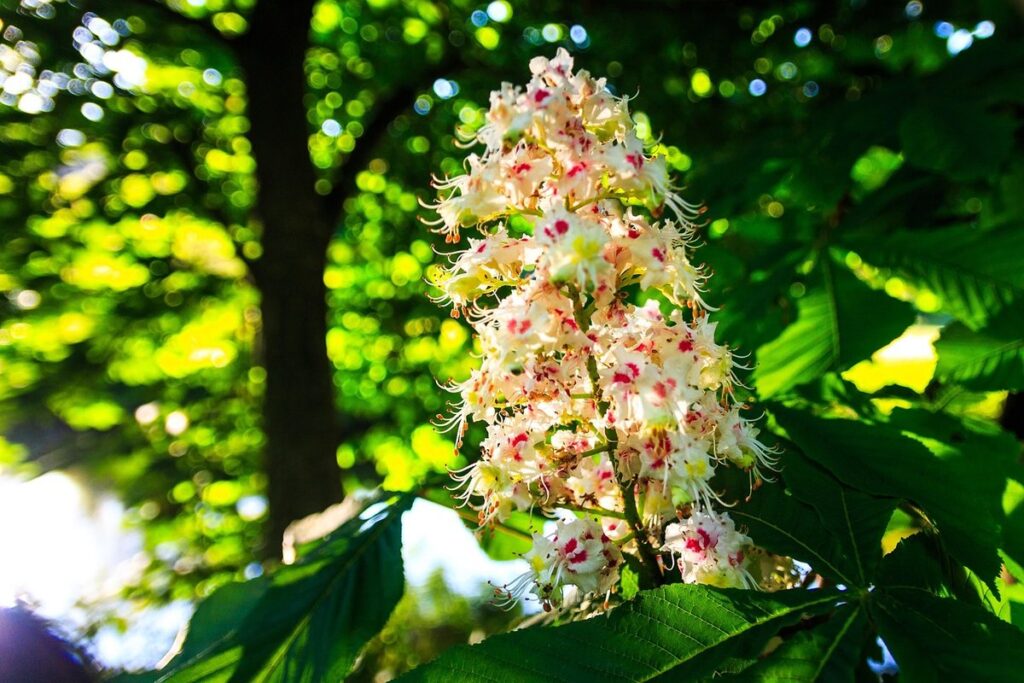
Understanding the Basics of Buckeye Susan Flowers
To grow and care for these beautiful flowers, let’s start by understanding their basic needs, such as soil type and sunlight requirements. Knowing these essentials will help you cultivate a thriving buckeye susan flower multicolor garden.
What Are Buckeye Susan Flowers?
Buckeye Susan flowers are a type of multicolored delight that has captured the hearts of many gardeners and flower enthusiasts. These beautiful blooms belong to the botanical name Nasturtium officinale ‘Buckeye Susan’. Native to South America, Buckeye Susan flowers have been naturalized in North America and Europe, where they thrive in temperate climates.
These delicate flowers grow as annuals or perennials, depending on the region and care. They tend to spread quickly, forming a dense mat of foliage that can be used as a groundcover. With proper care, Buckeye Susan flowers can reach up to 3 feet in diameter, making them an excellent choice for containers or hanging baskets.
There are several popular types of Buckeye Susan flowers, including ‘Buckeye Susan’, ‘Black Velvet’, and ‘Empress of India’. Each type offers a unique combination of colors and growth habits, allowing gardeners to choose the perfect variety to suit their needs. Whether you’re looking for vibrant blooms or delicate foliage, Buckeye Susan flowers are sure to add a touch of whimsy and charm to your garden.
Growing Conditions for Buckeye Susan Flowers
To grow Buckeye Susan flowers into their full, vibrant potential, it’s essential to provide them with optimal growing conditions. These multicolored beauties require at least six hours of direct sunlight per day, so choose a spot that receives plenty of sunlight. However, be mindful not to expose them to extreme temperatures, as they can tolerate only 32°F (0°C) and 70°F (21°C). When it comes to watering, make sure the soil is consistently moist but not waterlogged – a good rule of thumb is to check the soil every other day during hot weather. As for soil, Buckeye Susans prefer well-draining, slightly acidic mix with a pH between 6.0 and 7.0. To create an ideal environment, start by loosening the top 8-10 inches of soil in your garden bed and mixing in a few handfuls of compost. This will help maintain the right balance of nutrients and drainage for these lovely flowers to thrive. By following these simple tips, you’ll be well on your way to enjoying vibrant blooms all season long.
History and Symbolism of Buckeye Susan Flowers
The rich history and symbolism behind Buckeye Susan flowers are steeped in legend, drawing from Native American traditions that date back centuries. Let’s delve into their fascinating origins together.
Origins of Buckeye Susan Flowers
Buckeye Susan flowers have their roots in North America, where they are native to the eastern and central regions. These vibrant multicolored blooms have been a part of American folklore for centuries, with many cultures holding them in high esteem.
In Native American traditions, the buckeye itself – a type of tree nut – is considered a symbol of good luck and protection. It’s not uncommon to see buckeye charms or tokens carried by travelers as a means of warding off evil spirits. The association between the buckeye and its protective qualities may have influenced the naming of Buckeye Susan flowers.
Interestingly, buckeyes were also used in early American folk medicine to treat ailments such as fever and rheumatism. The flowers themselves were often used in decorative arrangements and bouquets due to their bright colors and delicate appearance. Today, Buckeye Susan flowers are prized for their unique multicolored blooms, which can add a touch of whimsy and charm to any garden or arrangement.
Cultural Significance of Multicolored Flowers
Multicolored flowers like the Buckeye Susan have long been imbued with symbolic meanings that transcend cultures and traditions. One of the most significant associations is with friendship, a bond that’s strengthened by the vibrant colors of these flowers. In many Eastern European countries, multicolored bouquets are exchanged between friends as a gesture of affection and appreciation.
In India, where the Buckeye Susan flower is considered sacred, it’s often used in weddings to symbolize the union of two souls. The multiple colors of the flower represent the diversity and richness that comes with love and marriage. Similarly, in Latin American cultures, multicolored flowers are a staple at festive celebrations, such as Quinceañeras and anniversaries.
What makes these flowers even more special is their versatility in conveying different emotions. For instance, if you give someone a Buckeye Susan bouquet with predominantly red or pink colors, it’s likely to be perceived as a romantic gesture. However, if the dominant color is yellow or orange, it may signal friendship and celebration.
Care and Maintenance for Buckeye Susan Flowers
To keep your multicolored blooms thriving, it’s essential to understand their specific care and maintenance needs. Proper care will ensure your Buckeye Susan flowers continue to delight all season long.
Propagation Methods for Buckeye Susan
Buckeye Susan flowers are a delight to propagate, and with the right methods, you can multiply these multicolored beauties easily. Division is one of the most straightforward ways to propagate Buckeye Susan. Dig up the entire plant in early spring or fall when the foliage is dormant, and gently separate the tubers from the mother plant. Make sure each section has at least one ‘eye’ or bud on it, as this will ensure it grows into a new plant. Replant the divisions about 6-8 inches apart, and water well.
Seed starting is another method to propagate Buckeye Susan flowers. Sow seeds indoors in late winter or early spring, about ¼ inch deep in a seed tray filled with a good quality potting mix. Keep the soil consistently moist but not waterlogged, and provide bright indirect light. Transplant the seedlings outdoors when they have 2-3 sets of leaves, spacing them about 12 inches apart.
Cuttings are not recommended for Buckeye Susan flowers as they don’t root easily. However, if you want to try, take a healthy stem section with at least two nodes, remove lower leaves, and dip the cut end in rooting hormone powder. Plant it in a pot filled with moistened propagation mix, and keep it in a bright location with high humidity.
Common Pests and Diseases Affecting Buckeye Susan
Buckeye Susan flowers are indeed a multicolored delight, but they can be susceptible to certain pests and diseases that may threaten their beauty. One of the most common issues you might encounter is powdery mildew, a fungal disease that causes a white, powdery coating to form on the leaves. To prevent this, make sure your Buckeye Susan flowers have good air circulation and keep them away from overhead watering. You can also treat mildew by spraying a solution of 1 tablespoon baking soda per gallon water on the affected areas.
Other pests like aphids, whiteflies, and spider mites can also cause problems for Buckeye Susan flowers. These tiny insects feed on the sap of the plant, causing curled or distorted leaves. To control infestations, use neem oil or insecticidal soap to kill the pests, and remove any infected areas to prevent the problem from spreading. Regularly inspect your plants for signs of these issues, and take action promptly if you notice any problems. By being proactive, you can enjoy your Buckeye Susan flowers’ vibrant colors all season long!
Creative Ways to Use Buckeye Susan Flowers
If you’re looking for inspiration on how to use these gorgeous multicolored flowers, we’ve got some creative and beautiful ideas to get you started.
In Garden Design: Incorporating Multicolored Flowers
When it comes to incorporating multicolored flowers like Buckeye Susan into garden designs, the possibilities are endless. One of the most effective ways to showcase their vibrant colors is by combining them with complementary plants that enhance their beauty. For instance, pairing Buckeye Susan’s bright yellow and orange hues with deep purple coneflowers creates a stunning contrast that will catch anyone’s attention.
To create a cohesive look, consider grouping Buckeye Susan flowers together in odd-numbered clusters to avoid symmetry. This not only adds visual interest but also allows each bloom to shine individually. You can also incorporate greenery like ferns or hostas to add depth and texture to the arrangement.
When selecting companion plants, remember that neutral tones like beige and gray provide a subtle backdrop for multicolored blooms. Avoid using too many bold colors, as this can overwhelm the space. Instead, choose a few statement pieces like Buckeye Susan and balance them with simpler foliage. This will create a harmonious display that celebrates the unique charm of these enchanting flowers.
Crafts and DIY Projects Using Buckeye Susan Petals
When it comes to crafting with Buckeye Susan petals, the possibilities are endless. You can create beautiful and unique decorations for your home using these gorgeous multicolored flowers. Let’s start with a simple yet lovely project: making potpourri.
To make Buckeye Susan petal potpourri, you’ll need:
* 1 cup of dried Buckeye Susan petals
* 2 cups of dried flowers (such as lavender or rose petals)
* 1 cup of decorative beads or small ornaments
* A few drops of your favorite essential oil
Mix all the ingredients together in a bowl and let them dry completely. Then, fill a decorative jar with the potpourri mixture and enjoy its sweet fragrance.
Another creative idea is to use Buckeye Susan petals to make wreaths. You can create a stunning multicolored wreath by attaching the petals to a wire or foam base using floral wire or hot glue. This makes for a beautiful and unique home decor piece that’s perfect for any season.
Conclusion: Appreciating the Beauty of Buckeye Susan Flowers
As we’ve explored the vibrant colors and unique charm of the buckeye susan flower, let’s take a moment to appreciate its undeniable beauty and significance in our lives.
Recap of Key Points
In summary, let’s revisit the captivating world of Buckeye Susan flowers. These multicolored blooms have been a topic of fascination throughout this article, and we’ve uncovered some truly unique aspects that make them stand out. We discussed how their striking appearance is not only visually appealing but also serves as an important symbol in many cultures.
Their intricate, layered petals come in a range of colors including pink, yellow, white, and bi-colored varieties, making each bloom truly one-of-a-kind. This diversity allows Buckeye Susan flowers to thrive in various settings and climates, adding to their popularity among gardeners and flower enthusiasts alike. Whether you’re looking for a statement piece or a low-maintenance addition to your garden, these flowers are sure to impress.
As we conclude our exploration of the enchanting world of Buckeye Susan flowers, remember that their beauty extends beyond aesthetics – it’s also rooted in symbolism and cultural significance.
Final Thoughts on Nurturing Multicolored Marvels
As you’ve learned about the unique beauty of Buckeye Susan flowers and their multicolored varieties, it’s time to reflect on why they’re worth appreciating and caring for. These enchanting blooms bring a touch of magic to our gardens and lives, reminding us of nature’s incredible diversity.
To truly appreciate these multicolored marvels, we must get creative with them! Consider mixing Buckeye Susan flowers with other colorful blooms in your garden or indoor space to create stunning arrangements. You can also experiment with different containers, foliage, and backgrounds to showcase their vibrant colors.
Don’t be afraid to let your imagination run wild – after all, that’s what makes gardening so delightful! With a little creativity, you can turn your Buckeye Susan flowers into breathtaking centerpieces or gifts for loved ones. Remember, the true beauty of these flowers lies in their uniqueness, and by embracing this diversity, we can create something truly special.
By nurturing multicolored flowers like Buckeye Susans, we not only add vibrancy to our surroundings but also promote a sense of wonder and appreciation for nature’s intricate tapestry.
Frequently Asked Questions
Can I grow Buckeye Susan flowers indoors?
Yes, with proper care and conditions, you can successfully grow Buckeye Susan flowers indoors. Provide them with bright, indirect light, maintain a consistent temperature between 65-75°F (18-24°C), and water them thoroughly but infrequently to encourage deep root growth.
How do I prevent common pests from affecting my Buckeye Susan flowers?
To keep your Buckeye Susan flowers healthy, ensure good air circulation around the plants. Regularly inspect your blooms for signs of aphids, whiteflies, or spider mites, and treat any infestations promptly with neem oil or insecticidal soap. Also, practice crop rotation to break the pest cycle.
Can I use Buckeye Susan flowers in potpourri blends?
Buckeye Susan flowers can be a beautiful addition to homemade potpourri blends due to their delicate fragrance and vibrant colors. Simply dry the petals and combine them with other dried flowers, herbs, and spices for a unique and alluring blend that’s perfect for decorating your home.
Are Buckeye Susan flowers edible?
Yes, Buckeye Susan flowers are edible and can be used as a garnish or ingredient in salads, soups, and other dishes. However, ensure you identify them correctly and only use the petals, avoiding any bitter white sap or green sepals.
Can I propagate Buckeye Susan flowers from seed indoors?
While it’s technically possible to start Buckeye Susan seeds indoors, it can be challenging due to their sensitivity to light and temperature fluctuations. For best results, sow seeds directly in a well-draining mix outdoors when the weather is warm, and provide them with full sun and consistent moisture until they mature.