
The Buckeye Susan flower has been a treasured find in many herbal gardens for centuries, prized not only for its delicate beauty but also for its impressive list of traditional uses and medicinal properties. As an increasingly popular addition to holistic health routines, this lovely flower is certainly worth getting to know better. In this comprehensive guide, we’ll delve into the potential benefits and precautions of incorporating Buckeye Susan into your wellness regimen, exploring its history, cultivation tips, and practical applications in natural medicine.
As you read on, you’ll discover how Buckeye Susan can be used to support a range of health concerns, from digestive issues to stress relief. We’ll also examine the key considerations for growing this lovely flower, including optimal climate conditions and soil requirements. Whether you’re an experienced herbalist or simply looking to add some natural beauty to your garden, our guide has something for everyone – so let’s get started!
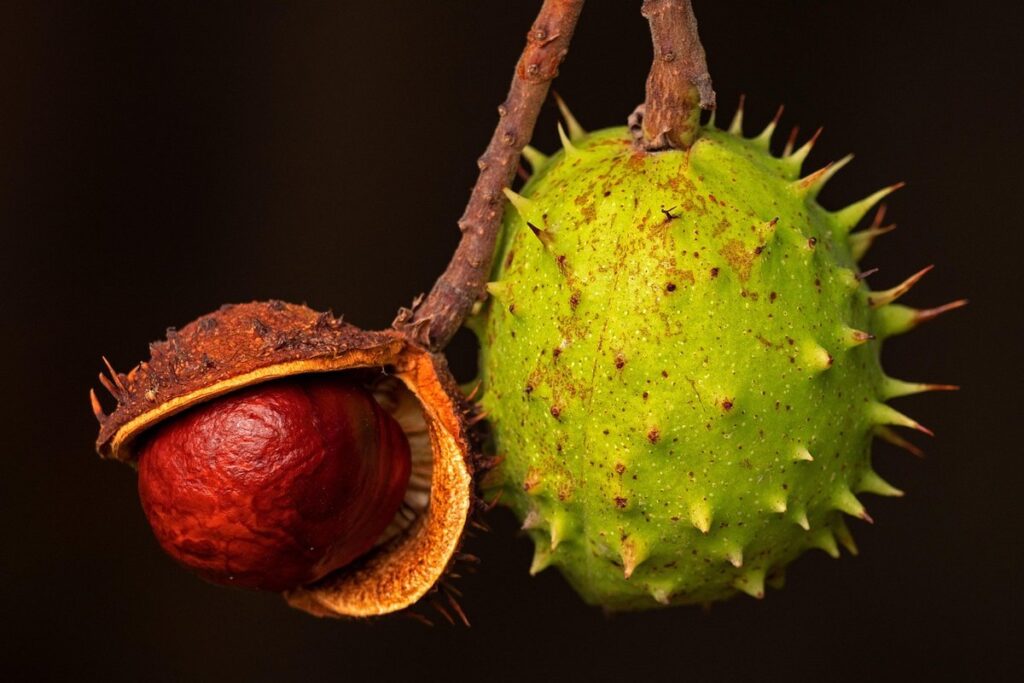
What is a Buckeye Susan Flower?
So you’re curious about what makes the Buckeye Susan flower tick, and where does it come from? Let’s start by exploring its origins.
Definition and Origin
The Buckeye Susan flower is a beautiful and unique bloom that’s often overlooked, but its charm and character make it a standout in any garden. Its botanical name, Ageratina altissima, may sound unfamiliar to some, but this plant has been a part of North American folklore for centuries.
Native to the eastern United States, from Maine to Georgia, and west to Illinois, the Buckeye Susan flower thrives in moist woodlands and along streams. It’s a perennial herb that grows up to 6 feet tall, with an umbrella-like shape and delicate purple flowers that are often hidden among its foliage. Despite its somewhat reserved nature, the Buckeye Susan has been used for medicinal purposes by indigenous communities, who valued it for its antiseptic properties.
If you’re new to gardening or botany, don’t be discouraged if you’ve never heard of this plant before – with its unique appearance and natural habits, the Buckeye Susan is definitely worth learning more about. By understanding its native range and botanical classification, you’ll gain a deeper appreciation for this understated beauty and might even consider adding it to your garden.
History of Use
For centuries, the Buckeye Susan flower has been revered for its medicinal and spiritual properties. In traditional herbalism, it’s been used to treat a range of ailments from anxiety and insomnia to digestive issues and skin problems. The plant contains saponins, which are compounds that have anti-inflammatory and antiseptic properties.
In the 19th century, Buckeye Susan was listed in the United States Pharmacopoeia as a treatment for epilepsy, fever, and rheumatism. Its roots and leaves were used to make teas, tinctures, and poultices. Native American tribes also used the plant in ceremonies and rituals, believing it possessed spiritual powers that could ward off evil spirits.
To use Buckeye Susan for medicinal purposes, you can prepare a tea by steeping the dried flowers or roots in hot water. However, please note that buckeye susan is not currently recognized as safe by the FDA for internal consumption, so consult with a healthcare professional before using it for therapeutic purposes.
Identification and Description
To accurately identify a buckeye susan flower, you’ll want to look for its distinctive yellow petals and unique growth habits, which can vary depending on the environment.
Plant Characteristics
The Buckeye Susan flower is characterized by its distinctive physical attributes that set it apart from other plants. At first glance, you might notice the plant’s upright growth habit, with stems that can reach up to 3-4 feet in height. The stems are typically slender and wiry, often bearing a slight reddish tint.
Upon closer inspection, you’ll observe the leaves of the Buckeye Susan flower. They are palmate in shape, meaning they have lobes or divisions radiating from a central point. Each leaf can grow up to 6-8 inches long and 4-5 inches wide, with 3-7 lobes that give it a distinct maple-like appearance.
The flowers themselves are small, measuring about 1/2 inch in diameter, and are arranged in clusters at the end of the stems. They feature five petals of varying colors, including shades of yellow, pink, and white. The blooms typically last from May to June, filling the air with a sweet fragrance that attracts pollinators like bees and butterflies.
One key characteristic to note is the plant’s deciduous nature, meaning it sheds its leaves seasonally. This process usually occurs in autumn, after which the Buckeye Susan flower remains dormant until spring when new growth begins.
Growth Habits
The Buckeye Susan flower is adaptable to various environments and conditions, allowing it to thrive in diverse settings. In its natural habitat, you can find the Buckeye Susan growing as a perennial in woodland areas with rich soil and partial shade. However, it also grows well in containers or gardens with full sun to partial shade, making it an excellent option for gardeners who want to add some color and texture to their outdoor spaces.
When it comes to temperature tolerance, Buckeye Susans can handle temperatures as low as 10°F (-12°C) but tend to do best when the temperature ranges from 65°F (18°C) to 85°F (29°C). This hardiness allows them to grow in USDA zones 5 through 8, making it a versatile choice for gardeners in different climates.
In terms of soil quality, Buckeye Susans can tolerate a range of soil pH levels but prefer well-draining soil with moderate moisture. This means that gardeners should avoid planting the Buckeye Susan in areas where water tends to collect or in extremely dry conditions.
Medicinal Properties and Uses
The buckeye susan flower has been used for centuries to create herbal remedies, and we’ll explore its medicinal properties and uses that have stood the test of time effectively.
Traditional Remedies
In traditional herbalism, Buckeye Susan has been used for centuries to address various health concerns. One of its most notable applications is in reducing fever and alleviating respiratory issues. Native American communities have long employed the plant’s leaves and roots to create teas that help bring down body temperature during bouts of flu or malaria.
To make a fever-reducing tea, simply steep 1-2 tablespoons of dried Buckeye Susan leaves in boiling water for 5-7 minutes. Strain the liquid and drink it up to three times a day as needed. The plant’s mucilaginous properties help soothe irritated membranes, making it easier to breathe when dealing with respiratory issues such as bronchitis or asthma.
When using Buckeye Susan for respiratory problems, it is often combined with other herbs like mullein or thyme to enhance its decongestant and expectorant effects. You can also make a cough syrup by mixing equal parts Buckeye Susan root powder and honey – just be sure to consult with a healthcare professional before administering this treatment, especially if you’re pregnant or breastfeeding.
Modern Research
Recent studies have shed light on the potential medicinal properties of the buckeye susan flower. Research has focused on its antiviral and antibacterial properties, which could make it a valuable asset in the fight against infections. A study published in the Journal of Ethnopharmacology found that the plant’s extract exhibited potent activity against certain strains of influenza virus. Additionally, laboratory experiments have shown that buckeye susan flower has antioxidant properties, which may contribute to its potential anti-inflammatory and anti-cancer effects.
Some studies also suggest that the plant may have immunomodulatory effects, meaning it could potentially regulate or stimulate the body’s immune response. For instance, a study on mice found that a compound isolated from the buckeye susan flower enhanced the animals’ natural killer cell activity, which plays a crucial role in fighting off viral infections.
While more research is needed to fully understand the medicinal potential of the buckeye susan flower, these findings are promising and warrant further investigation. If you’re considering using the plant for medicinal purposes, be sure to consult with a healthcare professional or qualified practitioner first.
Cultivation and Care
To grow a thriving buckeye susan flower, it’s essential to understand its specific cultivation needs and learn how to provide optimal care for your plant.
Planting and Growing Conditions
When it comes to planting and growing Buckeye Susan flowers, you’ll want to create an environment that mimics their native conditions. These delicate beauties thrive in well-drained soil and full sun to partial shade. If you’re planning to grow them in a garden, choose a spot that receives at least six hours of direct sunlight per day.
If you’re growing Buckeye Susan indoors, make sure the pot has good drainage holes and place it near an east- or west-facing window for gentle, indirect light. Keep the temperature between 65°F and 75°F (18°C and 24°C), as these flowers are sensitive to extreme temperatures.
In terms of soil, use a mix specifically designed for clematis and other climbing plants. Avoid using regular potting soil, as it can retain too much moisture and cause root rot. Water your Buckeye Susan regularly, but avoid overwatering – the roots should be kept slightly dry between waterings. With proper care, your Buckeye Susan flowers will bloom beautifully in a variety of settings.
Maintenance and Pruning
Proper maintenance and pruning are crucial to keeping your Buckeye Susan flower healthy and thriving. To start, inspect your plant regularly for any signs of pests or diseases, such as aphids, whiteflies, or powdery mildew. If you notice any issues, treat the affected areas promptly with insecticidal soap or a fungicide.
Pruning is also essential to encourage new growth and maintain the plant’s shape. Remove any dead or damaged branches during the dormant season (winter), cutting them back to about 6-8 inches from the base of the plant. This will help promote healthy regrowth in the spring.
When pruning, it’s best to cut just above a leaf node using sharp, clean tools. Make your cuts at a 45-degree angle, and avoid removing more than one-third of the plant’s foliage at once. By following these simple tips, you can keep your Buckeye Susan flower looking its best all season long.
To propagate new plants from your existing Buckeye Susan, take 4-6 inch stem cuttings in the spring or early summer. Remove lower leaves and dip the cut end in rooting hormone before planting it in well-draining soil. Keep the soil consistently moist but not waterlogged until roots develop, which should take about 2-3 weeks.
Safety Precautions and Contraindications
When working with buckeye susan flowers, it’s crucial to understand the potential risks involved, so be sure to follow these essential safety precautions.
Potential Allergies and Interactions
When working with the Buckeye Susan flower, it’s essential to be aware of potential allergies and interactions. Some individuals may experience skin irritation, itching, or rashes upon contact with the plant’s sap or leaves.
This is often due to an allergic reaction to the plant’s toxic compounds, such as glycosides. However, not everyone will exhibit severe symptoms. In most cases, reactions are mild and can be managed with proper care.
If you’re prone to allergies or have sensitive skin, it’s crucial to exercise caution when handling Buckeye Susan. Wear protective gloves and eyewear to minimize exposure. Always wash your hands thoroughly after handling the plant.
Interactions with other medications are also a consideration. The glycosides in Buckeye Susan may interact with certain blood thinners, such as warfarin, or alter the effects of diabetes medications like metformin. If you’re taking prescription medications, consult with your healthcare provider before using Buckeye Susan for medicinal purposes.
By being mindful of these potential allergies and interactions, you can enjoy the benefits of the Buckeye Susan flower while minimizing risks. Always prioritize caution and responsible use to ensure a safe experience.
Dosage and Preparation
When using the Buckeye Susan flower for its medicinal properties, it’s essential to follow proper dosages and preparation methods. The flowers can be used fresh or dried, but it’s crucial to identify the correct species, as some lookalikes may be toxic.
To prepare a tea from the Buckeye Susan flower, use one teaspoon of dried flowers or two tablespoons of fresh petals per cup of boiling water. Steep for 5-7 minutes, then strain and discard the solids. As a general guideline, start with small amounts and adjust to taste, as excessive consumption can cause stomach upset.
For tincture preparation, combine one part Buckeye Susan flower with three parts vodka or glycerin in a glass jar. Store in a cool, dark place for 2-6 weeks, shaking the jar daily. Strain and discard the solids before using the tincture as directed. Always consult with a qualified herbalist or healthcare professional before using any plant-based remedy, especially if you’re new to its use or have underlying health conditions.
Conclusion and Future Research
Now that we’ve explored the world of buckeye susan flowers, let’s take a step back to summarize our findings and look ahead to future research possibilities.
Summary of Key Points
In summary, we’ve covered the unique characteristics and benefits of the Buckeye Susan flower. This perennial plant is not only visually stunning with its clusters of white blooms but also offers several potential uses and advantages. Its ability to attract pollinators and provide a natural source of nectar makes it an excellent addition to any garden or landscape.
As we’ve discussed, Buckeye Susan flowers can be used in herbal remedies due to their potential anti-inflammatory properties. However, more research is needed to confirm the extent of these benefits. Additionally, its ability to attract beneficial insects like bees and butterflies can help maintain a balanced ecosystem.
To incorporate this plant into your garden or landscape, choose a location with well-draining soil and full sun to partial shade conditions. Plant multiple Buckeye Susan flowers together for optimal pollinator attraction. With proper care and maintenance, these hardy perennials will thrive and provide benefits for years to come.
Areas for Further Study
While our comprehensive guide has shed light on the potential benefits and uses of Buckeye Susan flowers, there are still areas where further research is needed to fully understand their effects on human health. Specifically, more studies should be conducted to explore the flower’s antioxidant properties and how they interact with different health conditions.
For instance, Buckeye Susan contains a unique combination of flavonoids and phenolic acids that may have anti-inflammatory effects. However, more research is required to confirm whether these compounds can provide relief from chronic pain or inflammatory diseases such as arthritis. Additionally, the flower’s potential impact on mental health, particularly anxiety and depression, warrants further investigation.
It’s also essential to explore the flower’s safety profile in different populations, including pregnant women, children, and individuals with allergies. This information will help us better understand how Buckeye Susan can be used safely and effectively as a complementary remedy for various health concerns. By expanding our knowledge of this remarkable plant, we can unlock its full potential and provide even more benefits to those who use it.
Frequently Asked Questions
Can I use Buckeye Susan flower extracts if I have sensitive skin?
While Buckeye Susan is generally considered safe for most people, it’s essential to patch test any new herbal remedy or extract on a small area of your skin before using it extensively. If you experience any irritation, redness, or other adverse reactions, discontinue use and consult with a healthcare professional.
How do I store dried Buckeye Susan flowers to maintain their potency?
To preserve the medicinal properties of dried Buckeye Susan flowers, store them in a cool, dark place away from direct sunlight and moisture. Airtight containers like glass jars or paper bags can help retain the flower’s essential oils and prevent degradation.
Can I grow Buckeye Susan in indoor pots year-round?
While Buckeye Susan typically thrives outdoors, it’s possible to cultivate it indoors under controlled conditions. However, be aware that this plant requires well-draining soil and moderate temperatures between 65-75°F (18-24°C). Provide sufficient light, and ensure proper ventilation to prevent fungal diseases.
Is Buckeye Susan safe for children and pets?
While Buckeye Susan is generally considered non-toxic, it’s still crucial to exercise caution around young children and pets. If ingested, the plant may cause mild gastrointestinal upset. Keep in mind that individual reactions can vary, so monitor their behavior closely if they come into contact with the plant.
Can I combine Buckeye Susan with other herbal remedies for enhanced benefits?
Yes! Buckeye Susan pairs well with many herbs, such as chamomile and peppermint, to create synergistic blends that amplify its medicinal properties. When combining herbs, follow a general rule of thumb: start with small amounts and observe how your body responds before adjusting dosages or adding more components.