
Are you tired of feeling stuck between your love for gardening and limited outdoor space? Well, we’ve got some exciting news for you! Bucket gardening is revolutionizing the way we grow our favorite fruits, vegetables, and herbs. This innovative approach allows you to create a sustainable and space-efficient garden right in your own backyard – or even on your balcony or patio.
In this article, we’ll delve into the world of bucket gardening, exploring its numerous benefits and guiding you through the process of setting up your very own system. We’ll discuss how to choose the right materials, select the perfect plants for your space, and provide expert tips on plant care and harvesting. Whether you’re a seasoned gardener or just starting out, we’ll show you how to make the most of this versatile and efficient gardening method.
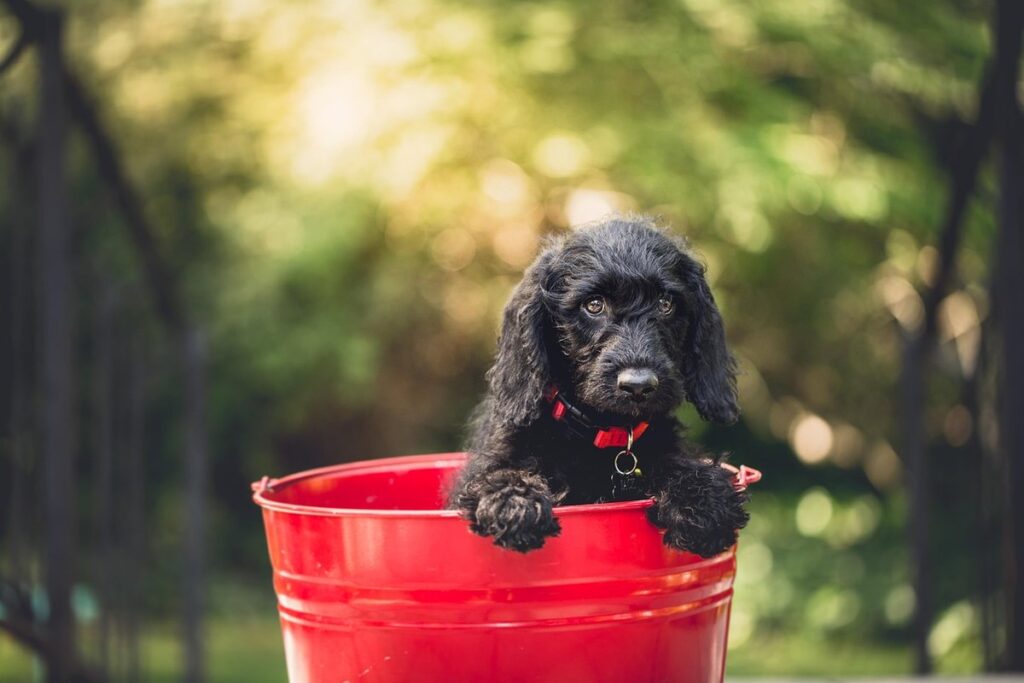
What is Bucket Gardening?
Bucket gardening is a space-saving and sustainable approach to growing your favorite plants, using ordinary buckets as planters. Let’s dive into what makes it so unique and beneficial for gardeners of all levels!
Benefits of Using Buckets for Gardening
Using buckets for gardening offers numerous benefits that make it an attractive option for space-conscious gardeners. One of the most significant advantages is its ability to save space. By utilizing vertical space and stacking buckets, you can grow multiple plants in a small area, making it perfect for balconies, patios, or even indoors.
Another benefit is cost-effectiveness. Buckets are readily available at most hardware stores or home improvement centers, often for a fraction of the cost of traditional garden containers. Additionally, using recycled materials reduces waste and minimizes your environmental footprint. You can also repurpose old buckets you have lying around, making it an eco-friendly option.
Buckets offer flexibility in terms of placement and mobility. They are lightweight and easy to move around, allowing you to experiment with different positions and arrangements without the hassle of heavy containers. This adaptability is particularly useful for gardeners who need to adjust their setup according to changing weather conditions or pest infestations.
History and Evolution of Bucket Gardening
Bucket gardening has its roots in ancient civilizations where people used containers to grow their own food due to limited land. This practice was particularly prevalent among city dwellers and those living on small plots of land. In the 19th century, bucket gardening experienced a resurgence as a means for urban residents to access fresh produce.
The modern version of bucket gardening gained momentum in the 1960s and 1970s with the counterculture movement’s emphasis on self-sufficiency and sustainable living. This led to an increase in people using containers as a viable option for growing their own food, regardless of the size or location of their garden.
Today, bucket gardening is more accessible than ever due to advancements in technology and innovative products designed specifically for container gardening. As concerns about climate change, water conservation, and space-saving gardening continue to rise, bucket gardening has become an attractive solution for those looking to reduce their environmental footprint while still enjoying the benefits of gardening.
Choosing the Right Buckets for Your Garden
When it comes to setting up your bucket garden, selecting the right buckets is crucial. Let’s dive into the key factors to consider when choosing the perfect containers for your space-saving oasis.
Material Options for Buckets: Pros and Cons
When it comes to choosing buckets for your garden, selecting the right material is crucial. Different materials offer varying benefits and drawbacks that can impact your gardening experience.
Plastic buckets are a popular choice due to their affordability and lightweight nature, making them easy to move around. However, they can degrade over time and potentially leach chemicals into the soil. On the other hand, metal buckets provide excellent durability but may rust if not properly coated or stored.
Wooden buckets offer a more eco-friendly option as they are biodegradable and less likely to contaminate the soil. However, they can be more prone to rotting and require regular maintenance.
Other materials like ceramic, bamboo, or recycled containers also have their own set of advantages and disadvantages. Ceramic buckets provide excellent insulation but may break easily, while bamboo is lightweight yet susceptible to damage from pests.
Ultimately, consider factors such as your budget, the type of plants you’re growing, and the climate in your area when selecting a material for your bucket garden.
Bucket Sizes and Capacities for Different Crops
When it comes to choosing the right bucket for your garden, selecting the ideal size and capacity is crucial. Different plants have varying space requirements, and using a bucket that’s too small can lead to overcrowding and stunted growth.
For fruit trees, a minimum bucket size of 14-16 inches deep and 24-30 inches wide is recommended. This allows for proper root development and gives the tree enough room to grow its roots downwards while maintaining its height. For example, dwarf citrus trees like lemons or limes can thrive in buckets with these dimensions.
Vegetables require slightly smaller spaces. Leafy greens, herbs, and cherry tomatoes do well in 10-12 inch deep buckets (18-24 inches wide). Tomatoes, cucumbers, and squash plants need more space; a minimum bucket size of 16-20 inches deep (30-36 inches wide) is necessary to accommodate their sprawling growth. Herbs like basil, mint, and rosemary prefer even smaller spaces – around 8-10 inch deep buckets.
Some other considerations when choosing a bucket for your garden include drainage, soil depth, and plant spacing. Remember that too much space can also be detrimental; ensure the bucket is not so large it becomes unwieldy or difficult to manage.
Setting Up Your Bucket Garden
To get started, you’ll need to choose a location for your bucket garden that receives plenty of sunlight and has good air circulation to keep your plants healthy. Next, select some suitable containers!
Soil and Fertilizer Options for Bucket Gardening
When it comes to setting up your bucket garden, selecting the right soil mix and fertilizers is crucial for its success. A sustainable and organic approach will not only benefit the environment but also ensure healthy plant growth.
For a typical bucket garden, you’ll want to choose a well-draining potting mix specifically designed for containers. You can either buy one at your local nursery or make your own blend using ingredients like peat moss, vermiculite, and perlite. Some good options include coconut coir-based mixes, which are highly absorbent and retain moisture.
Fertilizing is where things get really interesting. Since bucket gardens thrive in close proximity to each other, it’s essential to choose organic fertilizers that won’t harm the environment or contaminate nearby water sources. Consider using compost tea bags, fish bone meal, or kelp meal as natural alternatives to synthetic fertilizers.
To give your plants a nutrient boost without over-fertilizing, consider making a compost pile near your bucket garden. This will provide you with an endless supply of rich, organic fertilizer that’s tailored specifically to the needs of your plants.
Watering and Irrigation Systems for Buckets
When it comes to watering and irrigation systems for your bucket garden, efficiency is key. Drip irrigation is an excellent option for this type of gardening. This method delivers water directly to the roots of the plants, minimizing evaporation and runoff. You can set up a drip irrigation system using a soaker hose or by attaching drippers to each pot.
Another efficient solution is self-watering systems. These systems typically consist of a reservoir that stores excess water in the bucket’s base. This allows the plant to draw water as needed, reducing the need for frequent watering. You can create a DIY self-watering system using a plastic container or purchase one specifically designed for bucket gardening.
When choosing an irrigation system for your bucket garden, consider factors such as soil type, climate, and plant requirements. Research local suppliers of eco-friendly irrigation materials to minimize your environmental impact.
Plant Selection and Care for Bucket Gardens
When it comes to bucket gardening, choosing the right plants and providing them with proper care is crucial. Let’s dive into selecting and caring for your bucket garden with these essential tips.
Suitable Plants for Small-Space Gardening in Buckets
When choosing plants for your bucket garden, it’s essential to select varieties that thrive in containers and have compact growth habits. Here are some suitable options:
For leafy greens, consider growing lettuce, kale, spinach, and arugula in buckets. These plants require minimal care and can be harvested continuously. For tomatoes, cherry and patio varieties like ‘Red Robin’ and ‘Tiny Tim’ are ideal for small-space bucket gardens.
Herbs such as basil, mint, rosemary, and thyme are perfect for container gardening due to their compact growth and fragrant foliage. They also require minimal pruning and can be harvested regularly.
For flowering plants, petunias, geraniums, and impatiens are excellent choices for bucket gardens. These plants have a relatively small root system and don’t require frequent watering.
When growing plants in buckets, it’s crucial to remember that they will dry out faster than those grown directly in the ground. Ensure you water them regularly, but avoid overwatering. Most importantly, choose varieties that suit your local climate and adjust their care requirements accordingly. This way, your bucket garden will flourish and provide a sustainable harvest throughout the growing season.
Pest Control and Disease Prevention Strategies
When it comes to maintaining a thriving bucket garden, managing pests and diseases is crucial for a bountiful harvest. One effective approach is integrated pest management (IPM), which involves combining physical, cultural, biological, and chemical controls to minimize harm to the environment.
To prevent common pests like aphids, whiteflies, and slugs, start by selecting resistant varieties of plants. For example, basil is naturally less susceptible to aphid infestations than other herbs. Next, maintain good garden hygiene by removing weeds and debris that can harbor pests. Encourage beneficial insects like ladybugs and lacewings, which prey on common pests.
Regularly inspect your bucket garden for signs of disease, such as powdery mildew or leaf spot. Use neem oil or soap solutions to control fungal infections. For bacterial diseases, treat with copper-based products. To prevent root rot, ensure proper drainage in each bucket and avoid overwatering. Keep records of your pest and disease management strategies to refine your approach for future seasons.
Maintenance and Harvesting Your Bucket Garden
Now that you’ve established your bucket garden, it’s time to focus on regular maintenance and harvesting. This is where the real rewards come in – a bountiful harvest of fresh produce right at your fingertips!
Regular Tasks to Keep Your Bucket Garden Thriving
To keep your bucket garden thriving, regular maintenance tasks are crucial. Start by pruning your plants regularly to promote healthy growth and prevent overgrowth. This will also help maintain the desired shape of your plants and encourage bushy growth.
Another essential task is mulching, which helps retain moisture in the soil, suppress weeds, and regulate temperature. Use organic mulch like wood chips or bark to keep your bucket garden’s soil consistently moist and reduce evaporation. Aim for a 2-3 inch layer of mulch around the base of each plant, keeping it a few inches away from the stems.
Monitor temperature and humidity levels in your bucket garden as well. Most plants prefer daytime temperatures between 65-75°F (18-24°C) and nighttime temperatures 5-10°F (3-6°C) lower. Keep an eye on the humidity level, ideally maintaining it above 50%. This can be achieved by placing a clear plastic lid or a cloche over the bucket garden during cooler nights.
By sticking to these regular tasks, you’ll maintain a healthy and productive bucket garden that continues to thrive throughout its growing season.
Tips for Successful Harvests from Your Bucket Garden
When harvesting crops from your bucket garden, timing is everything to ensure maximum yields and flavor. Check on your plants regularly for signs of readiness, such as a slight softening of leaves or a change in color. For leafy greens like lettuce and kale, harvest individual leaves or stems as needed, rather than waiting for the entire plant to mature.
For bucket gardens with multiple layers, prioritize harvesting from the top layer first, working your way down to prevent damage and promote air circulation. Use scissors or pinch off individual flowers and buds to encourage continued growth and prevent seed production. For crops like cherry tomatoes and peppers, wait until they’re fully ripe before picking, as unripe fruits can be bitter and less flavorful.
Keep in mind that bucket gardens often produce smaller yields than traditional raised beds, so plan accordingly by selecting varieties that mature quickly or growing multiple batches in succession.
Overcoming Challenges in Bucket Gardening
So, you’re starting your bucket gardening journey and hitting some bumps along the way. Let’s tackle common challenges together to keep your garden thriving despite obstacles.
Common Issues and Solutions for Small-Space Gardeners
As you delve into bucket gardening, you may encounter some common issues that can hinder the success of your project. One of the most prevalent problems is nutrient deficiencies. Since bucket gardens are self-contained systems, it’s essential to provide a balanced diet for your plants through regular fertilization. To avoid this issue, consider using a slow-release fertilizer or making your own compost tea to supplement the soil.
Pests can also be a challenge in small-space gardening, as they can quickly spread and destroy an entire crop. To prevent infestations, use physical barriers like fine mesh or fine netting around the plants. Regularly inspect your bucket garden for signs of pests, and take action promptly if you spot any issues.
Uneven growth is another common problem faced by small-space gardeners. This can be due to inadequate light, poor soil quality, or irregular watering. To promote even growth, ensure that your plants receive sufficient light (at least 4-6 hours a day) and maintain consistent moisture levels by checking the soil daily. By addressing these issues proactively, you’ll be well on your way to a thriving bucket garden.
Innovative Techniques for Expanding Your Bucket Garden
As you grow more accustomed to bucket gardening, it’s natural to want to expand and take your setup to the next level. One of the most exciting aspects of this sustainable practice is exploring innovative techniques for expanding or repurposing your existing garden.
Consider taking your garden vertical by installing a trellis or arbor system within one or multiple buckets. This will not only increase the growing space but also add visual interest and create a stunning display. For example, train vining plants like tomatoes, peas, or cucumbers to climb up the trellis, making the most of your available space.
Another creative method is using multiple levels in your bucket garden. You can stack buckets on top of each other to create a multi-tiered setup, allowing for even more plants and maximizing your growing capacity. Alternatively, use a tiered planter or a wooden pallet to achieve a similar effect without taking up too much floor space.
Experiment with different layouts and configurations to find what works best for you and your garden’s specific needs. With these innovative techniques, you’ll be able to expand your bucket garden and enjoy an even more bountiful harvest while saving valuable space in your yard.
Frequently Asked Questions
Can I use any type of bucket for bucket gardening, or are there specific requirements?
You can use a variety of buckets for bucket gardening, but it’s essential to choose ones that are food-grade, durable, and have proper drainage holes. Plastic buckets with UV protection are ideal, while metal or wooden buckets may not be suitable due to rust or rot issues.
How often should I water my bucket garden, especially during hot weather?
Water your bucket garden regularly, but avoid overwatering, which can lead to root rot and other problems. Check the soil moisture daily, and water when the top inch of soil feels dry to the touch. In hot weather, increase watering frequency, but also ensure good air circulation around the plants.
Can I grow trees or large shrubs in a bucket garden?
While you can grow some small to medium-sized trees or shrubs in buckets, it’s generally not recommended for trees that require extensive root growth. Smaller trees like dwarf citrus or figs might thrive, but research specific plant requirements before selecting a tree or shrub for your bucket garden.
How do I prevent pests and diseases in my bucket garden?
Regularly inspect your plants for signs of pests or diseases. Use physical barriers, such as fine mesh or fine netting, to keep insects away. Keep the area around your buckets clean and free from debris, which can harbor pests and diseases. Implement organic pest control methods, like neem oil or insecticidal soap, when necessary.
Can I reuse soil and compost from my bucket garden for other gardening projects?
Yes, you can repurpose soil and compost from your bucket garden for future gardening projects. However, make sure to sterilize the used soil by baking it in a 200°F oven (90°C) for an hour or using a solar kiln to kill any remaining pathogens or pests. This will ensure healthy growth for your new plants.