
Bringing some greenery into your home can have a significant impact on both your mood and the air quality. Not only do indoor houseplants add aesthetic appeal, but they also play a vital role in purifying the air we breathe. This is especially important in our increasingly urban lives where pollutants can build up indoors. If you’re considering bringing some life to your living space, this article will provide expert tips on choosing and caring for the perfect plants. We’ll cover how to select the best houseplants for indoor conditions, as well as practical advice on their maintenance and upkeep. Whether you’re a seasoned plant enthusiast or just starting out, we’ll share ways to incorporate these natural air purifiers into your home decor while reaping their many benefits.
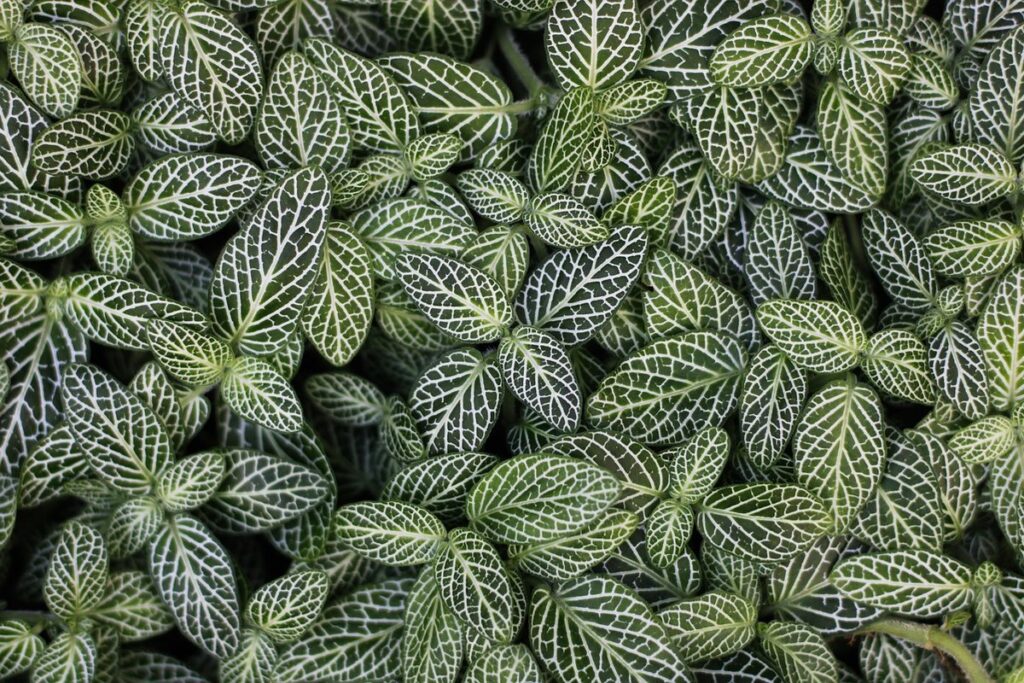
Benefits of Indoor Houseplants
Adding houseplants indoors can have a significant impact on your home and well-being, from purifying the air to boosting your mood. Let’s explore some surprising benefits of indoor greenery.
Air Purification and Health Benefits
When it comes to bringing houseplants indoors, one of the most significant benefits is their ability to purify the air and improve indoor health. According to NASA’s research, certain houseplants are capable of removing up to 87% of airborne pollutants within 24 hours. This is particularly important in urban areas where air pollution levels can be high.
Houseplants increase oxygen levels by releasing oxygen at night while they absorb carbon dioxide through photosynthesis. For example, the popular “Peace Lily” plant (Spathiphyllum wallisii) is known to release oxygen 24/7 and remove up to 90% of airborne benzene from its surroundings. By incorporating air-purifying houseplants into your indoor space, you can breathe easier knowing that you’re surrounded by cleaner air.
In addition to purifying the air, studies have shown that being around plants can reduce stress levels and promote overall well-being. This is often referred to as “biophilia,” or the human affinity for nature. By bringing some greenery indoors, you can experience a sense of calm and relaxation in your home environment.
Mood Enhancement and Stress Relief
Being around nature has been shown to have a profound impact on our mental well-being. Studies have consistently demonstrated that exposure to green spaces and indoor plants can significantly boost mood and reduce stress levels. In fact, research conducted by the University of Exeter found that people who spent time in parks or gardens experienced reduced symptoms of anxiety and depression.
But why does being around nature have this effect? One theory is that it has something to do with our innate love for nature and our desire to connect with the natural world. Being surrounded by plants and greenery can help us feel more grounded and calm, reducing feelings of stress and anxiety. And the benefits aren’t just limited to mental health – studies have also shown that indoor plants can improve air quality, increase productivity, and even reduce noise pollution.
If you’re looking to bring some of these benefits into your home, start by choosing low-maintenance plants like snake plants or spider plants that are easy to care for. Place them in areas where you spend the most time, such as your living room or bedroom, and enjoy the mental health benefits they provide. With just a few simple steps, you can harness the power of nature to improve your mood and reduce stress levels.
Aesthetic Appeal and Home Decor
Houseplants can instantly elevate the aesthetic appeal of any indoor space. Not only do they bring a touch of nature indoors, but they also add color, texture, and visual interest to rooms, hallways, and even outdoor spaces when brought inside during harsh weather conditions. From lush greenery to vibrant flowering plants, there’s a wide range of options to suit every style and décor.
To create a cohesive look, consider grouping plants with similar shapes or textures together on a console table or sideboard. This not only adds visual appeal but also creates a sense of balance in the space. For example, pairing a statement piece like a fiddle leaf fig tree with smaller potted succulents can add depth and interest to a room.
When selecting houseplants for your home decor, remember that their beauty lies not just in their physical appearance but also in the atmosphere they create. Calming plants like peace lilies or snake plants can help purify the air and reduce stress levels, making them perfect for bedrooms or meditation rooms.
Choosing the Right Houseplants for Indoor Spaces
When selecting houseplants for your indoor space, it’s essential to consider factors such as light levels, temperature, and maintenance needs. This helps you choose plants that will thrive under specific conditions.
Factors to Consider: Lighting, Temperature, and Humidity
When choosing houseplants for indoor spaces, it’s essential to consider the three most critical factors: lighting requirements, temperature tolerance, and humidity needs. Lighting is a crucial aspect, as most plants have specific light intensity preferences. For instance, low-light plants like Chinese Evergreen or Pothos can thrive in rooms with limited natural light, while high-light plants like Aloe Vera or Cacti require direct sunlight to photosynthesize.
Temperature tolerance is also vital, as many houseplants are sensitive to extreme temperatures. Most indoor plants prefer daytime temperatures between 65-75°F (18-24°C) and nighttime temperatures around 55-65°F (13-18°C). Some plants like Ferns or Peace Lilies can tolerate warmer temperatures up to 80°F (27°C), but most will struggle in spaces with consistent temperature fluctuations.
Humidity levels also play a significant role, especially for tropical plants. Most houseplants prefer humidity levels between 40-60%, but some like Snake Plants or Succulents are adapted to dry environments and can thrive in air-conditioned spaces. To meet the specific needs of your chosen plant, consider investing in a humidifier or relocating it to a room with suitable conditions.
Low-Maintenance and Easy-to-Care-for Options
When it comes to choosing houseplants for indoor spaces, many people assume that all plants require extensive care and attention. However, there are plenty of low-maintenance options that can thrive indoors with minimal effort.
Some popular species perfect for busy homeowners or those new to plant parenthood include the ZZ Plant (Zamioculcas zamiifolia), Pothos (Epipremnum aureum), and Snake Plant (Sansevieria Trifasciata). These plants are known for their ability to survive in low-light conditions, infrequent watering, and neglect.
The ZZ Plant, for instance, can go weeks without water and still look healthy. It’s an excellent choice for rooms with limited natural light or for those who tend to forget to water their plants regularly. Pothos, on the other hand, is a versatile plant that can be trained to climb up walls or left to trail down from hanging baskets.
To care for these low-maintenance plants, make sure to water them sparingly, allowing the soil to dry out completely between waterings. Most importantly, don’t overwater – this is the most common mistake people make when caring for houseplants. With a little TLC and attention to their specific needs, you can enjoy the benefits of having indoor greenery without the stress of excessive maintenance.
Selecting Plants that Thrive in Specific Indoor Conditions
When it comes to bringing houseplants indoors, selecting plants that thrive in specific conditions is crucial for their survival. Different indoor environments can present unique challenges, such as limited natural light, high temperatures, or dry air. To ensure your plants remain healthy and happy, choose species adapted to these conditions.
For offices with limited natural light, consider plants like Chinese Evergreen, Pothos, or Snake Plant. These low-maintenance options can tolerate low light conditions, making them perfect for spaces with limited windows. On the other hand, homes with high temperatures may require heat-tolerant plants such as Succulents, Cacti, or Dracaena. These species are designed to withstand extreme temperatures and can thrive in warm environments.
Remember to also consider the humidity levels in your indoor space. Plants like Peace Lily or Boston Ferns prefer humid conditions, while those like Spider Plant or Air Plant can tolerate dry air. By selecting plants that match your indoor environment, you’ll be more likely to enjoy a thriving and low-maintenance houseplant collection.
Preparing Your Home for Houseplants
Before bringing home your new plants, it’s essential to prepare your space by clearing clutter and assessing the lighting conditions in each room. This will ensure a smooth transition for both you and your new indoor greenery!
Soil Quality and Fertilization
When it comes to bringing houseplants indoors, using the right potting soil and fertilizing schedule is crucial for optimal plant growth. Most store-bought potting soils are designed for outdoor plants and may not provide the necessary nutrients for indoor plants.
A good quality indoor potting soil should be well-draining, retain moisture but not waterlog, and have a pH level between 6.0 and 7.0. Look for a mix specifically labeled as “indoor” or “houseplant” potting soil. If you’re using regular potting soil, it’s recommended to repot your houseplants every six months with fresh indoor potting soil.
Fertilizing is also essential for healthy plant growth indoors. However, overfertilizing can cause more harm than good. A balanced fertilizer with equal amounts of nitrogen (N), phosphorus (P), and potassium (K) will work best. Feed your plants during the growing season (spring and summer) every 4-6 weeks. During the dormant season (fall and winter), fertilize sparingly, once a month. It’s also essential to follow the instructions on the fertilizer package and start with a low dose to avoid burning your plant’s roots.
Watering and Humidity Considerations
When bringing houseplants indoors, it’s essential to consider their watering and humidity needs. Over-watering is a common mistake that can be detrimental to your plants’ health.
First, observe the plant species you’re planning to bring inside. Some plants, like succulents and cacti, require infrequent watering due to their thick skin or adaptations for dry environments. Others, such as ferns and peace lilies, thrive in more humid conditions.
To avoid over-watering, check the soil moisture by inserting a finger into the soil up to the first knuckle. If it feels dry, it’s time to water. Water your plants thoroughly until you see excess water draining out of the pot’s drainage holes. Be cautious not to let the pot sit in standing water.
Maintaining optimal humidity levels is crucial for many houseplants. You can use a humidifier to maintain a humidity level between 40-60%, especially during dry winter months. Grouping plants together can also create microclimates that help regulate humidity.
Pest Control and Prevention
When bringing houseplants indoors, it’s essential to consider the potential for pests that can damage your plants and even spread diseases. Common indoor pests that target houseplants include spider mites, mealybugs, scale insects, and aphids. These tiny creatures thrive in warm temperatures and high humidity, making indoor environments perfect breeding grounds.
To prevent infestations, inspect your new plants carefully before bringing them indoors. Look for any visible signs of pests, such as white powdery patches or sticky substance on the leaves. Isolate new plants from your existing collection for a few weeks to ensure they’re pest-free.
For control measures, mix neem oil with water according to the product’s instructions and spray it on affected areas. You can also use insecticidal soap or horticultural oil as alternatives. Remove any heavily infested leaves to prevent the problem from spreading. Regularly inspect your plants for signs of pests and take prompt action to prevent infestations.
Some plants are more susceptible to pest attacks, such as ferns and peace lilies. Be extra cautious when introducing these species into your indoor garden. By being proactive in monitoring and controlling pests, you can enjoy healthy and thriving houseplants indoors.
Caring for Your Houseplants: Tips and Tricks
Now that your houseplants are indoors, it’s time to learn how to keep them happy and thriving. This section shares essential tips on caring for your new indoor foliage friends.
Pruning and Training Techniques
As you bring your houseplants indoors, it’s essential to prune and train them to promote healthy growth, shape their appearance, and encourage blooming. Pruning is a crucial process that involves cutting back stems, leaves, or roots to control the plant’s size, promote new growth, and maintain its overall health.
To prune effectively, start by removing any dead or damaged leaves or stems. This will help prevent the spread of disease and encourage the plant to focus its energy on healthy growth. Next, cut back overgrown branches to about one-third to one-half their original length. Make clean cuts just above a node (where a leaf meets the stem), using sharp, sterile pruning tools.
Training techniques, such as tying stems to stakes or trellises, can also help shape your plants and direct their growth towards desired areas. For example, if you want to encourage your vining plant to cascade over a wall or shelf, gently weave its stems onto a trellis or stake. By pruning and training your houseplants regularly, you’ll be able to enjoy their vibrant blooms and lush foliage all year round.
When pruning, remember to make clean cuts just above nodes, removing no more than one-quarter of the plant’s total leaves at any given time. This will help prevent shock and ensure a healthy recovery.
Repotting and Propagation
When it’s time to bring your houseplants indoors for good, repotting them is an essential step. This process not only gives your plants a fresh start but also helps them thrive in their new environment.
To begin with, choose a pot that’s the right size for your plant’s roots. A general rule of thumb is to select a container that’s 1-2 sizes larger than the previous one. Consider the type of soil you’ll be using too – a well-draining mix will help prevent waterlogged roots. Select pots made from materials like ceramic, terracotta, or wood for their durability and aesthetic appeal.
If you’re propagating a favorite species, now’s the perfect time to do it. Take 3-4 inch stem cuttings from mature plants, removing lower leaves to promote healthy growth. Place them in a propagation tray filled with moistened potting mix, making sure not to overcrowd. Keep the environment humid and warm (around 70-75°F) until roots develop – usually within 1-2 weeks.
Some popular houseplants for indoor propagation include snake plants, spider plants, and African violets. Be patient and remember that successful propagation requires minimal maintenance and optimal growing conditions.
Common Problems and Solutions
When bringing houseplants indoors, it’s not uncommon to encounter common problems that can be detrimental to their health. One of the most prevalent issues is pests, such as spider mites, mealybugs, and scale. These tiny critters feed on plant sap, causing discoloration, stunted growth, and sometimes even death.
To address pest infestations, inspect your plants regularly for any signs of insects. If you notice white cottony patches or black spots, treat the affected area with insecticidal soap or neem oil. Isolate infected plants to prevent the pests from spreading to other plants.
Diseases like root rot and leaf spot can also occur when houseplants are indoors. This is often due to overwatering or poor air circulation. To combat these issues, ensure your pot has proper drainage holes, water carefully, and provide sufficient light and air movement around the plant.
Additionally, nutrient deficiencies can be a problem if the soil lacks essential nutrients. Fertilize your houseplants with a balanced, water-soluble fertilizer during the growing season to promote healthy growth. By being proactive in addressing these common issues, you’ll be well on your way to thriving indoor houseplants.
Frequently Asked Questions
How Can I Ensure My Indoor Houseplants Thrive During the Winter Months?
Indoor houseplants can be sensitive to cold temperatures, but some are more tolerant than others. To ensure your plants thrive during winter, choose varieties like Pothos or Snake Plant that can tolerate low light and cooler temperatures. If you must bring your plants indoors from an outdoor location, acclimate them gradually to indoor conditions by placing them in a shaded area for 7-10 days before moving them inside.
How Do I Know Which Indoor Houseplants Are Best Suited for My Specific Lighting Conditions?
When selecting houseplants for low-light areas, look for varieties like Chinese Evergreen or Peace Lily that can tolerate minimal light. For brighter spaces, choose plants like Spider Plant or Dracaena that prefer more sunlight. Remember to research the specific lighting requirements of your chosen plant and adjust their placement accordingly.
What Are Some Common Pests That Affect Indoor Houseplants and How Can I Prevent Them?
Common pests like spider mites, mealybugs, and scale can infest indoor houseplants. To prevent infestations, inspect your plants regularly for signs of pests. Keep them away from direct sunlight and maintain optimal humidity levels (50-60%). Use insecticidal soap or neem oil to treat any pest issues promptly.
How Often Should I Water My Indoor Houseplants?
Watering schedules vary depending on plant species and environment. As a general rule, water your indoor houseplants when the top 1-2 inches of soil feels dry to the touch. Overwatering is common, so err on the side of caution and adjust your watering schedule accordingly.
Can I Propagate My Favorite Houseplant Species Through Division?
Yes! Many popular houseplant species can be propagated through division. For example, you can divide Peace Lilies or Pothos by separating their roots and re-potting them in well-draining soil. Research specific propagation techniques for your chosen plant to ensure success.