
As we trade in our summer shorts for cozy sweaters, many of us wonder: can I still enjoy lush greenery during the cold winter months? The answer is yes! Bringing indoor plants into your home during winter not only purifies the air and boosts mood, but it’s also a great way to add some much-needed color and texture to our often-barren living spaces. However, bringing houseplants inside safely requires some planning and knowledge of how to choose the right plants for the season and care for them properly. In this comprehensive guide, we’ll walk you through everything you need to know, from selecting low-maintenance winter-friendly plants to preparing your home for their arrival and providing expert care tips to ensure they thrive all season long.
Choosing the Right Plants
When selecting houseplants for your winter home, it’s essential to consider factors such as lighting and temperature requirements, ensuring you choose plants that thrive in indoor conditions.
Section 1.1: Selecting Low-Maintenance Plants
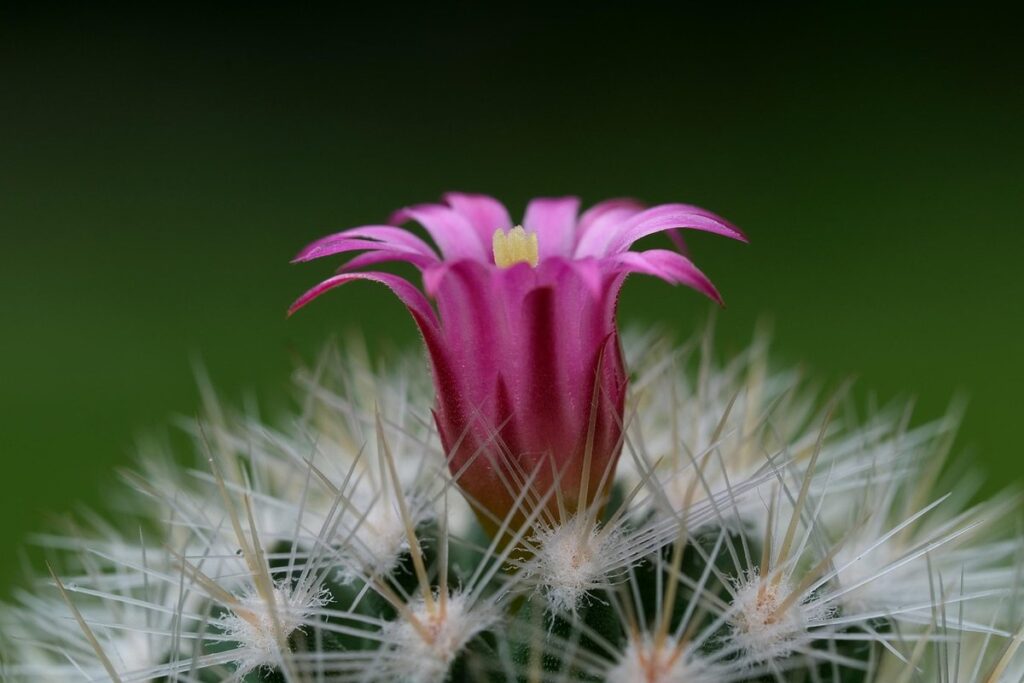
When it comes to selecting low-maintenance plants for indoor environments during winter, there are several options that thrive in these conditions. One of the most popular choices is succulents, which come in a variety of shapes and sizes. These plants are perfect for indoor spaces as they require minimal watering and can tolerate infrequent sunlight.
Air plants are another great option for low-maintenance houseplants during winter. They don’t need soil and can be easily attached to rocks or shells, making them a unique addition to any room. Some popular types of air plants include Tillandsia and Xerographica, which are known for their striking appearance and adaptability.
For those who want even less maintenance, there’s the option of choosing plants with natural adaptations that allow them to survive in low-light conditions. For example, Chinese Evergreen and Pothos are both great options as they can tolerate a range of lighting levels and require minimal care.
Section 1.2: Considering Plant Size and Growth Habits
When selecting houseplants for your home during winter, it’s essential to consider two crucial factors: plant size and growth habits. A good rule of thumb is to choose plants that are compact or dwarf varieties, which tend to be more forgiving if they outgrow their space.
For example, a small Boston fern (1-2 feet in diameter) is an excellent choice for a winter houseplant because it remains relatively compact year-round. In contrast, larger ferns can grow up to 6 feet tall and may require more frequent pruning or even division.
When evaluating growth habits, think about the space you have available and how much light the plant will receive. Some plants, like vining ivies or flowering houseplants, require a trellis or support system to control their spread. Others, such as succulents and cacti, are naturally more compact but may still need occasional pruning.
To ensure your chosen plants remain manageable, research their specific growth habits before bringing them home. Consider factors like mature plant size, growth rate, and required pruning frequency to make an informed decision that suits your space and lifestyle.
Preparing Your Home for New Plants
Before bringing new plants into your home, take some time to prepare a welcoming space by cleaning and organizing areas where they’ll live. This will ensure a smooth transition for both you and your new green friends.
Section 2.1: Creating a Suitable Environment
When it comes to bringing houseplants home in winter, creating a suitable environment is crucial for their survival and health. The essential conditions required for healthy indoor plants are light, temperature, humidity, and air circulation. To ensure your home is prepared, let’s start with lighting.
Most houseplants require bright, indirect light to photosynthesize and thrive. South-facing windows or well-lit rooms are ideal locations for your new plants. However, some plants like Chinese Evergreen and Pothos can tolerate low light conditions, making them perfect for rooms with limited natural light.
Maintain a comfortable temperature between 65°F (18°C) and 75°F (24°C), which is ideal for most houseplants. Avoid placing plants near heating vents or radiators as this can cause drying out of the soil. Maintain humidity levels around 40-50% by using a humidifier, especially in dry winter months.
Air circulation is also vital to prevent fungal diseases and pests. Ensure good air circulation by keeping plants at least 6-8 inches away from each other and maintaining an open path for air movement.
Section 2.2: Repotting and Soil Considerations
When it’s time to bring new houseplants home during the winter months, repotting and soil considerations are crucial for their survival. As we’ve discussed earlier, most plants have outgrown their containers and need fresh potting mix to replenish essential nutrients.
Choose a pot that is slightly larger than the plant’s current one, taking into account its mature size. Select pots made from breathable materials like terracotta or ceramic, which help prevent waterlogged soil and promote healthy root growth.
A good potting mix should retain moisture but drain excess water quickly. Look for mixes specifically designed for indoor plants, as they tend to be more alkaline than outdoor mixes. Fertilize your plant with a balanced, water-soluble fertilizer (20-20-20) during the winter months when it’s not producing new growth.
Some excellent options include Espoma Organic Potting Mix and Miracle-Gro Indoor Potting Mix. Be sure to avoid over-fertilizing, as this can damage roots and harm your plant’s overall health.
Bringing Your Plants Inside Safely
When bringing your houseplants inside for winter, it’s essential to do so safely to prevent shock and damage from extreme temperature fluctuations. This means acclimating them gradually over time to their new environment.
Section 3.1: Acclimating Outdoor Plants to Indoor Conditions
When bringing outdoor plants indoors for the winter, it’s essential to acclimate them gradually to indoor conditions. This process can help prevent shock and ensure a smooth transition.
Start by adjusting light exposure. Outdoor plants are often accustomed to direct sunlight, which can be intense during the day. To simulate this, place your plant in a spot with bright, indirect light for 2-3 hours daily. As it adjusts, you can gradually move it to a more shaded area or use sheer curtains to filter the light.
Next, adjust temperature levels. Outdoor plants typically experience cooler temperatures at night, which can be jarring when brought indoors where it’s often warmer. To ease this transition, keep your plant in an unheated room for a few days before bringing it inside, allowing it to acclimate to indoor temperatures.
Section 3.2: Cleaning and Inspecting Plants Before Moving Them Indoors
Before bringing your houseplants inside for the winter, it’s essential to give them a thorough cleaning and inspection. This step may seem tedious, but it’s crucial in preventing the spread of pests and diseases to other plants.
Start by gently brushing off any loose debris from the leaves and stems using a soft-bristled brush or a clean cloth. For more stubborn dirt, mix 1 tablespoon of mild dish soap with 1 quart of water, and use a soft-bristled brush to gently scrub the affected areas. Rinse thoroughly with clean water to prevent soap residue from harming your plants.
Inspect each plant carefully for signs of pests like mealybugs, spider mites, or scale. Check the undersides of leaves, stems, and soil for any visible eggs, larvae, or adult insects. If you notice any infestations, isolate the affected plant immediately and treat it with insecticidal soap or neem oil according to the product’s instructions.
Also, inspect your plants for signs of disease like yellowing leaves, black spots, or fungal growth. Look for any visible symptoms on the leaves, stems, or soil, and research the potential causes online or consult with a local nursery expert if you’re unsure about the treatment.
Winter Care and Maintenance
When bringing houseplants home in winter, it’s essential to prioritize their care and maintenance to prevent damage from cold temperatures and dry air. This section will walk you through the steps to keep your plants thriving during the coldest months.
Section 4.1: Adjusting Watering Schedules
As we’ve discussed earlier, houseplants typically thrive during warmer months when they receive plenty of sunlight and water. However, once winter arrives, their needs change significantly due to reduced light and cooler temperatures. One crucial adjustment you’ll need to make is to your watering schedule.
During the winter, plants grow at a slower rate, which means they require less moisture. Overwatering can lead to root rot, leaf drop, and other problems that are difficult to fix. To avoid this, check your plants’ soil moisture more frequently than usual, using a finger or a moisture meter as your guide.
Here’s a simple rule of thumb: water your houseplants when the top 1-2 inches of soil feel dry to the touch. This might mean watering them less often – maybe every 7-10 days instead of weekly. Another way to gauge their needs is by observing their leaves and stems. If they’re looking a bit wilted or droopy, it’s likely time for a drink.
Remember that different plants have varying water requirements. For example, cacti and succulents prefer drier soil than ferns and peace lilies, which thrive in more humid conditions. Take note of your specific plant species‘ needs and adjust accordingly to keep them happy and healthy throughout the winter months.
Section 4.2: Pruning and Grooming for Winter
As you bring your houseplants home for winter, it’s essential to give them some TLC to ensure they thrive during this season. Pruning and grooming are crucial steps that help maintain their shape, promote healthy growth, and prevent pest infestations.
When it comes to pruning, the goal is to remove dead or damaged leaves, stems, and flowers. Deadheading, a technique where you cut off spent blooms, encourages your plant to produce new flowers, keeping them looking fresh and vibrant. Use sharp, clean scissors or pruning shears to make precise cuts just above a node (where a leaf meets the stem). This helps prevent damage to the plant’s bark and promotes healthy growth.
Leaf removal is also vital during winter, as it allows air and light to reach inner leaves, reducing the risk of fungal diseases. Simply snip off any yellow or brown leaves with scissors or pinch them off between your fingers.
Troubleshooting Common Issues
Even the most experienced plant parents can encounter problems, so let’s tackle some common issues that might arise when bringing houseplants home in winter.
Section 5.1: Identifying Pests and Diseases in Winter
Winter can be a challenging time for houseplants, and pests and diseases are no exception. As temperatures drop and humidity levels rise, your plants may become more susceptible to infestations and infections. Two common culprits during this season are spider mites and mealybugs, which thrive in dry environments.
To identify spider mites, look for fine webbing on the leaves or stems of your plant. You might also notice small, moving dots – that’s the pest itself! Mealybugs, on the other hand, appear as white, cottony patches on the leaves and stems.
Some signs of disease in winter include yellowing leaves, black spots, or a general decline in plant health. Fungal diseases like root rot and leaf spot can be caused by overwatering or poor drainage. Treat infestations with insecticidal soap or neem oil, while fungal infections may require fungicides specifically designed for houseplants.
Keep an eye out for these issues during the winter months, and act quickly to prevent them from taking hold. Regularly inspect your plants, and take preventative measures like increasing humidity levels through misting or using a humidifier. This will create a more hospitable environment for your plants, reducing their risk of pest and disease-related problems.
Section 5.2: Managing Temperature Extremes and Other Environmental Stressors
Winter can be a challenging season for indoor plants, especially when it comes to managing temperature extremes and other environmental stressors. As you bring houseplants home during this time, it’s essential to create a suitable environment that meets their needs.
Temperature fluctuations are a common issue during winter. Most houseplants prefer daytime temperatures between 65-75°F (18-24°C) and nighttime temperatures around 55-65°F (13-18°C). To maintain a stable temperature, consider moving plants away from radiators, heaters, or air conditioning vents. You can also use thermostats to regulate your home’s temperature, ensuring it stays within the optimal range for your plants.
In addition to temperature control, drafts and air circulation are crucial factors to consider during winter. Cold air can cause stress to plants, leading to weakened growth and increased susceptibility to pests. To minimize this risk, place plants in areas with good air circulation but avoid direct exposure to cold windows or doors. This will help maintain a consistent environment and prevent temperature shocks.
When possible, bring plants indoors when temperatures drop below 40°F (4°C) to protect them from frost damage. If you can’t move your plants inside, cover them with a sheet or blanket to insulate them from the cold air.
Conclusion and Tips for a Thriving Winter Garden
As you bring houseplants home during the winter months, remember that they’ll require extra care to thrive. Be sure to adjust their watering schedule accordingly, as indoor conditions can be dry and cold. A general rule of thumb is to water your plants about 20-30% less in the winter compared to warmer seasons.
Monitor your plants’ lighting needs closely, as shorter days may mean moving them closer to a window or using grow lights. Fertilization is also key during this time, but choose a balanced, water-soluble fertilizer to avoid burning their roots.
Keep an eye out for pests and diseases that thrive in cooler temperatures, such as spider mites and root rot. Regularly inspect your plants, and if you notice any issues, treat them promptly to prevent the problem from spreading.
Frequently Asked Questions
Can I bring any houseplant indoors without acclimating it first?
Yes, some hardy plants like succulents can be brought directly indoors from outdoors, but for most plants, a gradual transition to indoor conditions is still recommended to prevent shock.
What if my indoor space has low natural light during winter? Are there plant options that can thrive in these conditions?
Yes, many houseplants can tolerate low-light conditions. Consider choosing varieties like Chinese Evergreen, Pothos, or Peace Lily, which can survive with minimal direct sunlight and still purify the air.
How often should I water my indoor plants during the dry winter months?
The frequency of watering depends on the plant species, size, and potting mix. As a general rule, check the soil moisture by sticking your finger into the soil up to the first knuckle. Water only when the soil feels dry to the touch.
Can I propagate cuttings from my existing indoor plants during winter?
Yes, many houseplants can be propagated through stem or leaf cuttings during winter. Research specific propagation techniques for each plant species to ensure success and encourage healthy growth.
What’s the best way to repot my houseplants during winter when they’re dormant?
Choose a repotting time when your plant is actively growing, typically after it has completed its winter dormancy (around spring). Gently remove the plant from its pot, trim old roots if necessary, and transfer it to a slightly larger container with fresh, well-draining soil.