
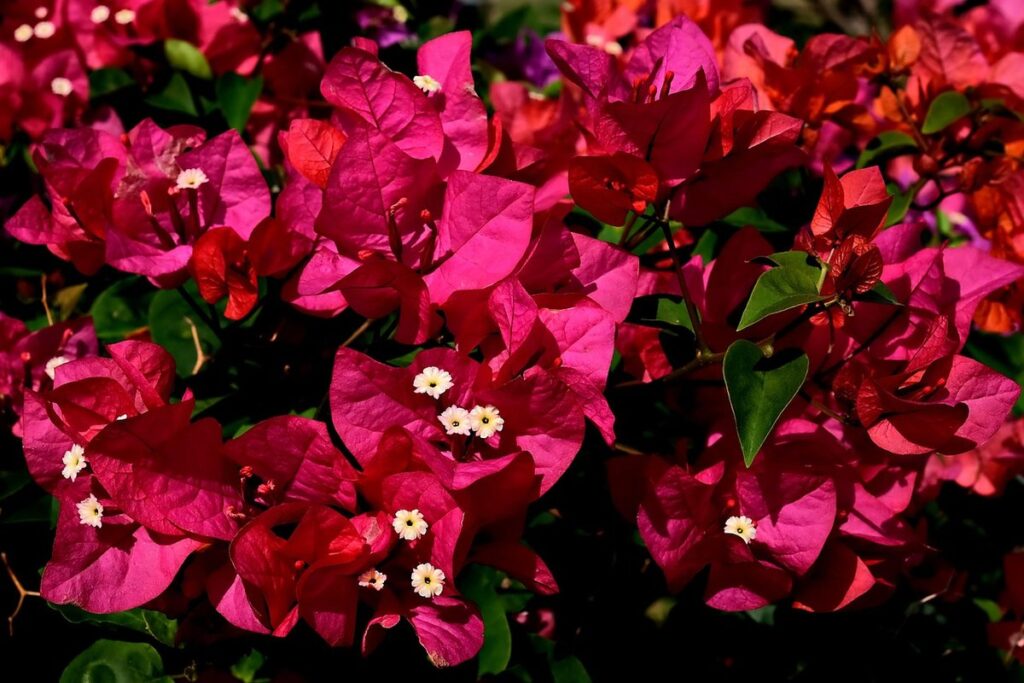
If you’re anything like me, you’ve probably been fascinated by the vibrant blooms of the bougainvillea plant, but have ever wondered what makes these flowers so unique. The intricate structure of a bougainvillea flower is actually quite complex, and understanding its different parts can help you care for and cultivate these beautiful plants more effectively.
From the colorful bracts that attract pollinators to the delicate reproductive parts that ensure the plant’s survival, every aspect of the bougainvillea flower plays a crucial role in its overall health. In this comprehensive guide, we’ll delve into the structure of bougainvillea flowers, exploring how each part works together to create such stunning blooms. Whether you’re a seasoned gardener or just starting out, this article will equip you with the knowledge you need to coax your bougainvilleas into producing even more vibrant flowers and lush foliage.
Introduction to Bougainvillea
Bougainvillea is one of the most vibrant and recognizable flowers worldwide, but its unique structure sets it apart from other blooms. Let’s take a closer look at what makes it so distinct.
What is Bougainvillea?
Bougainvillea is a type of flowering vine that has gained immense popularity worldwide due to its vibrant colors and low-maintenance requirements. From a botanical standpoint, bougainvillea falls under the category of Nyctaginaceae family, with three main species: Bougainvillea glabra, Bougainvillea spectabilis, and Bougainvillea x buttiana.
In various parts of the world, this ornamental plant is known by different names. In North America, it’s commonly referred to as paper flower or buganbilia, while in Europe and Asia, it’s often called bougainvillaea or papillon de feuille morte (dead leaf flower). In its native Brazil, where it was first discovered, the plant is simply known as buganvília.
The beauty of bougainvillea lies not only in its bright, paper-like bracts but also in its versatility. This flowering vine can thrive in a wide range of environments and can be grown as a houseplant or an outdoor ornamental plant. Its adaptability has made it a favorite among gardeners and interior designers alike.
History and Origins
Bougainvillea has been enchanting gardeners and flower enthusiasts for centuries. Native to the tropical regions of South America, specifically Brazil and Argentina, this vibrant flowering shrub was first introduced to the Western world by French botanist Philibert Commerson in 1737. On board the ship with him was a young botanical artist named Jeanne Baret, who played a crucial role in collecting plant specimens during their voyage.
As trade and colonization expanded across the globe, bougainvillea made its way to various parts of Asia, Africa, and beyond. The Portuguese were instrumental in spreading this plant throughout their colonies, and soon it became a staple in many tropical gardens. Today, bougainvillea is grown in over 90 countries worldwide and has become a beloved ornamental plant due to its stunning displays of colorful flowers.
In the United States alone, bougainvillea has gained immense popularity as a low-maintenance yet visually striking addition to patios, balconies, and outdoor spaces. With proper care, this resilient plant can thrive in a variety of conditions, making it an ideal choice for gardeners with limited green space or experience.
Anatomy of a Bougainvillea Flower
Let’s dive into the fascinating world of bougainvillea flowers, where delicate bracts and tiny reproductive parts work together in perfect harmony. The anatomy of a single flower is truly remarkable!
Structure of the Bracts
The bracts that give bougainvillea its vibrant colors are actually modified leaves, not petals. These leathery structures are responsible for attracting pollinators and protecting the delicate reproductive parts of the flower. The structure of the bracts is quite unique – they have a waxy texture and a papery feel to them, which helps to retain moisture and protect against extreme temperatures.
Each bract is made up of three main layers: the epidermis (outermost layer), mesophyll (middle layer), and sclerenchyma (innermost layer). The epidermis contains glands that secrete a sticky substance, which helps to attract pollinators. The mesophyll layer is responsible for photosynthesis and contains large amounts of chloroplasts. Meanwhile, the sclerenchyma layer provides structural support and protection.
In terms of composition, bracts are primarily made up of cellulose, hemicellulose, and pectin – all common components of plant cell walls. They also contain high levels of pigments such as anthocyanins and carotenoids, which give them their distinctive colors. When choosing a bougainvillea variety for your garden, consider selecting one with bracts that are particularly vibrant or long-lasting to add visual interest to your landscape.
Petals, Stamens, and Pistils
Bougainvillea flowers are complex structures that play a crucial role in the plant’s life cycle. At the center of each flower is the reproductive part, which consists of three main components: petals, stamens, and pistils.
The petals, also known as tepals, are the colorful parts of the flower that attract pollinators like bees and butterflies. They are modified leaves that serve as a protective covering for the delicate reproductive organs within. In bougainvillea flowers, the petals are usually three to five in number and come in a variety of colors, including pink, purple, and orange.
The stamens, on the other hand, produce pollen, which is essential for fertilization to occur. Each stamen consists of a filament that supports an anther, which contains the pollen-producing cells. Bougainvillea flowers typically have five to ten stamens per flower, allowing for cross-pollination and increasing the chances of successful fertilization.
The pistils, also known as the gynoecium, are responsible for receiving the pollen from the anthers and facilitating fertilization. A single pistil consists of a stigma, style, and ovary. The stigma is the sticky surface that catches the pollen grains, while the style connects it to the ovary, which contains the ovules where fertilization takes place. In bougainvillea flowers, there is usually one or two pistils per flower. Understanding the structure and function of these reproductive parts is essential for growers who want to promote healthy pollination and fruit set in their plants.
Growth Habit and Inflorescence
The growth habit of bougainvillea is a key factor in understanding its inflorescence, which refers to the arrangement of flowers on the plant. Let’s explore how this affects the overall structure.
Branching Patterns and Growth Habits
Bougainvillea’s growth habits are as versatile as they are beautiful. This flowering wonder can grow either as a vine or a shrub, depending on the specific needs and environment of its location. As a climber, bougainvillea can quickly wrap itself around a trellis, arbor, or even a wall, using its thorny stems to anchor itself in place.
When grown as a shrub, bougainvillea can thrive in a variety of shapes and sizes, from compact dwarf varieties perfect for small gardens to larger, more sprawling forms that require regular pruning to maintain their desired shape. The plant’s adaptability is one of its most attractive features, allowing it to grow and flourish in a wide range of environments – from scorching hot deserts to humid tropical climates.
Regardless of its growth form, bougainvillea requires minimal maintenance and can tolerate neglect with surprising resilience. This makes it an ideal choice for gardeners of all experience levels, from beginner to seasoned pro. By choosing the right pruning techniques and providing regular water and nutrients, you can encourage your bougainvillea to grow strong, healthy, and produce vibrant, long-lasting blooms year after year.
Types of Inflorescences
When it comes to bougainvillea plants, one of the most distinctive and striking features is their inflorescence – the cluster of flowers that bloom from a single stem. But did you know that there are several types of inflorescences found on bougainvillea plants? Let’s take a closer look.
One of the most common types is the thyrse, which consists of a central stem with a series of lateral branches that bear small, often inconspicuous flowers. These tiny flowers produce nectar and attract pollinators, allowing the plant to reproduce. The thyrse inflorescence is particularly evident in compact or dwarf varieties of bougainvillea.
Another type is the panicle, which is a longer, more slender version of the thyrse. Panicles are composed of many small flowers arranged along a central axis, giving them a feathery appearance. This type of inflorescence is often seen on larger, more vigorous varieties of bougainvillea.
Understanding the different types of inflorescences found on bougainvillea plants can help you appreciate their unique beauty and structure. By recognizing these variations, you’ll be better equipped to identify and care for your own bougainvillea plant, ensuring it thrives and produces those vibrant, showy blooms we all adore.
Environmental Factors Affecting Flower Structure
Let’s take a closer look at the environmental factors that can impact the structure of bougainvillea flowers, including temperature and soil conditions. These external influences play a significant role in shaping your plant’s blooms.
Temperature and Day Length
Bougainvillea plants thrive in tropical and subtropical climates, where temperatures range from 64°F to 90°F (18°C to 32°C). However, the temperature fluctuations can significantly impact flower formation and coloration. When grown in warmer temperatures, bougainvillea produces more vibrant flowers with longer durations of blooming. Conversely, cooler temperatures result in fewer, less intense blooms.
Day length also plays a crucial role in determining the quality and quantity of flowers. Bougainvillea typically requires at least 6 hours of direct sunlight to produce an abundance of flowers. Insufficient light exposure can lead to sparse or weak flowering. On the other hand, when grown under optimal day lengths, bougainvillea plants exhibit vibrant colors and prolonged blooming periods.
To promote optimal flower formation in your bougainvillea plant:
* Provide it with full sun to partial shade conditions
* Ensure temperatures remain within the ideal range (64°F to 90°F)
* Maintain a consistent day length of at least 6 hours of direct sunlight
By adhering to these guidelines, you can encourage your bougainvillea to produce an abundance of stunning flowers that add beauty and vibrancy to any setting.
Watering and Fertilization
Watering and fertilization are two crucial factors that significantly impact the health and appearance of bougainvillea flowers. When it comes to watering, bougainvilleas prefer well-draining soil and should be watered deeply but infrequently to encourage deep root growth. Overwatering can lead to root rot and a range of other problems. Conversely, underwatering can cause stress, reducing the plant’s ability to produce flowers.
Fertilization is also essential for maintaining healthy bougainvillea flowers. A balanced fertilizer applied regularly during the growing season will promote vibrant blooms and a strong, lush canopy. However, be cautious not to overfertilize, as this can damage the roots and harm the plant. Instead, opt for a slow-release fertilizer that provides nutrients gradually.
When fertilizing your bougainvillea, it’s essential to consider the specific nutrient needs of the plant. Bougainvilleas require a higher level of potassium than other flowering plants, making potassium-rich fertilizers an excellent choice. By providing your bougainvillea with optimal watering and fertilization practices, you’ll be rewarded with stunning flowers that add beauty and vibrancy to any garden or landscape.
Cultivation and Care for Bougainvillea Flowers
To enjoy your beautiful bougainvillea flowers, it’s essential to understand how to properly cultivate and care for them, which we’ll cover in this next section. With these tips, you’ll be well on your way to a thriving plant.
Pruning and Training
Pruning and training are essential tasks for maintaining a healthy and thriving bougainvillea plant. By pruning regularly, you can encourage blooming, control the plant’s shape, and promote new growth. There are several techniques to prune a bougainvillea, including tip pruning, hard pruning, and renewal pruning.
Tip pruning involves removing only the tips of the branches to maintain a desired shape or size. This technique is useful for promoting bushy growth and preventing legginess. Remove about one-third of the new growth in late winter or early spring to encourage branching and blooming.
Hard pruning involves cutting back the entire plant by one-half to two-thirds, which can be done every 2-3 years to rejuvenate the plant. This technique is ideal for controlling the plant’s size, promoting new growth, and encouraging more flowers. Hard pruning should be done when the plant is dormant or during a period of dormancy.
Renewal pruning involves removing older branches to make way for new ones. This technique helps maintain a healthy balance between old and new wood, which promotes blooming and prevents disease. When renewal pruning, remove about one-third of the oldest canes each year to allow room for new growth.
By incorporating these techniques into your regular maintenance routine, you’ll be able to keep your bougainvillea plant looking its best while also promoting healthy growth and blooms. Remember to prune at the right time – typically during the dormant season or immediately after flowering – and wear protective gloves to avoid thorn-related injuries.
Pest and Disease Management
Bougainvillea is susceptible to various pests and diseases that can impact its structure and overall health. Aphids, whiteflies, and mealybugs are common insects that feed on the plant’s sap, causing curled or distorted leaves and stunted growth. Regularly inspecting your bougainvillea for these pests and using neem oil or insecticidal soap to control infestations is crucial.
Root rot, powdery mildew, and leaf spot are some of the most common diseases affecting bougainvillea. Overwatering is a primary cause of root rot, while fungal infections like powdery mildew and leaf spot can be spread through contaminated water or air circulation. Preventative measures include providing good air circulation, maintaining adequate watering schedules, and removing infected leaves.
Fungal infections can be treated with fungicides or by improving plant hygiene. For instance, pruning the affected areas and applying a fungicide can help control the spread of powdery mildew. Regularly inspecting your bougainvillea for signs of pests and diseases allows for prompt action to prevent infestations from taking hold.
To maintain healthy plants, it’s essential to balance watering with air circulation. Avoid overwatering, which can lead to root rot and other issues. In regions with high humidity, consider using a fungicide to prevent fungal infections. By being vigilant about monitoring your bougainvillea for signs of pests and diseases, you can take swift action to mitigate any potential damage and ensure the plant’s overall well-being.
Conclusion
Now that we’ve explored the intricate details of bougainvillea flower structure, it’s time to summarize the key takeaways from our comprehensive guide. Let’s review the main points discussed throughout this article.
Recap of Key Points
In reviewing the key points of this comprehensive guide to the bougainvillea flower structure, it’s clear that understanding this unique arrangement is crucial for anyone hoping to cultivate and care for these vibrant flowers. By now, you should be familiar with the fact that bougainvillea flowers are actually modified bracts, not petals, and that they are attached to the stem via a stalk known as a peduncle.
You also know that each flower structure consists of three main parts: the calyx (the green, leafy part), the corolla (the colorful part), and the reproductive organs. It’s essential to note that these structures work together to attract pollinators and facilitate seed production.
One key takeaway is that bougainvillea flowers are aggregate inflorescences – a cluster of tiny flowers packed tightly together within the colored bracts. This unique arrangement allows for a high number of seeds to be produced from each flower, contributing to their reputation as prolific bloomers.
Another critical point to remember is that the size and color of bougainvillea flowers can vary greatly depending on factors such as light exposure, watering habits, and temperature. With this knowledge in hand, you’ll be better equipped to troubleshoot common issues and optimize growing conditions for your plants.
To recap, understanding the complex structure of the bougainvillea flower is vital for successful cultivation and care. By grasping these unique characteristics, you’ll be able to provide your plants with the best possible chance at thriving – and enjoying those stunning blooms that make this plant so popular among gardeners.
Frequently Asked Questions
How do I identify the different parts of a bougainvillea flower after reading the article?
When examining your bougainvillea, start by looking for the colorful bracts that surround the reproductive parts. Gently separate the bracts to locate the delicate stamens and pistils within. This will help you understand how each part contributes to the overall structure of the bloom.
Can I still grow bougainvilleas in areas with limited sunlight?
Yes, while bougainvilleas generally thrive in full sun, they can adapt to partial shade conditions. However, be aware that reduced sunlight may affect flowering intensity and plant growth. Choose a location that receives at least 4-6 hours of direct sunlight for optimal performance.
How do I properly prune my bougainvillea to encourage more blooms?
Pruning is essential in maintaining the health and productivity of your bougainvillea. Remove any dead, damaged, or overgrown branches during the dormant season (winter). Cut back about 1/3 of the plant’s height to stimulate new growth and promote branching. Regular pruning will help control the plant’s size and encourage more blooms.
What are some common pests that target bougainvilleas and how can I manage them?
Bougainvilleas are susceptible to pests like aphids, whiteflies, and mealybugs. Regularly inspect your plants for signs of infestation. Use neem oil or insecticidal soap to control minor outbreaks, while more severe cases may require systemic pesticides. Practice good hygiene by removing weeds and debris around the plant’s base to reduce pest habitat.
Can I propagate bougainvilleas through cuttings, or do I need seeds?
Yes, bougainvillea can be propagated using stem cuttings in a well-draining potting mix with high humidity. Remove lower leaves from the cutting, dip it into rooting hormone powder, and plant 2-3 inches deep. Keep the soil consistently moist but not waterlogged until roots develop. This method is more reliable than seed propagation for new bougainvillea plants.