
Are you tired of struggling with slow or inconsistent seed germination? You’re not alone. One simple yet powerful tool can make all the difference: bottom heat. Harnessing the power of gentle warmth from below can supercharge your seeds’ growth, giving them a head start on developing strong roots and healthy shoots. But what’s behind this magic, and how do you tap into it without breaking the bank? In this article, we’ll delve into the science of temperature control for seed germination and show you DIY solutions to get started. You’ll learn how to create an optimal environment for your seeds using bottom heat, from understanding soil temperature to building a cost-effective heating system that will have you growing like a pro in no time.
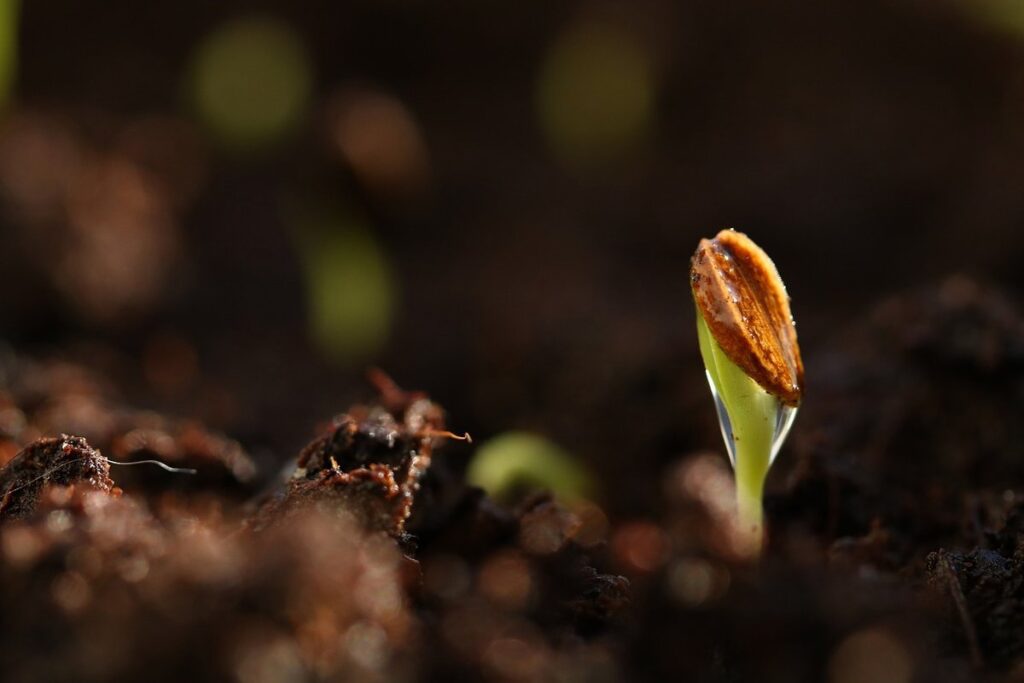
Understanding the Importance of Bottom Heat
Bottom heat plays a crucial role in seed germination, and understanding its importance can make all the difference between success and failure. In this next part, we’ll explore why it’s essential for healthy germination.
What is Bottom Heat and How Does it Help Seeds?
When it comes to seed germination, providing the right environment is crucial for successful growth. One method that has gained popularity among gardeners is bottom heat, which refers to the process of using a heat source to warm the soil from underneath. This technique is designed to promote optimal seed germination by mimicking the natural conditions found in the wild.
By warming the soil from below, you’re essentially tricking the seeds into thinking it’s springtime and breaking dormancy more quickly. Think of it like giving your seeds a gentle wake-up call. This method has been shown to improve seed germination rates by up to 20% compared to traditional methods. To incorporate bottom heat into your seed starting routine, you can use a heating mat or a warm propagation tray specifically designed for this purpose.
When choosing a heat source, consider the type of seeds you’re working with and the desired temperature range. For example, tomato seeds typically require a warmer environment than lettuce seeds. By getting it right, you’ll be giving your seeds the best possible chance to thrive.
The Science Behind Seed Germination and Temperature
When seeds are planted, they undergo a complex process called germination. This phase is crucial for seedling development and establishment. However, environmental factors like temperature, moisture, and light can significantly impact the outcome.
Temperature plays a pivotal role in seed germination. Most plant species have optimal temperature ranges for germination, typically between 65°F (18°C) and 75°F (24°C). When seeds are exposed to temperatures above or below this range, their germination rate decreases significantly. For instance, tomato seeds struggle to germinate when the soil temperature drops below 55°F (13°C), while lettuce seeds won’t germinate at all in temperatures exceeding 85°F (29°C).
Bottom heat helps simulate these ideal temperatures for various plant species. It’s particularly beneficial for plants that prefer warmer or cooler temperatures than what’s available in their environment. By using a heating mat, you can provide the necessary warmth for your seeds to germinate consistently and efficiently, regardless of external conditions.
By replicating optimal temperature ranges through bottom heat, gardeners can ensure consistent seed germination rates across different plant species and environments. This is especially useful for starting seeds indoors or in areas with limited control over environmental factors.
Choosing the Right Heat Source for Your Seeds
When it comes to bottom heat, selecting the right heat source can make all the difference in successful seed germination. Let’s explore your options for providing warm temperatures to your seeds.
Electric Heat Mats vs. Hot Water Baths: Pros and Cons
Electric heat mats have gained popularity among gardeners due to their ease of use and precise temperature control. These mats are specifically designed for bottom heat applications and can be easily placed under seed trays or propagation tables. They offer a convenient way to maintain consistent temperatures, typically between 20-30°C (68-86°F), which is ideal for most seed germination stages.
However, hot water baths present an alternative method that can be more cost-effective and energy-efficient. By circulating warm water through a bath, you can achieve similar temperature control without the need for specialized equipment. This approach also allows for easier adjustments to temperature levels as needed. When using hot water baths, it’s essential to monitor the temperature closely to prevent overheating or scalding of delicate seedlings.
Ultimately, both electric heat mats and hot water baths have their pros and cons. The choice between them depends on your specific needs, available space, and budget. Consider factors such as ease of use, cost, energy efficiency, and precision temperature control when deciding which method best suits your seed germination setup.
DIY Solutions for Bottom Heat: Repurposing Old Materials
If you’re on a tight budget or want to get creative with repurposing old materials, there are plenty of DIY solutions for bottom heat that can help. One way to create a thermostat-controlled setup is by using an old thermostat and connecting it to a heating source like a heating mat or a hot water bottle. This allows you to set the temperature exactly as needed for your seeds.
Another option is repurposing heating cables, often used in industrial settings, which can be safely adapted for plant use with some modifications. These cables provide gentle heat, perfect for maintaining an optimal temperature around your seedlings without burning them.
Some gardeners have even successfully utilized a toaster oven to provide bottom heat by placing it on its side and using a thermometer to monitor the temperature. This setup allows you to control the temperature precisely, making it ideal for sensitive seeds that require precise conditions to germinate.
Setting Up Your Bottom Heat System for Seed Germination
To get started with bottom heat, you’ll need to set up your system correctly, and this involves choosing the right temperature controller and ensuring proper thermostat placement.
Preparing the Soil and Containers for Bottom Heat
When it comes to using bottom heat for seed germination, preparing the soil and containers is a crucial step that often gets overlooked. To ensure optimal results, you’ll want to choose the right containers for your setup.
Opt for containers made from materials like polystyrene or foam, which retain heat well and won’t break the bank. These types of containers are also lightweight, making them easy to handle and move around. If you’re looking for a more durable option, consider using ceramic or clay pots – just be aware that they can be heavier and more expensive.
Next up is selecting the perfect seed starting blend. This specialized mix is designed specifically for seed germination and typically contains a combination of peat moss, vermiculite, and perlite. Look for blends that have been sterilized to prevent any potential diseases from affecting your seeds. A well-balanced mix will help retain moisture while also allowing excess water to drain away, reducing the risk of overwatering.
To ensure optimal drainage, create a small hole in the bottom of each container using a drill or a sharp object. This will allow excess water to escape and prevent it from accumulating inside the pot. By following these simple steps, you’ll be well on your way to creating an ideal environment for your seeds to germinate under the warmth of your bottom heat system.
Placing Seeds in the Perfect Environment
When placing seeds on top of the heat source, it’s crucial to strike the perfect balance between warmth and overheating. A temperature that’s too high can scorch delicate seedlings, while one that’s too low can hinder germination altogether.
To determine the ideal temperature range for your specific plant species, research its recommended temperature zone. For example, most vegetables like lettuce, tomatoes, and peppers thrive in temperatures between 70°F to 80°F (21°C to 27°C). On the other hand, seeds of tropical plants such as orchids and bromeliads typically require warmer temperatures around 85°F to 90°F (29°C to 32°C).
To maintain a consistent environment, use a thermometer to monitor temperature fluctuations. You can also experiment with different heat mat settings or use a separate heating element to create a thermal gradient. This will allow you to fine-tune the temperature and create an optimal microclimate for your seeds. By paying attention to these factors, you’ll be able to provide your seeds with the perfect environment to germinate and thrive.
Monitoring and Maintaining Your Bottom Heat System
Now that you’ve got your bottom heat system up and running, it’s essential to monitor its performance to ensure optimal seed germination and healthy plant growth. We’ll walk through the key steps for monitoring and maintaining your system effectively.
Using Thermometers and Hygrometers to Track Conditions
When using bottom heat for seed germination, it’s essential to monitor and control both temperature and humidity levels. To achieve this, you’ll need a few key tools: thermometers and hygrometers.
A thermometer is used to measure the air or soil temperature within your setup. You can choose between analog or digital thermometers; for precision, I recommend digital ones with high-accuracy sensors. For example, the ‘Inkbird Digital Thermometer’ features ±0.1°C accuracy, making it a great choice for monitoring temperatures.
A hygrometer measures humidity levels in the air. It’s crucial to maintain optimal humidity during seed germination, as both too low or too high levels can lead to poor germination rates. I recommend using a digital hygrometer with remote sensors for continuous readings.
To track conditions effectively, place thermometers and hygrometers at different points within your setup. This will provide an accurate reading of the temperature and humidity across various areas. You’ll also need to ensure that these devices are placed away from heating elements or any other sources of disturbance. Regularly check and record the readings to make adjustments as necessary, ensuring optimal conditions for seed germination.
Troubleshooting Common Issues with Bottom Heat Systems
When using bottom heat for seed germination, it’s not uncommon to encounter common issues like overheating, drying out, or inconsistent temperatures. These problems can be detrimental to seed growth and development.
Overheating is one of the most common issues that can arise when using bottom heat. This occurs when the temperature in your growing area exceeds 90°F (32°C), causing the seeds to cook rather than germinate. To prevent overheating, ensure that your thermometer is accurate and adjust your heating mat or heat source accordingly. A general rule of thumb is to maintain a temperature range between 70-85°F (21-29°C) for most seed types.
Drying out can also be a significant issue if the growing medium becomes too dry due to bottom heat. Monitor the moisture levels in your growing area and adjust your watering schedule as needed. Check the soil daily, and water only when the top inch of soil feels dry to the touch. This will help maintain optimal moisture levels for seed germination.
Inconsistent temperatures can also impact seed growth. If you’re using a heating mat or heat source, ensure that it’s set to a consistent temperature and not fluctuating between different settings. Regularly check your thermometer to guarantee accurate readings.
Advanced Techniques for Optimizing Bottom Heat Performance
Now that you’ve mastered the basics of bottom heat, let’s dive into advanced techniques to take your seed germination to the next level by fine-tuning your temperature control and more.
Using Grow Lights in Combination with Bottom Heat
Combining grow lights with bottom heat creates an optimal environment for seed germination. This synergy allows you to control both temperature and light, giving you unparalleled flexibility over the germination process.
When using grow lights alongside bottom heat, it’s essential to consider the spectrum of light emitted by your grow lights. Different spectrums have varying effects on seed germination. For instance, blue light can promote root growth, while red light encourages stem elongation and leaf development. By adjusting the light spectrum according to your needs, you can create an ideal environment for your seeds.
In practical terms, you’ll want to position your grow lights so that they’re 6-12 inches above your seed trays. This will provide sufficient light without overheating the seeds. When pairing bottom heat with grow lights, it’s crucial to monitor temperature closely, as excessive heat can damage or kill sensitive seedlings. By striking the right balance between heat and light, you’ll be well on your way to achieving optimal seed germination rates.
Experimenting with Different Seed Types and Varieties
When experimenting with bottom heat for sensitive seed species or those requiring specific temperature ranges, it’s essential to consider the unique needs of each variety. Some seeds, like peas and beans, thrive in temperatures between 65-75°F (18-24°C), while others, such as tomatoes and peppers, require warmer temperatures around 80-90°F (27-32°C).
You can use a thermometer to monitor temperature fluctuations and adjust the bottom heat accordingly. For example, if you’re starting lettuce seeds indoors, a temperature range of 70-75°F (21-24°C) will promote healthy germination. On the other hand, seeds like basil and mint require warmer temperatures around 80°F (27°C).
To experiment with different seed types and varieties, start by researching their specific temperature requirements. You can also consult online resources or reach out to local nurseries for guidance. By understanding the unique needs of each variety, you’ll be able to tailor your bottom heat setup to optimize germination rates and promote healthy growth. This flexibility will allow you to experiment with a wide range of seeds and develop a more effective strategy for seed starting.
Troubleshooting Common Mistakes When Using Bottom Heat
We’ve all been there: wondering why our seeds aren’t germinating as expected, only to realize a simple mistake is the culprit. This section will help you identify and avoid common pitfalls when using bottom heat for seed germination.
Overheating: Causes, Consequences, and Solutions
When using bottom heat for seed germination, overheating is a common mistake that can be detrimental to your plants. It’s essential to understand what causes overheating and its consequences on seedlings.
Overheating occurs when the temperature exceeds the optimal range for seed germination, usually above 85°F (30°C). This can happen due to incorrect thermostat settings, insufficient air circulation, or excessive heat from the heating mat itself. As a result, seedlings may become stunted, develop brown or yellow leaves, and even die.
To avoid overheating, it’s crucial to monitor your setup regularly. Check the temperature using a thermometer and ensure that the heating mat is not touching the seeds directly. Maintain good air circulation by placing the container on a tray or using a fan to circulate the air. You can also reduce the thermostat setting by 1-2°F (0.5-1°C) to provide a more stable environment for seed germination.
By being mindful of these factors, you can create an optimal environment for seedlings to thrive and avoid the consequences of overheating.
Under-Heating: Signs, Symptoms, and Fixes
When using bottom heat for seed germination, it’s possible to fall into the trap of under-heating. This can be just as detrimental to seeds as over-heating, so it’s essential to recognize the signs and make necessary adjustments.
If you notice that your seeds are taking longer than usual to sprout or are showing weak growth, it may be a sign of under-heating. Check the temperature setting on your heating mat or warm water bath – is it too low? Bottom heat should typically range between 70-80°F (21-27°C), depending on the type of seed.
Another sign of under-heating is inconsistent germination rates. If some seeds are sprouting while others remain dormant, it may indicate that the temperature is not consistent enough. To fix this issue, try increasing the temperature by a few degrees or ensuring that the heating source is evenly distributed around the tray or container. Additionally, check for any blockages or obstructions in the heat transfer system, which can prevent adequate warmth from reaching the seeds.
Best Practices for Maintaining a Healthy Seedling with Bottom Heat
To maximize the benefits of bottom heat, it’s essential to maintain optimal conditions and prevent over-temperature exposure that can harm your delicate seedlings. By following these best practices, you’ll ensure a strong start for your young plants.
Watering Strategies for Seeds on Bottom Heat
When it comes to watering seeds on bottom heat, it’s easy to fall into the trap of overwatering or underwatering. Seeds require a delicate balance of moisture to germinate and grow, especially when they’re receiving additional warmth from bottom heat.
To avoid these common mistakes, start by monitoring your seed tray’s humidity level. Most seedlings prefer a humid environment between 70-80%. You can achieve this by covering the tray with a clear plastic lid or using a cloche. This will help retain moisture and prevent the seeds from drying out.
As for watering itself, make sure to water your seeds gently but thoroughly when the top layer of the soil feels dry to the touch. Avoid getting water directly on the seeds themselves, as this can cause rot and other problems. Instead, water the surrounding area, allowing the soil to absorb the moisture.
A good rule of thumb is to water once a day for the first few days after sowing, then gradually reduce the frequency as the seeds germinate and grow. Remember, it’s better to err on the side of caution and underwater slightly than to risk overwatering your precious seedlings.
Providing Adequate Light and Air Circulation
When using bottom heat for seed germination, it’s easy to focus solely on the temperature and forget about two other crucial factors: light and air circulation. However, these often-overlooked elements play a vital role in maintaining healthy seedlings.
Proper lighting is essential for photosynthesis, which allows your seedling to grow strong and healthy. When using bottom heat, it’s not uncommon for seedlings to become leggy or weak due to inadequate light. To combat this, make sure to provide sufficient light, but be careful not to overdo it – most seedlings prefer indirect sunlight or 12-14 hours of supplemental lighting.
Air circulation is equally important, as stagnant air can lead to fungal diseases and pest infestations. Ensure good air movement around your seedling by placing the tray at least 6 inches away from any walls or obstructions. You can also increase air circulation by using a fan on low speed, but be cautious not to dry out the soil. By providing adequate light and maintaining good air circulation, you’ll give your seedlings the best chance to thrive under bottom heat conditions.
Frequently Asked Questions
Can I use bottom heat for all types of seeds, or are there any exceptions?
Yes, bottom heat can be beneficial for many seed types, but it’s essential to research the specific requirements of your chosen varieties. Some seeds, like those from tropical regions, may not require additional heat and might even be damaged by it. Research the optimal temperature range for your seeds before implementing a bottom heat system.
How do I prevent overheating with my DIY heating system?
Monitor the soil temperature regularly using a thermometer to ensure it stays within the optimal range (usually between 70°F and 90°F). Keep an eye out for signs of overheating, such as wilted or scorched seedlings. If you notice these symptoms, adjust your heating system’s settings or take the seeds away from the heat source.
Can I use a hot water bath in combination with grow lights for optimal results?
Yes, using a hot water bath in conjunction with grow lights can create an ideal environment for seed germination and growth. The gentle warmth from the water will promote root development, while the light will encourage healthy shoot growth. This setup is especially useful for sensitive seeds that require specific temperature and light conditions.
How do I maintain my bottom heat system to ensure consistent results?
Regularly clean your heating mats or water bath to prevent the buildup of debris and bacteria. Check the thermostat’s accuracy and calibrate it as needed to maintain a stable temperature. Also, make sure the soil is consistently moist but not waterlogged, as this can cause issues with seed germination.
Can I use bottom heat for seeds that have already been planted?
Yes, you can still benefit from using bottom heat even if your seeds have already been planted. However, be cautious when introducing heat to an existing setup, as it may cause temporary stress to the seedlings. Start by gradually increasing the temperature and monitor the plants’ response before adjusting the settings further.