
If you’re one of the many indoor plant enthusiasts who want to bring some lush greenery into your home, you’ve probably considered growing Boston ferns. Not only do these beautiful plants add a touch of tropical charm to any room, but they’re also relatively easy to care for – as long as you know what you’re doing! However, when it comes to indoor conditions, Boston ferns can be quite particular about their environment. They require the right balance of lighting, watering, and humidity to thrive, which is why it’s essential to get the basics right if you want your fern to stay happy and healthy. In this article, we’ll take a comprehensive look at Boston fern care indoors, covering topics such as lighting, watering, fertilization, pest control, and more – giving you all the expert advice you need to grow stunning Boston ferns in your own home.
Understanding Boston Ferns
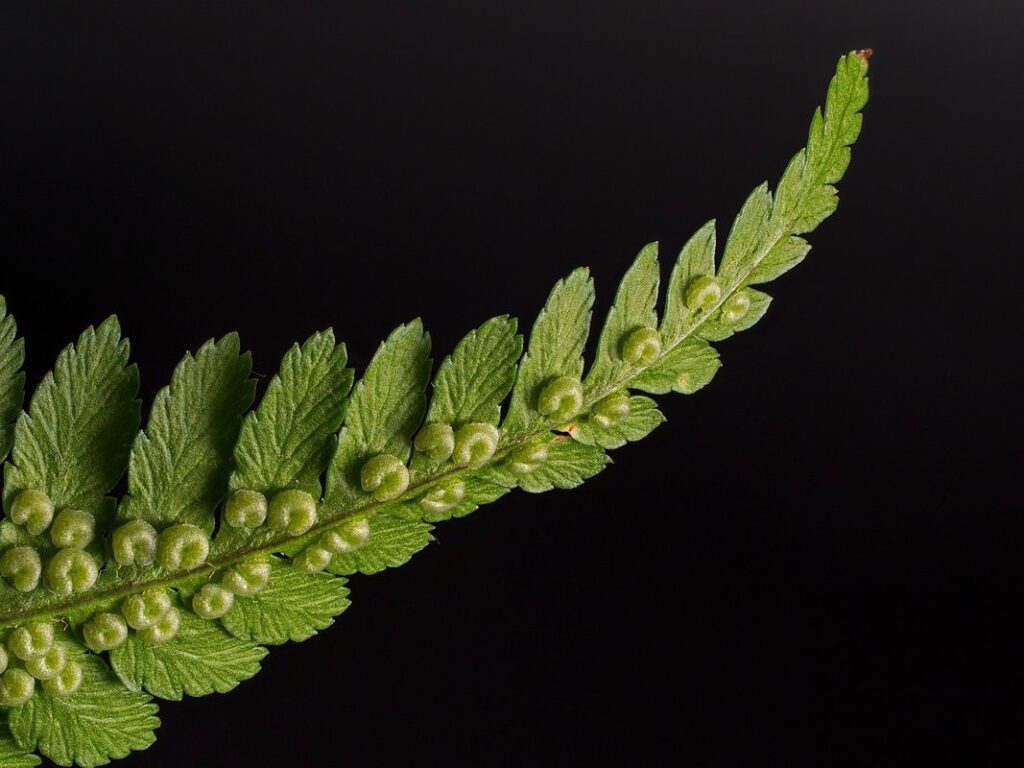
To truly bring out the best in your boston fern, it’s essential to understand its unique characteristics and needs, which can be quite different from other houseplants. Let’s start by delving into what makes boston ferns so special.
Characteristics and Benefits of Boston Ferns
Boston ferns are native to tropical regions of South America and Southeast Asia, where they thrive in humid environments. These plants have adapted to grow in a unique way, with long stems that can reach up to 3 feet tall and delicate fronds that spread out to create a lush canopy. One of the most distinctive characteristics of Boston ferns is their ability to survive in low-light conditions, making them an excellent choice for rooms with limited natural light.
But what really sets Boston ferns apart is their impressive list of benefits. Not only do they add a touch of tropical elegance to indoor spaces, but they also help purify the air by removing toxins and pollutants. Plus, their lush foliage can help mask unsightly walls or corners, creating a more inviting atmosphere. And did you know that Boston ferns are low-maintenance? They require minimal pruning and watering, making them an ideal choice for busy homeowners who want to bring some greenery into their lives without the hassle.
Choosing the Right Variety for Indoor Spaces
When it comes to choosing the right Boston fern variety for indoor spaces, you’ll be pleased to know that there are several options to suit different tastes and preferences. Two popular varieties suitable for indoor growing conditions are the Boston Tree Fern (Nephrolepis exaltata) and the Maidenhair Boston Fern (Nephrolepis exaltata ‘Bostoniensis’).
The Boston Tree Fern is a compact variety, ideal for smaller spaces or containers. It grows relatively slow compared to other varieties and can thrive in partial shade, making it perfect for rooms with limited natural light. On the other hand, the Maidenhair Boston Fern is known for its delicate fronds and elegant appearance. This variety prefers bright, indirect light and consistent moisture levels.
When selecting a Boston fern for your indoor space, consider factors such as light exposure, temperature fluctuations, and humidity levels. The Boston Tree Fern can tolerate dry air better than the Maidenhair variety, while the latter requires more frequent watering to maintain optimal health. By choosing the right variety for your indoor conditions, you’ll be able to enjoy the beauty of these lush plants in even the most challenging environments.
It’s worth noting that some nurseries may also offer hybrid varieties or cultivars specifically bred for container growing or low-light conditions. Researching and exploring different options will help you find the perfect Boston fern variety to suit your indoor space.
Lighting Requirements
To create a lush and thriving Boston fern, it’s essential that you provide it with the right amount of light. Let’s dive into the specific lighting requirements for your indoor Boston fern.
The Importance of Bright, Indirect Light
When it comes to providing Boston ferns with the right amount of light indoors, many people make the mistake of placing them directly in front of a sunny window. However, direct sunlight can be detrimental to these delicate plants, causing their fronds to become scorched and discolored.
To understand why bright, indirect light is essential for Boston ferns, it’s helpful to consider the plant’s natural environment. In the wild, Boston ferns typically grow in shaded areas near waterfalls or streams, where they receive filtered sunlight that’s gentle on their leaves. To replicate this condition indoors, look for locations with north- or east-facing windows, which provide soft, diffused light.
If you don’t have a suitable window location, consider using sheer curtains or blinds to filter the direct sunlight and prevent it from beating down on your fern. By placing your Boston fern in a spot with bright, indirect light, you’ll help maintain its vibrant green color and encourage healthy growth.
Types of Artificial Lighting Options
If you’re growing Boston ferns indoors and they lack natural light, don’t worry – there are alternative lighting options available that can provide them with the necessary illumination. One popular option is LED grow lights, which use less energy than traditional incandescent bulbs and can be tailored to specific wavelengths of light that Boston ferns prefer.
For example, blue LEDs promote healthy growth and foliage production, while red LEDs stimulate flowering and fruiting. When using LED grow lights, make sure to keep them at a safe distance from the plant – typically between 6-12 inches away – to prevent scorching or damage to the leaves.
Another option is fluorescent lighting, which provides a broad spectrum of light that’s suitable for Boston ferns. However, be aware that some types of fluorescent lights can produce excessive heat, so it’s essential to keep them at a safe distance from the plant and ensure good air circulation around it.
When using artificial lighting options, it’s crucial to monitor your Boston fern’s response closely and adjust as needed. You may need to experiment with different lighting schedules, intensities, or types of lights to find what works best for your plant.
Watering Techniques
When it comes to keeping your Boston fern thriving indoors, proper watering techniques are essential. Here, we’ll dive into some expert tips for hydrating your plant just right.
The Importance of Consistent Moisture Levels
Maintaining consistent moisture levels is crucial for the health and longevity of your Boston fern. When the soil is too dry for an extended period, it can cause the roots to become stressed, making them more susceptible to root rot. This condition occurs when the roots are unable to absorb water, causing the roots to decay. To prevent this, ensure you’re watering your fern regularly.
Check the top inch of the potting mix daily by inserting your finger into the soil or using a moisture meter. If the soil feels dry, it’s time to water. Water thoroughly until excess moisture drains from the pot. Overwatering can be just as detrimental as underwatering, so make sure not to overdo it.
A general rule of thumb is to water Boston ferns once a week during spring and summer when they’re actively growing. During the fall and winter months when growth slows down, you can reduce watering frequency to every 10-14 days. Adjust this schedule based on your indoor environment’s humidity levels and temperature.
Avoiding Overwatering and Underwatering
One of the most common mistakes indoor Boston fern enthusiasts make is getting the watering just right. Overwatering and underwatering can be detrimental to your plant’s health, causing more harm than good. To avoid these pitfalls, it’s essential to monitor your fern’s signs.
Droopy fronds are often a sign that your fern needs more water, while yellowing leaves usually indicate overwatering. On the other hand, dry, crispy foliage is typically a result of underwatering. Be cautious not to misinterpret these symptoms, as they can be misleading at times.
To identify the issue, check for excess moisture in the pot or around the roots. If it’s soggy and waterlogged, you’re likely overwatering your fern. Conversely, if the soil feels dry and crumbly, underwatering might be the problem. Adjust your watering schedule accordingly.
Pay attention to your fern’s environment as well. Boston ferns prefer high humidity, so if your home is particularly dry, you may need to water more frequently. However, if you’re already misting regularly, be mindful not to overdo it.
Keep in mind that young plants require more frequent watering than mature ones. Adjust the frequency of your watering based on your plant’s age and its specific needs. By observing your fern’s signs and making adjustments accordingly, you can provide the perfect balance for a thriving Boston fern.
Humidity and Temperature Control
To keep your Boston fern happy indoors, you’ll need to provide it with a consistent environment that balances humidity and temperature levels. In this next crucial step, we’ll cover the ideal ranges for both.
Maintaining Optimal Humidity Levels
Boston ferns thrive in humid environments, and to replicate their natural habitat indoors, it’s essential to maintain optimal humidity levels. These plants prefer a relative humidity of 50-70%, which is typically higher than the average indoor environment. To create a humid microclimate for your Boston fern, consider using a humidifier. These devices release mist into the air, helping to maintain a consistent level of moisture.
Another way to increase humidity around your plant is by grouping plants together. This can create a mini-greenhouse effect, where the plants work together to retain moisture in the air. Simply placing multiple pots on a tray or near each other can have a significant impact on humidity levels. Just be sure not to overcrowd the area, as this can lead to stagnant air and reduced growth.
Remember to monitor your plant’s response to the humid environment, making adjustments as needed. Some plants may require more frequent watering due to increased humidity, while others may benefit from reduced watering schedules. With a little experimentation, you’ll find the perfect balance for your Boston fern’s needs.
The Impact of Temperature Fluctuations on Boston Ferns
Sudden temperature fluctuations can be quite stressful for Boston ferns, leading to issues like leaf drop and reduced growth. When the temperature dips below 65°F (18°C) or spikes above 75°F (24°C), the plant’s ability to thrive is compromised. This is because Boston ferns are adapted to grow in tropical environments where temperatures remain relatively stable.
To mitigate this risk, it’s essential to maintain a consistent room temperature between 65-75°F (18-24°C). This range allows the plant to photosynthesize efficiently and promotes healthy growth. To give you a better idea of what works, consider keeping your Boston fern near an east- or west-facing window during winter months. Avoid placing it directly in front of a radiator or heater as this can cause the temperature around the plant to fluctuate wildly.
Monitor the temperature in your home using a thermometer and adjust its placement accordingly. By doing so, you’ll be able to create a stable environment that allows your Boston fern to grow strong and healthy.
Fertilization and Pruning
To keep your Boston fern thriving, it’s essential to understand how to properly fertilize and prune your plant. Here are some key tips for these crucial care steps.
Nutrient Requirements for Healthy Growth
For Boston ferns to thrive indoors, they require a balanced diet of essential nutrients. These plants are heavy feeders and need regular fertilization to stay healthy and maintain their lush green fronds. One of the most critical nutrients for Boston fern growth is nitrogen (N). This macronutrient promotes leaf development, root growth, and overall plant health. Iron (Fe) is another essential micronutrient that helps convert sunlight into energy for the plant.
Magnesium (Mg) is also vital for Boston ferns as it plays a crucial role in photosynthesis and cell wall formation. A lack of magnesium can cause yellowing leaves, stunted growth, and reduced fertility. To meet these nutrient requirements, use balanced fertilizers specifically formulated for ferns. These products usually contain a mix of nitrogen, phosphorus (P), potassium (K), iron, and magnesium. Look for water-soluble or liquid fertilizers that are easy to apply and won’t burn your plant’s roots.
When choosing a fertilizer for your Boston fern, opt for a product with a balanced NPK ratio (e.g., 20-20-20). You can also consider using an iron-rich fertilizer if you notice any yellowing leaves on your plant. Always follow the instructions on the label and start with half-strength applications to prevent over-fertilization.
Techniques for Pruning Boston Ferns
Pruning Boston ferns is an essential task to maintain their shape and promote healthy growth. When done correctly, pruning can help control the plant’s size, encourage new frond production, and prevent pest infestations. To prune your Boston fern, start by examining the plant’s stems and removing any dead or damaged fronds. Cut back leggy stems by pinching or cutting them just above a node, allowing the plant to redirect its energy towards producing new growth.
When cutting, use clean and sharp pruning tools to prevent spreading diseases. Remove any brown or yellowed fronds, as these can attract pests and cause further damage. To maintain your Boston fern’s shape, prune off any stray stems or tips that are growing outside of the pot. For example, if your fern is grown in a hanging basket, prune back any stems that are touching the sides to prevent damage and encourage new growth towards the center.
By pruning your Boston fern regularly, you’ll be able to enjoy its lush green foliage and maintain its overall health. Remember to disinfect your pruning tools after each use and wash your hands before handling the plant. With a little practice, you’ll become an expert at pruning your Boston ferns in no time!
Pest Control and Disease Prevention
To keep your Boston fern thriving, it’s crucial to protect it from pests that can cause damage and spread disease, which we’ll cover next. Regular inspections and preventative measures are key to maintaining a healthy plant.
Common Pests Affecting Boston Ferns
When it comes to indoor Boston fern care, one of the most common challenges you may face is pest infestations. These tiny creatures can quickly multiply and cause significant damage to your beloved plant. The good news is that there are some common pests that tend to affect Boston ferns more than others.
Some of the most common pests you might encounter include spider mites, mealybugs, and scale. Spider mites are tiny, spider-like insects that spin fine webs on the underside of leaves, causing a silvery appearance. Mealybugs, on the other hand, appear as white, cottony patches on stems and leaves. Scale is a bit more challenging to spot, but you’ll typically see small, rounded bumps on the plant’s surfaces.
To identify these pests, inspect your Boston fern regularly for any unusual growths or discoloration. Use a magnifying glass if needed. Once you’ve spotted the problem, try using organic pest control methods such as neem oil or insecticidal soap to manage the infestation. For example, mix neem oil with water according to the label instructions and spray it directly on the affected areas. Be sure to test a small area first to ensure the solution doesn’t damage your plant’s leaves.
Preventing Fungal Diseases in Boston Ferns
Fungal diseases like root rot and leaf spot are common threats to Boston ferns indoors, often caused by overwatering or poor air circulation. When the soil is consistently saturated, it creates an ideal environment for fungi to thrive, leading to root decay and ultimately, plant death.
To prevent these diseases, focus on good cultural practices such as ensuring adequate drainage and air circulation around your Boston fern. Make sure the pot has holes in the bottom to allow excess water to escape, and keep the plant at least 6-8 inches away from any walls or other objects that may hinder airflow.
Regular inspection of the plant’s health is also crucial. Check for yellowing leaves, soft stems, or a sour smell emanating from the soil – all signs of potential fungal issues. By being mindful of your Boston fern’s needs and monitoring its health regularly, you can catch any problems early on and take corrective action before they escalate into full-blown diseases.
Conclusion: Growing Happy, Healthy Boston Ferns Indoors
Now that you’ve mastered the art of caring for your Boston fern indoors, it’s time to reap the rewards. With consistent humidity and proper lighting, these beautiful plants can thrive in even the most challenging environments. Don’t be afraid to get creative with their placement – a bathroom or kitchen is perfect for adding some greenery to a room that often needs it. Just remember to keep an eye on temperature fluctuations and adjust your care routine accordingly.
To ensure your fern stays happy and healthy, make sure to inspect its fronds regularly. Remove any dead or dying leaves to prevent the spread of disease, and trim back overgrown stems to encourage new growth. With a little patience and TLC, your Boston fern will become a stunning addition to any room, purifying the air and bringing in a touch of tropical flair. By following these simple tips, you’ll be well on your way to becoming a seasoned Boston fern expert.
Frequently Asked Questions
Can I grow Boston ferns in a space with low humidity?
Yes, while Boston ferns prefer high humidity levels, you can still grow them in spaces with lower humidity by increasing the frequency of watering and misting the leaves regularly to maintain optimal moisture levels. However, it’s essential to keep an eye on your fern’s condition, as prolonged exposure to dry air may lead to health issues.
How often should I fertilize my Boston ferns indoors?
Fertilizing your Boston ferns is crucial for maintaining healthy growth and vibrant foliage. Feed your fern with a balanced fertilizer (20-20-20) every 2-3 weeks during the growing season (spring-fall), but reduce frequency to once a month in winter when the plant is dormant.
What’s the best way to repot my Boston fern?
Repotting your Boston fern should be done carefully to avoid damaging the roots. Choose a pot that is only one size larger than the original, and gently remove the plant from its container, taking care not to disturb the roots. Gently spread the roots outwards, then refill with fresh potting mix, making sure the crown (where the leaves meet the stem) sits just above the soil level.
Can I expose my Boston ferns to direct sunlight for extended periods?
No, while Boston ferns require bright, indirect light to thrive, exposure to direct sunlight can cause damage and discoloration of the fronds. If you must place your fern near a sunny window, use a sheer curtain or shade cloth to filter the intense rays.
What are some common pests I should look out for when caring for my Boston ferns?
Some common pests that affect Boston ferns include spider mites, mealybugs, and scale insects. Regularly inspect your plant’s leaves and stems for signs of infestation, such as yellowing or stippled leaves, sticky substance on the leaves, or actual pests visible to the naked eye. If you suspect an issue, treat with insecticidal soap or neem oil according to product instructions.