
If you’re anything like me, you love nothing more than adding fresh rosemary to your cooking, but have struggled with its limited hardiness in colder climates. Growing rosemary can be a challenge, especially if you live in an area with frosty winters or experience unpredictable temperature fluctuations. But what if I told you there’s a way to breed and cultivate rosemary that thrives even in the chilliest of temperatures? By understanding how to enhance its cold tolerance through breeding, environmental conditioning, and protective measures, you can enjoy bountiful harvests of this fragrant herb year-round. In this article, we’ll delve into the secrets of cultivating resilient rosemary varieties, so you can grow this versatile herb with confidence in even the coldest conditions.
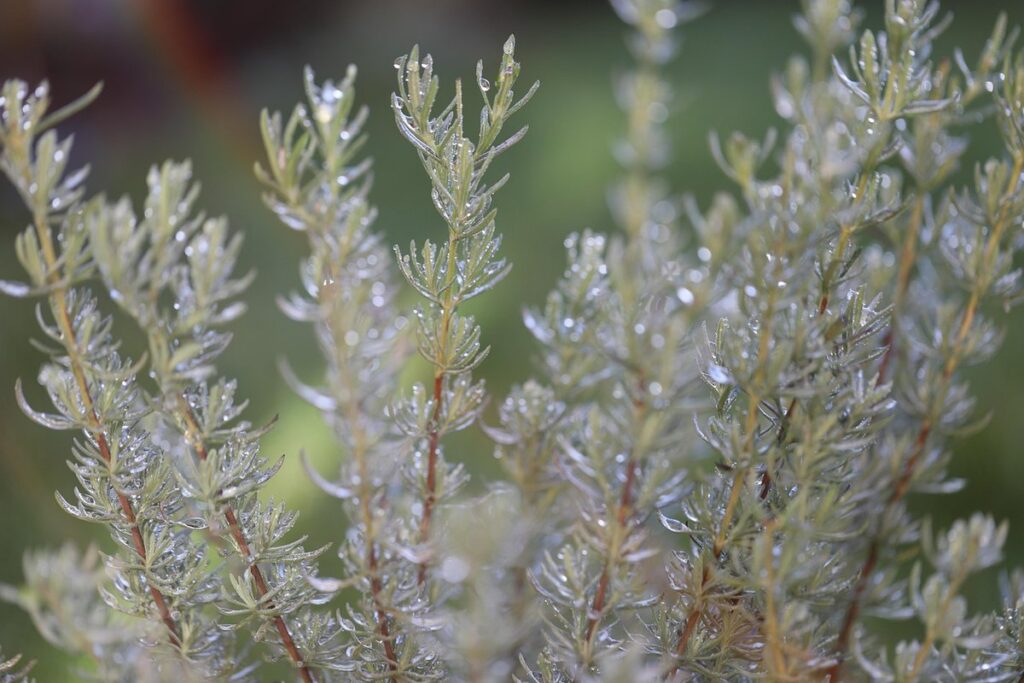
The Importance of Cold Tolerance in Rosemary
Let’s talk about why cold tolerance matters for rosemary growers, and how understanding it can help you keep your plants thriving even through harsh winters.
Native Habitats and Climate Zones for Rosemary
Rosemary is native to the Mediterranean region, where it thrives in areas with mild winters and dry summers. This characteristic climate has shaped rosemary’s adaptability to cooler temperatures. The coastal regions of Spain, France, Italy, and Greece are among its most natural habitats.
The Mediterranean climate features mild, wet winters and warm, dry summers, which allows rosemary to grow year-round without facing extreme cold or heat. As a result, this hardiness has led to the plant’s ability to withstand moderate frosts and light snow cover. In fact, some species of rosemary have been known to survive temperatures as low as 25°F (-4°C) for short periods.
When growing rosemary in cooler climates, it’s essential to replicate these natural conditions by providing protection from extreme cold snaps. Mulching the soil around your rosemary plant can help retain moisture and regulate soil temperature. Additionally, pruning back your rosemary in late fall or early winter will encourage new growth that is better equipped to handle winter stress. By mimicking the Mediterranean climate, you can enhance your rosemary’s natural cold tolerance and ensure it remains healthy and thriving even in cooler temperatures.
Traditional Uses and Associations with Winter Crops
Rosemary has been a staple herb in many cultures for centuries, particularly during winter months when other fresh herbs are scarce. In ancient Greece and Rome, rosemary was used not only as a culinary herb but also for its medicinal properties, such as relieving digestive issues and improving memory. This multifaceted use of rosemary has led to its association with winter crops like kale, spinach, and cabbage, which were often preserved through the cold months using rosemary’s antiseptic and preservative qualities.
In many Mediterranean countries, rosemary is a key ingredient in hearty winter stews and soups, where it pairs well with winter vegetables like carrots and parsnips. The cultural context of rosemary as a hardy, winter-blooming herb has influenced its reputation as a resilient plant that can thrive in cold climates. In fact, many rosemary varieties are grown specifically for their ability to tolerate frost and freezing temperatures, making them an excellent choice for gardeners who want to extend the harvest season.
As you plan your rosemary cultivation, consider how this historical use of rosemary might inform your growing practices. You can start by choosing a cold-tolerant variety, such as ‘Tuscan Blue’ or ‘Arp’, which will allow you to enjoy fresh rosemary even through the winter months. By understanding the cultural context and traditional uses of rosemary, you’ll be better equipped to enhance its hardiness and make the most of this versatile herb’s cold tolerance.
Understanding Rosemary’s Cold Tolerance Mechanisms
Rosemary’s ability to withstand cold temperatures is largely due to its unique physiological and biochemical adaptations, which we’ll dive into in more detail. Let’s explore how these mechanisms help rosemary thrive in chilly conditions.
Adaptation Strategies for Low Temperatures
When rosemary plants are exposed to cold temperatures, they undergo significant physiological changes that help them survive and even thrive in these conditions. One of the key adaptations is the adjustment of membrane fluidity. As temperatures drop, the cell membranes of rosemary plants become less fluid, which helps to reduce water loss through transpiration. This is achieved through changes in the lipid composition of the membranes, allowing them to remain more stable and functional even at low temperatures.
Another adaptation involves protein synthesis, where certain proteins are produced or modified to help protect the plant from cold damage. These proteins can act as ice nucleators, helping to prevent ice crystals from forming within the cells and causing damage. Additionally, cell wall modifications occur, making the cell walls more rigid and resistant to freezing. This helps to maintain cellular structure and prevent damage during cold exposure.
As a rosemary grower, understanding these adaptations can help you take steps to enhance your plant’s hardiness. By providing plants with optimal growing conditions, such as adequate light and water, you can promote healthy development and improve their ability to adapt to cold temperatures.
Hormone Signaling and Antioxidant Defense Systems
When faced with cold stress, rosemary’s hormone signaling pathways play a critical role in regulating its responses. Two key hormones involved are abscisic acid (ABA) and ethylene. ABA acts as an internal signal, triggering the closure of stomata to prevent water loss and conserve energy reserves. It also initiates the synthesis of protective compounds like proline and soluble sugars, which help protect cellular membranes from cold-induced damage.
Ethylene, on the other hand, promotes the production of antioxidants and stress-related proteins that mitigate oxidative damage caused by free radicals generated during cold exposure. The interplay between ABA and ethylene allows rosemary to adapt its physiological responses according to the severity and duration of cold stress.
To enhance rosemary’s antioxidant defense systems, gardeners can apply strategies like providing supplemental calcium and magnesium, which help maintain cellular membrane integrity and optimize enzymatic activity involved in oxidative detoxification. Regular pruning and fertilization practices also contribute to the plant’s resilience against oxidative damage by maintaining healthy tissue and promoting nutrient uptake.
Enhancing Cold Tolerance in Rosemary Cultivars
To help you get the best results, we’ll explore specific techniques for enhancing cold tolerance in your rosemary cultivars through careful selection and breeding. This section will cover some of the key strategies to consider.
Breeding and Selection Programs for Improved Hardiness
Breeding rosemary cultivars with enhanced cold tolerance is an ongoing effort to improve its hardiness. Researchers and growers are employing selective breeding techniques to identify and combine desirable traits from existing cultivars. This process involves selecting plants that exhibit increased cold tolerance, then cross-breeding them to pass on these traits to their offspring.
One notable example of this approach is the work done at the University of California, Davis. Scientists there have been selectively breeding rosemary for over a decade, focusing on traits such as cold hardiness and disease resistance. By leveraging genetic diversity within existing cultivars, they’ve created new lines with significantly improved tolerance to frost.
In addition to traditional selective breeding, some researchers are exploring genetic engineering techniques to introduce desirable traits directly into the plant’s genome. For example, scientists have successfully inserted genes from other plants that confer cold hardness, allowing them to study and isolate these traits in more detail.
Environmental Conditioning and Pre-Cold Treatments
When it comes to enhancing cold tolerance in rosemary cultivars, environmental conditioning plays a crucial role. By gradually exposing plants to cooler temperatures and wind, you can help them build resilience against sudden cold stress. This process is called acclimatization, and it’s essential for hardy perennial herbs like rosemary.
To condition your rosemary plants, start by reducing the temperature in their growing environment over a period of 7-10 days. You can also use wind exposure to simulate winter conditions. For example, you can place potted rosemary plants outdoors on a cold frame or under a frost blanket during mild winters.
Pre-cold treatments are another way to prepare your rosemary for harsh weather conditions. One effective method is to apply a dormant oil spray 1-2 weeks before the first frost. This helps induce dormancy, reducing oxidative damage and making your plant more resistant to freezing temperatures. Another option is to use a plant growth regulator like ethephon, which promotes dormancy and reduces transpiration.
By implementing these environmental conditioning techniques and pre-cold treatments, you can significantly enhance your rosemary’s cold tolerance and reduce the risk of winter kill. With consistent care and attention, even sensitive cultivars can develop impressive hardiness over time.
Managing Cold Stress in Rosemary Plants
To keep your rosemary plants healthy and thriving, it’s essential to manage cold stress effectively, which can lead to damage or even death if left unattended. This section provides tips for minimizing cold-related harm.
Monitoring and Predicting Weather Events
Monitoring local weather forecasts is crucial to prepare for potential cold snaps that can affect rosemary plants. Check online resources such as the National Weather Service (NWS) or local news channels for temperature forecasts and warnings. Set up alerts on your phone or computer to receive timely updates about impending cold fronts.
When it comes to predicting the impact of cold temperatures on rosemary, consider factors like temperature duration, timing, and intensity. For example, a short but intense cold snap might cause more damage than a longer period of milder temperatures. If you know a cold front is moving in, protect your rosemary plants by bringing potted ones indoors or covering them with a frost blanket.
Keep an eye on the minimum temperature forecasted for your area and take action accordingly. For instance, if it’s predicted to drop below 25°F (-4°C), bring your rosemary plants inside or provide extra protection. Regularly check the weather forecast, even during warmer periods, as unseasonal cold snaps can occur at any time. This proactive approach will help you safeguard your rosemary plants and prevent damage from extreme cold temperatures.
Protective Measures and Recovery Techniques
When winter’s chill begins to bite, it can be devastating for rosemary plants. However, there are steps you can take to mitigate damage and promote recovery. One of the simplest ways to protect your rosemary from cold stress is through mulching. A layer of organic mulch such as straw or wood chips can insulate the soil, keeping roots warm and preventing waterlogged soil conditions.
Pruning is another effective measure to minimize damage. Prune back damaged branches after a cold event, cutting them back to about one-third to encourage new growth. This will help direct energy towards healthy growth rather than supporting weak or dying tissue.
To aid in recovery, focus on proper water management and nutrient supplements. Avoid overwatering during the first few weeks following a cold event, as this can exacerbate root damage. Instead, allow the soil to dry slightly between waterings. Consider adding a balanced fertilizer or compost tea to provide essential nutrients for regrowth. By taking these measures, you can help your rosemary plants bounce back from winter’s chill and thrive in the warmer months ahead.
Growing and Propagating Cold-Tolerant Rosemary Varieties
If you’re looking to expand your rosemary collection, learn how to successfully grow and propagate cold-tolerant varieties that will thrive in even the chilliest of climates. We’ll walk you through each step of the process.
Choosing the Right Cultivars for Your Climate Zone
When choosing rosemary cultivars for your garden, it’s essential to select varieties that are adapted to your specific climate zone. Different regions have unique temperature and moisture profiles that can impact a plant’s ability to survive harsh winters.
In cooler climates, consider growing ‘Arp’ or ‘Miss Jessie’, which are both known for their exceptional cold tolerance. These varieties can thrive in zones 6-8, where temperatures can drop as low as -10°F (-23°C). For warmer regions, ‘Tuscan Blue’ and ‘Salem’ are excellent choices, tolerating temperatures up to 100°F (38°C).
When selecting a variety, consider your soil type, sun exposure, and moisture levels. For example, ‘Arp’ prefers well-draining soil and full sun, while ‘Miss Jessie’ can handle partial shade and more moisture-rich conditions. Be sure to research the specific needs of each cultivar to ensure a successful harvest.
Keep in mind that even cold-tolerant varieties will still require some protection during extreme weather events. Mulching or bringing plants under cover can help safeguard them from frost damage.
Propagation Methods for Encouraging Root Development
When it comes to propagating rosemary for optimal cold hardiness, promoting healthy root development is key. One of the most effective methods for encouraging robust roots is through stem cuttings. This involves cutting 4-6 inch sections from the tip of a mature stem, removing lower leaves, and planting them in well-draining soil. With proper care, these cuttings can develop a robust root system within a few weeks.
Another method, layering, allows you to propagate rosemary while it’s still attached to the mother plant. Bend a long stem down to the ground and secure it with a rock or U-shaped wire. After new roots form, snip the stem below the roots, leaving enough stem intact to support the new cutting.
Air-layering is yet another option that mimics layering but involves making an incision on the stem, allowing roots to develop in place without severing the connection to the mother plant. This method promotes healthy root development and minimizes transplant shock.
Conclusion: Cultivating Hardier Rosemary Plants
Now that you’ve learned how to boost your rosemary’s cold tolerance, let’s discuss the practical steps to cultivate even hardier plants and enjoy their benefits year-round.
Recap of Key Findings and Recommendations
As we conclude our exploration of cold tolerance in rosemary, let’s revisit the key findings and recommendations that will help you cultivate hardier rosemary varieties.
Rosemary plants are surprisingly resilient to frost, with some species able to survive temperatures as low as 10°F (-12°C). However, prolonged exposure to sub-zero temperatures can still cause damage. To develop more cold-tolerant rosemary, it’s essential to understand the genetic factors influencing its hardiness. Research has identified several genes that contribute to rosemary’s ability to withstand freezing conditions.
One of the primary takeaways from our discussion is the importance of slow and controlled acclimation to cold temperatures. This process allows rosemary plants to adapt gradually, reducing the risk of shock or damage. Gardeners can replicate this in their own greenhouses by gradually lowering night-time temperatures over a period of weeks. For example, starting with 10°F (-12°C) drops from a baseline temperature and then incrementally decreasing it every week will give your rosemary plants ample time to adjust.
To enhance cold tolerance in your rosemary varieties, consider incorporating breeding programs that prioritize genetic selection for hardiness. This might involve crossing species or using techniques like grafting to introduce desirable traits into new cultivars. By understanding the underlying mechanisms driving cold tolerance and applying this knowledge through strategic cultivation practices, you can produce more resilient rosemary plants capable of withstanding harsh winter conditions.
When selecting rosemary varieties for your garden or research endeavors, look for characteristics such as thick cuticles, compact growth habits, and dense foliage – these traits often correlate with improved cold hardiness. By combining genetic selection with effective acclimation techniques and careful handling, you’ll be well on your way to cultivating robust, frost-resistant rosemary that thrives even in the most challenging environments.
Frequently Asked Questions
Can I use cold-tolerant rosemary varieties immediately, or do they require special care?
Yes, using cold-tolerant rosemary varieties is a great starting point, but it’s essential to provide them with proper environmental conditioning before exposing them to harsh winter conditions. This includes acclimating the plants gradually to outdoor temperatures and ensuring optimal soil moisture levels.
How can I determine which specific rosemary cultivars are best suited for my climate zone?
Consult local nurseries or online plant databases that specialize in cold-tolerant rosemary varieties. Look for cultivar names that specifically mention “cold hardiness” or “winter tolerance.” Be sure to also check the USDA Hardiness Zone map to ensure you’re selecting a variety suitable for your region.
What are some common mistakes beginners make when trying to grow cold-tolerant rosemary, and how can I avoid them?
Common mistakes include inadequate environmental conditioning, poor soil preparation, and insufficient protective measures during extreme weather events. To avoid these pitfalls, research and understand the specific needs of cold-tolerant rosemary varieties, such as precise temperature and humidity requirements.
Can I propagate my own cold-tolerant rosemary cuttings from existing plants, or do I need to purchase seeds?
You can propagate your own cold-tolerant rosemary cuttings using stem sections from mature plants. This method is an efficient way to multiply your existing stock while preserving the genetic traits of the parent plant. To encourage rooting, use a rooting hormone and maintain optimal temperature and humidity levels.
How long does it typically take for cold-tolerant rosemary plants to adapt to their new environment after being transplanted or propagated?
The adaptation period can vary depending on factors such as climate, soil quality, and individual plant resilience. As a general guideline, expect your cold-tolerant rosemary plants to require at least 1-2 weeks of acclimation before showing optimal growth and performance in their new environment.