
If you’re thinking about planting a banana tree in your backyard or starting one from scratch, you might be wondering: just how fast do they grow? The answer can vary depending on several factors. But first, let’s set the record straight: with proper care and ideal growing conditions, a banana tree can reach its full height of around 15 feet in as little as two years. Of course, some varieties will grow faster than others – we’ll explore the popular ones later. In this article, we’ll delve into what affects growth rate, how to create the perfect environment for your banana tree, and highlight some top picks for rapid growth.
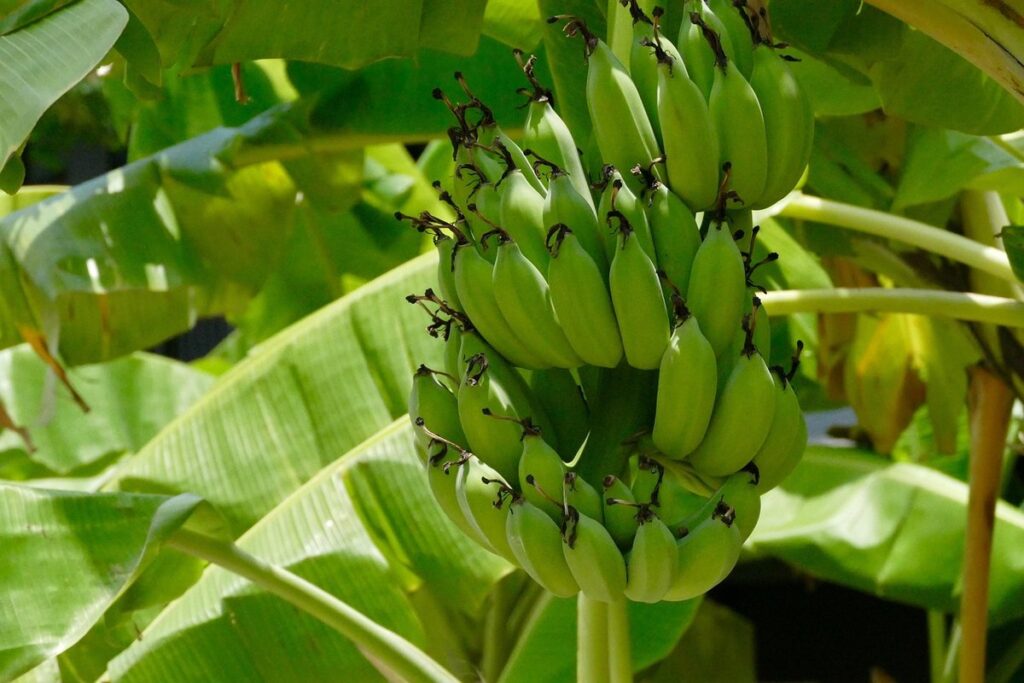
What to Expect from Banana Tree Growth
If you’re new to growing banana trees, understanding their growth pattern is key to getting the most out of your harvest. In this next part, we’ll break down what to expect from their development over time.
The Basics of Banana Plant Growth
When it comes to banana tree growth, understanding the basics is essential for cultivating healthy and thriving plants. Banana trees belong to the Musa genus, which comprises over 70 different species and numerous hybrids. The most common varieties are ‘Dwarf Cavendish’ and ‘Grand Nain’, both of which are widely cultivated due to their high yields and compact growth habits.
Climate plays a significant role in banana tree growth, with ideal temperatures ranging from 75°F to 85°F (24°C to 30°C). Banana plants require high humidity, typically above 60%, and adequate moisture. Well-draining soil rich in organic matter is also crucial for healthy root development.
In regions with mild winters, banana trees can grow year-round, producing multiple harvests per year. However, in areas with cold winters, the plants will go dormant during winter months, requiring protection from frost damage. Understanding these basic growth requirements allows gardeners to optimize growing conditions and maximize yields. By choosing the right variety for their climate and providing optimal care, gardeners can enjoy a bountiful harvest of fresh bananas.
Factors Affecting Growth Rate
The growth rate of banana trees is significantly influenced by a combination of environmental and genetic factors. One of the most critical elements is soil quality. Banana trees thrive in well-draining, fertile soils rich in organic matter. Nutrient-poor or waterlogged soils can stunt their growth, while nutrient-rich soil with adequate drainage can promote healthy development.
Water availability also plays a crucial role in banana tree growth. Consistent moisture, especially during the fruiting stage, is essential for optimal growth and productivity. However, overwatering can lead to root rot and stunted growth. Aim for about 1-2 inches of water per week, either through rainfall or irrigation.
Sunlight exposure is another vital factor in banana tree growth. Banana trees require full sun to partial shade, depending on the variety. A minimum of 6 hours of direct sunlight per day is recommended for optimal growth and fruit production. Regular pruning can also help control the height of the tree and encourage a balanced canopy structure.
Pest and disease management are essential factors in maintaining healthy banana trees and preventing stunted growth. Regular monitoring and prompt action to address any issues can prevent significant damage and promote a vigorous growth rate.
Growing Conditions for Optimal Growth
To grow bananas quickly and healthily, it’s essential to understand the specific conditions that banana trees require. Let’s take a closer look at what makes an ideal growing environment for your banana tree.
Temperature Requirements
Temperature has a significant impact on banana tree growth, and understanding its effects is crucial for optimal cultivation. In tropical regions where bananas are native, temperatures typically range from 75°F to 85°F (24°C to 30°C), which allows the trees to grow rapidly.
However, if the temperature drops below 55°F (13°C) or rises above 95°F (35°C), growth is significantly impeded. Prolonged exposure to extreme temperatures can cause damage to leaves and fruit, ultimately affecting yields.
To give you a better idea of temperature’s influence on banana tree growth, consider the following examples: In Hawaii, where temperatures range from 60°F to 85°F (16°C to 30°C), banana trees grow rapidly, producing multiple crops per year. In contrast, in areas with colder winters, such as parts of California, banana trees are typically grown in greenhouses or containers to maintain a more stable temperature.
When growing banana trees outdoors, ensure they receive full sun and protection from frost. For indoor cultivation, use heating mats or maintain a consistent temperature between 65°F to 75°F (18°C to 24°C) to mimic optimal growth conditions.
Watering Strategies
Proper watering is essential for banana trees to grow at their optimal rate. When it comes to irrigation methods, a drip irrigation system is an excellent choice for banana trees. This type of system delivers water directly to the roots, reducing evaporation and runoff. Not only does this method conserve water, but it also helps prevent fungal diseases that thrive in moist environments.
When watering your banana tree, make sure not to overdo it. Overwatering can lead to root rot, a common issue with banana trees. A good rule of thumb is to water when the top 2-3 inches of soil feels dry to the touch. This may need to be done daily during hot summer months and less frequently in cooler periods.
To avoid overwatering, check the soil moisture by inserting your finger into the soil up to the knuckle. If the soil feels dry, it’s time for a drink. Also, ensure good air circulation around the tree to promote healthy growth and prevent fungal diseases. By following these watering strategies, you’ll be well on your way to supporting your banana tree’s rapid growth.
Measuring Growth Rate
To accurately measure a banana tree’s growth rate, you’ll need to understand how tall it grows each year and consider factors like climate and care. This is where growth charts and calculations come in handy.
Methods for Tracking Progress
To accurately track the growth rate of your banana tree, it’s essential to employ various methods beyond just visual observation. Measuring height is a straightforward method, but it can be time-consuming, especially if you have multiple trees. To simplify this process, use a measuring tape or a gardening app that allows you to record and track height measurements over time.
In addition to height, trunk circumference is another important metric for assessing growth rate. Measure the circumference of your banana tree’s trunk at regular intervals (e.g., every 3-6 months) using a flexible tape measure or a caliper. This will give you an accurate picture of how quickly your tree is producing new wood.
Leaf growth is also a vital indicator of a banana tree’s health and productivity. Monitor the number of leaves produced each month, as well as their size and color. Keep in mind that young trees may experience more rapid leaf growth than mature ones. By tracking these metrics simultaneously, you’ll get a comprehensive understanding of your banana tree’s growth rate.
What to Expect at Different Stages
As you nurture your banana tree from seed to maturity, it’s essential to understand what to expect at each growth stage. This will help you provide the right care and conditions for optimal growth.
At the seedling stage (1-3 months), your banana tree will emerge as a small, fragile plant with two leaves. It may take some time for the roots to establish themselves in the soil, but be patient – this is a crucial phase in the tree’s development. Water thoroughly, and ensure good air circulation around the plant.
As it transitions to the sapling stage (6-12 months), your banana tree will start producing more leaves and growing taller. This is an excellent time to repot your tree into a larger container or directly into the ground. Fertilize regularly, but avoid overfertilizing, which can cause damage to young roots.
At maturity (2-3 years), your banana tree should reach its full height of around 15-20 feet and produce robust leaves with colorful flowers and eventually fruit. Continue to provide adequate care, including regular pruning and fertilization, to ensure a bountiful harvest. With proper attention, you can enjoy delicious bananas for years to come.
Common Obstacles to Growth
As you start planning for a bountiful banana harvest, it’s essential to consider some common obstacles that might hinder your tree’s growth. Let’s take a closer look at these challenges and how to overcome them.
Pests and Diseases
Banana trees are susceptible to various pests and diseases that can significantly impact their growth rate. One of the most common issues is nematodes, microscopic worms that feed on plant roots, causing stunted growth and reduced yields. To prevent nematode infestations, ensure good soil drainage and use resistant cultivars.
Another significant pest concern is the banana weevil beetle, which can cause extensive damage to fruit and leaves. Regularly inspect your trees for signs of infestation, such as small holes in leaves or fruit, and consider using integrated pest management (IPM) techniques, like introducing beneficial insects that prey on the beetles.
As for diseases, Panama disease is a major threat, caused by a fungal infection that can spread rapidly through contaminated soil. Preventative measures include maintaining good sanitation practices, removing infected plants, and applying fungicides according to label instructions. Regularly inspect your trees and take prompt action if you notice any signs of disease.
Nutrient Deficiencies
Proper nutrient management is crucial for optimal growth and development of banana trees. Just like humans, plants require essential nutrients to grow strong and healthy, and bananas are no exception. If the soil lacks these nutrients, it can hinder the tree’s ability to grow rapidly.
When it comes to fertilization, it’s essential to test your soil first. Soil testing will help you determine which nutrients your banana tree is lacking. You can purchase a DIY kit or send a sample to a lab for analysis. The results will provide guidance on what types of fertilizer to use and how often to apply them.
Overfertilization is a common mistake many gardeners make, but it can do more harm than good. Too much nitrogen can cause an imbalance in the soil, making it difficult for your banana tree to absorb other necessary nutrients. Start with a balanced fertilizer that contains equal amounts of nitrogen, phosphorus, and potassium (NPK). Begin with a small amount and gradually increase as needed.
Keep in mind that different types of fertilizers cater to specific needs. For example, fruit trees like bananas require more potassium for healthy fruit growth.
Maximizing Growth Potential
To maximize growth potential, you’ll want to know the ideal conditions and care for your banana tree, which will help it grow as tall and strong as possible. Let’s dive into these crucial factors next.
Tips for Improving Soil Quality
When it comes to growing banana trees, you know that healthy soil is essential for optimal growth. However, many gardeners struggle with achieving good soil quality, especially when it comes to these tropical plants.
To improve the quality of your soil and give your banana tree the best chance at growing fast, start by incorporating compost into your routine. You can make your own compost using kitchen scraps, leaves, and other organic materials, or purchase a bagged version from your local nursery. Aim for 1-2 inches of compost to be mixed into the top 6-8 inches of soil.
Another natural amendment you can use is fish emulsion, which provides essential nutrients like nitrogen, phosphorus, and potassium. Follow the instructions on the label carefully, as over-fertilization can harm your tree. Additionally, consider adding a layer of mulch to retain moisture and regulate soil temperature. With these simple yet effective techniques, you’ll be well on your way to creating an ideal environment for your banana tree to thrive.
Incorporating organic matter like coffee grounds or manure tea can also help to enhance soil quality. Be sure to incorporate them into the soil a few weeks before planting to allow for maximum absorption.
Pruning Techniques
Pruning is an essential part of banana tree care, and it plays a significant role in promoting healthy growth and maintaining plant vigor. By pruning regularly, you can encourage your banana tree to produce more fruit, improve its overall health, and even increase its growth rate.
When to prune depends on the age and type of banana tree. Younger trees typically require more frequent pruning to develop a strong structure, while mature trees need less frequent but still regular maintenance. It’s best to prune during the dormant season, usually between winter and spring, when the tree is not actively growing.
Prune your banana tree at least once a year to remove any dead or damaged leaves, which can harbor diseases and pests. You should also remove any suckers that grow from the base of the plant, as these can divert energy away from fruit production. For optimal results, prune back about one-third of the tree’s foliage during each session. By doing so, you’ll be giving your banana tree a chance to focus its energy on producing more fruit and growing stronger.
Banana Tree Varieties for Fast Growth
If you’re eager to get started with growing banana trees, we’ve got you covered – let’s explore some of the fastest-growing varieties that’ll get you results in no time.
Popular Choices for Rapid Growth
If you’re looking to grow banana trees quickly, there are several popular varieties that can help you achieve this goal. One of the most well-known is the Dwarf Cavendish, which grows up to 8-10 feet tall and can produce fruit within a year or two after planting. Another variety gaining popularity is Lady Finger, also known as Plantain, which grows even taller, reaching heights of 12-15 feet. These varieties are ideal for gardeners who want to see rapid growth in their banana trees.
When choosing between these varieties, consider your climate and available space. Dwarf Cavendish prefers warmer temperatures and can thrive in container gardens or small spaces, while Lady Finger is more tolerant of cooler temperatures and requires a larger area to grow. Planting multiple varieties together can also promote cross-pollination and increase fruit production. Make sure to provide enough sunlight, water, and nutrients for your banana trees, as this will greatly impact their growth rate and overall health.
Considerations When Choosing a Variety
When selecting a banana tree variety for fast growth, several key factors come into play. First and foremost, you’ll want to consider the desired growth rate of the specific variety. Some popular varieties like ‘Dwarf Cavendish’ and ‘Lady Finger’ are bred specifically for rapid growth, while others like ‘Fehi’ and ‘Pisang Raja’ may take longer to mature.
Climate suitability is another crucial consideration when choosing a banana tree variety. Different regions have unique climate conditions that can affect the growth rate of banana trees. For example, tropical varieties like ‘Goldfinger’ thrive in hot, humid climates with minimal frost, while subtropical varieties like ‘Williams’ are more adaptable to cooler temperatures.
It’s essential to choose a variety that is well-suited to your local climate and growing conditions to ensure optimal growth. Be sure to research the specific needs of each variety and select one that will perform well in your area. By considering both desired growth rate and climate suitability, you’ll be able to choose a banana tree variety that meets your needs and grows at an impressive pace.
Frequently Asked Questions
Can I grow banana trees indoors, or are they best suited for outdoor cultivation?
While it’s technically possible to grow banana trees indoors, they typically require a lot of space and controlled conditions to thrive. Outdoor cultivation is ideal, as banana trees need full sun and warm temperatures to reach their maximum growth potential. However, if you have a large indoor space with high ceilings, you can still try growing a dwarf variety under proper lighting and care.
How often should I water my banana tree during periods of drought or extreme heat?
Banana trees prefer consistently moist soil, but they’re sensitive to overwatering. During hot weather or dry spells, increase watering frequency to keep the soil slightly damp. Aim for about 1-2 inches of water per week, either from rainfall or irrigation. Monitor your tree’s response and adjust watering schedules accordingly.
What are some common mistakes beginners make when growing banana trees, and how can I avoid them?
Common pitfalls include underwatering, overfertilizing, and failing to provide adequate support as the plant grows. To avoid these issues, ensure you’re providing enough water and nutrients during the growth phase. Also, install a sturdy stake or trellis early on to prevent wind damage and promote upright growth.
Can I grow multiple banana trees together in one area, or do they require separate spaces?
Banana trees can be grown in close proximity, but make sure to provide sufficient space for each plant’s mature canopy (about 10-15 feet). This will prevent overcrowding, which can lead to disease transmission and reduced yields. Also, consider the mature height of your chosen variety when selecting a growing location.
How long does it take for banana trees to produce fruit after planting, and what factors influence this timeline?
Fruit production typically occurs within 1-2 years after planting, depending on factors like climate, soil quality, and tree health. Optimal growing conditions, such as those mentioned in the article (full sun, warm temperatures, high humidity), can significantly reduce the time to first harvest.