
Are you tired of watching your zucchinis wither away without setting foot, only to find out that they’re struggling to produce? Zucchini pollination problems can be frustrating and puzzling, but don’t worry – we’ve got you covered. The truth is, many gardeners face challenges when it comes to getting their zucchinis to pollinate successfully.
In this article, we’ll delve into the common causes of zucchini pollination problems, including poor air circulation, inadequate bee activity, and even the zucchini’s own unique characteristics. We’ll also provide you with practical tips on how to diagnose and address these issues, as well as expert strategies for enhancing pollination and growing healthy zucchinis. From diagnosing the problem to implementing effective solutions, we’ll cover everything you need to know to get your zucchinis thriving in no time.
Understanding Zucchini Flowers and Pollination
To successfully grow zucchinis, it’s essential to understand how pollination works and why your zucchini flowers might not be producing fruit. Let’s take a closer look at what can go wrong in this crucial process.
The Importance of Male and Female Flowers
When you look at a mature zucchini plant, you’ll often notice that it’s covered in an abundance of white flowers. However, not all these flowers are created equal when it comes to pollination. Zucchini plants produce both male and female flowers, each with distinct roles in the reproduction process.
The male flowers, also known as staminate flowers, have long thin stems and typically grow at the ends of the branches or on the main stem. They contain the pollen that will fertilize the egg cells within the female flowers. The female flowers, known as pistillate flowers, are usually smaller with shorter stems and are often found nestled among the leafy foliage. These flowers house the ovary where the seeds will eventually develop.
To understand why male and female flowers matter for pollination, consider this: only the female flowers have the ability to produce fruit – in this case, zucchinis. Without successful pollination of these flowers by male pollen, no seed production will occur, resulting in unfruitful plants.
How Bees and Other Pollinators Contribute
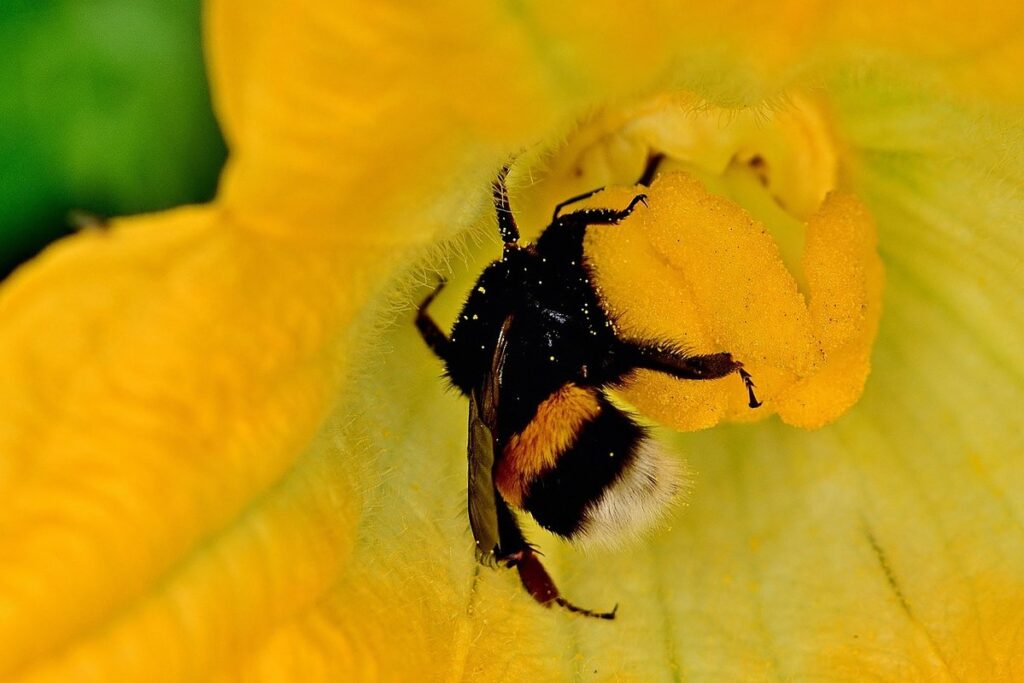
Bees and other pollinators play a vital role in transferring pollen from the male zucchini flower to the female one, ensuring successful fruit set. As you nurture your zucchini plants, it’s essential to appreciate their importance. When bees visit the male flowers, they collect pollen from the anthers and store it in their hairy bodies. As they move between flowers, some of this pollen is transferred to the stigma of the female flower, allowing fertilization to occur.
In fact, research suggests that pollinators contribute to around 80% of zucchini fruit set. Without them, many varieties would struggle to produce fruit at all. To encourage healthy pollination, provide your plants with a diverse range of pollinator-friendly flowers nearby. This can include herbs like mint and oregano, which are rich in nectar and pollen.
Common Causes of Zucchini Pollination Problems
When it comes to zucchini pollination problems, there are several common causes that can prevent your plants from producing fruit. Let’s take a look at some of the most likely culprits.
Inadequate Bumblebee Populations
Bumblebee populations have been declining at an alarming rate in recent years, with some studies suggesting that they’ve lost up to 70% of their numbers since the 1990s. This decline is having a significant impact on zucchini pollination, as bumblebees are one of the primary pollinators of this popular summer squash.
As gardeners, we can play a crucial role in attracting these essential pollinators back to our gardens. One simple step is to plant a diverse range of flowers that provide nectar and pollen for bumblebees. Consider adding sunflowers, zinnias, or cosmos to your garden beds – not only will they attract bumblebees, but also other beneficial insects like butterflies and hummingbirds.
Another tip is to create a bee-friendly environment by avoiding the use of pesticides and herbicides in your garden. These chemicals can be particularly damaging to bumblebee colonies, so it’s essential to adopt more sustainable gardening practices. By making these small changes, you can help support the local bumblebee population and ensure that your zucchini plants receive the pollination they need to thrive.
Insufficient Sunlight and Warmth
Inadequate sunlight and warmth can significantly impact zucchini pollination. When your plants don’t receive sufficient light, flower production will decrease, making it harder for bees to find the blooms they need to transfer pollen. This can be especially true for container-grown zucchinis or those planted in shaded areas.
To put this into perspective, research has shown that flowers require at least 6 hours of direct sunlight per day to produce an optimal amount of nectar and pollen, which are essential for pollination. If your plants aren’t getting enough light, the number of flowers produced will be lower, reducing the chances of successful pollination.
Additionally, warmer temperatures between 65-75°F (18-24°C) can also impact flower production and pollination. Temperatures that are too high or too low can slow down or even stop pollination altogether. To promote healthy growth and pollination, ensure your zucchinis receive at least 6 hours of direct sunlight per day and maintain a temperature range between 65-75°F (18-24°C).
Pesticide Use and Its Effects on Pollinators
The use of pesticides is a common practice among gardeners, but it’s essential to consider its impact on pollinators like bees and butterflies. When we spray our gardens with chemicals, these potent substances can drift onto nearby flowers and harm the very creatures that help pollinate them.
Research has shown that pesticide exposure can have devastating effects on bee colonies, leading to reduced populations, impaired navigation skills, and even colony collapse disorder. In fact, a study found that bees exposed to certain pesticides were 20% less likely to return to their hives after foraging. That’s alarming!
To minimize harm to pollinators, consider adopting organic pest control methods. For example, try using neem oil or diatomaceous earth to deter pests like aphids and whiteflies. You can also use physical barriers, such as fine mesh or row covers, to keep insects away from your zucchini plants.
When shopping for pest control products, look for those labeled “bee-friendly” or “pollinator-safe.” Some companies are now developing eco-friendly alternatives that won’t harm our vital pollinators. Remember, a healthy ecosystem relies on the balance between plant growth and beneficial insect populations – let’s give them a helping hand by choosing organic methods whenever possible!
Diagnosing and Addressing Zucchini Pollination Issues
If you’re not sure what’s going on with your zucchini plant, let’s first identify potential signs of pollination problems. Here are some common indicators to look out for.
Observing Flower Development and Fertilization
Monitoring flower development is crucial to identifying potential pollination issues. Begin by observing zucchini flowers daily, paying attention to their color and texture. Typically, male flowers will be smaller and have a more delicate appearance than female flowers, which are usually larger and contain the ovary.
Successful pollination can be identified when pollen from the anther (the pollen-producing part of the flower) sticks to the stigma (the pollen-receiving part). This process is facilitated by bees, butterflies, or other pollinators. Observe the flowers for a yellow dust or fine powder on the stigmas, indicating successful pollination.
When fertilization fails, it may result in poor fruit set, misshapen or deformed zucchinis, or no fruit at all. Common signs of failed pollination include an abundance of male flowers but few or no female flowers, and vice versa. Troubleshooting these issues requires inspecting the plants for pests, diseases, or environmental stressors that may be impacting pollinators.
Bees visit hundreds to thousands of flowers daily, so it’s essential to create a conducive environment for them to thrive. Consider adding nectar-rich flowers nearby to attract pollinators and increase the chances of successful pollination.
Adjusting Plant Spacing and Orientation
When it comes to optimizing plant spacing and orientation for successful zucchini pollination, there are several key factors to consider. One of the primary benefits of proper plant placement is improved air circulation. This can be achieved by giving plants enough space to breathe, ideally around 2-3 feet between each plant. By allowing air to circulate freely, you’ll reduce the risk of fungal diseases like powdery mildew that thrive in stagnant conditions.
Another important consideration is orientation. Planting zucchinis with their leaves facing east or west can help maximize sunlight exposure while minimizing shading from neighboring plants. This is especially crucial for zucchinis, which require a high level of humidity to produce well. By placing them near each other but not too close, you’ll encourage air circulation and prevent the spread of diseases.
In addition to these general tips, consider planting your zucchinis in raised beds or containers with good drainage to prevent waterlogged soil. This will help ensure that your plants receive the right amount of moisture without becoming too soggy for optimal pollination.
Strategies for Enhancing Zucchini Pollination
To boost your zucchini crop, try these simple yet effective strategies for enhancing pollination, including using natural attractants and modifying plant placement.
Companion Planting with Bee-Friendly Plants
When it comes to enhancing zucchini pollination, incorporating companion plants that attract beneficial insects can be a game-changer. One of the most effective ways to encourage bee activity and improve pollination is by planting bee-friendly herbs alongside your zucchinis.
Consider pairing your zucchinis with mint, basil, or lavender – these fragrant herbs not only repel pests but also draw in bees and other beneficial insects. For instance, a study found that mint can increase bee activity by up to 50% when planted near zucchinis. Basil is another popular choice, as its sweet fragrance attracts both bees and butterflies.
To get the most out of companion planting, make sure to plant these herbs within close proximity to your zucchinis – ideally within a few feet. This will encourage cross-pollination and create a welcoming environment for beneficial insects. By incorporating bee-friendly plants into your garden, you’ll be well on your way to solving your zucchini pollination problems and enjoying a bountiful harvest.
Using Drones for Efficient Pollination
Using drones to assist with pollination is an innovative approach that can enhance zucchini yields. These unmanned aerial vehicles (UAVs) can be equipped with specialized sensors and cameras to track the movement of bees, helping farmers identify areas where they need more support. By using drones, you can monitor your zucchini plants’ pollination levels in real-time, making it easier to implement targeted interventions.
One benefit of drone-assisted pollination is that it can help reduce the environmental impact associated with traditional beekeeping practices. For instance, some studies suggest that drone-based monitoring can detect signs of colony collapse disorder (CCD) up to a month before they become apparent through visual inspections alone. This means you may be able to take preventative measures before significant damage occurs.
However, it’s essential to consider the limitations of using drones for pollination assistance. For one, their effectiveness relies on factors like weather conditions and the specific needs of your zucchini crop. Additionally, there are still many areas where drone technology is not yet practical or accessible due to regulatory restrictions or high costs. To integrate drones into your zucchini farming operations effectively, you’ll need to weigh these benefits against potential drawbacks and consider what works best for your specific situation.
Managing Zucchini Pests Without Harming Pollinators
If you’re using organic methods to control zucchini pests, it’s essential to consider how these treatments may impact pollinators like bees and butterflies. Many common pest solutions can harm these vital helpers in the garden.
Organic Methods for Controlling Aphids and Whiteflies
Aphids and whiteflies are two of the most common pests that can wreak havoc on zucchini plants. These tiny insects feed on plant sap, weakening the plant and reducing its ability to produce fruit. To make matters worse, conventional pesticides not only harm these pests but also pollinators like bees and butterflies.
Instead, consider using organic methods to control aphids and whiteflies. For instance, introduce beneficial insects like ladybugs, lacewings, or parasitic wasps that prey on these pests. You can purchase these beneficial insects online or encourage them to visit your garden by planting a diverse range of flowers that attract pollinators.
Another effective method is to use neem oil, a natural insecticide derived from the seeds of the neem tree. Mix neem oil with water according to the label instructions and spray it on your zucchini plants to repel aphids and whiteflies. Additionally, practice good garden hygiene by removing weeds that can harbor pests and diseases.
For severe infestations, try using a sticky trap or fine mesh row covers to prevent these pests from reaching your zucchini plants. By adopting these organic methods, you’ll not only protect pollinators but also maintain the health of your zucchini crop.
Encouraging Beneficial Insects in the Garden
Attracting beneficial insects to your garden is a simple yet effective way to maintain a balanced ecosystem and reduce the need for chemical controls. These helpful creatures prey on pest species that can damage zucchini plants, minimizing the risk of pollination problems. To encourage ladybugs, lacewings, and other beneficial insects in your garden:
* Plant a diverse range of flowers that provide nectar and pollen, such as marigolds, cosmos, or dill, which are attractive to these beneficial insects.
* Incorporate companion plants like nasturtiums, calendulas, and basil, which repel aphids, whiteflies, and other pests that can harm zucchini plants.
* Avoid using broad-spectrum pesticides, which can decimate beneficial insect populations. Instead, opt for targeted solutions or adopt integrated pest management (IPM) strategies.
By implementing these measures, you’ll create a welcoming environment for beneficial insects to thrive in your garden, minimizing the risk of pollination problems and promoting a healthier ecosystem. Regularly observe and appreciate these helpful creatures, taking note of which plants they’re attracted to and using this knowledge to inform future gardening decisions.
Conclusion: Preserving Zucchini Pollination and Quality
Now that we’ve explored the causes of zucchini pollination problems, let’s focus on preserving quality and ensuring a healthy crop. We’ll discuss practical tips for successful pollination.
The Importance of Consistent Supportive Practices
As we conclude our exploration of zucchini pollination problems and solutions, it’s essential to emphasize the importance of adopting consistent supportive practices that promote pollinator health and zucchini success. Throughout this article, we’ve highlighted various factors contributing to pollination issues, from habitat loss to pesticide use.
To address these challenges effectively, gardeners must prioritize pollinator-friendly approaches. This includes creating a diverse range of nectar-rich flowers, maintaining a balanced ecosystem, and minimizing the use of chemical pesticides. By doing so, you’ll not only improve pollinator health but also create an environment conducive to zucchini growth and production.
One critical aspect of consistent supportive practices is providing a constant source of food for pollinators. This can be achieved by incorporating native wildflowers into your garden or planting pollinator-friendly species alongside your zucchinis. A mix of annuals and perennials will provide a year-round nectar flow, supporting the local pollinator population.
Another key practice is to avoid over-manipulating your garden ecosystem. By allowing some areas to remain undisturbed, you’ll create habitats for beneficial insects and other wildlife that aid in pollination. This approach also encourages biodiversity, reducing reliance on single species or a few specific cultivars.
To implement these supportive practices effectively, consider the following tips:
• Rotate zucchinis every 3-4 days to promote healthy fruit set
• Plant companion flowers like nasturtiums and marigolds nearby
• Avoid using broad-spectrum pesticides, opting for targeted organic methods instead
• Create a pollinator hotel or bug house to provide shelter
By embracing these consistent supportive practices, you’ll not only mitigate zucchini pollination problems but also contribute to a healthier ecosystem. Remember, it’s all about creating an environment that nurtures both your plants and the local wildlife.
Frequently Asked Questions
What are some early signs of zucchini pollination problems?
If you notice that your zucchinis are not producing fruit, but there’s no visible damage to the plants or flowers, it could be a sign of poor pollination. Look for signs like yellowing leaves, sparse blooms, or an overall lack of growth.
Can I use a fan to improve air circulation around my zucchini plants?
Yes, using a gentle breeze from a fan can help improve air circulation and encourage pollinators to visit your zucchinis. Just be cautious not to create strong gusts that might damage the delicate flowers or leaves.
How do I know if my zucchini plant is producing enough male flowers for pollination?
A healthy zucchini plant should produce an abundance of both male and female flowers. If you notice a shortage of male flowers, it could impact pollination success. Look for 3-5 male flowers per node to ensure sufficient pollen production.
What’s the ideal temperature range for zucchini pollination?
Pollinators like bees are most active in temperatures between 65°F (18°C) and 85°F (29°C). If your area experiences frequent heatwaves or cold snaps, consider providing some shade for your zucchinis during extreme weather events.
Can I use companion planting to attract beneficial insects that help with pollination?
Yes, incorporating bee-friendly plants like lavender, mint, or dill into your garden can attract beneficial insects and encourage pollinators to visit your zucchinis. Plant these flowers near your zucchini beds to create a welcoming environment for pollinators.