
Are you tired of high-maintenance lawns that require constant watering, mowing, and fertilizing? Native grasses might just be the solution you’ve been searching for. These beautiful and low-maintenance plants are perfect for gardeners who want to create a stunning landscape without breaking the bank or harming the environment. Not only do native grasses require less water and upkeep, but they also provide a natural habitat for local wildlife and help to support biodiversity in your region. In this article, we’ll explore the benefits of using native grasses in gardening, from their environmental advantages to their design potential. We’ll cover how to choose the right species for your area, tips for planting and caring for them, and inspiration for designing a beautiful landscape that thrives with minimal fuss.
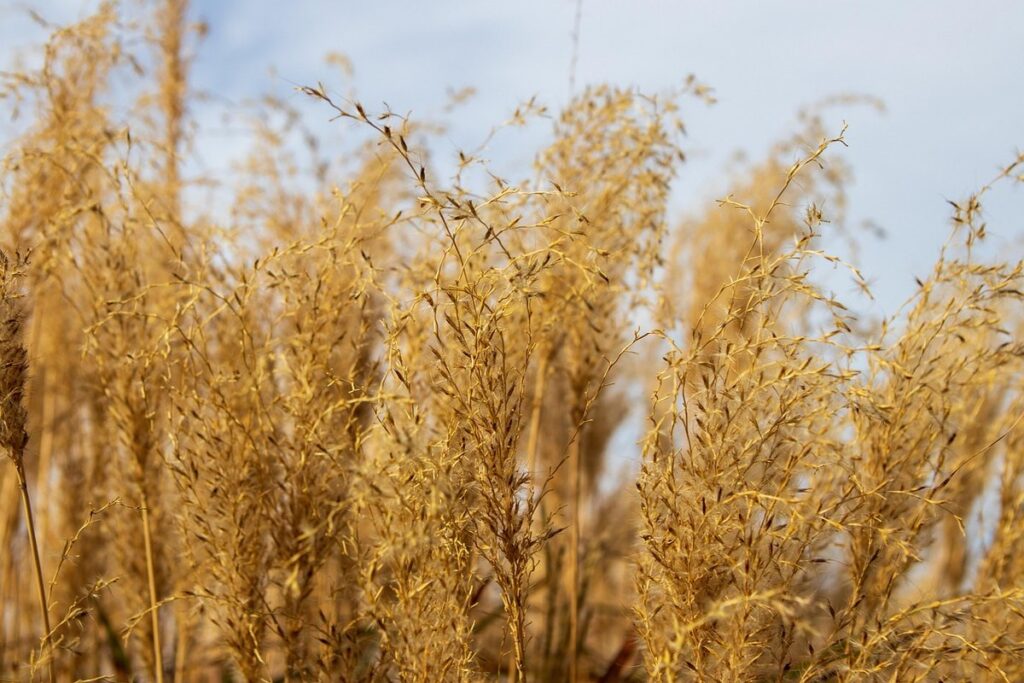
Benefits of Native Grasses in Gardening
Native grasses offer a range of benefits for gardeners, from attracting pollinators to requiring less maintenance than traditional lawn varieties. Let’s explore some of these advantages together.
Low Maintenance and Durability
One of the most significant advantages of native grasses is their low maintenance requirements. Unlike non-native species that demand frequent watering, fertilizing, and pruning, native grasses are incredibly resilient and can thrive with minimal care. This makes them an ideal choice for busy gardeners who struggle to keep up with the demands of traditional lawn care.
Native grasses tend to be more drought-tolerant than their introduced counterparts, reducing the need for frequent watering sessions. They also require fewer fertilizers and pesticides, making them a more environmentally friendly option. In fact, native grasses can even help reduce soil erosion and improve air quality by absorbing pollutants.
In terms of durability, native grasses are often resistant to pests and diseases that commonly affect non-native species. This means you’ll spend less time worrying about lawn care issues and more time enjoying the beauty of your garden. To incorporate native grasses into your landscaping plan, start by selecting species suitable for your region’s climate and soil type.
Environmental Benefits
When native grasses are incorporated into garden landscapes, they play a vital role in supporting local ecosystems. By providing food and shelter for wildlife, these grasses create a haven for native species to thrive. This is particularly important in urban areas where natural habitats have been destroyed or fragmented.
Native grasses serve as an essential source of sustenance for various animals, including birds, insects, and small mammals. They offer berries, seeds, and pollen that are rich in nutrients, making them a vital component of the food chain. In addition to providing food, native grasses also offer shelter and protection from harsh weather conditions.
By planting native grasses, gardeners can contribute to mitigating the urban heat island effect, which occurs when built-up areas absorb and retain heat, leading to increased temperatures in urban environments. Native grasses help to regulate temperature fluctuations by releasing moisture into the air through a process called transpiration, thereby reducing the heat island effect.
Incorporating native grasses into garden landscapes not only benefits local ecosystems but also creates a more sustainable and biodiverse environment for both humans and wildlife to enjoy.
Choosing the Right Native Grass for Your Garden
When selecting a native grass, it’s essential to consider factors such as sunlight, soil type, and moisture levels to ensure your chosen species thrives in its new home.
Climate and Soil Considerations
When selecting native grass species, it’s essential to consider your region’s climate and soil type. This might seem like a daunting task, but don’t worry, we’ve got you covered. Start by observing the types of grasses that grow naturally in your area. Do you see tall prairies with Blue Grama Grass or low-lying wetlands with Cattail Sedge? These native grasses have adapted to thrive in their respective environments.
To narrow down your options, research the USDA Hardiness Zone for your region and match it with a native grass species that thrives in similar conditions. For instance, if you live in a hot and dry climate, look for grasses like Little Bluestem or Big Bluestem that are drought-tolerant. Similarly, if you have poor soil quality, opt for native grasses like Indian Grass or Buffalo Grass that can grow well in low-fertilizer conditions.
By considering your local climate and soil type, you’ll be more likely to choose a native grass species that will not only thrive but also provide long-term benefits to the environment.
Native Grass Species by Region
When selecting native grass species for your garden, it’s essential to consider the region you’re in. Different parts of the country have unique climate conditions, soil types, and wildlife habitats that impact what types of grasses will thrive.
In the Pacific Northwest, look for grasses like blue wildrye (Elymus glaucus) or Idaho fescue (Festuca idahoensis), which are well-suited to the region’s cool temperatures and high rainfall. These native grasses provide habitat for pollinators and songbirds while withstanding the area’s wet winters.
In the Southeast, choose warm-season grasses like big bluestem (Andropogon gerardii) or switchgrass (Panicum virgatum), which are adapted to the region’s hot summers and mild winters. These native grasses attract butterflies and hummingbirds while stabilizing soil with their deep roots.
For regions with high desert landscapes, like the Southwest, consider cool-season grasses like blue grama (Bouteloua gracilis) or buffalo grass (Bouteloua dactyloides). These native grasses conserve water, reducing maintenance needs while supporting local wildlife.
Planting and Care Tips for Native Grasses
To grow native grasses successfully, you’ll want to learn how to plant them properly and care for them throughout their life cycle in your garden. Let’s dive into some essential tips.
Preparing the Soil
Before planting native grasses, it’s essential to prepare your soil. Native grasses thrive in well-draining soil, so if you have heavy clay or sandy soil, you’ll need to make some adjustments. Start by testing the pH levels of your soil. Most native grasses prefer a slightly acidic to neutral soil pH, ranging from 6.0 to 7.5.
If your soil test reveals that it’s too alkaline or acidic, you can add organic matter like compost or well-rotted manure to bring it into balance. This will also improve the overall structure and fertility of your soil. Aim to incorporate at least 2-3 inches of organic matter into the top 6-8 inches of soil.
Keep in mind that native grasses have adapted to local conditions over time, so they’re less likely to be affected by pests or diseases. However, a healthy soil ecosystem will still help them establish themselves and thrive. By testing your soil pH and adding organic matter, you’ll create an ideal environment for your native grasses to grow strong and resilient.
Watering and Maintenance
Watering and maintenance are crucial aspects of growing healthy native grasses. Since native grasses have adapted to local conditions over time, they require less watering than non-native varieties. However, they still need adequate moisture, especially during their establishment phase.
To water native grasses effectively, use a deep soak method once or twice a week, depending on the climate and soil type. This involves applying about 1-2 inches of water at one time to encourage deep root growth. You can achieve this by using soaker hoses or drip irrigation systems that deliver water directly to the roots.
Regular maintenance tasks include mowing, fertilizing, and pruning native grasses as needed. Mow them at a height of 3-4 inches during growing seasons to promote new growth and prevent weeds from taking over. Fertilize lightly, ideally in spring and fall, with a balanced fertilizer to provide essential nutrients without promoting excessive growth.
By following these watering and maintenance tips, you can help your native grasses thrive and maintain their natural beauty for years to come.
Designing with Native Grasses: Landscaping Ideas
Let’s get creative with native grass landscaping ideas, from stunning meadows to elegant accent plantings, and discover how these natural wonders can elevate your outdoor space.
Mass Plantings and Borders
When it comes to designing with native grasses, mass plantings and borders are two of the most effective ways to add texture, color, and movement to your garden. Mass plantings involve grouping large numbers of native grasses together in a specific area, often creating a sea of green or gold depending on the species. This technique is perfect for filling large spaces quickly and can be especially beneficial for areas with poor soil conditions. By planting multiple clumps of native grasses close together, you create a visually appealing and cohesive look.
For borders, choose a mix of native grasses that thrive in your region and complement one another in terms of texture, color, and growth habits. For example, pair tall ornamental grasses like Indian Grass (Sorghastrum nutans) with shorter bunchgrasses like Little Bluestem (Schizachyrium scoparium). This creates a dynamic and inviting border that attracts pollinators and adds movement to your garden. Remember to consider the mature size of each species when planning your border, as some native grasses can grow quite large. By incorporating mass plantings and borders into your design, you’ll create a stunning display of native grasses in your garden.
Native Grass Mixtures for Slopes and Hillsides
When designing with native grasses on slopes and hillsides, it’s essential to consider the unique challenges these areas present. One of the primary concerns is erosion control. Native grass mixtures can be a game-changer here, as they help hold the soil in place through their deep roots and robust growth habits.
A well-designed native grass mixture for slopes can also add visual interest to the area. This can be especially beneficial on hillsides where the view from below may be obstructed by dense vegetation or other features. Choose a mix that includes a variety of grass species with different growth habits, such as clump-forming and spreading types.
Some examples of native grasses that excel in these conditions include Little Bluestem, Big Bluestem, and Indian Grass. When planting on slopes, remember to create a shallow trench for the soil and gently spread out the seeds or seedlings along the slope’s contour lines.
Maintenance-Free Alternatives: Native Grass Sod and Turf
If you’re looking for a low-fuss way to establish a beautiful native grass lawn, consider native grass sod and turf as maintenance-free alternatives. They offer instant gratification and long-term ease.
Benefits of Native Grass Sod and Turf
When it comes to low-maintenance alternatives to traditional lawn care, native grass sod and turf are excellent options. One of the primary benefits is that they require significantly less water compared to non-native lawns. According to the United States Environmental Protection Agency (EPA), watering lawns accounts for approximately 30% of residential water usage in many parts of the country.
Another advantage of native grass sod and turf is their resistance to pests and diseases. Since these plants are adapted to local climate conditions, they have a natural immunity to common lawn pests like white grubs and chinch bugs. This means you’ll spend less time and money on pesticides and fungicides.
Native grass sod and turf also tend to be more environmentally friendly than traditional lawns. They support biodiversity by providing habitat for beneficial insects and wildlife, such as pollinators and birds. Additionally, native grasses often require fewer fertilizers and herbicides, reducing chemical runoff into waterways.
When installing native grass sod or turf, it’s essential to choose a reputable supplier that offers high-quality products specifically suited to your local climate and soil type. Proper installation is also crucial for the long-term success of your new lawn. Be sure to follow the manufacturer’s instructions and take necessary precautions to prevent damage during the establishment phase.
DIY Installation vs. Professional Installation
When it comes to installing native grass sod or turf, you have two main options: doing it yourself (DIY) or hiring a professional. While both methods have their pros and cons, understanding the differences will help you make an informed decision for your garden.
Installing native grass sod or turf yourself can be cost-effective, allowing you to save on labor costs. However, it requires a significant amount of time, effort, and physical labor. You’ll need to prepare the soil, lay down the sod, and ensure proper watering and maintenance. If not done correctly, this can lead to poor installation, reduced lifespan, or even damage to your lawn.
On the other hand, hiring a professional installer provides expertise and guarantees quality workmanship. They will handle all aspects of the installation process, including site preparation and aftercare. This ensures that your native grass sod or turf is installed correctly, reducing the risk of mistakes and potential costs associated with repairs or reinstallation.
It’s worth noting that some states require licenses for certain types of landscaping work, so be sure to check local regulations before making a decision.
Native Grasses for Specific Garden Types: Shade, Sun, and Wet Areas
For gardens with varying conditions, we’ll explore native grass options suitable for shade, sun-drenched areas, and wet spaces that require special care. This section highlights adaptable species for each type of garden.
Shade Tolerant Native Grasses
When it comes to shaded areas, most gardeners reach for traditional shade-tolerant plants like impatiens or hostas. However, these plants often require a lot of maintenance and can quickly become invasive. Native grasses offer an attractive alternative, providing beautiful foliage and texture without the hassle.
Some excellent options include the Blue Grama Grass (Bouteloua gracilis), which grows well in partial shade and has a distinctive blue-green color. The Switch Grass (Panicum virgatum) is another great choice, tolerating shade with ease while maintaining its vibrant green hue. Both of these native grasses are low-maintenance and drought-tolerant, making them perfect for areas with poor soil or irregular watering schedules.
When selecting a native grass for shaded areas, be sure to choose species that have similar growing conditions to your garden. For example, if you live in a region with high humidity, opt for a grass like the Buffalo Grass (Bouteloua dactyloides), which thrives in moist environments.
Sun-Loving Native Grasses
When it comes to gardens with full sun exposure, choosing native grass species that can handle high temperatures and intense sunlight is essential. These sun-loving natives are perfect for areas that receive direct sunlight for most of the day.
Some popular native grass species for sunny gardens include Little Bluestem (Schizachyrium scoparium), Big Bluestem (Andropogon gerardii), and Indiangrass (Sorghastrum nutans). These grasses are not only drought-tolerant but also provide a beautiful display of color during the growing season. For example, Little Bluestem turns a lovely shade of purple in the fall, while Big Bluestem can grow up to 6 feet tall and provides excellent wildlife habitat.
When planting sun-loving native grasses, make sure to prepare the soil properly by removing any debris or weeds. Also, consider incorporating companion plants like wildflowers or shrubs that will attract pollinators and add visual interest to your garden. With proper care and maintenance, these native grass species will thrive in sunny conditions and provide a stunning display of natural beauty in your garden. By choosing the right native grasses for your sun-drenched areas, you’ll be creating a haven for local wildlife while enjoying a low-maintenance and eco-friendly landscape.
Wetland-Adapted Native Grasses
When it comes to gardening, dealing with wet areas can be a challenge. Native grasses adapted to these conditions offer a low-maintenance solution for areas prone to flooding or waterlogged soil. These wetland-adapted native grasses are perfect for gardens located near ponds, lakes, or rivers, and can thrive in areas where other plants might struggle.
Some popular examples of native grasses that excel in wet conditions include switchgrass (Panicum virgatum), blue grama grass (Bouteloua gracilis), and Indian grass (Sorghastrum nutans). These grasses have deep roots that allow them to absorb excess moisture, preventing water from accumulating around the base of the plant.
When choosing a native grass for your wet area, make sure to select one that is well-suited to your local climate and soil type. Also, be mindful of the amount of sunlight the area receives, as some native grasses prefer full sun while others can tolerate shade. By incorporating these low-maintenance, water-loving natives into your garden design, you’ll enjoy a lush and thriving landscape with minimal upkeep.
Conclusion and Next Steps
Now that you’ve learned about the benefits and selection process of native grasses for your garden, it’s time to put this knowledge into action. Take a close look at your yard and identify areas where native grasses could thrive. Consider factors such as soil type, sunlight exposure, and moisture levels when choosing the perfect native grass species for each zone. Start small by selecting one or two areas to test the installation process and observe how they perform over time.
As you begin incorporating native grasses into your garden, remember that patience is key. Allow these hardy plants to establish themselves before expecting optimal growth and benefits. Regular maintenance will also be necessary to ensure their continued health and beauty. By following this guide and taking a thoughtful approach to introducing native grasses into your garden, you’ll be on your way to creating a stunning and sustainable outdoor space that’s rich in biodiversity and visual appeal.
Frequently Asked Questions
Can I use native grasses for lawns with poor drainage?
Yes, there are native grass species that can tolerate wet conditions and even thrive in areas with poor drainage. However, it’s essential to choose the right species for your specific region and climate. Research local native grasses adapted to wetland or low-lying areas and consider consulting with a professional before planting.
How long does it take for native grasses to establish themselves?
The establishment time for native grasses can vary depending on factors like soil quality, climate, and maintenance. Generally, you can expect native grasses to start showing signs of growth within 6-12 weeks after planting. However, it may take a full year or more for them to reach their optimal density and health.
Are there any specific tools or equipment I need for planting native grasses?
When planting native grasses, you’ll typically only need basic gardening tools like a shovel, rake, and watering can. Some species might require specialized equipment, such as a seed drill or a sod cutter, but these are usually optional. Always follow the specific instructions provided with your chosen plant species.
Can I use native grasses in areas with full sun or partial shade?
Yes, native grasses come in various species suited for different sunlight conditions. Research and choose native grasses that thrive in your specific climate and available light. For example, some species are perfect for full-sun areas, while others prefer partial shade.
How do I prevent erosion when planting native grasses on slopes or hillsides?
To prevent erosion when planting native grasses on slopes, create a stable root system by using a geotextile fabric or mulch to hold the soil in place. Also, consider using a native grass mixture specifically designed for sloping areas and follow proper planting and maintenance procedures to ensure the roots take hold securely.