
As a gardener, you’re always on the lookout for ways to boost crop yields and reduce pests. But did you know that there’s a clever technique to do just that? Introducing trap crops – a simple yet effective way to increase your vegetable garden’s productivity while promoting healthier soil. By understanding how trap crops work and incorporating them into your gardening routine, you can expect significant improvements in pest control, soil fertility, and overall crop health. In this article, we’ll delve into the world of trap crops, exploring their benefits, types, and best practices for successful implementation. From companion planting to attracting beneficial insects, we’ll cover everything you need to know to make the most of trap crops in your vegetable garden and take it to the next level.
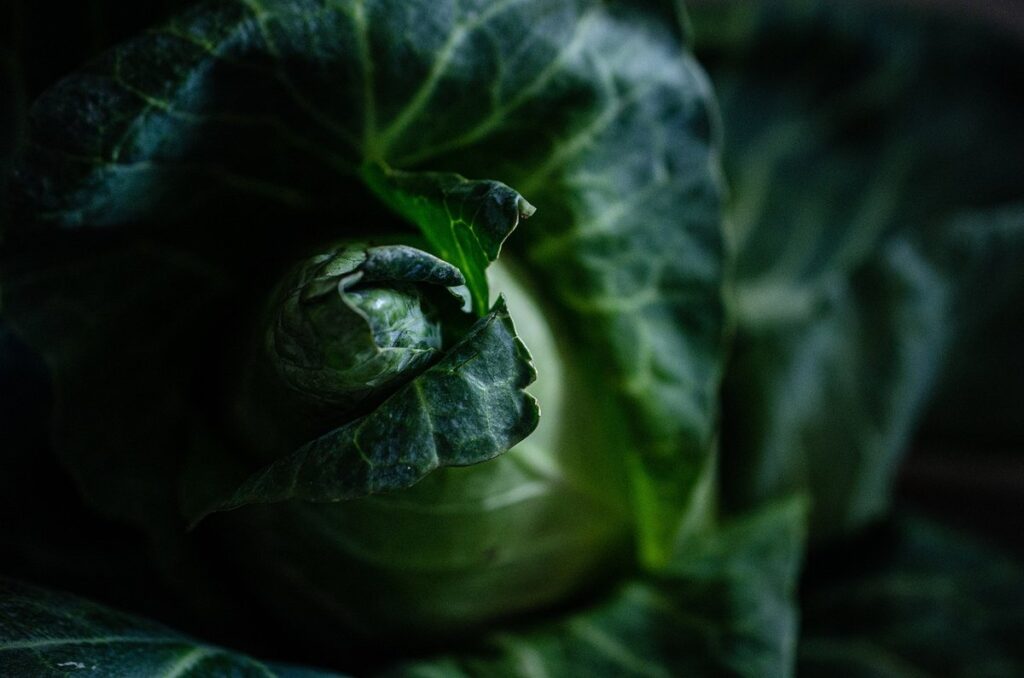
What are Trap Crops and Why Do You Need Them?
When it comes to protecting your vegetable garden from pests, trap crops can be a game-changer. They’re a clever way to lure unwanted visitors away from your prized produce.
Benefits of Using Trap Crops
Incorporating trap crops into your vegetable garden can bring about numerous benefits that will enhance the overall health and productivity of your plants. One significant advantage is the increased crop yields you can expect. Trap crops serve as decoys, drawing pests away from your main crops, thereby reducing damage and allowing them to grow stronger and healthier.
By using trap crops, you’ll also see a reduction in pest populations, which means fewer pesticides will be needed. This not only protects the environment but also saves you money on pest control methods. For example, if you’re growing lettuce, consider planting nasturtiums or calendula nearby as they repel aphids and whiteflies.
Trap crops also contribute to improved soil health by attracting beneficial insects like bees and butterflies that pollinate your plants. As these beneficial insects feed on nectar-rich flowers, they spread pollen, facilitating the reproduction of your crops. For instance, basil is a natural attractant for beneficial wasps, which in turn protect your tomatoes from pests. By incorporating trap crops into your garden design, you’ll create a balanced ecosystem that promotes plant growth and reduces pest-related stress.
Common Types of Trap Crops Used in Vegetable Gardens
When it comes to choosing effective trap crops for your vegetable garden, you have several options to consider. One popular choice is nasturtiums (Tropaeolum majus), which repel aphids, whiteflies, and squash bugs while also attracting beneficial insects like hoverflies and lacewings. These colorful flowers are easy to grow and can be direct-sown into the garden bed.
Marigolds (Tagetes spp.) are another common trap crop used in vegetable gardens. They repel nematodes, which can harm tomatoes and other plants, as well as aphids and other pests. Comfrey (Symphytum officinale) is a perennial herb that acts as a trap crop by attracting slugs and snails away from more desirable crops.
In addition to these popular options, you may also consider using radish or mustard greens as trap crops. These plants can be planted among your vegetables to lure pests away from the main crops. For example, planting radishes near cucumbers can help protect them from cucumber beetles and other pests. When selecting trap crops, choose varieties that are easy to grow in your specific climate and soil type.
Choosing the Right Trap Crop for Your Garden
When selecting a trap crop, it’s essential to consider factors like attractiveness to pests and growth habits to ensure effective pest control in your vegetable garden. Let’s explore some key considerations together!
Factors to Consider When Selecting a Trap Crop
When selecting a trap crop for your garden, it’s essential to consider several key factors to ensure you’re using them effectively. First and foremost, think about the pest targets you want to attract and eliminate. Are you dealing with aphids, whiteflies, or squash bugs? Choose trap crops that are specifically attractive to these pests, such as nasturtiums for aphids or basil for flies.
Another crucial consideration is the growth habits of your trap crop. Do they require a lot of space or can they thrive in smaller areas? Some trap crops like marigolds and calendulas can be planted densely, while others like sunflowers may need more room to grow. Make sure you choose a trap crop that fits into your garden’s layout and won’t compete with other plants for resources.
Finally, consider the space requirements of your trap crop. Will they need to be replanted frequently or will they self-seed? Some trap crops like radishes can be harvested in as little as three weeks, while others like comfrey may require more time to mature. By taking these factors into account, you’ll be able to select a highly effective trap crop that supports your garden’s pest management needs.
Examples of Effective Trap Crop Combinations
When it comes to selecting trap crops for your vegetable garden, combining multiple plants can be even more effective in controlling pests and diseases. By pairing trap crops with their respective target pests, you can create a harmonious balance in your garden ecosystem.
For instance, nasturtiums are an excellent choice when combined with aphid-prone plants like lettuce or kale. The strong scent of nasturtiums repels aphids, protecting these delicate greens from infestation. Similarly, calendula and marigold can be planted alongside carrots to deter nematodes, a common pest affecting root vegetables.
Another successful combination is planting radish with cucumbers and squash. Radish repels cucumber beetles, which can spread bacterial wilt disease, while its spicy roots also deter nematodes that target these vining plants. By incorporating such trap crop combinations into your garden design, you can create a robust defense system against pests and diseases, reducing the need for chemical pesticides and maintaining a healthy balance in your vegetable garden.
Incorporating multiple trap crops will not only enhance their individual effectiveness but also foster biodiversity in your garden.
Planting and Maintaining Trap Crops
When it comes to successfully implementing trap crops, understanding how to properly plant and maintain them is crucial for maximizing their effectiveness in your garden. Let’s dive into the specifics of doing so.
Tips for Incorporating Trap Crops into Your Garden Layout
When incorporating trap crops into your garden layout, thoughtful planning is essential to maximize their effectiveness. One of the first considerations is placement. Identify the most vulnerable areas of your garden, such as near doorways or where pests are commonly spotted. Place high-value crop plants away from these entry points, using trap crops as a buffer zone.
For optimal spacing, consider planting trap crops densely around the perimeter and in strategic locations within the garden bed. This will help to funnel pests toward the trap crops rather than reaching your valuable vegetables first. Companion planting strategies also come into play here. Planting certain trap crops alongside one another can enhance their effectiveness, such as placing garlic near other plants to repel aphids.
When selecting trap crops for inclusion in your garden design, choose a mix of annuals and perennials to ensure year-round pest control. Consider the mature size of each plant and leave enough space between rows for easy access and maintenance. By thoughtfully integrating these elements into your garden layout, you can create an effective system for controlling pests and protecting your vegetable crop.
Common Challenges Faced When Growing Trap Crops
Growing trap crops can be a game-changer for vegetable gardeners, but it’s not without its challenges. One of the most common issues is competition with desired crops for resources such as water and nutrients. For example, if you’re growing cucumbers and zucchini as trap crops to lure cucumber beetles away from your prized tomato plants, these warm-season crops may compete with each other for space in the garden.
Another challenge is attracting unwanted pests that can cause more harm than good. Some trap crops, like nasturtiums and calendula, are known to attract aphids and whiteflies, which can then transfer diseases to your main crop. This can be a problem if you’re not careful about selecting the right trap crop for the pest you want to control.
When growing trap crops, it’s essential to monitor their performance closely and make adjustments as needed. Some gardeners also use a ‘trap-crop rotation’ approach, where they rotate different trap crops through their garden over time to avoid attracting pests that are not targeted by the current trap crop in use.
Managing Pests with Trap Crops
When it comes to managing pests in your vegetable garden, trap crops can be a valuable tool in keeping those pesky critters at bay. In this next section, we’ll explore how to use them effectively.
Using Trap Crops to Control Key Vegetable Garden Pests
When it comes to managing pests in your vegetable garden, trap crops can be a game-changer. But what exactly are trap crops, and how do they work? Simply put, trap crops are plants that attract and lure pests away from your main crop, providing a safe haven for the latter to grow without interference.
One of the most effective uses of trap crops is in controlling aphids and whiteflies. For example, nasturtiums and calendula are natural repellents for these pesky insects. Planting them near your prized lettuce or tomato plants can help keep aphid populations under control. What’s more, calendula has even been shown to attract beneficial insects like lacewings and hoverflies, which feed on whitefly larvae.
But trap crops aren’t just limited to insect pests – they’re also effective against slugs! For instance, planting garlic or chives near your prized lettuce or spinach can help deter these slimy critters. The strong scent of these herbs repels slugs and keeps them away from the main crop.
To use trap crops effectively in your garden, choose plants that are compatible with your main crop and plant them nearby. This will not only lure pests away but also create a more balanced ecosystem in your garden.
Integrating Trap Crops into an Integrated Pest Management (IPM) Strategy
When used as part of a larger Integrated Pest Management (IPM) strategy, trap crops can be an incredibly effective tool for managing pest populations in vegetable gardens. IPM is an approach that considers the entire ecosystem and aims to minimize harm to both the environment and human health.
The idea behind using trap crops in conjunction with other IPM techniques is to create a multi-layered defense system against pests. By planting trap crops, such as mustard or radish, alongside your main vegetables, you can attract pests away from those plants. At the same time, you can use other IPM methods like introducing beneficial insects, practicing crop rotation, and using physical barriers to prevent pests from reaching your main crops.
For example, if you’re growing lettuce and have a problem with aphids, you could plant trap crops like calendula or dill near the lettuce. The aphids will be drawn to the trap crop, reducing the risk of infestation on your main crop. By combining this with other IPM methods, such as introducing beneficial insects or using row covers, you can create a robust system for managing pests in your garden.
By incorporating trap crops into your IPM strategy, you can reduce the need for chemical pesticides and create a more balanced ecosystem in your garden.
Using Trap Crops for Soil Health and Ecosystem Services
When it comes to creating a balanced ecosystem in your vegetable garden, trap crops play a crucial role in maintaining soil health and supporting beneficial organisms. Let’s explore how to harness their benefits.
The Role of Trap Crops in Improving Soil Fertility
When used effectively, trap crops play a vital role in improving soil fertility and overall health. One of the primary ways trap crops contribute to soil health is through nutrient cycling. By attracting pests that target the main crop, trap crops help redistribute nutrients back into the soil as they break down. For instance, planting marigolds alongside tomatoes can increase soil phosphorus levels due to the nematodes they attract and control.
In addition to nutrient cycling, trap crops also improve soil structure by increasing organic matter content. As these crops grow, their roots tap into underground water sources, allowing for better water infiltration and reducing erosion. This is especially important in vegetable gardens where soil compaction can be a significant issue.
Trap crops also enhance biological activity in the soil by introducing beneficial microbes that help decompose organic matter and solubilize minerals. For example, planting comfrey with vegetables like lettuce or spinach increases microbial populations, leading to healthier plants and improved growth rates.
How Trap Crops Support Beneficial Insects and Microorganisms
Trap crops play a crucial role in supporting beneficial insects and microorganisms in the garden ecosystem. These organisms are vital for maintaining soil health, pollination, and pest control, yet they often struggle to survive amidst the dominance of pests like aphids, whiteflies, and nematodes. Trap crops provide a much-needed refuge for these beneficials by acting as decoys that draw pests away from more valuable crops.
When strategically planted alongside vegetables, trap crops can increase beneficial insect populations. For instance, planting nasturtiums near cabbage or broccoli can attract aphid-eating ladybugs, reducing the risk of infestation on those crops. Similarly, marigolds can repel nematodes that harm tomatoes and other vegetables. By incorporating these trap crops into your garden design, you can create a balanced ecosystem where beneficial insects thrive.
To maximize the benefits, consider planting a mix of annuals like radish and comfrey alongside perennials like dill and oregano. This diverse approach will attract an array of beneficial microorganisms that contribute to soil health.
Advanced Techniques for Using Trap Crops
Now that you’re familiar with the basics of trap crops, let’s dive into some more advanced techniques to boost their effectiveness and safeguard your garden.
Creating a Trap Crop Relay System for Continuous Pest Control
A trap crop relay system is an advanced technique that allows for continuous pest control throughout the growing season. This method involves planting a series of trap crops in rotation, each one designed to attract and capture pests before they reach your main vegetable plants. By staggering the plantings of these trap crops, you can maintain a constant flow of pests being diverted away from your prized vegetables.
To create a successful relay system, choose three or more different trap crop species that are attractive to the same pest. For example, if you’re trying to control aphids and whiteflies on your tomatoes, you could use radish as a first trap crop, followed by nasturtiums and then marigolds. Each of these plants has its own unique preferences for pests and can be planted at different times to maintain the flow.
This approach not only helps with pest management but also reduces soil-borne diseases by breaking up the life cycle of pests. With a little planning and some knowledge about your garden’s pest dynamics, you can keep those pesky insects at bay and enjoy a healthier harvest all season long.
Using Trap Crops with Other Ecological Methods for Sustainable Gardening
When it comes to sustainable gardening practices, combining trap crops with other ecological methods is a game-changer. By incorporating cover cropping and crop rotation into your trap crop strategy, you can create a thriving garden ecosystem that’s both productive and environmentally friendly.
Cover cropping is an excellent way to use trap crops in conjunction with other ecological methods. For example, planting a cover crop like radish or rye between rows of vegetables can not only attract pests away from the main crop but also add nutrients to the soil. This dual benefit makes it an attractive option for gardeners looking to reduce their environmental impact.
Crop rotation is another key component of sustainable gardening that pairs perfectly with trap crops. By rotating your vegetable crops seasonally, you can break disease and pest cycles, reducing the need for chemicals. When used in conjunction with trap crops, crop rotation creates a dynamic ecosystem where pests are constantly being lured away from the main crop.
To get started, consider planting cover crops like clover or buckwheat in areas between rows of vegetables. These crops are easy to establish and can be incorporated into your regular garden routine.
Frequently Asked Questions
Can I use trap crops with other pest control methods, or do they have to be used alone?
Yes, trap crops can be used as part of an integrated pest management (IPM) strategy, complementing other ecological methods like crop rotation and biological control. By combining trap crops with these techniques, you can create a more comprehensive and sustainable approach to managing pests in your vegetable garden.
How do I determine the ideal size for my trap crop planting?
The size of your trap crop planting will depend on factors like pest pressure, available space, and desired level of effectiveness. A general rule is to plant trap crops at a density similar to that of your main crop, allowing them to attract pests before they reach your prized produce.
Can I use trap crops for controlling pests beyond just vegetables?
Yes, trap crops can be used to control pests in other types of gardens as well, such as fruit trees, flowers, or even ornamental plants. By choosing the right trap crop and incorporating it into your garden design, you can create a more holistic approach to pest management.
Are there any specific considerations for planting trap crops near companion plants?
Yes, when planting trap crops near companion plants, consider their growth habits and potential competition for resources like light, water, and nutrients. Some trap crops may require more space or different growing conditions than others, so be sure to research the needs of your chosen trap crop.
How do I maintain a healthy trap crop population over time?
To maintain a healthy trap crop population, ensure that your planting is receiving adequate water, nutrients, and pruning as needed. Regularly inspect your trap crops for signs of pest damage or disease, and take action promptly to prevent these issues from spreading to your main crops.