
Strawberry lovers rejoice! Growing your own strawberries can be a delightful experience, but have you ever wondered how these luscious fruits get their start? Pollination is the secret to a bountiful harvest, and it’s more than just a matter of chance. As an expert gardener, I’m here to share my top tips for successful strawberry pollination.
From attracting the right pollinators like bees and butterflies to mastering hand-pollination techniques, we’ll cover it all. We’ll also explore how technology is revolutionizing the way we approach pollination, making it easier than ever to ensure your strawberries get the attention they need. In this article, you’ll learn expert-approved strategies for achieving optimal pollination results, including the benefits of these methods and how to incorporate them into your gardening routine.
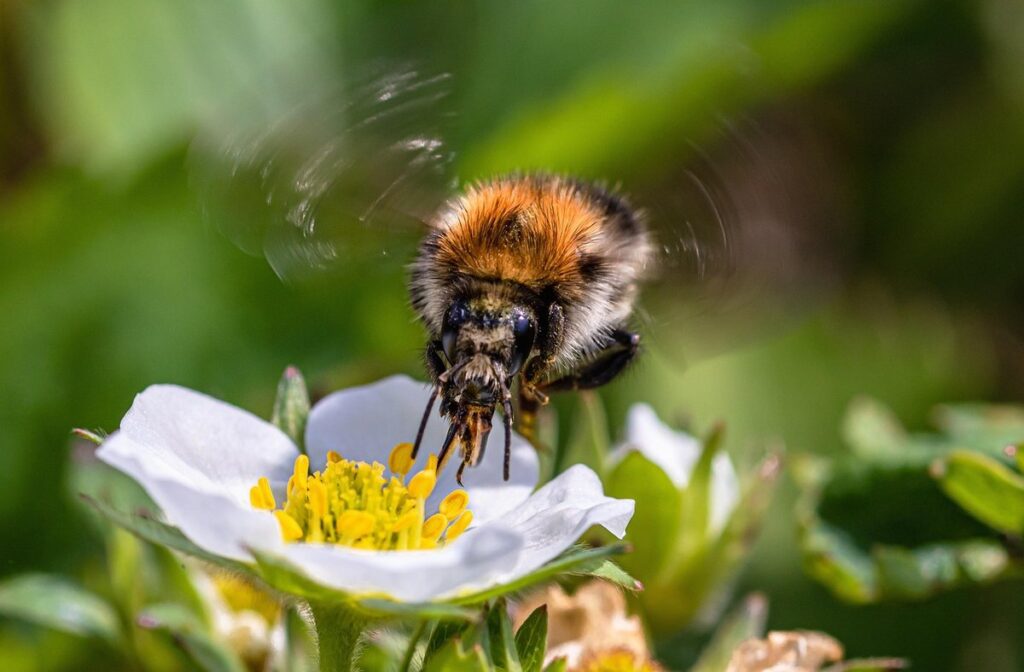
Understanding Strawberry Flowers and Pollination
To produce healthy strawberry plants, you need to understand how their flowers are pollinated. This process is crucial for fruit set and plant productivity.
The Importance of Understanding Strawberry Flower Structure
When it comes to strawberry pollination, understanding the flower structure is crucial for successful fruit production. Strawberry flowers have a unique reproductive system that’s different from other fruits. Each flower has five petals and 20-30 stamens, which produce pollen. But what’s really important to note is that strawberry flowers are actually modified leaves called bracts, and they’re responsible for producing the fruit.
The key reproductive parts of the strawberry flower include the anthers (the pollen-producing part) and the stigma (where the pollen lands). When a pollinator like a bee or a butterfly visits the flower, it collects pollen from the anther and transfers it to the stigma. This process is essential for fertilization to occur and for fruit production.
To encourage successful pollination, make sure your strawberry plants have a diverse range of flowers at different stages of development. This will attract multiple pollinators and increase the chances of cross-pollination. By understanding the flower structure and providing optimal growing conditions, you’ll be well on your way to achieving high yields and delicious homegrown strawberries.
Factors Affecting Pollination in Strawberries
When it comes to pollinating strawberries, environmental factors play a significant role in determining the success of the process. Temperature is one of the most critical factors that can impact pollination. Strawberries require temperatures between 60°F and 85°F (15°C and 30°C) for optimal pollination. If the temperature drops below 55°F (13°C), pollination becomes much more difficult, and if it rises above 90°F (32°C), it can be too hot for proper pollination.
Humidity is another crucial factor to consider. Strawberries require a humid environment with around 60-80% relative humidity. If the air is too dry, pollen may not adhere properly to the stigma, reducing the chances of successful pollination. On the other hand, excessive humidity can lead to fungal diseases that harm the plants.
Sunlight also plays a vital role in strawberry pollination. Strawberries require at least 6 hours of direct sunlight per day to produce well. Without sufficient sunlight, pollination may be impaired, and fruit production will suffer. Consider providing your strawberry patch with adequate shade during peak sun hours if you live in an area with intense sunlight. By understanding the environmental factors that affect pollination, you can create a more favorable environment for successful strawberry reproduction.
Attracting Pollinators to Your Strawberry Patch
To attract pollinators to your strawberry patch, you’ll want to focus on creating a welcoming environment that’s rich in nectar and pollen sources for bees, butterflies, and other helpful visitors. This section shares essential tips to get started!
Creating a Pollinator-Friendly Environment
Creating a pollinator-friendly environment is crucial to attracting beneficial bees and butterflies that help with strawberry pollination. To start, choose a spot for your strawberry patch that receives at least six hours of direct sunlight a day. This will not only provide the necessary warmth but also allow the plants to photosynthesize efficiently.
Next, select a mix of native wildflowers that bloom throughout the growing season and provide nectar and pollen sources for pollinators. Some examples include lavender, coneflowers, and black-eyed susans. These flowers should be planted within 10-15 feet of your strawberry patch to ensure that pollinators can easily access them.
Avoid using pesticides or herbicides in your garden, as these can harm or kill beneficial insects. Instead, adopt integrated pest management techniques like crop rotation, physical barriers, and biological controls to maintain a healthy ecosystem.
By incorporating these simple tips into your gardening routine, you’ll be well on your way to creating an environment that attracts pollinators and supports the health of your strawberry plants.
Planting Bee-Friendly Plants Near Strawberries
When it comes to creating a thriving strawberry patch, attracting pollinators is crucial for optimal fruit production. Planting bee-friendly flowers near your strawberries can have a significant impact on the success of your crop.
Certain flowers are more attractive to pollinators like bees and butterflies than others, so it’s essential to choose the right plants for your garden. For example, lavender, coneflower, and black-eyed Susan are all excellent choices because they’re rich in nectar and pollen – a bee’s primary source of nutrition.
Not only do these flowers provide a vital food source, but they also offer a sheltered haven for pollinators to rest and refuel. When selecting plants for your strawberry patch, consider their growth habits as well as their blooming periods. This will ensure that there’s always something in bloom to attract pollinators throughout the growing season.
By incorporating bee-friendly flowers into your strawberry patch, you can boost pollination rates and enjoy a more bountiful harvest. Try planting a mix of annuals like marigold and zinnia alongside perennials like beebalm and catmint for an added layer of support.
Hand-Pollination Techniques for Strawberry Plants
When it comes to hand-pollinating your strawberry plants, a few simple techniques can make all the difference in achieving a bountiful harvest. Let’s explore these essential methods together!
The Importance of Hand-Pollination in Strawberry Production
Hand-pollination is a crucial technique for strawberry producers to ensure optimal yields and high-quality fruit. One of the primary reasons hand-pollination is necessary is that strawberries are self-incompatible, meaning they require pollen from another plant to fertilize their flowers. Without proper pollination, strawberries may not produce viable seeds or may even drop their blossoms.
By hand-pollinating your strawberry plants, you can significantly improve yields and fruit quality. This technique involves transferring pollen from the anther of one flower to the stigma of another, allowing for cross-pollination to occur. To do this effectively, gently brush the pollen from the anther of a mature flower onto the stigma of another. You can also use a small, clean paintbrush or cotton swab to transfer the pollen.
Hand-pollination is especially important in commercial strawberry production, where consistent yields are essential for profitability. Studies have shown that hand-pollination can increase fruit set by up to 30% and improve overall yield by as much as 25%. By incorporating hand-pollination into your strawberry care routine, you can unlock the full potential of your plants and enjoy a bountiful harvest.
Basic Hand-Pollination Methods for Strawberries
Hand-pollinating strawberries is a simple yet effective way to boost fruit production and ensure a healthy crop. To start, you’ll need to prepare the flowers by removing any pollen that may be present on the anthers. Gently brush off the pollen using a small, dry paintbrush or a cotton swab. This will help prevent self-pollination and increase the chances of successful cross-pollination.
Next, take a small amount of pollen from the anther of another strawberry plant with similar growth characteristics (known as the “pollen donor”). You can collect this pollen by lightly touching the anther to the same type of paintbrush or cotton swab used earlier. Now, transfer the collected pollen to the stigma of the first flower by gently brushing it against the receptive surface.
It’s essential to handle the flowers and pollen with care to avoid damaging them. You may need to repeat this process for each flower, depending on the variety and your specific needs. Remember to handle multiple plants to ensure genetic diversity in your crop.
Using Technology to Enhance Pollination Efficiency
Technology can be a powerful tool for strawberry farmers, and we’re excited to explore how it can help optimize pollination efficiency. We’ll dive into the innovative ways technology is revolutionizing the pollination process.
The Role of Sensors and Drones in Strawberry Pollination
Sensors and drones are revolutionizing strawberry pollination by providing real-time data and insights to improve efficiency. In fact, a study found that drone-based pollination monitoring increased yields by up to 25% compared to traditional methods. By equipping drones with sensors, farmers can track the movement of bees and other pollinators, identifying areas where pollination is lacking.
This information allows farmers to target specific areas for supplemental pollination, such as using vibrating strings or fans to mimic bee activity. Some strawberry farms are also employing sensor- equipped tractors to monitor temperature, humidity, and soil moisture, ensuring optimal conditions for pollination. For example, the ideal temperature for strawberry pollination is between 18°C and 22°C.
To implement this technology on your farm, consider investing in a drone system with sensors capable of tracking pollinator activity. Additionally, work with a supplier to integrate sensor-equipped tractors into your existing farming infrastructure. By harnessing the power of sensors and drones, you can make data-driven decisions to optimize pollination efficiency and increase yields.
Benefits of Integrated Pest Management (IPM) Systems for Strawberries
Implementing an Integrated Pest Management (IPM) system is crucial for strawberry farmers who want to optimize pollination efficiency and promote a healthy environment for their crops. By adopting IPM systems, you can significantly reduce the use of chemical pesticides, which not only harm pollinators but also contaminate soil and water.
Research has shown that IPM systems can lead to a 30-50% reduction in pest-related issues, resulting in healthier plants and increased yields. This is because IPM systems focus on monitoring and managing pests in a holistic manner, taking into account the ecosystem as a whole. By adopting this approach, you can:
* Reduce the risk of pesticide drift, which can harm nearby bees and other pollinators
* Encourage beneficial insects like ladybugs and lacewings that prey on pests
* Maintain soil health through organic amendments, allowing for better water retention and reduced erosion
By switching to an IPM system, you’ll not only contribute to the well-being of your strawberry plants but also help safeguard pollinator populations. This is especially important during peak pollination periods when bees and other pollinators are most active.
Common Mistakes to Avoid When Pollinating Strawberries
When pollinating strawberries, it’s easy to make mistakes that can impact fruit set and quality. Let’s explore some common errors to watch out for in your strawberry patch.
Misconceptions About Strawberry Pollination
When it comes to strawberry pollination, there are several misconceptions that can lead to poor fruit set and reduced yields. One common myth is that strawberries require a lot of bees to pollinate them effectively. While bees are essential for strawberry pollination, the actual number required is relatively small. In fact, studies have shown that just one or two bees per flower cluster can be sufficient.
Another misconception is that strawberries need to be cross-pollinated by different varieties to produce fruit. This isn’t entirely accurate – while some strawberries do require cross-pollination, many modern varieties are self-fertile and can set fruit on their own. However, providing a compatible pollinator plant nearby can still increase yields and improve fruit quality.
It’s also worth noting that strawberry flowers are actually hermaphroditic, meaning they contain both male and female reproductive organs. This means that they don’t require an external pollinator to produce fruit – but having one can still boost yields and ensure a more consistent crop.
Troubleshooting Pollination Issues in Your Strawberry Patch
Identifying low yields and poor fruit quality can be a frustrating experience for strawberry growers. However, these issues are often symptoms of underlying pollination problems. To troubleshoot pollination issues, start by observing the plants themselves. Check for signs of adequate pollinator activity, such as bees or other insects visiting the flowers. If you notice a lack of visitors, consider introducing attractant plants like lavender or mint nearby to entice them.
Another common issue is poor fruit set due to inadequate pollination. This can be caused by factors like insufficient pollen transfer, inconsistent temperature fluctuations, or exposure to strong winds. To resolve this, ensure that your strawberry patch receives consistent sunlight and maintain optimal temperatures between 60-70°F (15-21°C) during the day.
To address low yields specifically, assess your strawberry variety’s pollination requirements. Some varieties are self-pollinating, while others require cross-pollination to produce fruit. Be sure to choose a variety that suits your needs and environment. Regularly inspect your plants for any signs of disease or pests, which can impact pollination rates.
By monitoring your strawberries’ growth patterns and making adjustments as needed, you can effectively troubleshoot common pollination issues and enjoy a bountiful harvest.
Advanced Techniques for Optimizing Strawberry Pollination
For experienced growers, optimizing strawberry pollination requires a deeper understanding of factors such as plant placement and timing. Let’s dive into these advanced techniques together.
Using Bees or Honeybees for Strawberry Pollination
Using bees or honeybees as pollinators in strawberry production can be an effective way to ensure optimal pollination and increased yields. These pollinators are naturally drawn to the sweet nectar of strawberries, making them a perfect fit for this crop.
Honeybees, in particular, are excellent pollinators due to their ability to fly long distances and visit multiple flowers within a short period. In fact, studies have shown that honeybee colonies can increase strawberry yields by up to 30% compared to non-bee-pollinated fields. This is likely due to the bees’ high level of activity during peak strawberry bloom periods.
When introducing bees or honeybees to your strawberry field, it’s essential to provide them with a source of water and shelter from harsh weather conditions. You can also consider using bee hotels or hives specifically designed for strawberry pollination to maximize their effectiveness.
Some key factors to keep in mind when working with bees include maintaining a healthy colony through regular inspections and providing a balanced diet for the bees through supplemental feeding during periods of low nectar flow. By following these best practices, you can create an optimal environment for your bee pollinators to thrive and ensure successful strawberry pollination.
Strategies for Improving Pollinator Health and Diversity
When it comes to promoting pollinator health and diversity in strawberry fields, creating a welcoming habitat for these vital visitors is crucial. One way to do this is by incorporating native wildflowers, herbs, and shrubs into the field’s periphery. These plants provide nectar-rich flowers that attract bees, butterflies, and other pollinators, offering them a reliable source of food.
Reducing or eliminating pesticide use in your strawberry fields can also have a significant impact on pollinator health. Many common pesticides have been linked to declining bee populations, so switching to integrated pest management (IPM) strategies can help mitigate this risk. For instance, using physical barriers or introducing beneficial insects like ladybugs and lacewings can reduce the need for chemical pesticides.
Another key strategy is to maintain a diverse range of pollinator-friendly plants throughout your fields. This can include cover crops like clover or alfalfa, which provide additional nectar sources during times when strawberry flowers are scarce. By implementing these strategies, you can create a thriving ecosystem that supports the health and diversity of pollinators – ultimately benefiting both your strawberries and the environment.
Frequently Asked Questions
Can I use a single strawberry plant to pollinate multiple plants?
Yes, you can use a single strawberry plant for hand-pollination of multiple plants. However, it’s essential to choose healthy and vigorous plants with an adequate number of flowers to ensure proper cross-pollination.
How do I know if my strawberries are being adequately pollinated by bees or other natural pollinators?
Monitor your strawberry patch for signs of adequate pollination, such as a high number of fruit set and consistent growth. Keep in mind that factors like weather conditions, pest management, and soil quality also impact pollination efficiency.
What’s the ideal time for hand-pollination with strawberry plants, considering temperature and humidity levels?
The optimal time for hand-pollination is usually early morning or late afternoon when temperatures are mild (around 60-80°F) and humidity levels are moderate. Avoid pollinating in direct sunlight to prevent pollen damage.
Can I use technology like sensors and drones for monitoring and optimizing strawberry pollination, especially for large-scale farming?
Yes, incorporating technology can enhance pollination efficiency. Sensors and drones help monitor temperature, humidity, and pest activity in real-time, enabling more informed decision-making on optimal planting schedules, fertilizer application, and pest control measures.
How do I maintain a healthy balance between using hand-pollination techniques and relying on natural pollinators like bees?
Maintain a balanced approach by combining hand-pollination with strategic planting of bee-friendly plants nearby. This ensures that your strawberry patch benefits from both manual assistance and natural pollinator support, maximizing overall productivity.