
Soil organic matter is the lifeblood of any healthy ecosystem, playing a crucial role in supporting plant growth, improving water retention, and reducing soil erosion. However, many soils around the world are struggling to maintain adequate levels of this vital resource. As a gardener or farmer, you may be wondering how to boost your soil’s organic matter content. Fortunately, there are numerous effective management practices that can help you achieve this goal. In this comprehensive guide, we’ll delve into the best strategies for increasing soil organic matter through cover cropping, composting, and more. We’ll also draw from case studies and expert insights to provide actionable advice and real-world examples of success. By implementing these techniques, you’ll be well on your way to building a healthier, more resilient soil that will reward your efforts with vibrant growth and bountiful harvests.
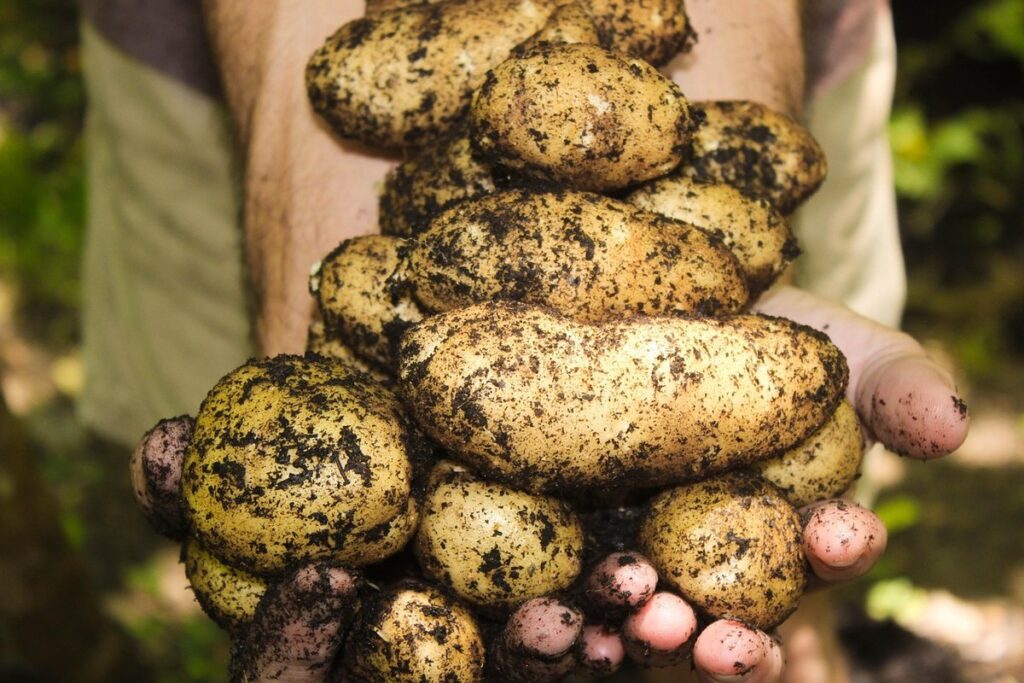
Benefits of High Soil Organic Matter Content
Increasing soil organic matter can have a significant impact on your garden’s overall health and productivity, but what are some of the specific benefits you can expect to see? Let’s take a closer look.
Importance of Soil Health
Soil health is intricately linked to ecosystem services, which are vital for maintaining ecological balance. When soil organic matter content is high, it enables the soil to perform numerous functions beneficially. Water filtration is one such process, facilitated by the network of roots and microorganisms within healthy soils. These organisms aid in trapping sediments and pollutants, thus purifying water that eventually reaches our rivers, lakes, and oceans.
High soil organic matter also plays a significant role in carbon sequestration. As more organic materials are added to the soil, it stores carbon dioxide from the atmosphere, which otherwise would contribute to global warming. This process has been observed in various studies where land-use changes have led to enhanced soil carbon storage.
Another critical function of healthy soils is supporting biodiversity. When soil organic matter content is high, it provides a conducive environment for plant growth, attracting pollinators and other beneficial insects that add to the ecosystem’s overall health.
Impact on Crop Yield and Quality
High levels of soil organic matter have a profound impact on crop growth, yield, and quality. Soil with high organic matter content tends to retain more water, reducing the need for irrigation and making crops less susceptible to drought stress. This is especially beneficial for areas prone to dry spells or where water conservation is a concern.
Soil’s nutrient cycling capacity is also significantly improved when it has high levels of organic matter. As organic matter breaks down, nutrients become available to plants, reducing the need for synthetic fertilizers and minimizing soil degradation. For example, a study on Midwest cornfields found that increasing soil organic matter by 1% led to a 2-3% increase in yields.
Crop quality is also enhanced when grown in soils with high organic matter content. Studies have shown that crops grown in such soils tend to have higher protein and sugar content, as well as better texture and flavor profiles. This is largely due to the improved nutrient availability and balanced soil chemistry that comes with increased organic matter levels.
In practical terms, you can increase your soil’s organic matter by adding compost or other rich organic materials to the soil. A general rule of thumb is to aim for at least 4-6% organic matter content in your soils – this will have a noticeable impact on crop yields and quality over time.
Factors Affecting Soil Organic Matter Levels
Soil organic matter levels can be significantly influenced by various factors, including climate, soil type, and land management practices you’re currently using. Let’s dive into these essential considerations together.
Climate and Temperature
Climate and temperature play a crucial role in determining soil organic matter content. Temperature fluctuations can significantly impact decomposition rates, with most microorganisms thriving within a narrow range of 10-30°C (50-86°F). In regions with extreme temperatures, such as polar or desert areas, decomposition rates are much slower due to the limited activity of microorganisms.
As temperature increases, decomposition rates accelerate, but this also leads to the loss of organic matter through oxidation and respiration. For example, in tropical regions with high temperatures and frequent rainfall, soil organic matter can be lost quickly due to rapid decomposition.
Conversely, cold temperatures slow down decomposition rates, allowing organic matter to accumulate over time. In temperate climates with moderate temperatures, the balance between decomposition and accumulation leads to stable soil organic matter levels. To mitigate the negative impacts of temperature fluctuations on soil organic matter content, consider implementing practices that promote soil health, such as cover cropping, crop rotation, or integrating legumes into your agricultural systems. These strategies can help maintain optimal moisture levels, reduce erosion, and foster a balanced microbial community.
Management Practices and Tillage
When it comes to managing soil organic matter levels, farming practices play a crucial role. One of the most effective ways to maintain or increase soil organic matter is through reduced tillage and no-till systems. By minimizing disturbance to the soil, these methods allow for greater root growth, which in turn helps to build a more extensive network of soil pores. This not only improves water infiltration but also enables plants to tap into a wider range of nutrients.
Conservation agriculture, which often employs no-till or reduced tillage, is another approach that has been shown to boost soil organic matter levels. By maintaining crop residues on the surface and planting cover crops during off-seasons, conservation agriculture promotes soil carbon sequestration while also reducing erosion risk. This holistic approach not only supports soil health but also enhances biodiversity by creating habitats for beneficial organisms.
Incorporating cover crops is another simple yet effective way to increase soil organic matter levels. By planting legumes or other nutrient-dense species between cash crop cycles, farmers can introduce a continuous flow of organic inputs into the system. This approach not only helps to replenish soil nutrients but also supports microbial activity by providing a readily available food source for beneficial microbes.
Methods for Increasing Soil Organic Matter
To effectively boost soil organic matter, we’ll dive into practical methods that incorporate cover crops, composting, and other natural techniques to enrich your soil. Let’s explore these simple yet powerful strategies.
Cover Cropping Strategies
Cover cropping is a simple yet effective strategy for increasing soil organic matter. By incorporating cover crops into your agricultural rotation, you can reap numerous benefits that enhance soil health. There are several types of cover crops to choose from, each with its unique characteristics and advantages.
Legume-based cover crops like winter peas and hairy vetch are excellent at fixing nitrogen in the soil, reducing the need for synthetic fertilizers. They also have a natural ability to suppress weeds and improve soil structure. Annual ryegrass and oats are other popular options that can provide quick soil cover and erosion control.
To get the most out of your cover crop strategy, it’s essential to follow best management practices. This includes planting cover crops at the right time, maintaining adequate moisture levels, and terminating them before they go to seed. Timing is crucial, as cover crops need to be planted between cash crops to allow for proper growth and establishment.
When selecting a cover crop species, consider factors such as climate, soil type, and target pest management goals. By choosing the right cover crop for your specific needs, you can unlock its full potential and significantly increase soil organic matter levels.
Composting and Manure Management
Composting and manure management are crucial components of increasing soil organic matter. Composted organic amendments can be a valuable addition to your soil, providing essential nutrients and improving its structure. However, the process of composting requires careful planning and execution to ensure it’s done effectively.
When creating compost, start by collecting a mix of green materials like food scraps and grass clippings, along with brown materials such as leaves or branches. Aim for a balance between these two types of materials, as this will create an optimal environment for decomposition. Regular turning of the pile is also essential to aerate it and speed up the process.
Regarding manure management, the key is to minimize environmental impacts while utilizing its nutrient-rich value. This can be achieved by incorporating manure into your composting program or using it as a fertilizer after proper treatment. Consider implementing practices like crop rotation and cover cropping to make the most of this resource.
Some statistics highlight the importance of proper manure management: in the United States alone, agricultural activities generate over 1 billion tons of animal waste annually. Properly managing this waste can not only improve soil health but also mitigate environmental concerns such as water pollution.
Role of Organic Amendments in Soil Regeneration
When it comes to boosting soil organic matter, understanding the role of organic amendments is crucial. In this section, we’ll explore how these natural additives can kickstart regeneration.
Understanding Organic Fertilizers
Organic fertilizers are a crucial component of increasing soil organic matter. These natural substances provide essential nutrients to plants while promoting a balanced ecosystem in the soil. There are several types of organic fertilizers available, each with its unique characteristics and benefits.
Compost, for instance, is a rich source of microorganisms that help break down organic matter and make it available to plants. Its beneficial effects on soil microbiology include improved water retention, enhanced nutrient cycling, and increased cation exchange capacity. However, composting can be a time-consuming process, requiring careful management of carbon-to-nitrogen ratios.
Other types of organic fertilizers, such as manure and green sand, offer distinct advantages in terms of nutrient content and cost-effectiveness. Manure, derived from animal waste, provides a high concentration of nitrogen, phosphorus, and potassium, making it an excellent option for intensive farming practices. Green sand, on the other hand, is a slow-release fertilizer that improves soil structure and promotes plant growth.
When selecting organic fertilizers, consider factors such as nutrient content, pH level, and potential impact on soil microbiology. By choosing the right type of organic fertilizer for your specific needs, you can create a thriving ecosystem in your soil while minimizing environmental harm. To maximize their benefits, apply organic fertilizers regularly and at the correct application rates to avoid over-fertilization.
Benefits of Integrated Nutrient Management
When it comes to optimizing soil health, adopting an integrated nutrient management approach is crucial. This holistic method combines both organic and synthetic inputs to provide a balanced supply of essential nutrients. By doing so, you can significantly enhance the overall fertility and productivity of your soil.
This integrated approach allows for optimal utilization of resources, minimizing waste, and reducing environmental pollution. Organic amendments like compost, manure, and green manures provide slow-release nutrients, while synthetic fertilizers offer quick-fix solutions. However, over-reliance on either organic or synthetic inputs can have negative consequences.
To effectively implement an integrated nutrient management system, start by conducting a soil test to determine its nutrient levels. Then, create a balanced fertilizer plan that incorporates both organic and synthetic inputs according to your soil’s specific needs. For instance, apply compost in the fall followed by synthetic fertilizers during peak growing seasons. Regular monitoring of your soil health will enable you to make adjustments as needed.
By embracing this integrated approach, you’ll not only increase soil organic matter but also improve its overall structure, fertility, and water-holding capacity. This, in turn, will lead to healthier plant growth, increased crop yields, and a more sustainable agricultural system.
Case Studies: Successful Soil Organic Matter Projects
Let’s take a look at some real-world examples of soil organic matter projects that have achieved remarkable results and learn from their successes. We’ll examine what worked and how you can apply these strategies to your own project.
Real-World Examples of Soil Regeneration
Farmers like Joel Salatin of Polyface Farms in Virginia have achieved remarkable success with soil regeneration. He increased his farm’s organic matter levels by 10% within a year by implementing no-till farming, cover cropping, and integrating livestock grazing. This approach not only reduced erosion but also improved the soil’s water-holding capacity.
Similarly, a research project in Iowa demonstrated the effectiveness of incorporating compost into crop rotations. The study showed that adding 2-4 inches of compost increased soil organic matter by up to 5% within two years, leading to better nutrient availability and plant growth. This case highlights the importance of integrating composting practices into farming routines.
The community-led project in Kenya’s Mzuzu district has also made significant strides in soil regeneration. Farmers there adopted agroforestry techniques, incorporating trees into their crop fields to enhance biodiversity. By doing so, they increased soil organic matter levels by up to 8% within a year, improving soil health and fertility.
These examples illustrate the potential for successful soil regeneration projects when farmers, researchers, or communities collaborate to implement effective strategies. They also demonstrate that overcoming challenges requires patience, persistence, and a willingness to adapt approaches based on results.
Lessons for Scalability and Adoption
As we delve into the case studies of successful soil organic matter projects, it’s essential to identify the key factors that contributed to their success. By analyzing these elements, we can gain valuable insights on how to scale up and integrate best practices into larger agricultural systems.
One crucial factor is the adoption of integrated management approaches. For instance, a study in the United States demonstrated that implementing a combination of cover cropping, crop rotation, and conservation tillage resulted in a significant increase in soil organic matter (SOM) levels. By integrating multiple strategies, farmers can mitigate risks associated with climate change, soil degradation, and declining fertility.
To scale up these initiatives, consider the following steps:
* Collaborate with local organizations to provide training and technical assistance for farmers.
* Implement policies that incentivize sustainable agriculture practices through financial rewards or tax breaks.
* Establish long-term monitoring programs to track progress and identify areas for improvement. By applying these strategies, we can build a more resilient and sustainable agricultural system, ultimately leading to increased soil organic matter levels.
Conclusion: Pathways Forward for Soil Organic Matter Increase
Now that we’ve explored the importance and benefits of increasing soil organic matter, it’s time to consider how you can implement these changes on your farm or in your garden. Let’s outline the key pathways forward for growth.
Prioritizing Soil Health in Policy and Practice
To effectively increase soil organic matter, it’s essential to have supportive policies and practices that prioritize soil health. Decision-makers play a critical role in creating an environment where sustainable management practices are incentivized and adopted by farmers. Governments can implement policies that provide financial incentives for farmers who adopt conservation tillage, cover cropping, or integrate livestock into their operations.
For instance, the US Department of Agriculture’s Conservation Reserve Program has been successful in encouraging farmers to adopt conservation practices that build soil organic matter. Similarly, initiatives like the Soil Health Institute’s “Soil Health Partnership” bring together industry leaders and experts to develop incentives for farmers adopting regenerative agriculture practices.
To get started, farmers can identify existing policy programs and incentives offered by their local government or organizations they’re a part of. They can also collaborate with other farmers to share knowledge and resources in implementing sustainable management practices. By working together and having supportive policies in place, we can create an environment where soil organic matter increase becomes the norm.
Future Research Directions
As we conclude our comprehensive guide to increasing soil organic matter, it’s essential to consider potential research directions that could further our understanding of this critical ecosystem component. By exploring new avenues of study, we can refine strategies for boosting soil organic matter levels and creating more resilient ecosystems.
One area ripe for investigation is the impact of climate change on soil organic matter dynamics. As temperatures rise and precipitation patterns shift, it’s crucial to understand how these changes will influence microbial communities, decomposition rates, and overall carbon sequestration in soils. Researchers could investigate strategies for adapting agricultural practices to mitigate these effects or explore novel technologies for enhancing soil carbon storage.
Another promising research direction involves exploring the role of beneficial microorganisms in enhancing soil organic matter. Scientists could delve into the relationships between specific microbes, soil nutrients, and plant growth factors, developing targeted approaches for cultivating “carbon-starved” soils. By unlocking the secrets of microbial-mediated soil improvement, we can develop more effective and sustainable methods for increasing soil organic matter levels.
Frequently Asked Questions
How long does it take to see noticeable improvements in soil organic matter levels after implementing management practices?
The time it takes to see improvements can vary depending on factors such as initial soil health, climate, and the specific management practices implemented. Generally, significant changes can be observed within 1-3 years, but some studies have shown that even small changes can lead to noticeable differences in soil function over shorter periods.
Can I use a combination of cover cropping and composting to boost soil organic matter levels quickly?
Yes, combining cover cropping with composting can accelerate the increase in soil organic matter. Cover crops help to add organic residues to the soil, while composting enhances the quality and quantity of these inputs. By using both methods together, you can potentially see faster results than relying on a single approach.
How do I choose the right cover crops for my specific climate and region?
Selecting suitable cover crops requires considering your local climate, soil type, and pest/disease pressures. Researching region-specific recommendations or consulting with experts can help you identify the most effective cover crop species for your area. It’s also essential to ensure that the chosen cover crops are compatible with your target cash crop.
Can I apply organic amendments too frequently, or will it have adverse effects on soil health?
No, applying organic amendments too frequently is unlikely to cause significant harm but may not provide additional benefits beyond a certain point. Over-reliance on external inputs can disrupt the natural balance of your soil ecosystem. Instead, aim for a balanced approach that incorporates regular monitoring and adjustment of your nutrient management plan.
How do I integrate integrated nutrient management (INM) into my existing farming or gardening practices?
Implementing INM involves a systems-thinking approach to optimize nutrient use efficiency. Start by assessing your current nutrient inputs and outputs, then identify areas where adjustments can be made. Consider adopting crop rotation strategies, optimizing fertilizer application schedules, and using organic amendments judiciously to create a more holistic and sustainable nutrient management plan.