
Are you tired of watching your seeds struggle to grow, only to end up with a low success rate? Boosting seed germination rates is crucial for any gardener or greenhouse enthusiast looking to maximize their yields. Not only can it save time and money, but it also ensures that your plants get the best possible start in life.
To increase seed germination rates, you need to understand the basics of how seeds work and what conditions they require to thrive. This means preparing your seeds properly, optimizing the environment for growth, and using advanced techniques to give them an edge. In this article, we’ll explore expert strategies for achieving high success rates in your garden or greenhouse. We’ll delve into the world of seed preparation, optimal growing conditions, and innovative techniques to supercharge germination.
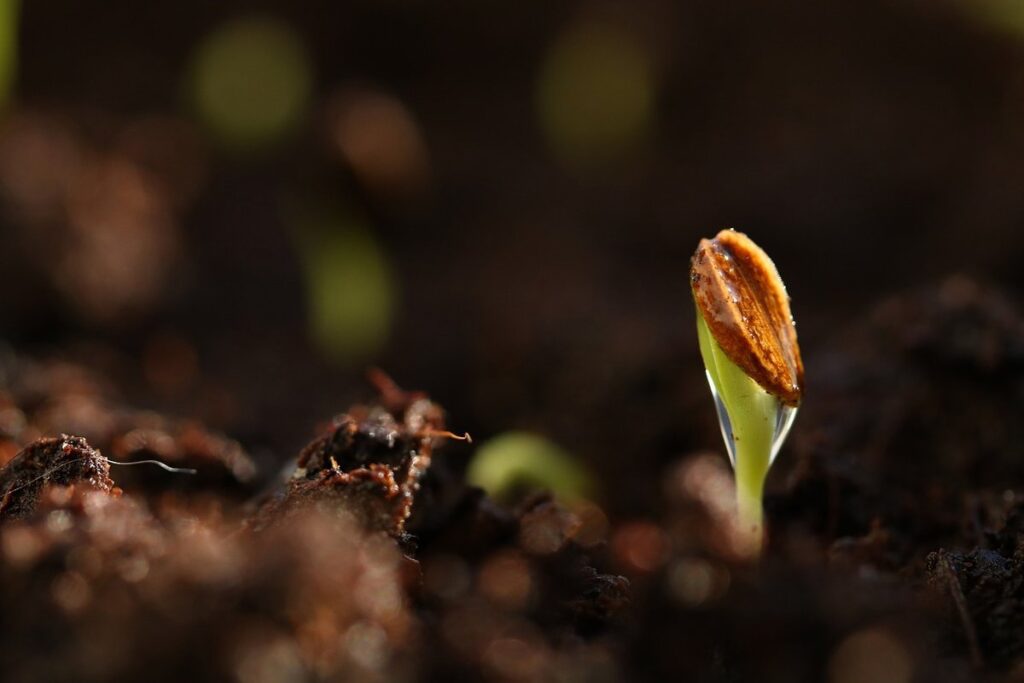
Understanding Seed Germination Basics
To get started on boosting those seed germination rates, let’s dive into the basics of what makes seeds sprout and grow. We’ll explore the fundamental factors that affect germination.
The Science Behind Seed Germination
At its core, seed germination is a complex process that involves the coordinated efforts of water, temperature, and light. Water plays a crucial role by allowing the seed to absorb essential nutrients from the surrounding soil. Without adequate moisture, seeds remain dormant, unable to initiate the germination process.
Temperature also has a significant impact on seed germination rates. Different plant species have specific optimal temperatures for germination, ranging from as low as 40°F (4°C) for some cool-season crops to above 70°F (21°C) for warm-season crops. For example, tomato seeds typically require a temperature of around 70-85°F (21-29°C) to initiate germination.
Light exposure is another critical factor influencing seed germination rates. Some seeds, such as those in the bean family, have a hard coat that requires light to break dormancy and allow water penetration. On the other hand, some species like lettuce and onions can be germinated in darkness. To optimize seed germination, it’s essential to provide the right balance of these three elements: adequate moisture, suitable temperature, and sufficient light exposure.
Factors Affecting Seed Germination
Seed germination is influenced by various factors that can either promote or hinder this critical process. One of the most crucial factors is soil quality. Seeds need a suitable medium to sprout and grow, and poor soil can lead to stunted growth or even death. Ensure that you’re using well-draining potting mix specifically designed for seed starting.
Another significant factor is pH levels in the soil. Most seeds prefer a slightly acidic to neutral soil pH, ranging from 6.0 to 7.0. If your soil is too alkaline or acidic, it can affect nutrient availability and make it challenging for seeds to germinate. Check your soil pH regularly and amend it if necessary.
Moisture levels also play a vital role in seed germination. Seeds require adequate moisture to break dormancy and sprout. However, overwatering can lead to rot and other issues. Water the soil gently but thoroughly when sowing seeds, and maintain consistent moisture levels until they’re established. Aim for a moisture level of around 8-10 inches per week.
When assessing soil quality, test kits or pH meters can help determine the necessary adjustments. For instance, adding organic matter like compost or well-rotted manure can improve soil structure and fertility, while acidic soils may benefit from lime application to raise the pH. Keep in mind that seed type also plays a role; for example, some seeds are more sensitive to pH fluctuations than others.
Preparing Seeds for Optimal Germination
To achieve optimal germination, it’s essential that your seeds are properly prepared before sowing, starting with selecting high-quality seeds and checking their viability.
Seed Selection and Storage
Choosing the right seeds for your needs is crucial to achieve optimal germination rates. When selecting seeds, consider their freshness and storage conditions, as these factors can significantly impact germination success. Look for seeds that are packaged specifically for the current growing season or have a clear “sow by” date.
Check the seed packet for any visible signs of aging, such as cracks in the coating or discoloration. If you’re unsure about the age of your seeds, it’s best to err on the side of caution and purchase fresh ones. Store seeds in a cool, dry place, away from direct sunlight and moisture.
Ideal storage conditions include a temperature between 40°F and 70°F (4°C and 21°C) and humidity levels below 60%. Seeds can be stored in airtight containers or envelopes to maintain their viability. Keep seeds separate from other household items that may emit moisture or have strong odors, which can compromise seed quality.
Regularly inspect your seed stock for signs of degradation and replace them as needed. By choosing fresh seeds and storing them properly, you’ll set yourself up for success in achieving higher germination rates.
Seed Stratification and Scarification
Some seeds require a little extra help to break free from their dormancy. This is where seed stratification and scarification come into play – two techniques that can significantly boost germination rates.
Seed stratification involves mimicking the natural process of winter, which helps to weaken the seed coat and encourage sprouting. You can use a refrigerator or create a DIY cold frame using an old container, some water, and ice packs. For example, if you’re trying to grow a succulent like an Aloe Vera, you’ll need to chill it in the fridge for 30-60 days before planting.
Scarification is another effective method, which involves lightly scratching or cutting through the seed coat to allow water to penetrate more easily. Use a nail file, sandpaper, or even a sharp knife to gently remove a small portion of the outer layer. The key is not to damage the embryo inside, but rather create just enough entry point for moisture and air to reach it.
The combination of both stratification and scarification can be especially beneficial for seeds with thick coats, like those found in beans or peas.
Seed Treatment with Activators or Inhibitors
Chemical treatments can be an effective way to enhance seed germination rates or prevent fungal growth. Seed treatment with activators or inhibitors is a common practice used by farmers and gardeners worldwide.
Seed activators are chemicals that stimulate seed germination, often by breaking down seed dormancy or promoting cell division. These products typically contain gibberellins, cytokinins, or other plant hormones that promote growth. Examples of seed activators include 1-aminocyclopropane-1-carboxylic acid (ACC) and benzylaminopurine (BAP). When applied to seeds, these chemicals can improve germination rates by up to 20%. However, it’s essential to follow the manufacturer’s instructions carefully, as excessive application can be detrimental.
On the other hand, seed inhibitors are used to prevent fungal growth or disease in seeds. These products contain chemicals such as thiram, captan, or chlorothalonil that inhibit fungal spore germination and prevent root rot. By applying a seed inhibitor before planting, you can reduce the risk of disease and improve seedling establishment.
When choosing between seed activators and inhibitors, consider your specific needs and crop requirements. Always follow label instructions and use these chemicals judiciously to avoid overapplication and potential harm to seeds or the environment.
Optimizing Germination Conditions
Now that you have a good understanding of seed selection and preparation, let’s dive into optimizing the conditions for successful germination. This includes temperature, light, water, and substrate manipulation to maximize your chances of success.
Temperature Control for Seed Germination
Maintaining optimal temperature control is crucial for seed germination. The ideal temperature range varies depending on the type of seed. For example, lettuce seeds prefer a cooler temperature between 60-70°F (15-21°C), while tomato seeds thrive at warmer temperatures between 75-85°F (24-29°C).
Some seeds are sensitive to extreme temperatures and may not germinate if exposed to temperatures outside their optimal range. To ensure consistent temperatures, consider investing in a heat mat or a temperature-controlled propagation tray. These tools allow for precise control over the growing environment, reducing the risk of temperature fluctuations.
When using a heat mat, place it under the seed starting trays, and follow the manufacturer’s guidelines for temperature settings. Be cautious not to overheat the seeds, as this can lead to reduced germination rates or even damage the seedlings. By maintaining optimal temperatures, you’ll be one step closer to boosting your seed germination rates and giving your plants a strong start in life.
Watering and Humidity Levels
Maintaining optimal water levels and humidity is crucial for successful seed germination. Seeds need consistent moisture to break dormancy and initiate growth. Too little water can cause seeds to dry out and fail to germinate, while too much water can lead to rot and fungal infections.
Aim to provide seeds with adequate moisture during the germination period, usually between 1-3 days after sowing. Overwatering is more common than underwatering, so it’s essential to monitor soil moisture closely. Check the soil daily by inserting your finger or a chopstick into the soil up to the first knuckle; if the soil feels dry, it’s time for watering.
For seeds with specific humidity requirements, such as tropical plants like orchids and bromeliads, maintain a humid microclimate around 50-70% relative humidity. You can achieve this by covering the seed tray or pot with a clear plastic bag or cloche. Remove any excess condensation to prevent fungal growth.
As a general rule of thumb, water seeds gently but thoroughly once or twice a week, depending on the climate and soil type. Avoid getting water directly onto the seeds, as this can cause them to rot. Instead, water the soil around them, allowing it to absorb moisture evenly. By striking the right balance between water and humidity, you’ll create an optimal environment for your seeds to germinate and thrive.
Providing Nutrients and Support
Proper nutrient supply is essential for seed germination, as seeds require adequate water, oxygen, and nutrients to break dormancy and initiate growth. Next, we’ll explore how to provide optimal support for your seeds.
Soil Quality and Fertilization
When it comes to boosting seed germination rates, soil quality plays a crucial role. Nutrient-rich soil provides seeds with the essential nutrients and water they need to grow strong and healthy. This is why it’s essential to create an optimal environment for your seeds from the very beginning.
Start by testing the pH level of your soil to ensure it falls within the ideal range for seed germination (most seeds thrive in a slightly acidic to neutral soil pH). If necessary, adjust the pH level using organic matter like compost or well-rotted manure. Next, add a balanced fertilizer specifically designed for seeds and seedlings. Follow the recommended application rates carefully to avoid over-fertilizing, which can damage your seeds.
To enhance soil fertility, incorporate natural fertilizers such as worm castings, bone meal, or fish emulsion into your growing mix. These nutrient-dense additives will provide your seeds with a boost of essential micronutrients and macronutrients needed for rapid growth. By creating an optimal soil environment, you’ll set the stage for healthy seed germination and establishment.
Seedling Support Systems
When it comes to seed germination, providing adequate support to young seedlings is just as crucial as giving them enough nutrients. As seeds sprout and grow, they need structural support to stand upright and reach for sunlight, which promotes healthy growth and development.
There are several methods you can use to provide this necessary support, starting with trellises. These can be simple or elaborate, depending on your space and the type of plants you’re growing. For example, if you’re cultivating vining crops like peas or cucumbers, a straightforward A-frame trellis will suffice. However, for more intricate varieties like tomatoes or squash, consider investing in a sturdier freestanding trellis that can accommodate multiple stems.
Another option is to use stakes, which are especially useful for single-stemmed plants like beans and sunflowers. Simply drive the stake into the soil near the seedling, then gently tie it with twine or soft wire to provide support without constricting growth. Some gardeners also swear by cages, whether they’re made from chicken wire or heavy-duty metal mesh. These can be especially useful for larger plants that need protection from wind damage and require a bit more structural reinforcement.
To maximize the effectiveness of these systems, remember to install them at planting time, when seedlings are still tender and vulnerable. This will prevent root disturbance and ensure that young stems receive proper support without becoming entangled or damaged.
Monitoring and Troubleshooting Germination Issues
If you’re experiencing trouble getting your seeds to germinate, don’t worry – we’ll walk you through common issues and how to troubleshoot them successfully. Let’s get started on resolving these problems together!
Recognizing Common Problems
Recognizing common problems is crucial to solving germination issues. One of the most common problems affecting seed germination is fungal infections. These can be caused by excess moisture, poor ventilation, or contaminated soil. To identify a fungal infection, look for symptoms such as white or yellowish patches on the seedlings’ leaves or stems. If you suspect a fungal issue, treat the affected area with a fungicide specifically designed for seedlings.
Another common problem is inadequate light. Seeds require adequate light to germinate and grow. Insufficient light can lead to weak and spindly seedlings that struggle to thrive. Check the growing conditions of your seeds: are they receiving sufficient natural or artificial light? Make sure the light source is not too far away from the seeds, and consider using supplemental lighting if necessary.
Inadequate water supply is another issue that can affect germination rates. Seeds require consistent moisture during the germination process. If the soil becomes too dry, seedlings may not emerge properly, while overwatering can lead to rot and other problems. Monitor your soil’s moisture levels carefully and adjust your watering schedule accordingly.
Strategies for Overcoming Germination Challenges
When faced with germination challenges, it’s essential to address specific problems and optimize germination rates. High temperatures can be detrimental to seed germination; consider using temperature-controlled environments or shading the seeds to maintain optimal temperatures between 15-25°C (59-77°F). Similarly, excessive moisture can lead to mold and fungal growth, causing seed rot. Ensure proper ventilation and use a well-draining medium to prevent waterlogged conditions.
Another common issue is inadequate humidity. Seeds require a certain level of humidity to germinate effectively. You can cover the containers with clear plastic or cloths to maintain high humidity levels during the first few days after sowing. Avoid overcrowding, as this can lead to competition for resources and inhibit seed growth.
In areas with low light conditions, consider using grow lights to supplement natural light. This will provide seeds with the necessary energy to germinate. By addressing these specific problems and implementing strategies to optimize germination rates, you’ll be better equipped to overcome common challenges and achieve successful seed germination results.
Advanced Techniques for Enhanced Seed Germination Rates
To take your seed germination techniques to the next level, we’ll explore advanced methods that can significantly boost your success rates and ensure healthier seedlings.
Using LEDs and Grow Lights for Optimal Growth
LED grow lights have revolutionized the way we cultivate plants, and their application is no exception when it comes to seed germination. These energy-efficient light sources offer unparalleled flexibility and control over the growth environment. When choosing an LED grow light for optimal seed germination, consider the spectrum and intensity levels that mimic natural sunlight.
Optimal spectrum for seed germination typically falls within the blue (400-500nm) and red (600-700nm) spectrums, with a ratio of 2:1 or 3:1 blue to red. This balance promotes healthy root growth and development while encouraging seedling emergence. Intensity levels should be moderate, around 20-40 micromoles per square centimeter (μmol/sqm). Avoid high-intensity settings as they can lead to over-stimulation and reduced germination rates.
Some popular LED grow light options include full-spectrum LEDs that mimic natural sunlight, while others specialize in specific spectrums like blue or red. Research and experiment with different types to determine the best fit for your seed germination needs.
Experimental Approaches to Improving Seed Germination
Experimental approaches to improving seed germination are being increasingly researched and applied in agriculture and horticulture. One such approach is the use of precise temperature control and light schedules. Researchers have found that specific temperature fluctuations can mimic natural environmental conditions, promoting optimal germination rates.
Another innovative method involves using microorganisms like fungi or bacteria to enhance seed germination. For instance, a study on wheat seeds showed a 25% increase in germination when treated with beneficial fungal strains. This approach is being explored for its potential to reduce chemical use and promote sustainable agriculture practices.
Seed priming, another experimental technique, has shown promising results. By applying a specific osmotic stress or nutrient solution, seed germination rates can be significantly improved. A study on soybean seeds demonstrated a 30% increase in germination rate after seed priming with a calcium chloride solution.
These innovative methods hold great potential for boosting seed germination rates and are worth exploring further in your own experiments.
Frequently Asked Questions
How can I ensure optimal temperature control for seed germination?
Optimal temperature control involves maintaining a consistent temperature between 20-25°C (68-77°F) for most seeds. However, some plants like orchids and cacti require higher or lower temperatures. It’s essential to research the specific temperature requirements for your seed type. You can use thermometers, heating mats, or cold frames to regulate temperature.
What are some common mistakes that can reduce seed germination rates?
Common mistakes include inadequate water supply, incorrect temperature control, and poor air circulation. Over-watering can lead to fungal growth, while under-watering may cause seeds to dry out. Ensure proper ventilation in your growing area and monitor moisture levels regularly.
Can I use LED grow lights for small-scale seed starting?
Yes, LED grow lights are an excellent option for small-scale seed starting. They provide a concentrated light spectrum that promotes healthy germination and growth. Choose LEDs with a balanced spectrum (e.g., 400-700nm) to mimic natural sunlight. Be cautious not to over-expose seeds to intense light.
How long does it take to notice the effects of seed stratification?
The effects of seed stratification can be observed within 1-3 weeks after sowing, depending on the type of seed and treatment duration. During this time, seeds will begin to break dormancy, and germination rates should increase. Keep in mind that some seeds may require longer stratification periods (up to several months).
Can I use tap water for seed germination, or is it better to use distilled water?
Tap water can contain minerals and chemicals that may inhibit seed germination. For optimal results, use distilled or filtered water to prevent any potential damage. De-chlorinated water is also a good option if you’re concerned about chlorine levels in your tap water.