
Are you growing your own herbs from scratch? One of the most crucial steps in the process is germinating those delicate rosemary seeds. But let’s face it, it can be a bit tricky to get them started successfully. Temperature, humidity, and light conditions all play a significant role in determining whether your seeds will sprout and thrive.
In this article, we’ll dive into the world of optimal temperature, humidity, and light conditions for rosemary seed germination. You’ll discover advanced techniques and expert tips for achieving high germination rates and giving your rosemary plants the best possible start in life. Whether you’re a seasoned gardener or just starting out, this guide will walk you through everything you need to know to successfully grow your own rosemary from seeds. With these insider secrets, you’ll be on your way to harvesting fresh rosemary in no time!
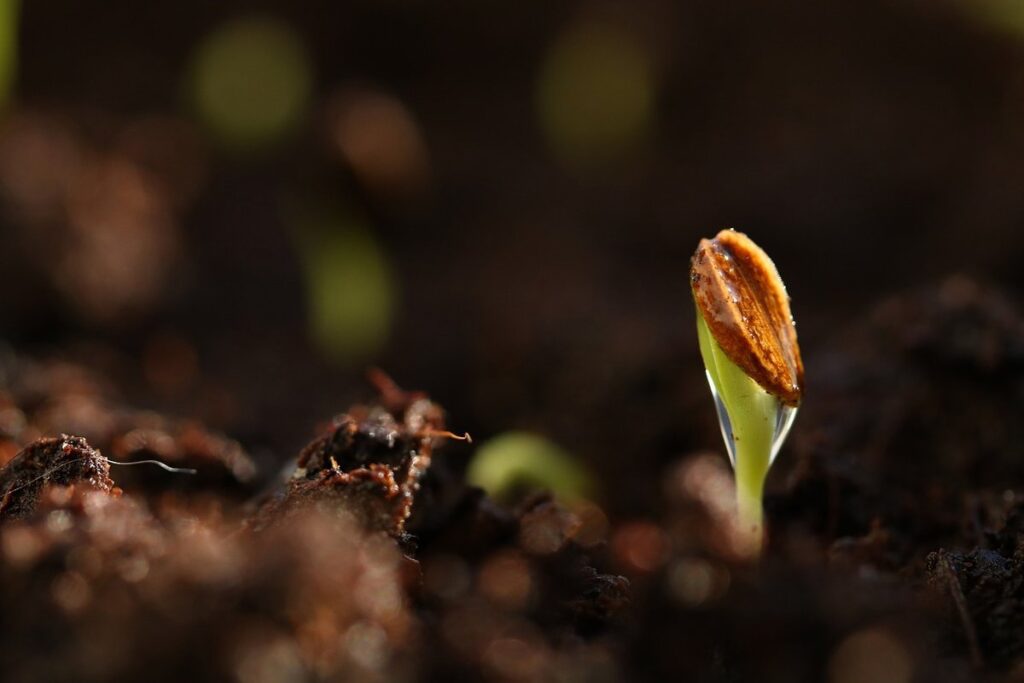
Understanding Rosemary Seed Requirements
To successfully grow healthy rosemary plants from seeds, it’s essential you understand the specific requirements for germination. Let’s dive into the details of what your rosemary seeds need to thrive.
Optimal Temperature and Humidity Conditions
When it comes to rosemary seed germination, optimal temperature and humidity conditions play a crucial role. The ideal range for germinating rosemary seeds is between 65°F to 75°F (18°C to 24°C). This narrow window allows the seeds to absorb moisture and break dormancy without experiencing heat stress.
Maintaining proper humidity levels is equally important. Rosemary seeds require a humid environment, typically around 70-80% relative humidity, to germinate successfully. You can achieve this by covering the seed tray with a clear plastic bag or cloche. This creates a microclimate that prevents moisture loss and promotes steady germination.
Keep in mind that extreme temperatures or dry conditions can hinder germination rates. For instance, if your rosemary seeds are exposed to temperatures above 85°F (29°C), they may experience accelerated growth but reduced viability. Similarly, prolonged exposure to temperatures below 55°F (13°C) can result in poor germination.
To ensure optimal conditions, monitor the temperature and humidity levels closely, especially during the first few days after sowing. By providing a stable environment, you’ll be well on your way to successful rosemary seed germination.
Light Exposure and Sowing Depth
Light exposure and sowing depth play crucial roles in rosemary seed germination. When it comes to light exposure, rosemary seeds prefer indirect light until germination occurs. Direct sunlight can cause the seeds to dry out and prevent them from sprouting. To provide optimal conditions, place the container on a sunny windowsill or use grow lights with a low intensity setting.
In terms of sowing depth, rosemary seeds require about 1/8 inch (3-4 mm) deep. Sowing too shallow can lead to the seedlings being scorched by the sun’s intense rays, while burying them too deeply may hinder germination altogether. A general rule of thumb is to sow rosemary seeds at a depth that is 2-3 times their thickness.
To ensure proper sowing depth, use a small dibble or the end of a chopstick to make a hole in the soil, then gently place the seed inside. Firm the soil around the seed by gently tapping the container to prevent settling. Keep the soil consistently moist but not waterlogged during this critical phase.
Preparing Rosemary Seeds for Germination
Before you can even think about getting your rosemary seeds to sprout, they need a thorough cleaning and preparation process that we’ll walk through together in this next step.
Seed Selection and Stratification
When selecting rosemary seeds for germination, it’s essential to choose high-quality seeds that will increase the chances of successful germination. First and foremost, consider the age of the seeds. Seeds that are too old may have reduced viability, while newer seeds tend to perform better. Look for seeds that are harvested within the past year or two.
Another critical factor is seed viability. Check if the seeds are free from visible damage and have a good moisture level. You can test the seeds’ viability by placing them in a bowl of water; if they sink, they’re likely viable.
Storage conditions also play a significant role in maintaining seed quality. Store your rosemary seeds in an airtight container, kept away from direct sunlight and moisture. This will help preserve their germination potential.
For stratification, you have three primary options: warm stratification (around 70-80°F), cold stratification (between 35-45°F), or alternating temperatures between the two extremes. Warm stratification is suitable for seeds that require a longer period of warmth to break dormancy. Cold stratification, on the other hand, mimics winter conditions and can help seeds overcome dormancy faster.
Note: It’s also worth noting that rosemary seeds have an innate ability to adapt to different temperature ranges during germination, making them somewhat forgiving when it comes to temperature variability. However, using a controlled environment with temperatures in the range of 65-75°F is generally considered optimal for most rosemary seed varieties.
Seed Soaking and Scarification Techniques
Soaking and scarification techniques can significantly enhance rosemary seed germination rates. Seed soaking involves immersing seeds in water to soften the outer coat, making it easier for moisture to penetrate. This process typically lasts between 8-24 hours, depending on the age of the seeds. Some gardeners soak their rosemary seeds in a mixture of water and baking soda or vinegar for added effectiveness.
Scarification, on the other hand, involves gently nicking or scratching the seed coat to facilitate water absorption. A gentle touch is essential here, as over-scarifying can damage the embryo inside. Methods include using a nail file or a fine-grit sandpaper to create small scratches. A more precise approach involves using a seed scarifier tool specifically designed for this purpose.
When applying these techniques, it’s crucial to monitor the seeds closely, as excessive soaking or aggressive scarification can be detrimental. Some gardeners also swear by soaking rosemary seeds in hot water (around 90°F) to help break down the seed coat and stimulate germination.
Rosemary Seed Germination Methods
To successfully grow rosemary from seed, you’ll want to understand various methods of germination that can increase your chances of a healthy start. We’ll dive into each method in detail below.
Water-Based Methods: Sowing in Soil or Hydroponics
When it comes to water-based sowing methods for rosemary seed germination, you have two primary options: sowing in soil or hydroponics. Both approaches offer unique benefits and challenges that are worth considering.
Sowing in soil is a traditional method that mimics natural conditions, allowing the seeds to absorb moisture and nutrients from the surrounding environment. To sow rosemary seeds in soil, start by filling a container with a well-draining seed starting mix. Plant the seeds about 1/8 inch deep and 1-2 inches apart, watering gently but thoroughly. Keep the soil consistently moist but not waterlogged.
Hydroponics, on the other hand, involves growing plants in a nutrient-rich solution rather than soil. This method can provide more precise control over nutrient delivery and can be particularly beneficial for rosemary, which prefers well-draining conditions. To set up a hydroponic system, start by selecting a suitable container and nutrient solution. Plant the seeds directly into the solution or use a soilless growing medium, following the manufacturer’s instructions.
It’s essential to monitor your plants’ response to the chosen method and make adjustments as needed. For example, if you notice excessive algae growth in your hydroponic system, it may be necessary to adjust the nutrient levels or pH balance.
Alternative Methods: Using Paper Towels or Rockwool Cubes
If you’re looking for alternative methods to traditional soil germination, you can try using paper towels or rockwool cubes. These options offer a way to control the environment and provide precise moisture levels, which is ideal for rosemary seeds.
Using paper towels involves placing the seeds between two layers of dampened paper towels in a plastic bag or container. This method allows for easy monitoring of moisture levels, as the paper will become soggy when it’s time to water. Rosemary seeds germinate well using this method due to its consistent and controlled environment.
Rockwool cubes provide another option for rosemary seed germination. These cubes are made from volcanic rock and offer excellent aeration and water retention properties. This makes them ideal for delicate herbs like rosemary, which prefer well-draining soil. To use rockwool cubes, simply moisten the cube with water, place a rosemary seed in the indentation, and cover it with another cube.
Some benefits of using paper towels or rockwool cubes include reduced risk of overwatering and improved humidity control. However, keep in mind that these alternatives may be more expensive than traditional methods and can be less forgiving if you forget to water your seeds.
Monitoring and Caring for Germinated Rosemary Seeds
Now that your rosemary seeds have germinated, it’s essential to provide them with the right conditions to thrive. This includes consistent moisture and a precise balance of light and temperature.
Recognizing Early Signs of Germination
When you first sow your rosemary seeds, it’s exciting to wait for them to germinate. But did you know that there are subtle signs of growth happening even before the seedling emerges from the soil? Recognizing these early signs can help you identify when your seeds are on their way to sprouting.
Look for tiny white roots beginning to protrude from the seed coat, usually within 7-10 days after sowing. These initial root hairs will start to grow longer and thicker as time passes. This is a clear indication that water has been absorbed by the seed, and it’s now initiating its germination process.
Around the same time, you might notice a slight swelling or bulge in the center of the seed. This is where the embryonic root system and shoot are beginning to develop. If you gently remove some of the soil around the seed with a blunt instrument, you might catch a glimpse of the emerging radicle (primary root).
Keep in mind that both root growth and stem emergence can be subtle at first, so it’s essential to keep a close eye on your seeds’ progress. With patience and observation, you’ll soon spot those tiny sprouts pushing their way through the soil!
Nutrient Requirements and Environmental Factors
As you’ve successfully germinated your rosemary seeds, it’s essential to provide them with the right nutrients and environmental conditions to ensure healthy growth. Water is crucial for germination, but make sure not to overwater, as this can lead to root rot. Keep the soil consistently moist, but not waterlogged.
When it comes to fertilization, you don’t need to add anything immediately. Rosemary seeds are sensitive to nitrogen, so avoid using regular fertilizer until they’re about two weeks old. Instead, use a balanced, water-soluble fertilizer at half the recommended strength to avoid burning the young roots.
Light and temperature also play significant roles in germinated rosemary seed growth. Provide indirect sunlight for 12-14 hours a day, keeping the soil away from direct light sources. Maintain a consistent temperature between 65°F (18°C) and 75°F (24°C), as extreme temperatures can slow down or even halt germination.
Monitor your seeds closely, and you’ll notice they’re more likely to thrive in a humid environment with excellent air circulation. Keep the area around them well-ventilated to prevent fungal diseases from taking hold.
Common Issues During Rosemary Seed Germination
One of the most challenging parts of growing rosemary from seed is overcoming common issues that can prevent germination, such as poor water intake. Let’s tackle these problems together and find solutions.
Delayed or Failed Germination
Delayed or failed germination can be frustrating, especially when you’ve taken the time to prepare and sow your rosemary seeds. One common issue that contributes to this problem is seed quality. Make sure to check the expiration date on the package and choose fresh seeds for optimal results. Old or low-quality seeds may not germinate at all.
Another possible cause of delayed or failed germination is temperature fluctuations in the growing environment. Rosemary seeds typically require a consistent temperature between 70-80°F (21-27°C) to germinate. If your seeds are exposed to cold or extreme heat, it can slow down or even prevent germination.
It’s also worth noting that rosemary seeds have a relatively long germination period, taking anywhere from 2-4 weeks to sprout. This can make it difficult to determine if the seeds are actually viable. To minimize delays and ensure successful germination, keep your soil consistently moist but not waterlogged, and provide adequate light and warmth for your seeds.
If you’re still experiencing issues with delayed or failed germination, try using a seed starting mix specifically designed for herbs like rosemary. This specialized blend can help promote healthy root growth and increase the chances of successful germination.
Pests, Diseases, and Environmental Stressors
As your rosemary seeds germinate, they become vulnerable to various pests, diseases, and environmental stressors that can hinder their growth. One of the most common pests affecting germinated rosemary seeds is fungus gnats. These tiny insects lay eggs on the soil’s surface, which hatch into larvae that feed on the seedlings’ delicate roots.
To prevent fungus gnat infestations, ensure the potting mix is well-draining and has a pH between 6.0 and 7.0, which discourages fungal growth. Use a water tray or a humid dome to maintain high humidity levels during germination, as overwatering can attract these pests.
Other environmental stressors, such as extreme temperatures (above 85°F or below 55°F) and intense light exposure, can also impact your rosemary seedlings. Provide them with moderate temperatures between 65°F and 75°F, and place the pot in a spot with bright, indirect light to prevent scorching.
Regularly inspect your seeds for signs of disease like yellowing leaves or blackened stems. Practice good hygiene by washing your hands before handling the seeds, and use sterile equipment to avoid spreading bacteria.
Advanced Techniques and Tips
Now that you’ve mastered the basics of rosemary seed germination, let’s dive into some advanced techniques to take your success rate to the next level. This includes specialized methods for improving soil quality and enhancing overall growth.
Optimizing Conditions for High Germination Rates
Achieving high germination rates requires fine-tuning conditions to create an optimal environment for rosemary seeds. Temperature fluctuations play a crucial role in this process. Rosemary seeds typically require a warm temperature of around 70-80°F (21-27°C) to germinate, but they can tolerate temperatures as low as 60°F (15°C) and as high as 90°F (32°C).
However, if the temperature drops below 50°F (10°C), germination rates may significantly decrease. To avoid this, it’s essential to provide a consistent temperature environment. A thermostat or heating mat can be used to maintain optimal temperatures.
It’s also vital to monitor humidity levels, as dry conditions can hinder germination. Covering the seed tray with a clear plastic bag or a cloche can help retain moisture and create a humid microclimate. By carefully controlling temperature fluctuations and maintaining a suitable humidity level, you’ll be well on your way to achieving high germination rates for your rosemary seeds.
Propagation Methods for Mature Plants
When you’ve successfully germinated and grown rosemary plants from seeds, it’s time to propagate mature plants using various methods. This is a great way to share your beloved herbs with friends and family, or to create more plants for your own garden.
One popular method of propagation is through cuttings. Take 3-4 inch stem cuttings from the tip of a healthy rosemary plant, removing any lower leaves that would be submerged in water. Place the cutting in a glass of water or a propagation tray filled with water, making sure the node (where the leaf meets the stem) is submerged. Roots should develop within 1-2 weeks. Once roots have formed, transfer the cutting to a pot filled with well-draining soil and keep it moist.
You can also propagate rosemary through layering, where you bend a long stem down to the ground and secure it with a rock or U-shaped wire. As the stem develops roots, you can cut it from the mother plant, leaving enough stem attached to the plant for it to continue growing. Division is another method, where you dig up the entire rosemary plant, gently separating the roots to create individual plants.
Frequently Asked Questions
What if I don’t have access to a controlled environment for optimal temperature and humidity conditions?
Yes, there are still ways to successfully germinate rosemary seeds without a greenhouse or indoor growing space. You can use mini-greenhouses, terrariums, or even create a DIY propagation station using materials like plastic containers, clear wrap, and heat mats. These methods will help maintain the ideal temperature and humidity conditions for your rosemary seeds.
Can I still achieve high germination rates if my seeds are exposed to direct sunlight?
No, it’s best to avoid direct sunlight during the initial germination phase as it can cause heat stress and negatively impact seed viability. Instead, provide your seeds with indirect light or use grow lights that mimic natural daylight spectra. This will help prevent scorching and ensure optimal germination rates.
What are some common mistakes I should watch out for when preparing rosemary seeds for germination?
Some common pitfalls to avoid include overwatering (which can lead to fungal growth and seed rot), underwatering (resulting in insufficient moisture for germination), and exposing the seeds to extreme temperatures. Additionally, be cautious not to damage delicate roots during handling or transfer.
Can I use any type of water when soaking my rosemary seeds?
No, it’s recommended to use distilled or filtered water to avoid introducing impurities that can hinder germination. Tap water may contain minerals or chemicals that could affect seed quality or growth. Using purified water ensures a clean and optimal environment for your rosemary seeds.
What if I’m experiencing delayed or failed germination? Should I re-start the process from scratch?
No, it’s not always necessary to start over. Before doing so, investigate possible causes such as inadequate temperature, humidity, or light conditions. Inspect the seeds for signs of damage or fungal growth and adjust your approach accordingly. You can also try adjusting factors like sowing depth, seed selection, or propagation methods to achieve better results in subsequent attempts.