
Growing peas can be a rewarding experience, but it often comes with its own set of challenges. Pea plants need support as they grow to prevent them from toppling over in the wind and to keep their delicate flowers off the ground. However, not all pea varieties are created equal when it comes to supporting growth.
Choosing the right variety is just one aspect of growing healthy peas. Other factors, such as succession planting and preservation techniques, can also make a significant difference in your harvest. In this article, we’ll explore essential tips and tricks for giving your peas the support they need to thrive. From trellises and cages to pruning and training methods, you’ll learn how to keep your pea plants healthy and productive throughout the growing season.
Understanding Your Peas
Now that we’ve covered how to prevent pea plants from getting too leggy, let’s dive into understanding your peas and recognizing the signs of potential issues. This includes identifying pests and diseases early on.
Choosing the Right Variety
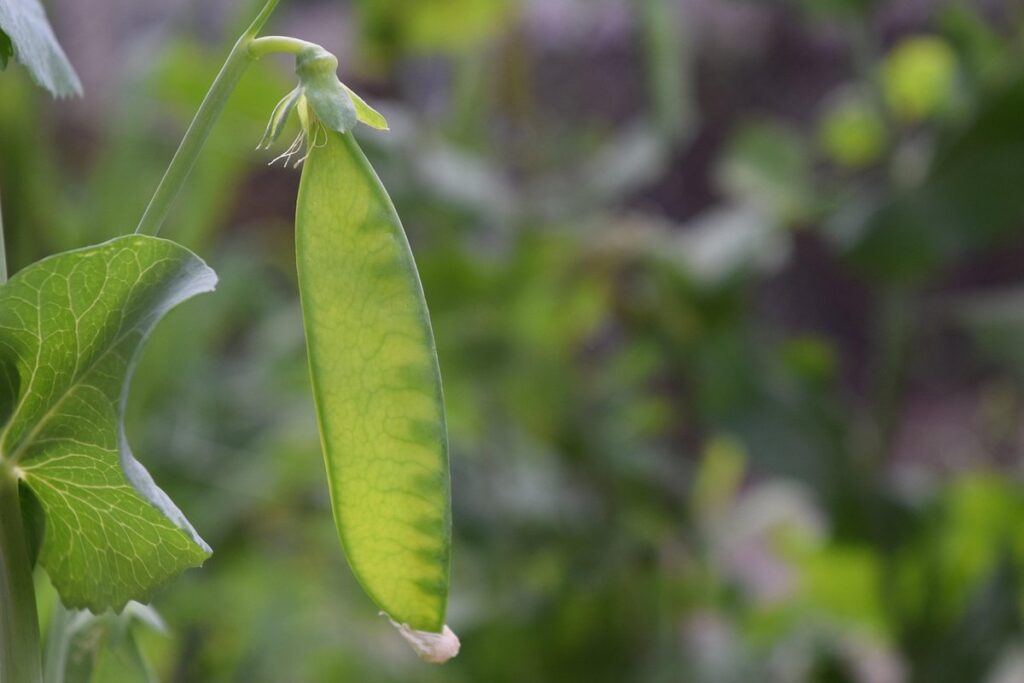
When it comes to growing peas, choosing the right variety is crucial. There are three main types of peas: bush peas, climbing peas, and sugar snap peas. Bush peas are compact and don’t require support, making them perfect for small gardens or containers. Climbing peas, on the other hand, need a trellis or arbor to grow up and produce a higher yield. Sugar snap peas are similar to climbing peas but have flat pods that can be eaten whole.
When selecting a variety, consider factors like disease resistance and growth habits. If you live in an area prone to powdery mildew or other diseases, look for varieties with built-in resistance. Some popular disease-resistant pea varieties include ‘Oregon Sugar Pod’ and ‘Sugar Ann’. Also, think about the space you have available and how much support your peas will need. For example, if you’re growing in a small garden bed, a compact bush pea variety like ‘Dwarf Progress No. 9’ might be a better choice.
It’s also essential to consider the growth habits of different varieties. Some peas are naturally vining and require more support, while others are more compact and can thrive with minimal support. By choosing the right variety for your garden, you’ll be able to provide the best possible growing conditions for your peas and minimize the need for external support.
Preparing the Soil
Preparing the soil is one of the most critical steps in growing healthy peas. Before planting, it’s essential to test your soil’s pH levels to determine if they’re suitable for pea growth. Peas prefer a slightly acidic to neutral soil pH, ranging from 6.0 to 7.0. If your soil is too alkaline or too acidic, you may need to adjust the pH level by adding lime to raise it or sulfur to lower it.
In addition to testing pH levels, it’s also crucial to assess the nutrient content of your soil. Peas are heavy feeders and require a balanced diet of nitrogen, phosphorus, and potassium (NPK) to grow strong and healthy. You can test for NPK levels using a DIY kit or by sending a sample to a laboratory for analysis.
To improve drainage and aeration in the soil, create raised beds or mounds that allow excess water to drain away from the roots. Adding organic matter such as compost or well-rotted manure will also help loosen compacted soil and promote healthy root growth. By preparing your soil properly, you’ll give your peas a solid foundation for optimal growth and productivity.
Creating an Optimal Growing Environment
When it comes to growing peas, creating an optimal environment is crucial for a successful harvest. Temperature, sunlight, and moisture are key factors that contribute to the health of your pea plants.
Peas thrive in temperatures between 60°F (15°C) and 70°F (21°C), making them ideal for spring or fall plantings when temperatures are mild. Avoid planting peas in areas with extreme temperature fluctuations, as this can cause stress to the plants. Provide your peas with at least six hours of direct sunlight per day, but be sure not to overexpose them, especially in warmer climates.
Maintaining consistent moisture levels is also essential for pea growth. Aim to keep the soil consistently moist, but avoid waterlogging, which can lead to root rot and other issues. Mulch around the base of your pea plants to retain moisture and suppress weeds, reducing the need for frequent watering.
To create a suitable growing environment, choose a location with good air circulation and make sure the soil is well-draining. Avoid planting peas in low-lying areas where water may collect. By paying attention to these factors, you can provide your pea plants with the best chance of success.
Training Your Peas
To keep those tender shoots upright and encourage healthy growth, we’ll explore specific training techniques for your peas to climb and thrive. Let’s dive into some effective methods.
Using Trellises and Supports
When it comes to training your peas, providing support is crucial. Climbing peas need something to cling to as they grow, and without proper support, they can become tangled and vulnerable to disease. That’s where trellises and other types of supports come in.
Using a trellis or similar structure allows you to train your peas upwards, making the most of space and promoting healthy growth. To start, place the trellis near the pea plants as soon as they emerge from the soil. You can then gently twine the stems around the trellis using soft ties or clips.
Another option is to use individual stakes to support each plant. Simply drive a stake into the ground next to the plant and tie it in place with twine or wire. This method is ideal for smaller spaces or if you have limited room for a trellis.
It’s essential to provide support as soon as possible, ideally when the peas are still young and flexible. The sooner you offer support, the easier it will be to train the stems into their new home. With regular monitoring and gentle twining, your peas should thrive on their new supports.
Creating a Tidy Pea Bed
Creating a tidy pea bed is crucial not only for promoting healthy growth but also for maintaining easy access to your plants. As peas are natural climbers, their vines can quickly sprawl out of control if left unattended. Regular pruning and training can help contain the spread while directing the energy towards producing delicious pods.
Begin by removing any weak or spindly growth from the base of the plant. This will prevent competition for resources among stronger stems and encourage vertical growth. Next, gently twine the main stem around a support, such as a pea stick or trellis, making sure to leave enough space between each vine to allow for air circulation.
As the plants grow, regularly inspect your peas for any rogue shoots that may have escaped training. Gently tie these back in place using soft ties or clips, taking care not to damage delicate stems. By implementing this simple pruning and training routine, you’ll be rewarded with lush, productive pea plants that thrive under optimal conditions.
Managing Pests and Diseases
Don’t let pests and diseases wreak havoc on your peas’ growth – learn how to prevent and address common issues like aphids, powdery mildew, and more. We’ve got you covered with expert tips for maintaining healthy plants.
Identifying Common Issues
As you tend to your pea plants, it’s essential to be aware of common pests and diseases that can wreak havoc on their health. Early identification is key to preventing the spread of these issues and saving your crop. Let’s take a closer look at some of the most prevalent problems.
Aphids are tiny, sap-sucking insects that can multiply quickly, causing curled or distorted leaves. Check for them by gently brushing off any visible debris from the plant, then inspect the stems and undersides of leaves for sticky, sugary secretions left behind. Slugs and snails, on the other hand, love to feed on pea leaves at night, leaving behind a trail of slime and torn foliage. Monitor your plants in the early morning or evening when these pests are most active.
Powdery mildew is another common issue that can affect peas, characterized by a white, powdery coating on leaves and stems. To identify it, look for discolored patches or lesions, often accompanied by curled or distorted growth. Regularly inspect your plants for signs of these problems and take action promptly to prevent the spread and save your crop.
Organic Pest Control Methods
When it comes to growing healthy peas, managing pests is just as crucial as providing adequate support. A healthy pea plant can quickly become vulnerable to pests like aphids, whiteflies, and spider mites. To tackle these issues without harming the environment or your plants, try using organic pest control methods.
One effective way to maintain a balanced ecosystem in your garden is by introducing beneficial insects. Encourage natural predators like ladybugs, lacewings, and parasitic wasps, which feed on aphids and other pests. You can attract them by planting nectar-rich flowers or creating a pollinator-friendly environment.
If you prefer a more hands-on approach, there are several natural pesticides to consider. Neem oil, for example, is a popular choice due to its ability to control a wide range of pests without harming beneficial insects. Mix neem oil with water and spray it on your plants to prevent infestations. Keep in mind that these methods may require patience and persistence, but they are essential for maintaining a healthy balance between your pea plants and the surrounding ecosystem.
Make sure to identify any issues early on by regularly inspecting your plants for signs of pests. By taking proactive measures and choosing organic pest control methods, you’ll create an environment where both beneficial insects and your peas can thrive.
Tips for Maximum Yield
Now that you have a solid understanding of the various pea support ideas, let’s dive into some valuable tips to help you maximize your yields and ensure healthy plants.
Fertilization Strategies
Fertilizing your peas is essential to promote healthy growth and maximum yield. Peas are heavy feeders and require a balanced diet of nutrients to thrive. The best fertilization strategy for peas involves a combination of organic and synthetic fertilizers.
When choosing an organic fertilizer, consider using compost or well-rotted manure. These options release nutrients slowly into the soil, providing a steady supply of nutrients for your peas as they grow. For example, you can mix 1 tablespoon of fish emulsion with 1 gallon of water to create a nutrient-rich liquid fertilizer.
Synthetic fertilizers, such as ammonium nitrate or urea, are also effective but should be used sparingly. Always follow the manufacturer’s instructions and take care not to over-fertilize, which can damage your plants’ roots and cause them to become leggy.
To monitor nitrogen levels in the soil, you can perform a simple test using a pH meter or nitrate testing kit. Aim for a nitrogen level between 50-100 ppm, as this range supports optimal pea growth. Regularly checking soil nutrient levels will help you adjust your fertilization strategy and ensure healthy, productive plants.
Companion Planting
When it comes to growing peas, companion planting can be a game-changer for maximum yields. By strategically pairing peas with other plants, you can create a mutually beneficial environment that promotes healthy growth and reduces the need for pesticides and fertilizers.
Some excellent companion plants for peas include mint, garlic, onions, and nasturtiums. Mint repels aphids and other pests that target peas, while garlic and onions deter nematodes and other soil-borne diseases. Nasturtiums, with their bright flowers and spicy leaves, attract beneficial insects that prey on pea-damaging pests.
To incorporate companion planting into your pea garden, try the following:
* Plant mint around the perimeter of your pea patch to keep aphids at bay
* Bury garlic cloves near the base of pea plants to deter nematodes
* Sow nasturtiums among your peas to attract beneficial insects
* Use onions as a natural pest repellent by planting them nearby or using their strong-smelling leaves to repel pests
By incorporating these companion plants into your pea garden, you can create a thriving ecosystem that promotes healthy growth and maximum yields.
Extending the Harvest Season
To keep your peas thriving beyond the initial harvest, consider implementing ideas that extend the growing season and promote continuous production. This will help you enjoy a longer pea crop.
Succession Planting
Succession planting is an excellent technique to extend the pea harvest season. By planning and executing a successful succession planting strategy, you can enjoy a continuous supply of fresh peas for several weeks. To do this effectively, start by identifying which varieties of peas mature quickly – usually within 50-60 days – as these are ideal for succession planting.
Plan your plantings so that each batch is about 10-14 days apart. This will ensure that while one batch is still producing, the next one is already maturing and ready to be harvested. For example, if you have a pea variety with a maturity period of 55 days, plant another batch 45 days later.
As your new plants grow, remove any weak or spindly stems from the previous planting to prevent them from competing for nutrients and water. Make sure to also label each batch clearly so that you can keep track of which ones are ready to be harvested. With a bit of planning and attention to detail, succession planting can help you enjoy a longer pea harvest season with minimal effort.
Preserving Peas
When you’ve finally harvested your peas, it’s essential to preserve them so that you can enjoy their sweet flavor and high nutritional value throughout the year. There are several methods for preserving peas, each with its own advantages and disadvantages.
Freezing is a simple method for preserving peas, and it’s particularly well-suited for delicate varieties. To freeze peas, blanch them in boiling water for 30 seconds to 1 minute to inactivate enzymes that can cause spoilage. Then, immediately plunge the peas into an ice bath to stop the cooking process. Once cooled, transfer the peas to airtight containers or freezer bags and store them in the freezer at 0°F (-18°C) or below.
Another popular method for preserving peas is canning, which involves heating the peas to a high temperature to kill off bacteria and other microorganisms. However, this method requires specialized equipment and knowledge to ensure that the peas are properly sterilized and sealed to prevent spoilage.
Dehydrating is another effective method for preserving peas, as it removes the water content that can cause spoilage. To dehydrate peas, spread them out in a single layer on a food dehydrator or baking sheet and dry at 135°F (57°C) for 6-8 hours. Once dried, store the peas in airtight containers to maintain their flavor and nutritional value.
When storing preserved peas, it’s essential to keep them away from light, moisture, and heat sources to prevent spoilage. Consider storing them in the refrigerator or freezer to prolong their shelf life.
Frequently Asked Questions
Can I use a single trellis for multiple pea plants?
Yes, using a single trellis for multiple pea plants is a great way to maximize space in your garden. Simply plant the peas around the base of the trellis and train them to climb up as they grow. Just make sure to provide enough support for each plant and keep an eye out for any potential overcrowding.
How often should I water my supported pea plants?
The frequency of watering will depend on your specific climate and soil conditions, but a general rule of thumb is to water supported pea plants every 2-3 days during hot weather. Make sure the soil is moist but not waterlogged, as this can lead to root rot.
Can I use a combination of trellises and cages for support?
Yes, using a combination of trellises and cages is a great way to provide additional support for your pea plants. This can be especially helpful if you’re growing climbing peas or sugar snap peas that require extra stability.
What’s the best time to start succession planting with peas?
In most regions, it’s recommended to start succession planting with peas in late summer or early fall, about 8 weeks before the first frost. This allows for a second harvest of peas before winter sets in and gives you plenty of time to plan for next year’s crop.
Can I use a fence instead of a trellis for support?
Yes, using a fence can be an effective way to provide support for your pea plants, especially if you have a large space or want to create a natural barrier between different areas of your garden. Just make sure the fence is sturdy enough to hold up the weight of the plants and any potential wind damage.